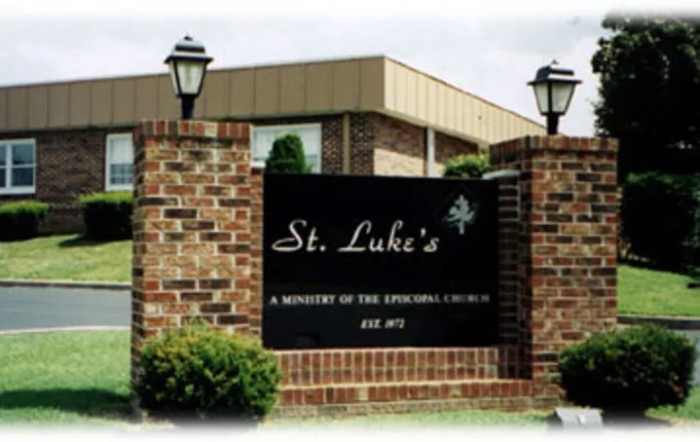
St Luke's Care Center in Carthage, MO

Save

St Luke's Care Center in Carthage, MO

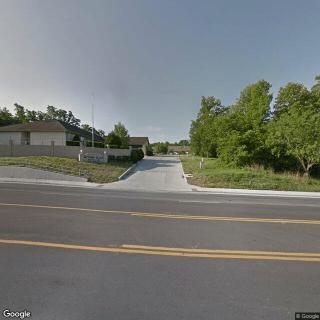
1220 East Fairview, Carthage, MO 64836

For more information about senior living options: (844) 490-3973

3.5 from 15 reviews
5 stars
8
4 stars
1
3 stars
1
2 stars
0
1 stars
5

Assisted Living Memory Care Respite Care Skilled Nursing Facility

What level of care are you interested in?

Assisted Living

Memory Care

Independent Living

Skilled Nursing Facility

Continuing Care Retirement Community (CCRC)CCRC

Other


Request a tour at St Luke's Care Center

    Overall Review of St Luke's Care Center

    Pros

    • pro St. Luke's Nursing Center is described as very clean, organized, and friendly with a great atmosphere.
    • pro The staff are caring, knowledgeable, and consistently available to help residents.
    • pro The center offers engaging activities and services, including church services, bingo, crafts, exercise, and opportunities for residents to voice concerns or compliments.
    • pro The head of the facility is viewed as caring and earnest, which influenced families to choose the center.
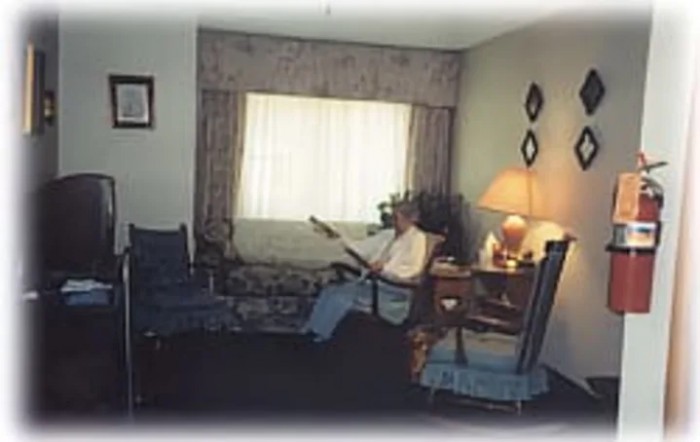
    • pro The rooms are spacious, accessible for disabled residents, and the upkeep and maintenance are excellent.
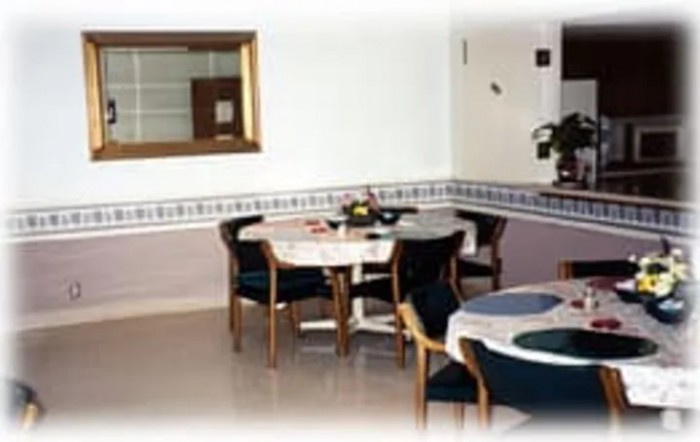
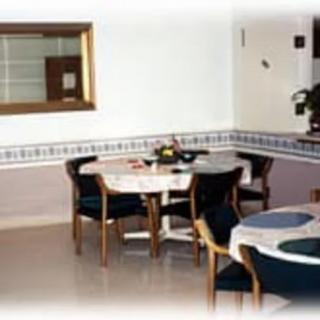
    • pro The dining area is comfortable and the food is good, contributing to a positive experience.
    • pro St. Luke's is described as a wonderful place with well-maintained assisted living options and a friendly, caring staff.

    Cons

    • pro They have unlicensed personnel working in social services, and one staff member moves around family/resident appointments without notice.
    • pro The administration has no business running the facility.
    • pro They barely maintain a food budget while remodeling the building, showing misplaced priorities.
    • pro The administrative staff are horrible.
    • pro People would not recommend them because of the administration.
    • pro Transportation for wheelchair-bound residents is unreliable, since there is no licensed driver.
    • pro Kitchen staff are underpaid and hours are cut, leading to short-staffing and risking patient care.
    • pro The kitchen staff do not have time to properly prepare food, delaying meals for patients.
    • pro They fail to regularly launder residents' sheets, requiring family members to handle laundry themselves.

    Review

    St Luke's Care Center in Carthage, Missouri is best suited for families seeking a true, resident-focused environment where frontline caregivers form the core of daily life. This community shines for residents who value an active social schedule, accessible, comfortable living spaces, and hands-on care that keeps people engaged. The campus supports memory care and rehabilitation needs, with daily physical therapy and a calendar that includes church services, bingo, crafts, and group activities. For families who prioritize being able to visit and connect across related facilities on the same campus, the layout and program mix are a meaningful advantage.

    That said, potential arrivals should listen closely to where the operation can fray. Notable concerns revolve around administration and how it shows up in everyday logistics: some families report difficulty obtaining itemized bills, inconsistent transportation for wheelchair-bound residents, and questions about staff qualifications in social-services roles. Observations like these point to a governance gap that can undermine confidence over time. For families with a strong preference for crystal-clear finances, dependable transport, and consistently supervised administration, alternatives deserve serious consideration. Budget-conscious shoppers should also weigh whether perceived value aligns with the recurring charges and the care expectations set by the facility.

    On the care floor, the positives are tangible and persuasive. Caregivers regularly come across as compassionate, patient, and responsive, translating into dependable daily routines and steady resident engagement. The activity program is not a mere afterthought; it provides meaningful outlets for social interaction, exercise, and even spiritual support, which helps maintain strength and mood. The physical environment tends to reinforce dignity - clean, organized spaces, spacious resident rooms, and accessible design - while practical services like laundry and routine personal care complement the daily experience. For families with loved ones in memory care or rehabilitation, these on-the-ground strengths often translate into noticeable quality of life benefits.

    However, the administrative weaknesses loom large enough to temper the overall impression. Reports about billing processes, including delays and lack of detail, create a frustrating backdrop to otherwise solid daily care. Transportation gaps can derail appointments and medical follow-ups, complicating health management. Kitchen staffing concerns, including underpay and scheduling pressures, can affect meal quality and service pace, which in turn touches a resident's daily satisfaction and nutrition. In some accounts, leadership style has left families feeling unsupported or out of the loop, complicating long-range planning and trust in governance.

    These dynamics create a clear trade-off. The robust, hands-on care and active living environment can substantially offset many concerns for residents who thrive on social activity and direct caregiver relationships. Families willing to remain vigilant - tracking bills, confirming transport arrangements, and engaging with staff to ensure continuity - may still derive strong value here. Yet for others, especially those who cannot accommodate recurring administrative friction or who require unwavering predictability in logistics and finances, the risk of ongoing friction may tip the scale toward alternatives.

    A practical decision framework follows. Schedule a thorough on-site evaluation with a focus on governance and operations: request current leadership contact, review a recent itemized billing statement, and obtain a clear policy on wheelchair transportation and scheduling. Inquire about the memory-care pathway and rehabilitation staffing ratios, and ask for a representative itinerary showing daily activity coverage and dining service timelines. If the answers convey stable, transparent processes and dependable logistics, St Luke's can be a compelling choice for families prioritizing care quality and an engaged resident life. If not, pursue other communities in the Carthage area that offer stronger administrative consistency and more predictable operations.

    Features

    Housing

    • 41 resident community capacity 41 resident community capacity

    Types of Care

    • Assisted Living Assisted LivingAssisted living facilities provide crucial support and care for seniors who may need help with daily tasks such as medication management, bathing, and meal preparation. These communities offer a safe and comfortable environment where seniors can maintain their independence while receiving the assistance they need to thrive in their golden years.
    • Memory Care Memory CareMemory care is crucial for seniors as it provides specialized support and services for individuals with dementia or Alzheimer's disease. These programs offer a safe and secure environment where residents receive personalized care, cognitive stimulation, and help with daily activities. Memory care helps seniors maintain their independence, quality of life, and dignity while also providing peace of mind for their families.
    • Respite Care Respite CareRespite care provides temporary relief for caregivers, allowing them to recharge and attend to their own needs. It also gives seniors the opportunity to socialize, receive professional care, and experience a change of scenery, promoting overall well-being and reducing feelings of isolation.
    • Skilled Nursing Facility Skilled Nursing FacilitySkilled Nursing Facilities are crucial for seniors as they provide round-the-clock medical care, rehabilitation services, and assistance with daily activities. These facilities ensure that seniors receive the specialized care they need to maintain their health and well-being as they age.

    Amenities

    • Beauty salon Beauty salonBeauty salons are important for seniors because they provide a space for them to feel pampered, socialize, and maintain their personal grooming and hygiene. Regular visits to a beauty salon can help boost seniors' self-esteem and overall well-being.
    • Cable or satellite TV Cable or satellite TVCable or satellite TV is important for seniors because it provides entertainment, news, and companionship, helping to combat loneliness and boredom. It also offers a wide range of programming options tailored to different interests and preferences.
    • Dining room Dining roomDining rooms are important for seniors as they provide a space for socialization, connection, and nutritious meals. They offer opportunities for residents to bond over shared meals, foster a sense of community, and promote healthy eating habits. Dining rooms also ensure that seniors have access to well-balanced meals tailored to their dietary needs and preferences.
    • Fully furnished Fully furnishedFully furnished senior living communities are important for seniors because they provide convenience, comfort, and a hassle-free moving experience. Seniors can easily settle into their new living space without the stress of having to buy and move furniture. This allows them to focus on enjoying their new home and community.
    • Garden GardenGardens are important for seniors as they provide a peaceful and therapeutic environment for relaxation, physical activity, and socialization. Being in nature has been shown to reduce stress, improve mood, and promote overall well-being. Gardens also offer opportunities for seniors to engage in gardening activities, which can improve mobility, flexibility, and cognitive function. Additionally, gardens create a sense of community and connection with others who share a passion for plants and outdoor spaces.
    • Housekeeping services Housekeeping servicesHousekeeping services are important for seniors because they help maintain a clean and safe living environment, promote independence, and reduce the risk of accidents or illnesses. Additionally, having assistance with household chores can alleviate physical strain and allow seniors to focus on other aspects of their well-being.
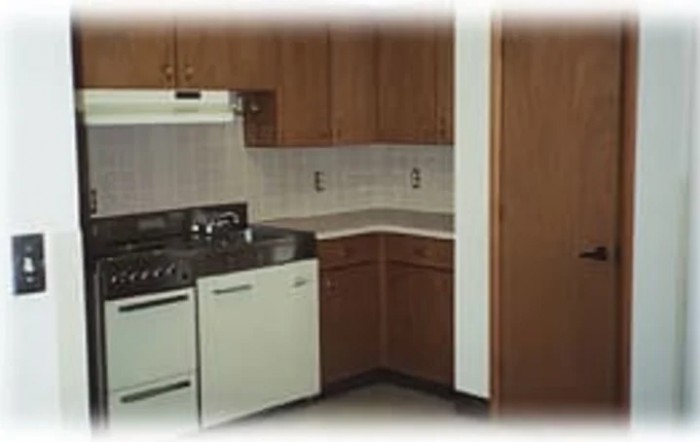
    • Kitchenette KitchenetteKitchenettes are important for seniors living in senior living communities because they provide the convenience and independence of being able to prepare simple meals and snacks in the comfort of their own living space. This can help promote a sense of autonomy and well-being for seniors, allowing them to maintain some level of control over their dietary choices and daily routines.
    • Move-in coordination Move-in coordinationMove-in coordination is important for seniors because it helps ease the transition into their new living environment. It ensures that all logistics, such as packing, organizing movers, and setting up utilities are taken care of, allowing seniors to focus on settling in and adjusting to their new home. Having a smooth move-in process can alleviate stress and anxiety, making the transition smoother and more enjoyable for seniors.
    • Outdoor space Outdoor spaceOutdoor spaces are important for seniors as they provide opportunities for physical activity, social interaction, exposure to natural light and fresh air, and a sense of connection to nature. Having access to outdoor spaces can improve overall well-being and quality of life for older adults living in senior communities.
    • Restaurant-style dining Restaurant-style diningRestaurant-style dining is important for seniors because it allows them to enjoy delicious, nutritious meals in a social and upscale setting. This enhances their dining experience, promotes healthy eating habits, and fosters socialization with fellow residents, ultimately contributing to their overall well-being and quality of life.
    • Small library Small librarySmall libraries are important for seniors as they provide access to a variety of reading materials, including books, newspapers, and magazines. This can help stimulate their minds, keep them engaged, and provide a sense of community through book clubs and other social activities. Additionally, reading has been shown to improve cognitive function and overall mental well-being in older adults.
    • Telephone TelephoneTelephones are important for seniors as they provide a lifeline for communication with loved ones, emergency services, and healthcare providers. They offer a sense of security and independence, enabling seniors to stay connected and access assistance when needed.
    • Wi-Fi/high-speed internet available Wi-Fi/high-speed internet availableWi-Fi/high-speed internet is important for seniors to stay connected with loved ones, access online resources, and participate in virtual activities to combat feelings of loneliness and isolation. It also allows them to easily manage healthcare needs, access entertainment, and engage in lifelong learning opportunities.

    Transportation

    • Joplin Regional (11 miles away) Joplin Regional (11 miles away)

    Care Services

    • 24-hour call system 24-hour call system24-hour call systems are important for seniors because they provide peace of mind and immediate assistance in case of emergencies. This technology ensures that help is always available, promoting safety and security for elderly individuals living alone or in assisted living facilities.
    • 24-hour supervision 24-hour supervision24-hour supervision is important for seniors to ensure their safety, well-being, and access to immediate assistance in case of emergencies or health issues. This constant support provides peace of mind for both seniors and their loved ones, allowing them to age in place with dignity and security.
    • Activities of daily living assistance Activities of daily living assistanceActivities of daily living assistance are important for seniors because they provide essential support with tasks such as eating, bathing, dressing, and mobility. This assistance helps seniors maintain their independence, dignity, and overall quality of life as they age.
    • Assistance with bathing Assistance with bathingAssistance with bathing is crucial for seniors as it helps maintain personal hygiene, prevents infections, and ensures their overall well-being and comfort. It also provides a sense of dignity and independence for seniors who may struggle with this task on their own.
    • Assistance with dressing Assistance with dressingAssistance with dressing is important for seniors because it helps maintain their independence, promotes personal hygiene, prevents accidents and injuries, and improves overall quality of life. This service ensures that seniors can continue to dress comfortably and confidently, despite any physical limitations they may have.
    • Assistance with transfers Assistance with transfersAssistance with transfers is crucial for seniors as it helps prevent falls and injuries, maintains their independence, and ensures they can safely navigate their living environment. It also provides peace of mind for both seniors and their loved ones.
    • Diabetes diet Diabetes dietA diabetes diet is crucial for seniors as it helps manage blood sugar levels, reduce risks of complications, and improve overall health and well-being. By following a balanced and nutritious diet tailored to their specific needs, seniors can better control their diabetes and enhance their quality of life.
    • Meal preparation and service Meal preparation and serviceMeal preparation and service are crucial for seniors as they may have limited mobility or energy to cook nutritious meals. Having access to healthy and convenient food options can ensure they are getting the proper nutrition needed to maintain their overall health and well-being.
    • Medication management Medication managementMedication management is crucial for seniors to ensure they are taking the right medications at the correct dosages and times. This helps prevent adverse drug interactions, reduces the risk of medication errors, and promotes overall health and well-being. Proactive management also allows for adjustments as needed based on changing health conditions or new prescriptions.
    • Mental wellness program Mental wellness programMental wellness programs are essential for seniors as they promote cognitive stimulation, emotional support, and social engagement. These programs help prevent isolation, depression, and cognitive decline, ultimately enhancing the overall quality of life for older adults.
    • Mild cognitive impairment Mild cognitive impairment"Mild cognitive impairment" is important for seniors because it is an early stage of cognitive decline that can potentially progress to more severe conditions such as dementia. Recognizing and addressing mild cognitive impairment can help seniors receive appropriate care and support to maintain their quality of life and independence for as long as possible.
    • Special dietary restrictions Special dietary restrictionsSpecial dietary restrictions are important for seniors because age-related changes in metabolism and health conditions can make it difficult for their bodies to process certain foods. By following a diet tailored to their specific needs, seniors can maintain their overall health and well-being, manage chronic conditions, and reduce the risk of complications such as malnutrition or food interactions with medications.
    • Specialized memory care programming Specialized memory care programmingSpecialized memory care programming is crucial for seniors with cognitive impairments such as dementia or Alzheimer's disease. These programs provide a safe and supportive environment tailored to the unique needs of individuals with memory loss, helping them maintain their independence, dignity, and quality of life.

    Dining

    • Diabetes diet Diabetes dietA diabetes diet is crucial for seniors as it helps manage blood sugar levels, reduce risks of complications, and improve overall health and well-being. By following a balanced and nutritious diet tailored to their specific needs, seniors can better control their diabetes and enhance their quality of life.
    • Special dietary restrictions Special dietary restrictionsSpecial dietary restrictions are important for seniors because age-related changes in metabolism and health conditions can make it difficult for their bodies to process certain foods. By following a diet tailored to their specific needs, seniors can maintain their overall health and well-being, manage chronic conditions, and reduce the risk of complications such as malnutrition or food interactions with medications.

    Activities

    • Community-sponsored activities Community-sponsored activitiesCommunity-sponsored activities are important for seniors as they provide opportunities for social interaction, mental stimulation, and physical activity. These activities can help improve overall well-being, combat loneliness and isolation, and promote a sense of belonging and purpose among older adults.
    • Resident-run activities Resident-run activitiesResident-run activities are important for seniors as they encourage social interaction, creativity, and a sense of autonomy. These activities empower seniors to stay engaged and active in their community while fostering meaningful connections with their peers.
    • Scheduled daily activities Scheduled daily activitiesScheduled daily activities are important for seniors because they provide structure, socialization, mental stimulation, and physical activity. Engaging in regular activities can improve overall well-being and quality of life for seniors living in a community setting.

    Description

    St. Luke's Care Center, located in the heart of Carthage, MO, offers a warm and welcoming environment for individuals seeking specialized care and support. This assisted living community is dedicated to providing a range of services, including Memory Care, Respite Care, and Skilled Nursing Facility options, ensuring that residents receive personalized attention tailored to their needs.

    At St. Luke's, residents benefit from a variety of amenities designed to enhance their comfort and quality of life. The community features cable or satellite TV for entertainment, fully furnished accommodations, and inviting outdoor spaces where residents can relax and enjoy nature. With options like restaurant-style dining, meal preparation tailored to special dietary restrictions, including diabetes diets, and housekeeping services provided regularly, residents can enjoy a worry-free living experience.

    Safety and supervision are paramount at St. Luke's Care Center; the facility offers 24-hour supervision and dedicated staff members trained to assist with activities of daily living, ranging from bathing and dressing to transfers, ensuring that each resident receives the necessary support while promoting independence.

    Engagement is also a key focus at St. Luke's. Residents participate in scheduled daily activities as well as resident-run initiatives that foster companionship and community spirit. A mental wellness program is in place to support residents’ emotional health alongside specialized memory care programming for those dealing with mild cognitive impairment.

    Convenience is within reach at St. Luke’s due to its prime location near various local resources: two parks offer recreational opportunities; seven pharmacies provide easy access to medications; five physicians are nearby for routine check-ups; eight restaurants cater to dining out options; one transportation service simplifies travel arrangements; fourteen places of worship offer spiritual solace; and two hospitals ensure access to medical care if needed.

    With its commitment to compassionate care, comprehensive amenities, and a vibrant community atmosphere, St. Luke’s Care Center stands out as an ideal choice for individuals seeking assistance while maintaining their dignity and independence in a supportive environment.

    Nearby Places of Interest

    This part of Carthage, Missouri offers a variety of amenities that may appeal to seniors looking for a comfortable and convenient living environment. With St. Lukes Hospital and McCune-Brooks Regional Hospital nearby, residents have access to quality healthcare services. There are also several places of worship in close proximity, catering to different religious preferences. In terms of dining options, there are fast food chains like Hardee's and KFC, as well as Mexican and burger restaurants for those seeking diverse culinary experiences. Pharmacies such as Carthage Pharmacy Service and Wilkinson Pharmacy are readily available for medication needs. Additionally, transportation options including U-Haul services and Joplin Regional Airport provide easy mobility for both residents and visitors. Parks like Kellogg Lake Park offer opportunities for outdoor activities and relaxation, while cafes such as Crazy Llama Coffee provide cozy spaces to socialize with friends or enjoy a cup of coffee. Overall, this area presents a balanced mix of essential services and leisure activities suitable for senior living in Carthage, Missouri.

    Hospitals

    • St Lukes (0.1 miles)
    • McCune-Brooks Regional Hospital (1.9 miles)

    Places of Worship

    • Fellowship Baptist Church (0.7 miles)
    • Church Of The Nazarene (0.8 miles)
    • Wels (0.8 miles)
    • DO Cong (0.8 miles)
    • Fairview Christian Church (0.8 miles)
    • Episcopal Grace Church (1.4 miles)
    • First Baptist Church (1.5 miles)

    Physicians

    • Och Jasper Co Clinic Carthage (0.9 miles)
    • Carthage Family Medical Center (1.4 miles)
    • Shah Ramesh R MD (1.4 miles)
    • Manzer Family Medicine (1.6 miles)
    • Wholistic Pathways Family Health Center (2.7 miles)
    • Ozarks Community Hospital (9.3 miles)
    • Webb City Clinic (10.1 miles)

    Restaurants

    • Hardee's (1 miles)
    • KFC (1.1 miles)
    • Jim's Place (1.7 miles)
    • Taqueria Los Guaches (1.8 miles)
    • Habaneros Mexican Grill (1.8 miles)
    • Burger King (2.3 miles)
    • Subway (2.3 miles)

    Pharmacies

    • Carthage Pharmacy Service (1.1 miles)
    • Wilkinson Pharmacy (1.1 miles)
    • Walgreens (1.3 miles)
    • Express Rx of Carthage (1.3 miles)
    • Wilkinson Pharmacy (1.4 miles)
    • Phadia US (4.5 miles)
    • Allergon (4.5 miles)

    Transportation

    • U-Haul Neighborhood Dealer (2 miles)
    • U-Haul Neighborhood Dealer (7.1 miles)
    • U-Haul Moving & Storage (9.9 miles)
    • Joplin Regional Airport (JLN) (11.4 miles)
    • Alpha Air Center FBO (11.4 miles)
    • Enterprise Rent-A-Car (11.7 miles)

    Parks

    • Kellogg Lake Park (2.3 miles)
    • Carthage Parks & Recreation (2.8 miles)
    • King Jack Park Baseball Fields (9.4 miles)
    • Leonard Park (11.3 miles)

    Cafes

    • Crazy Llama Coffee (10.1 miles)
    • Joe Muggs Coffee (11 miles)
    • Granny Lee's Cafe (11.1 miles)

    Theaters

    • Northstar STM 14 (10.4 miles)

    Frequently Asked Questions

    Where is St Luke's Care Center?
    Does St Luke's Care Center provide care for residents with dementia or Alzheimer's disease?
    What photos are available for St Luke's Care Center in Carthage, Missouri?

    Nearby Communities

    • St. Luke's Assisted Living Facility

      St. Luke's Assisted Living Facility

      Carthage, MO

      3.7 from 18 reviews
      $3,400 to $4,900 / month

      pro Caring, attentive staff with personalized care.

    • Carthage Health And Rehabilitation Center

      Carthage Health And Rehabilitation Center

      Carthage, MO


      pro Extensive amenities and 24/7 supervision.

    • Bristol Manor of Carthage

      Bristol Manor of Carthage

      Carthage, MO

      2.7 from 3 reviews
      $2,100 to $3,100 / month

      pro Intimate setting with potential upgrades.

    • Bristol Manor - Carthage

      Bristol Manor - Carthage

      Carthage, MO


      pro Full-service assisted living with 24/7 care, furnished rooms, meals, and engaging activities.

    • Maple Tree Terrace

      Maple Tree Terrace

      Carthage, MO

      4.1 from 22 reviews
      $3,100 to $3,937 / month

      pro Small, intimate community with private rooms, flexible dining, and attentive staff.

    • Maple Tree Terrace Assisted Living By Americare

      Maple Tree Terrace Assisted Living By Americare

      Carthage, MO


      pro 24/7 supervision with comprehensive care and restaurant-style dining.

    • College View Manor

      College View Manor

      Joplin, MO

      4.8 from 92 reviews
      $2,500 to $3,500 / month

      pro Friendly staff with engaging activities and good dining.

    • Autumn Place Residential Care Of Joplin

      Autumn Place Residential Care Of Joplin

      Joplin, MO

      3.1 from 8 reviews
       

      pro Friendly, helpful staff; clean, well-maintained facility with engaging activities.

    • Oak Pointe of Neosho

      Oak Pointe of Neosho

      Neosho, MO

      4.6 from 53 reviews
      $3,500 to $5,500 / month

      pro Caring staff with engaging activities in a clean, welcoming environment.

    Related Resources

    • sundown syndromeComprehending Evening Confusion in Dementia: Causes, Manifestations, and Support

      Sundown syndrome, or sundowning, is a phenomenon in dementia patients characterized by increased confusion and agitation during late afternoon and evening, influenced by factors like disrupted circadian rhythms and fatigue. Effective caregiver strategies include establishing routines and managing environmental light while addressing caregiver stress through support services.

    • delirium vs dementiaDelirium and Dementia: Unraveling the Key Differences

      Delirium is a rapidly onset, reversible cognitive disturbance often caused by acute medical issues, while dementia is a gradual and irreversible decline due to chronic neurodegenerative diseases. Accurate differentiation between the two is essential for appropriate treatment and management in older adults.

    • can you die from dementiaAre Dementia and Alzheimer's Disease Lethal? A Comprehensive Exploration

      Dementia, including Alzheimer’s disease, is often mischaracterized in terms of lethality as it leads to complications that can be fatal rather than being a direct cause of death; it causes a progressive decline in cognitive and physical health, making patients vulnerable to infections and other health crises. Effective management of nutrition, hydration, and communication is crucial in patient care, with palliative care becoming vital in advanced stages to enhance comfort and quality of life while caregivers play a key role amidst the challenges posed by the disease.


    Get Pricing Ask A Question Schedule A Tour Contact Senior Advisor