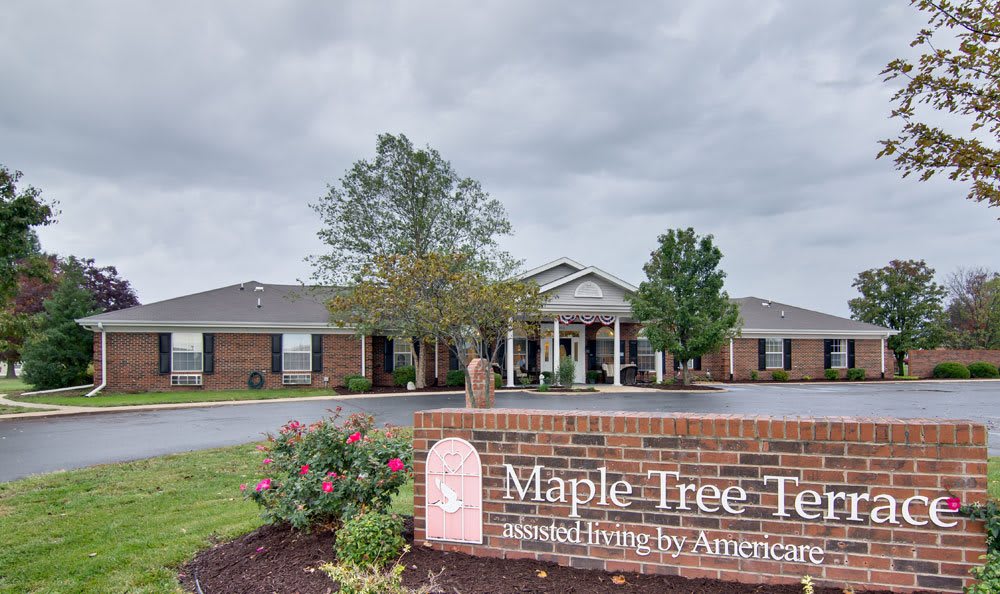
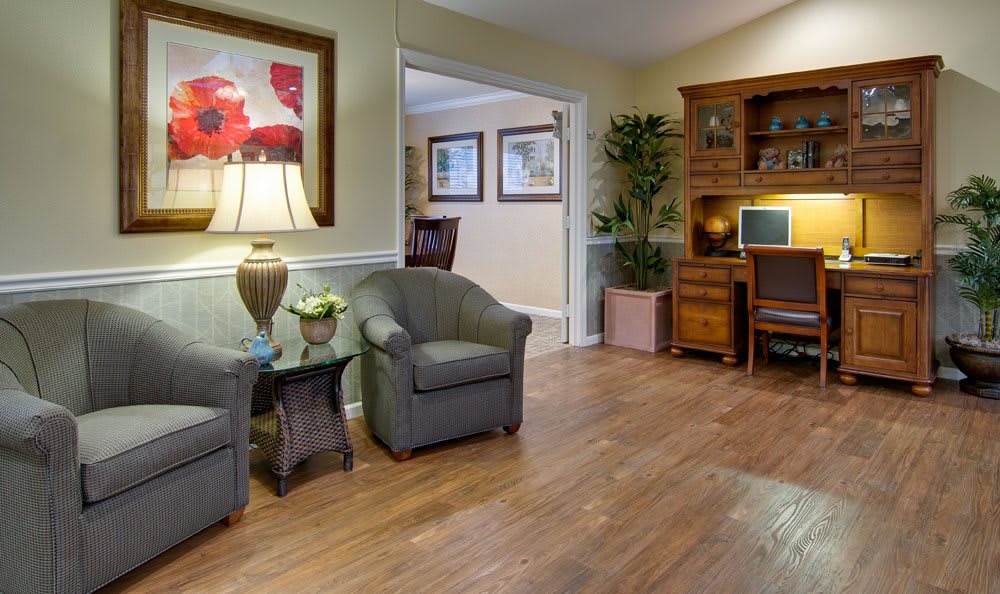
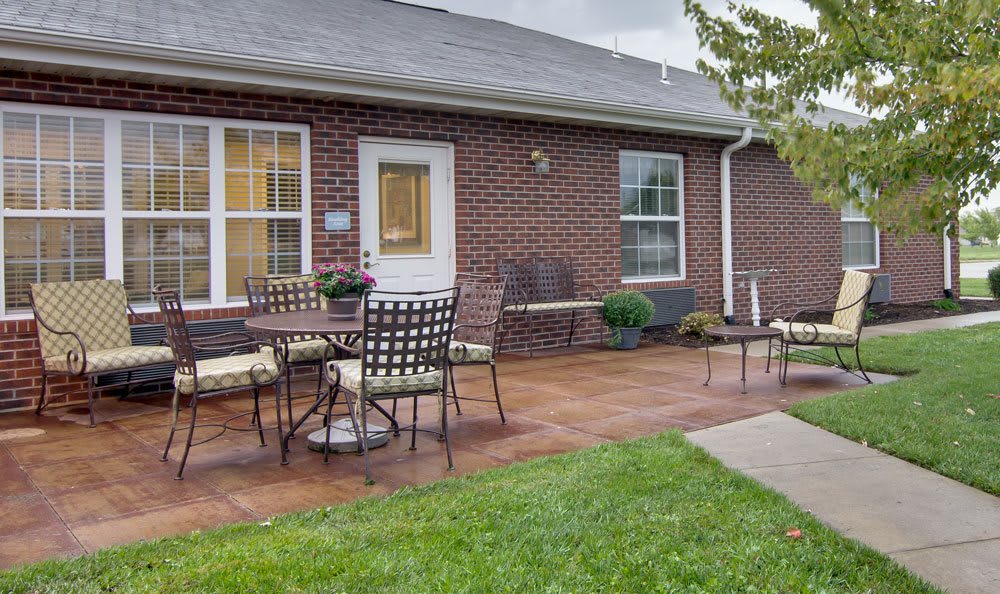
2510 Clinton Street, Carthage, MO 64836
For more information about senior living options: (866) 208-4318
Maple Tree Terrace Costs & Pricing
At Maple Tree Terrace, residents can expect competitive pricing for their accommodations compared to both Jasper County and the broader state of Missouri. The cost for a semi-private room is set at $3,100 per month, which is notably higher than the county average of $2,489 but falls below the state average of $3,772. For those considering studio apartments, the monthly rate is $3,937 - again reflecting a higher cost than Jasper County's average of $3,004 while remaining more affordable than the statewide figure of $3,418. Overall, while Maple Tree Terrace's rates may exceed local averages for certain room types, they still offer valuable amenities and services that enhance the living experience in comparison to other options in Missouri.
| Floor plans | Maple Tree Terrace | Jasper County | Missouri |
|---|---|---|---|
| Semi-Private | $3,100 | $2,489 | $3,772 |
| Studio | $3,937 | $3,004 | $3,418 |
Skilled Nursing Facilities with a similar price nearby
-
from -$310 / mo
Silver Creek & Arbors at Silver Creek
$2,790 to $3,540 / month11.6 miles away -
from +$150 / mo
Webwood Assisted Living
$3,250 to $4,600 / month19.4 miles away
Overall Review of Maple Tree Terrace
Pros
 The facility is amazing and staffed with trained, caring professionals.
- It is always clean and well maintained.
- The staff did an amazing job keeping residents safe during the pandemic.
- The nurse and staff respond quickly to medical issues.
- The food is very good, including chicken fried steak.
- The facility is a small, close-knit community with private rooms.
- The staff are incredibly caring and thoughtful.
- They cater to residents' schedules and meal preferences.
- Maple Tree Terrace is a loving and great community.
Cons
 The place needs to be investigated by the state.
- The staff show favoritism.
- There are rude employees.
- Nurses get mad when hospice talks to the caregiver.
- A chubby blonde nurse is lazy and makes clients sit in the TV room to talk to her coworkers.
- Residents have to hide treats from the nurses or they won’t get any.
- The staff were very rude.
Review
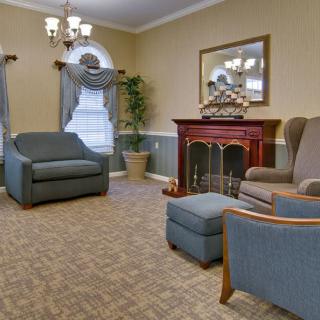
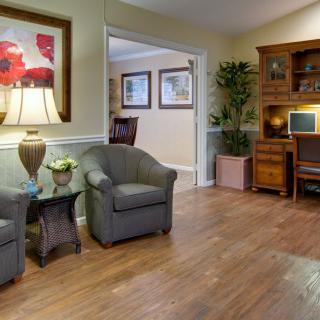
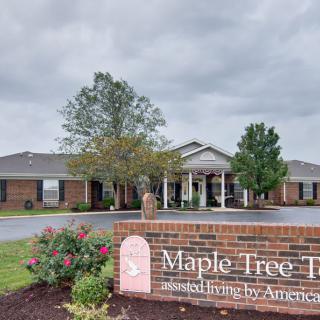
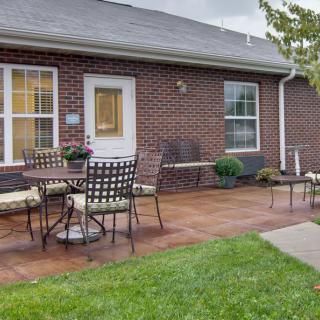
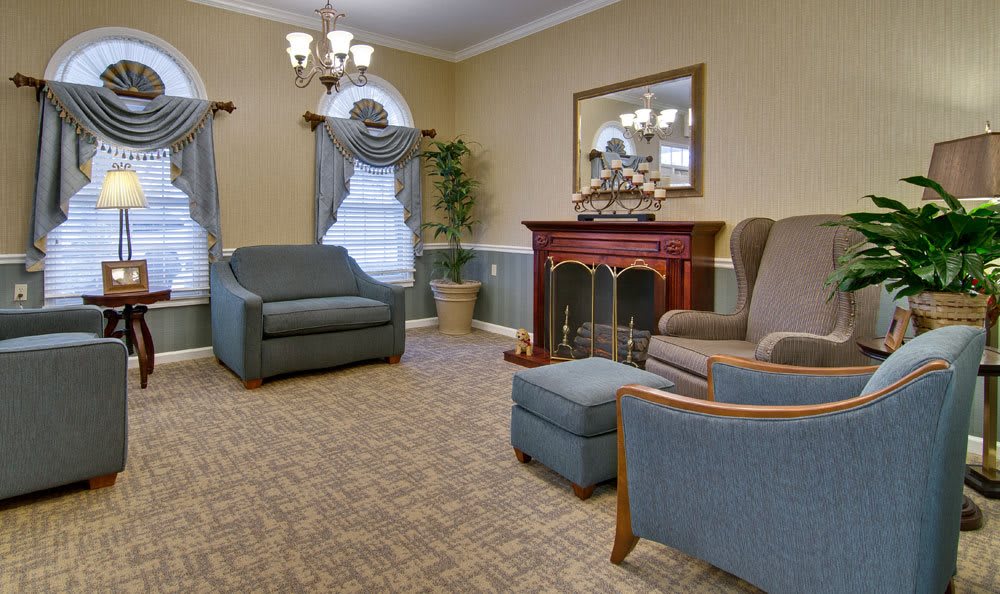
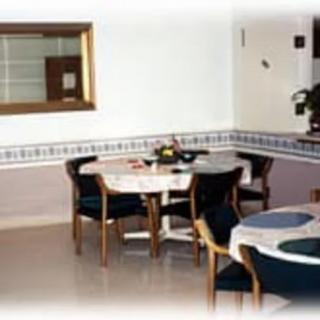
Maple Tree Terrace in Carthage, Missouri is best suited for families seeking a small, home-like assisted living experience where privacy and personal attention are a daily expectation. The community thrives when residents value private rooms (with options for a couple to share) and a dining environment that can flex to individual tastes. It suits households that want a warm, neighborly feel, a schedule that can adapt to personal routines, and staff who know residents by name. This is not a sprawling campus; it is a intimate setting where intimate care, rather than clinical formality, defines daily life. Those who need a highly modern facility, abundant outdoor space, or high-acuity medical care may find it less aligned with expectations.
There is an explicit caveat about staffing dynamics that potential movers should weigh. Several reviewers flag uneven behavior among front-line workers, including instances of rudeness or favoritism, and at least one note that some staff interactions could be improved. The strongest caution is the reminder to personally observe shifts, meet caregivers on duty, and assess whether the perceived warmth and responsiveness hold up under real-time demands. While these concerns are real in a subset of experiences, they exist alongside a steady stream of positive, people-first reports, making the facility a classic case of a strong core community with variability in day-to-day staffing.
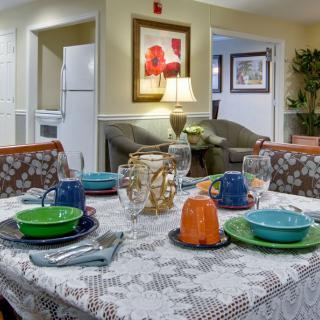
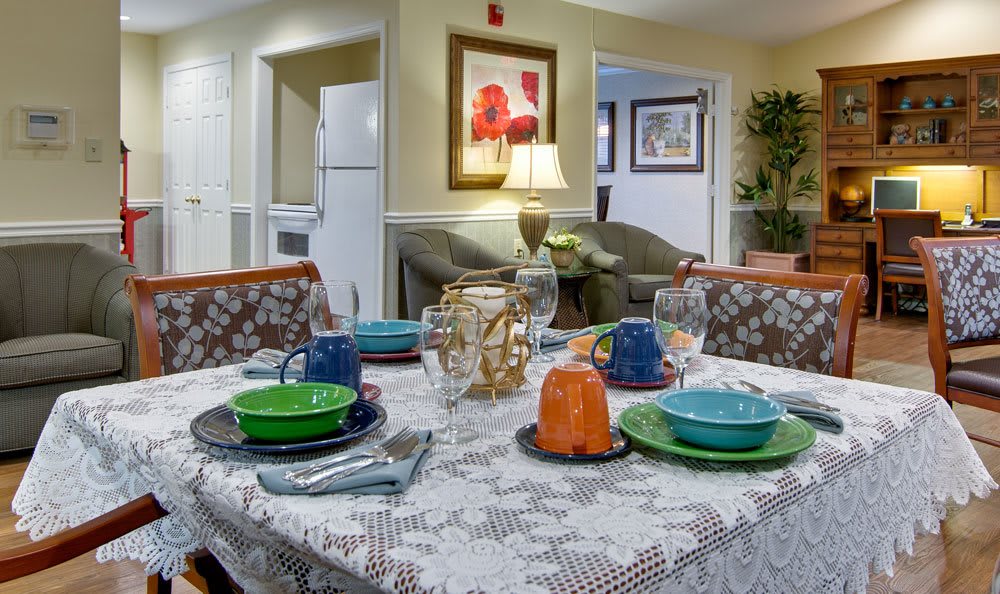
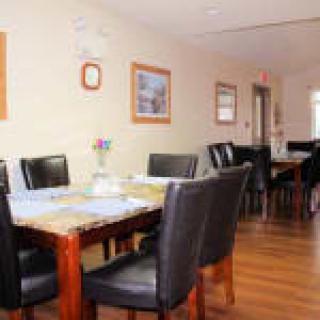
Against those concerns, the core advantages carry significant weight. The small size translates into a genuinely intimate feel, staff are more consistently present with residents, routines are easier to personalize, and communication tends to be direct and frequent. Tours and family members repeatedly describe a clean, safe environment where staff respond promptly to medical issues and where families feel informed. The culinary program stands out in many accounts, with meals that can be tailored to preferences and an emphasis on making dining a social, enjoyable part of the day. Activities are described as varied and engaging, supporting quality of life and daily purpose.
Room options further reinforce the practical appeal for many families. The mix includes smaller private rooms with private baths, which preserve dignity and privacy, along with larger two-bedroom suites that allow family involvement and social interaction in a shared space. The facility’s dog-friendly environment adds a gentle, therapeutic dimension for residents who benefit from animal companionship. The atmosphere is consistently described as welcoming and family-oriented, which helps families sleep better at night knowing their loved one is in a setting where staff try to accommodate individual rhythms and preferences.
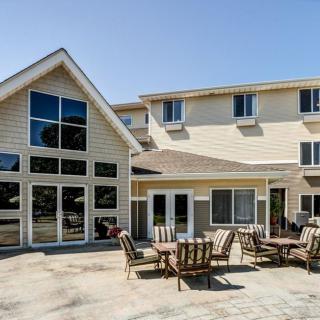
On balance, Maple Tree Terrace delivers a compelling value proposition for an audience that prizes personalization, a close-knit environment, and visible daily care over polish or expansive amenities. The main drawbacks, occasional staff friction, and the building’s older, less expansive footprint with no outdoor campus, are not minor, but they are offset by the strength of relationships, the attentiveness of caregivers, and the ability to customize daily life. Residents who thrive here tend to be those who value meaningful interactions, predictable routines, and a sense of “home,” rather than a glossy, resort-like experience.
For families choosing a path forward, the decision comes down to fit. If outdoor access, zero-tolerance for staff inconsistency, and the latest facility architecture are top priorities, alternatives should be explored. If, instead, a warm, personal environment with flexible dining, private living space, and a hands-on caregiving ethos is paramount, Maple Tree Terrace stands out as a well-founded option. Prospective movers should arrange multiple visits, meet front-line caregivers on different shifts, and request a candid tour of common areas and rooms to confirm that the day-to-day experience aligns with expectations. In the end, Maple Tree Terrace is a sound choice for those who want intimate community care with tangible warmth, balanced by a clear awareness of its staffing variability and older infrastructure.
 21 resident community capacity
 Studio apartments
 Assisted Living
 Skilled Nursing Facility
 Cats allowed
 Dogs allowed
 Activities off-site
 Air-conditioning
 Bath tubs
 Beautician on-site
 Cable or satellite TV
 Devotional services off-site
 Dining room
 Fully furnished
 Garden
 Ground floor units
 Handicap accessible
 Housekeeping services
 Indoor common areas
 Kitchenette
 Move-in coordination
 Outdoor common areas
 Resident parking
 Respite or short term stays offered
 Telephone
 VA Benefits Consultation
 Wheelchair accessible showers
 Wi-Fi/high-speed internet available
 Joplin Regional (11 miles away)
 24-hour call system
 Ambulatory care
 Assistance with bathing
 Assistance with dressing
 Assistance with transfers
 Diabetes diet
 Diabetic care
 Hospice care
 Incontinence care
 Meal preparation and service
 Medication management
 Mental wellness program
 Physical therapy
 Special dietary restrictions
 Transportation arrangement (medical)
 Transportation to doctors appointments
 Art classes
 Day trips and outings
 Educational speakers / life long learning
 Fitness programs
 Happy hour
 Karaoke
 Live musical performances
 Live well programs
 Trivia games
 Wii bowling
 English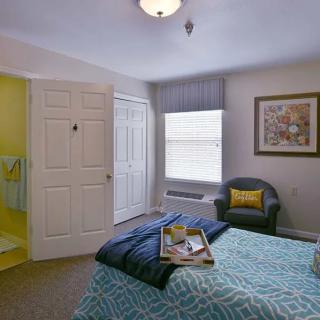

 When to Transition from Assisted Living to Memory Care: Key Indicators, Steps, and Finding the Right Community
 Assisted Living and Memory Care: Understanding Their Core Differences
 Beyond the Bingo Hall: 50+ Enriching Activities for Seniors in Assisted Living