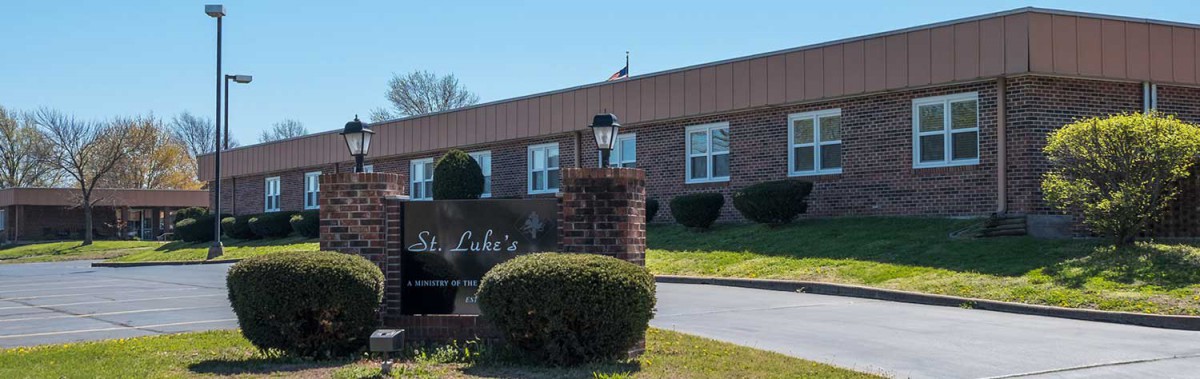
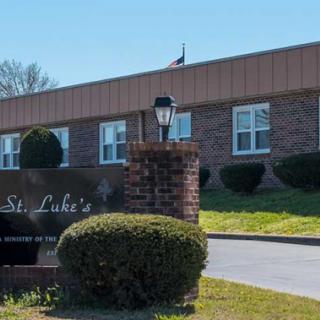

1220 E Fairview Ave, Carthage, MO 64836
To contact a resident: (417) 358-9084
For more information about senior living options: (866) 208-4318
St. Luke's Assisted Living Facility Costs & Pricing
St. Luke's Assisted Living Facility offers competitive pricing for its accommodations when compared to both Jasper County and the broader state of Missouri. For a studio room, residents can expect a monthly cost of $3,400, which is slightly above Jasper County's average of $3,004 but remains lower than the state average of $3,418. The one-bedroom option is priced at $4,200, notably higher than Jasper County's average of $2,896 yet still below the state's typical rate of $3,349. For those seeking more space, St. Luke's two-bedroom units are available at $4,900; this figure exceeds both local and statewide averages - $4,233 in Jasper County and $3,675 across Missouri - indicating that while St. Luke's offers quality care and amenities worth the investment, it may not always be the most economical choice within its market.
| Floor plans | St. Luke's Assisted Living Facility | Jasper County | Missouri |
|---|---|---|---|
| Studio | $3,400 | $3,004 | $3,418 |
| 1 Bedroom | $4,200 | $2,896 | $3,349 |
| 2 Bedrooms | $4,900 | $4,233 | $3,675 |
Assisted Living communities with a similar price nearby
-
from -$610 / mo
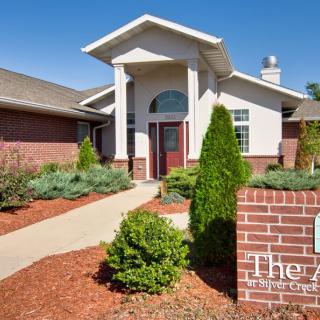
Silver Creek & Arbors at Silver Creek
$2,790 to $3,540 / month12.5 miles away -
from -$150 / mo

Webwood Assisted Living
$3,250 to $4,600 / month20.1 miles away -
About the same
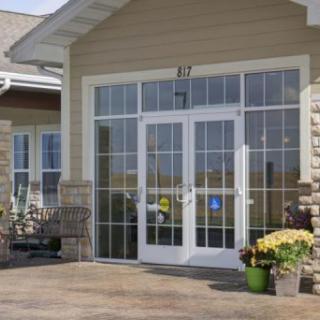
Oak Pointe of Neosho
$3,500 to $5,500 / month22.0 miles away -
About the same

Oak Pointe of Carthage
$3,500 to $5,500 / month1.1 miles away -
from -$300 / mo
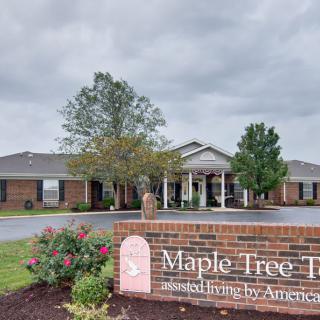
Maple Tree Terrace
$3,100 to $3,937 / month0.9 miles away
Overall Review of St. Luke's Assisted Living Facility
Pros
 The staff at St Luke's are kind, compassionate, and caring.
- The staff are diligent and do their jobs to the best of their ability.
- St Luke's is a wonderful facility for a loved one.
- The staff go above and beyond to provide attentive, loving care.
- The nurses and staff in the memory care unit are helpful and caring.
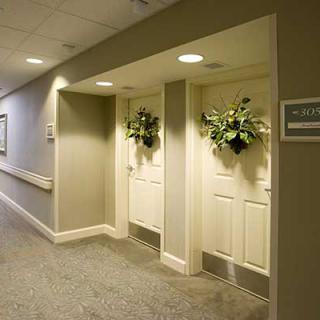
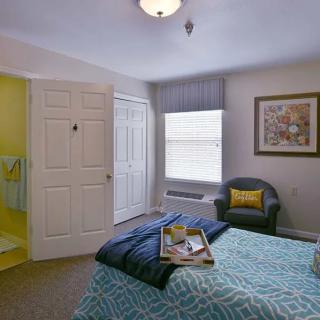
- St Luke's offers nice, well-maintained Assisted Living apartments with friendly, caring staff.
- The facility is an awesome place for residents to live, with a caring environment.
Cons
 The facility employs unlicensed personnel in social services.
- The administration has no business running the facility.
- The facility's priorities are insane.
- The reviewer would not recommend the facility because of its administration.
- The administrator is a very rude individual.
- The facility never provides itemized bills when requested.
- Transportation for wheelchair-bound residents was inadequate due to a lack of licensed drivers.
- The kitchen staff are underpaid and hours have been cut, risking patient care.
- Kitchen staff reportedly do not clock in and work off the clock due to time constraints.
Review
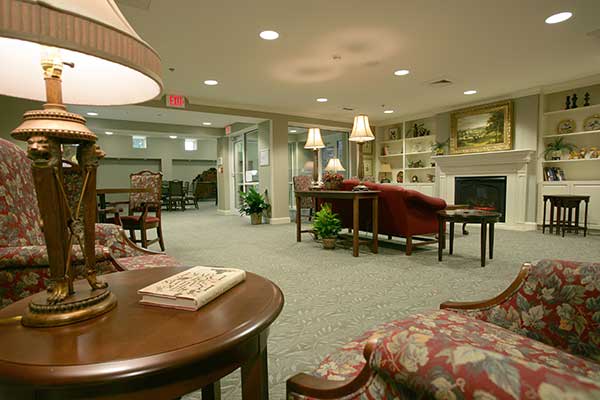
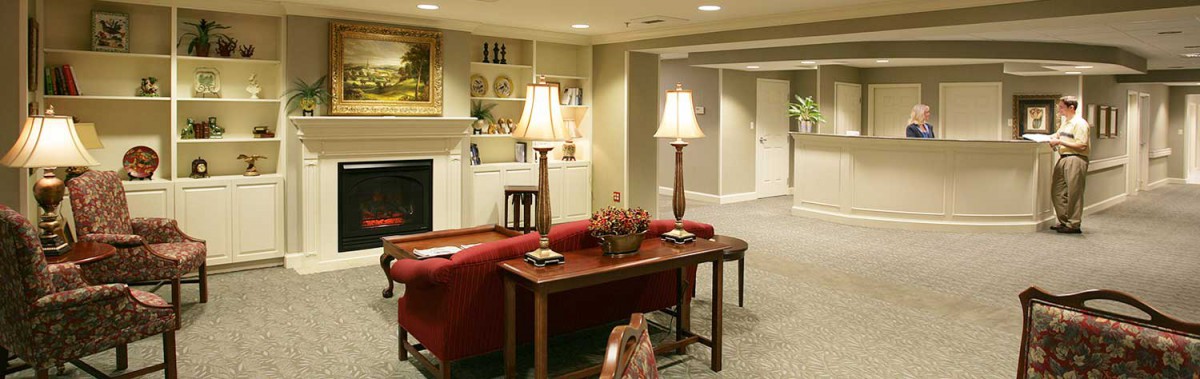
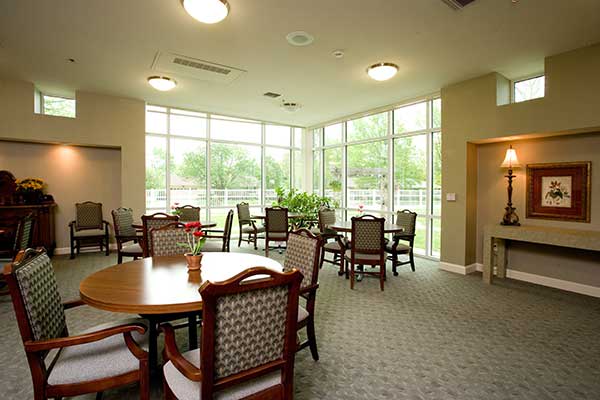
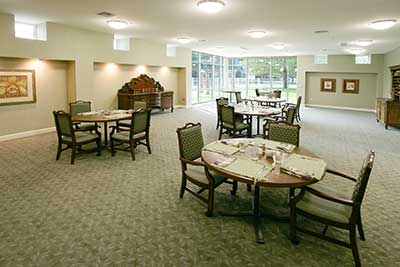
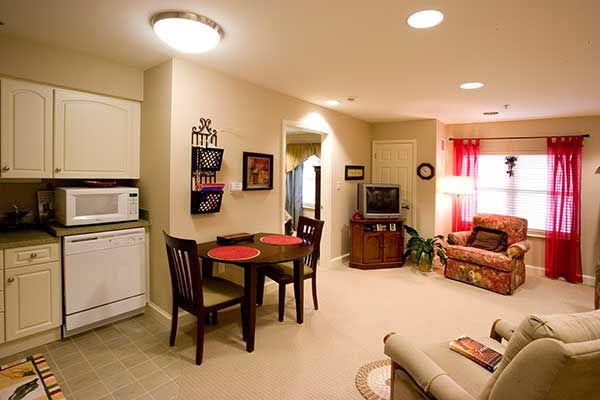
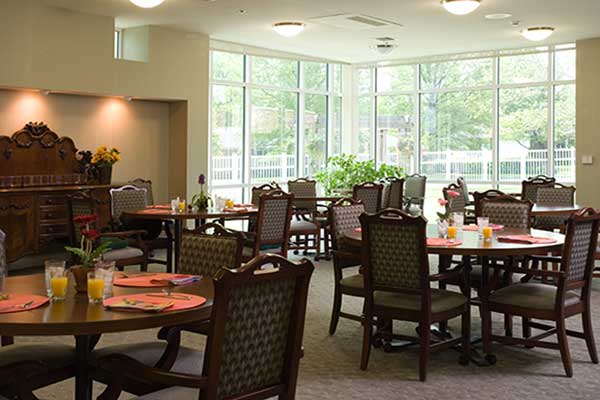
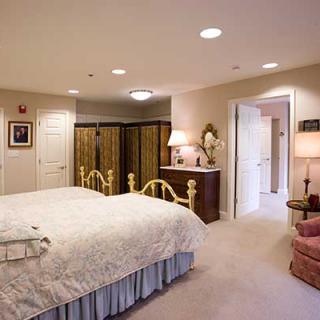
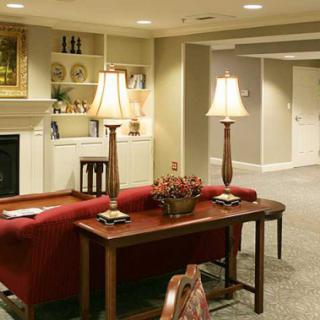
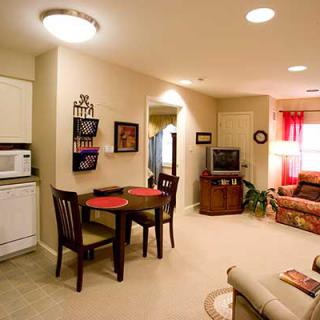
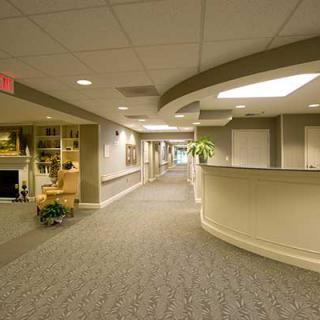
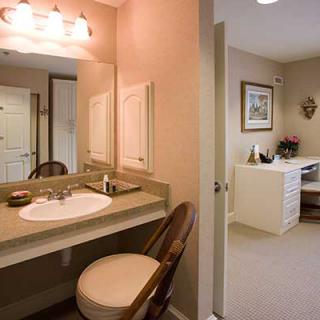
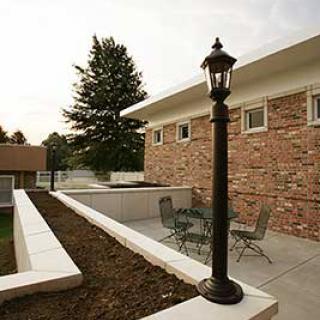
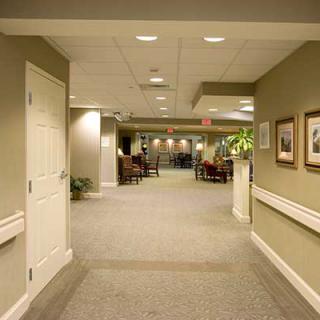
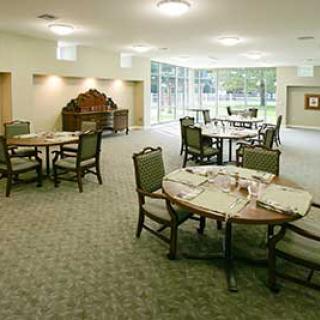
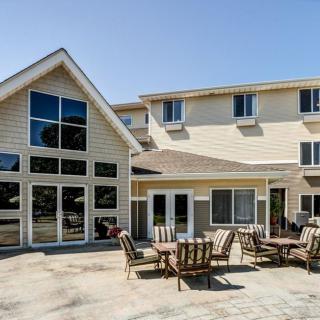
St. Luke’s Assisted Living Facility in Carthage, MO is best suited for families who prize tangible, compassionate daily care and a warm, personal touch in memory-care settings. The consensus from residents’ families is clear: the caregiving staff, nurses, aides, and support personnel, perform with genuine kindness, patience, and attentiveness. When a loved one needs hands-on support, these caregivers are perceived as the facility’s strongest asset, often going beyond basic duties to provide reassurance, comfort, and small acts of kindness that matter deeply to families. The living spaces and overall ambiance can feel well-kept and inviting, contributing to a sense of home rather than institutional routine. In short, for families seeking a resident-focused environment where care comes with a human connection, St. Luke’s delivers.
That said, serious caveats come with the package. Pros do not erase the reality of administrative friction that some families encounter. A subset of reviews flags the administration as a weak link, describing leadership as rude or out of touch and citing inconsistent or opaque processes around billing, oversight, and day-to-day operations. There are reports of unlicensed personnel handling critical social-services tasks and of moving appointments around without clear notice. Transportation also emerges as a recurring concern: even when transport is available, families report challenges with scheduling, driver licensing, and reliability. These administrative and operational gaps can complicate what should be straightforward decisions about care, finances, and logistics.
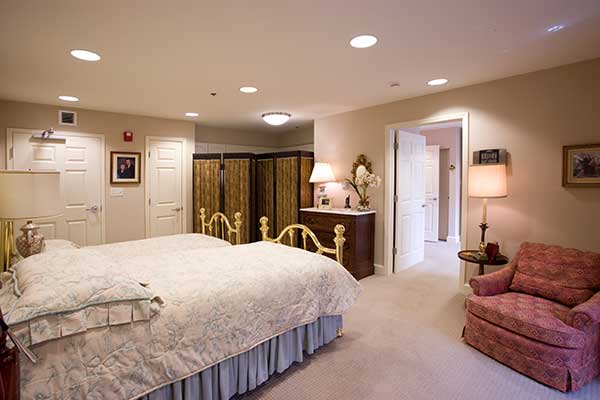
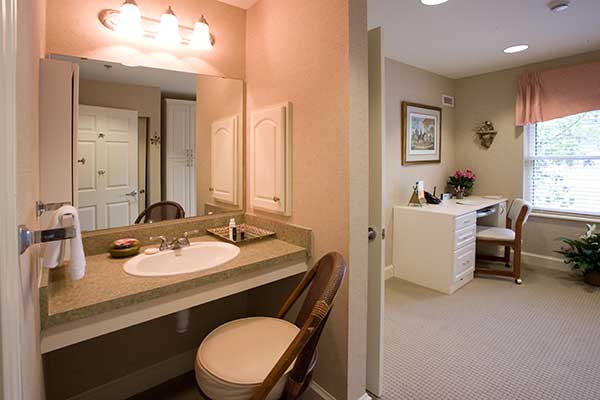
The key pros, especially the staff’s warmth and the genuine rapport they establish with residents, often offset a portion of these drawbacks for families who prioritize trust and bedside manners. When care teams show up consistently, communicate with families, and demonstrate proactive attention to a resident’s needs, families feel confident about day-to-day safety, comfort, and the emotional well-being of their loved ones. The memory-care nurses in particular receive repeated praise for their helpfulness and compassion, which can provide real peace of mind to families navigating difficult transitions. The overall quality of the living environment, including well-maintained apartments, can further support a positive daily experience, reducing agitation or stress for residents who respond well to familiar surroundings and routine.
Nevertheless, the administrative and operational gaps should not be dismissed. The most impactful way these gaps manifest is in unclear or delayed financials, nontransparent billing, and inconsistent service execution. If itemized bills are a requirement, or if families rely on predictable transportation and scheduled appointments, the current reports suggest these areas may require rigorous verification and ongoing follow-up. The tension between strong direct care and weaker administrative systems creates a situation where the care itself may be excellent, but the administrative experience can become a source of frustration or anxiety for families managing multiple aspects of a loved one’s care.
For families weighing options, a practical plan is essential. Start with a careful tour focused on care rhythms: observe how staff interact with residents, how quickly aides respond to call lights, and how well the memory-care unit maintains safety and dignity in daily routines. Ask for a transparent accounting demonstration: request a sample itemized bill, clarification on what is included in care fees, and a realistic picture of how billing cycles are managed. Probe transportation logistics in depth: who can drive, how often vehicles run, what licensing and background checks are standard, and what backup options exist when schedules slip. Inquire about how social-services tasks are assigned and supervised, and who oversees administrative functions that directly affect resident experience.
Ultimately, this community works best for families who value a deeply caring front-line staff and a home-like atmosphere, and who are prepared to engage proactively with administration to keep operations aligned with expectations. It is less well suited for those who require flawless administrative execution, pristine transparency in billing, and consistently reliable transportation without exception. In the Carthage area, if the priority is a warm, person-centered care team and a setting that feels like a family environment for a memory-care resident, St. Luke’s is a credible, compelling option. If those administrative reliability and financial transparency standards are non-negotiable, it is prudent to explore alternatives and compare how other facilities balance care quality with governance and logistics.
In the end, the decision hinges on balancing heart and process. The care a loved one receives at St. Luke’s can be outstanding, especially from nurses and aides who make daily living easier and more comforting. Yet the experience can be hampered by administrative friction and operational inconsistencies that complicate billing, scheduling, and transportation. Families able to foreground the care relationship, actively engage with administrators, and demand clear, documented processes will find St. Luke’s a solid fit. Those who cannot tolerate recurring administrative ambiguity or who need a rock-solid, trigger-free logistics backbone should consider alternatives while keeping an eye on similar centers with stronger governance. The right choice will align both the human connection and the operational spine of the facility with the resident’s care goals.
 Assisted Living
 Activities on-site
 Air-conditioning
 Cable or satellite TV
 Devotional services off-site
 Ground floor units
 Handicap accessible
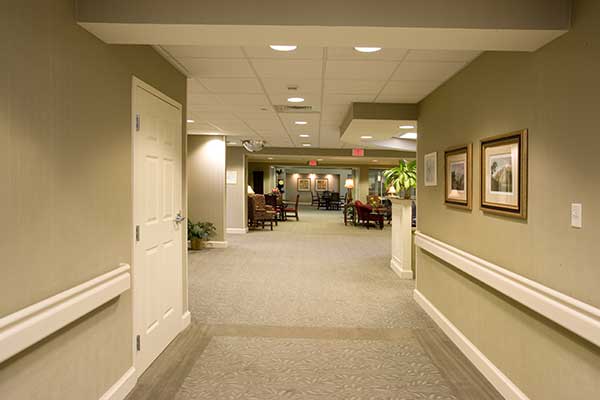
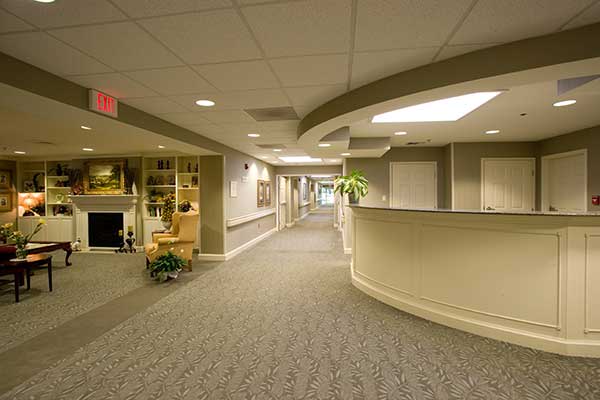
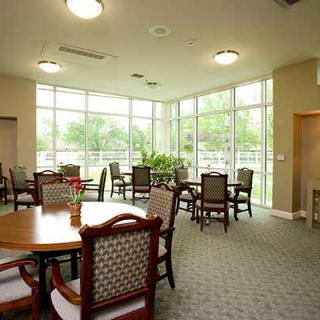
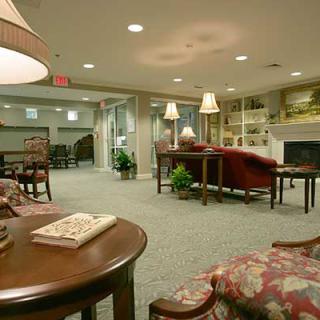
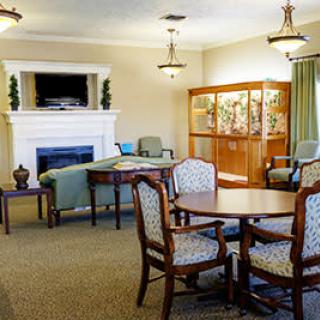
 Indoor common areas
 Kitchenette
 Wheelchair accessible showers
 Wi-Fi/high-speed internet available
 Joplin Regional (11 miles away)
 Ambulatory care
 Diabetic care
 Medication management
 Meals provided



 Understanding the True Cost of Assisted Living in 2025: A Comprehensive Guide
 Understanding Medicaid Coverage for Assisted Living: A Comprehensive Guide
 How and When Medicaid May Cover Assisted Living Costs