


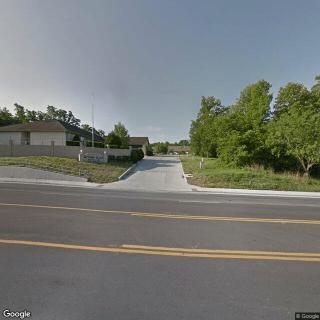
122 W 4th Street, Carthage, MO 64836
To contact a resident: (417) 310-1280
For more information about senior living options: (866) 208-4318
Overall Review of ComForCare Senior Services - SW Missouri
Pros
 The employees are very nice.
- It is a great place with nice people.
- They provide tax services for seniors.
- The center helps seniors exercise and stay active.
- The people, the food, and the manager are very nice.
- It is a great place for seniors.
- The facility is very nice and the staff is friendly.
- It feels like a home away from home.
- The caregivers go above and beyond; they are helpful, cook, clean, and do activities with residents, and they communicate well.
- Beth ensures that the seniors in Carthage have a safe and happy environment.
Cons
 The portion size is very small, leaving guests hungry.
- Guests are left hungry half of the time.
- There were early communication issues.
Review
ComForCare Senior Services in Carthage is best suited for active, socially oriented seniors who want a warm, home-like community with dependable staff and light-to-moderate daily assistance. The environment reads as clean, welcoming, and resident-focused, with a clear emphasis on companionship, easy access to activities, and practical help with daily living. Residents who value daily interaction, bingo, upbeat staff, group exercise, and opportunities to socialize, will likely flourish here. The staff’s hands-on approach and the sense that the center operates as a supportive extended family make it a compelling fit for those prioritizing connection and routine over clinical intensity.
Those needing intensive medical oversight, 24/7 nursing, or consistently generous meal portions should consider alternatives. The reviews reflect strong social programming and attentive caregivers, but the occasional concern about meal size signals that this community may not satisfy appetite-heavy residents or those requiring high-calorie diets. Families seeking a quieter, less activity-driven environment or someone who needs constant, high-level medical supervision may prefer settings with more robust clinical staffing and higher-meal-volume dining. In short, medical acuity and dining scale are the primary factors that could push some families toward other options.
On balance, the key strengths offset the drawbacks in meaningful, practical ways. The most consistent praise centers on the people: Beth and the co-manager Joe are described as trustworthy, hands-on leaders who keep the environment safe and cheerful. Caregivers who visit to assist with cooking, cleaning, and activities, along with staff who actively coordinate outings and in-house programming, create a dependable, home-like rhythm. The facility’s cleanliness, safety, and emphasis on social engagement help compensate for the occasional meal-size complaint, because residents stay mentally and socially connected, which is often as important as calories for quality of life.
Another offsetting factor is the proactive communication and transparency demonstrated over time. Early hiccups in communication reportedly gave way to more reliable updates, and the team’s willingness to adapt signals a responsive culture. Families can expect ongoing interaction about residents’ activities, needs, and daily progress, which reduces uncertainty for those balancing caregiving roles from afar. The combination of engaged staff, clear leadership, and a cultivated social calendar makes it easier to accept smaller portions in exchange for a bustling, supportive daily routine.
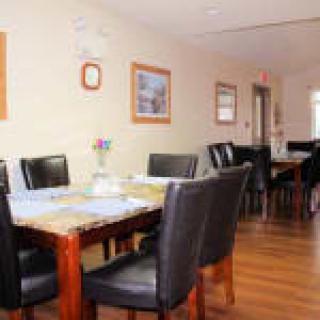
The living environment itself reinforces the practical advantages. Descriptions of the facility as “my home away from home” and “very clean” carry real weight when evaluating daily life. The program structure, with regular exercise, social outings, and even services like beauty shop trips, helps residents maintain a sense of independence while benefiting from coordinated assistance. The social fabric, friendly fellow residents, accessible meals, and meaningful activities, often translates into better mood, reduced isolation, and steadier routines, which, in turn, support overall well-being even when dining portions aren’t oversized.
For families weighing the decision, a clear action path emerges. Schedule a door-to-door visit to observe meal service and ask for current sample menus to gauge portion sizes and nutritional content. Inquire about staffing ratios during peak hours and the cadence of caregiver communication with families. Verify transportation options for errands and appointments, and request candid stories from current residents or families about their experiences with meals and activity variety. If a high level of medical supervision, large meal portions, or a quiet, low-key atmosphere is essential, the prudent move is to explore alternatives. For those prioritizing a vibrant, compassionate community where staff truly knows residents and daily life remains active, ComForCare in Carthage stands out as a strong, dependable choice.
 Joplin Regional (10 miles away)
 Anytime dining


 A Closer Look at Private Pay Home Care
 Comprehensive Approaches for Arthritis: A Detailed Guide to Symptoms, Causes, and Care
 Comprehensive Insights and Practical Strategies to Help Older Adults Avoid Falls