930 North East Duncan Road, Blue Springs, MO 64014
For more information about senior living options: (866) 208-4318
3.3 from 51 reviews
5 stars
24
4 stars
5
3 stars
3
2 stars
1
1 stars
18
Overall Review of Shangri La Rehab & Living Center
caveat10 reviews mention this
Care concerns and safety issues
Several reviews describe serious lapses in attention and outcomes.
Many of the negative reviews focus on delayed or inadequate care, including reports of bed sores and worsening wounds that led to emergency care, ICU, or repeated hospital trips. A few reviews also describe residents being left in soiled conditions or experiencing falls with injuries. Residents’ families also cite staffing shortages and problems getting timely responses when they call for help.
common15 reviews mention this
Staff support varies by review
Residents and families frequently mention staff who provide attentive, respectful care.
Positive reviews repeatedly describe caregivers who are on the floor, responsive when families call, and careful with daily routines. Some reviews specifically mention medication handling and timely updates when a resident’s condition changes. At the same time, other reviews raise concerns about communication, short staffing, and whether basic needs are met when families seek assistance.
common6 reviews mention this
Dining is mixed, with strong opinions
Dining draws both compliments and complaints in reviews.
Some residents and families say the food is good or even “awesome,” and a few describe it as a positive part of day-to-day life. Other reviews call the meals the worst and say residents don’t get timely or appropriate food support. When dining comes up alongside care concerns, the criticism often extends to overall service responsiveness rather than only taste.
common2 reviews mention this
Activities keep residents engaged
Reviews mention scheduled activities that help keep residents engaged.
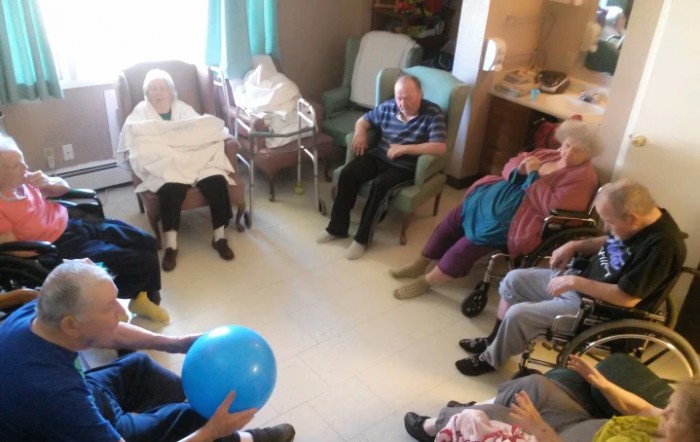
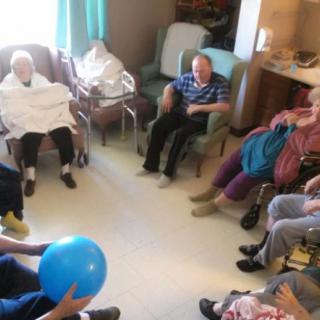
A couple of reviews highlight involvement in activities, including praise for an activities director who goes above and beyond. Other residents are described as enjoying the events that are offered, suggesting the community is making time for more than routine care. This theme aligns with the community’s offerings for daily scheduled activities and fitness programs.
common2 reviews mention this
Nearby everyday errands are close
Common errands and medical options are within a short drive.
Reviews don’t provide detailed commentary about errands, but the location places everyday destinations nearby. For families and visitors, restaurant options and pharmacies are also within roughly 1 mile, and a hospital is about 1 mile away.
How we summarize
Counts show how many written reviews mention each theme; a review can touch several themes, and only frequently mentioned themes are displayed.
Features
Housing
120 resident community capacity
Types of Care
Assisted Living
Skilled Nursing Facility
Amenities
Air-conditioning
Beauty salon
Cable or satellite TV
Computer center
Dining room
Fitness room
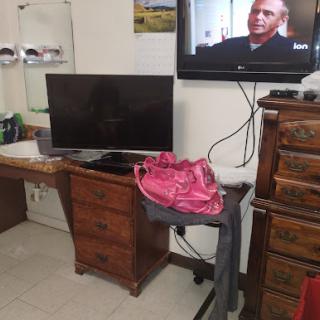
Fully furnished
Gaming room
Garden
Housekeeping services
Kitchenette
Move-in coordination
Outdoor space
Private bathrooms
Restaurant-style dining
Small library
Telephone
Wellness center
Wi-Fi/high-speed internet available
Transportation
Community operated transportation
Transportation arrangement
Care Services
24-hour call system
24-hour supervision
Activities of daily living assistance
Assistance with bathing
Assistance with dressing
Assistance with transfers
Diabetes diet
Meal preparation and service
Medication management
Special dietary restrictions
Dining
Diabetes diet
Special dietary restrictions
Activities
Community-sponsored activities
Concierge services
Fitness programs
Planned day trips
Resident-run activities
Scheduled daily activities
Nearby Places of Interest
Restaurants
Olive Garden (0.7 miles)
Chick-Fil-A (0.7 miles)
Burger King (0.8 miles)
Raising Cane's Chicken Fingers (0.8 miles)
Custard's Last Stand (1.1 miles)
Sonic Drive-In (1.3 miles)
The Big Biscuit (1.5 miles)
Pharmacies
Walmart Pharmacy (0.7 miles)
CVS Pharmacy (0.9 miles)
Walgreens (1.1 miles)
CVS Pharmacy (3 miles)
Red Cross Pharmacy (3.2 miles)
Walgreens (3.6 miles)
CVS Pharmacy (3.7 miles)
Physicians
Powers Family Medicine (1 miles)
Kansas City Cardiology Associates (1 miles)
Kansas City Orthopedic Surgical Consultants (1.1 miles)
Healthcare For Women (1.2 miles)
Blue Springs Internal Medicine (1.2 miles)
White Oak Psychiatric Services (1.5 miles)
Serafini Medical Center (1.7 miles)
Hospitals
St Mary's Hospital (1 miles)
Research Hospital (1.3 miles)
Carondelot Health (2.1 miles)
Truman Medical Center Lakewood (8.8 miles)
Cafes
Lamar's Donuts (1.3 miles)
Starbucks (1.4 miles)
Middle Ground Coffee (2.1 miles)
Corner Cafe (4.9 miles)
Scotters Coffee (7.5 miles)
Starbucks (8.1 miles)
Parks
Blue Springs Park (2.6 miles)
Keystone Park (3 miles)
Armstrong Park (3.2 miles)
Transportation
East Kansas City Airport (2.7 miles)
Places of Worship
Church of Jesus Christ of Latter Day Saints (3.1 miles)
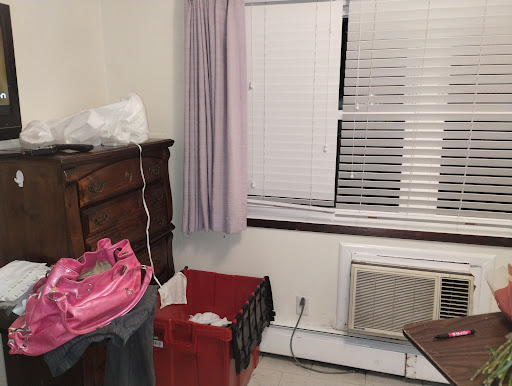
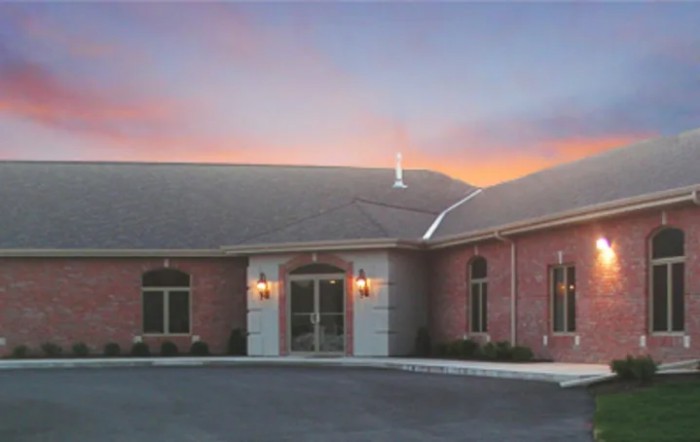
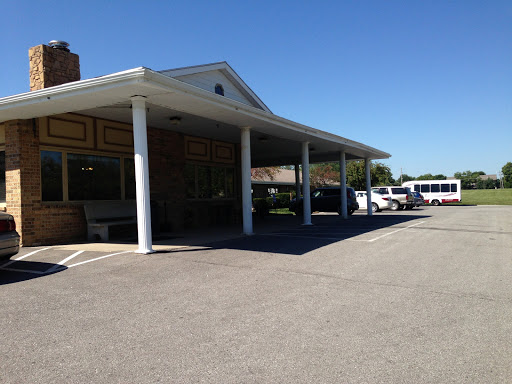
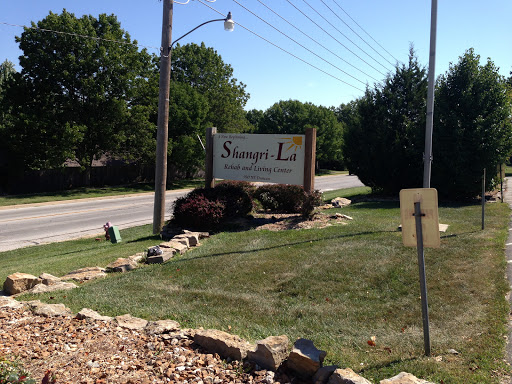
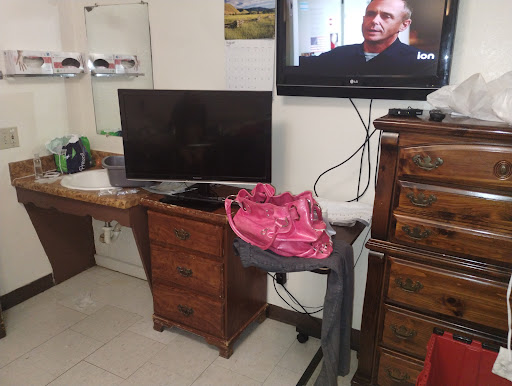
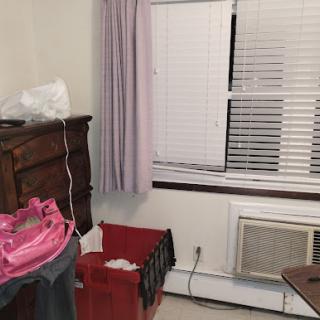
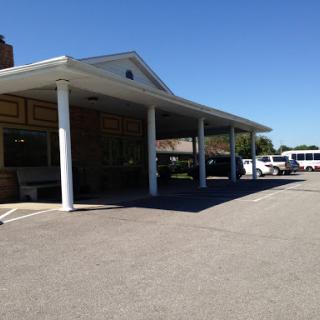
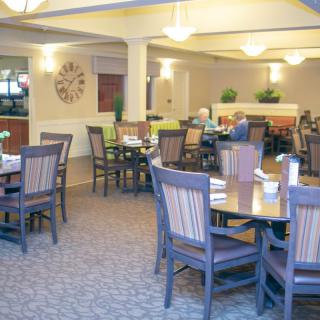
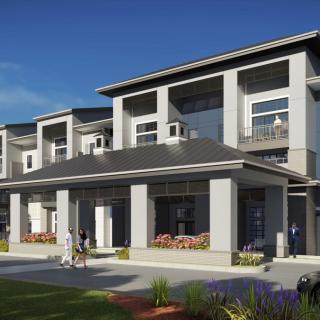
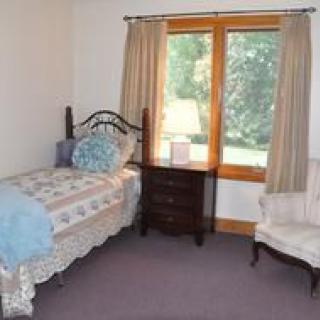
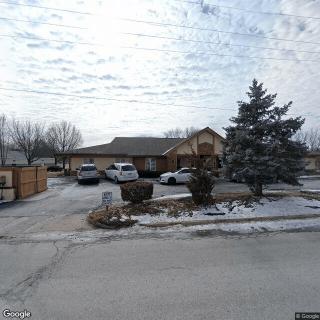
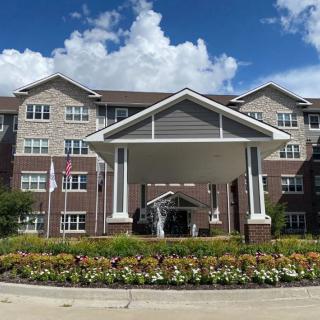
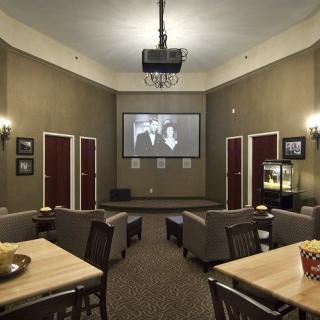
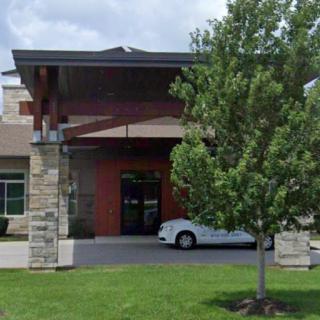
Shangri La Rehab & Living Center on seniors.fyi includes 6 photos including images showing building, exterior, architecture, parking, outdoors, road, landscaping, outdoor, and more.
Nearby Communities
Ignite Medical Resort St Mary's
Blue Springs, MO
4.4 from 115 reviews
$3,171 to $5,142 / month
Caring staff and a welcoming, social environment.
St. Mary's Village
Blue Springs, MO
4.6 from 125 reviews
Clean, odor-free facility with friendly staff, engaging activities, and affordable options.
The Parkway Senior Living
Blue Springs, MO
4.4 from 202 reviews
$2,330 to $3,880 / month
Strong memory-care focus with engaging activities and caring staff.
Novel Place Blue Springs
Blue Springs, MO
4.8 from 102 reviews
$1,460 to $2,900 / month
Friendly staff, welcoming atmosphere, engaging activities, and convenient location with well-maintained amenities.
Waterford Ladies Home
Blue Springs, MO
3.7 from 14 reviews
Small, intimate community with personalized care and restaurant-style dining.
Waterford Ladies
Blue Springs, MO
3.3 from 6 reviews
$2,015 to $2,315 / month
Competitive pricing for semi-private and studio options with specialized diabetic care and engaging activities.
The Gardens at Jackson Creek
Independence, MO
4.6 from 101 reviews
$1,195 to $1,295 / month
Clean, inviting environment with friendly staff and engaging resident activities.
Villages Of Jackson Creek
Independence, MO
3.5 from 104 reviews
Friendly, attentive staff and a safe, welcoming environment with engaging activities.
Sunterra Springs Independence
Independence, MO
3.7 from 121 reviews
Excellent cleanliness, skilled staff, and a pleasant dining area.
Assisted living for adults with disabilities has transformed to provide personalized care and support services aimed at improving residents' quality of life while balancing independence and assistance. However, low-income individuals often face challenges in affording these services, requiring navigation of various financial resources and advocacy for better policies and solutions.
Assisted living facilities provide support for older adults needing help with daily activities without extensive medical care, but their costs can be high and vary by location and services offered. Families often seek various funding options and financial strategies to manage these expenses effectively while considering future needs and potential price increases.
The article discusses assisted living expenses, the importance of long-term care insurance in covering these costs, and various financing options, highlighting the need for careful policy review and early planning to address potential needs. It also clarifies common misconceptions about Medicare and private health insurance limitations regarding long-term care coverage.
Get PricingAsk A QuestionSchedule A TourContact Senior Advisor
By clicking submit, you agree to our Partner's Terms of Use. You
also consent to receive calls and texts, which may be autodialed, from our Partner. Your consent is not a condition to
using our Partner's service. Please visit our Partner's Privacy Policy for information about their privacy practices.



 120 resident community capacity
 Assisted Living
 Skilled Nursing Facility
 Air-conditioning
 Beauty salon
 Cable or satellite TV
 Computer center
 Dining room
 Fitness room
 Fully furnished
 Gaming room
 Garden
 Housekeeping services
 Kitchenette
 Move-in coordination
 Outdoor space
 Private bathrooms
 Restaurant-style dining
 Small library
 Telephone
 Wellness center
 Wi-Fi/high-speed internet available
 Community operated transportation
 24-hour call system
 Activities of daily living assistance
 Assistance with bathing
 Assistance with dressing
 Assistance with transfers
 Diabetes diet
 Medication management
 Special dietary restrictions
 Concierge services
 Planned day trips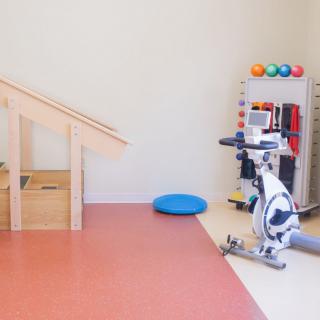
 Caring staff and a welcoming, social environment.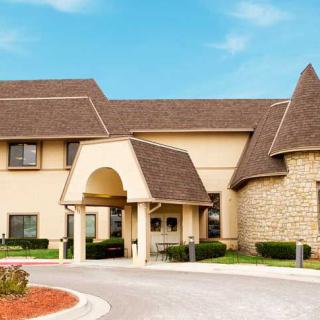
 Comprehensive Supportive Living Arrangements for Adults with Disabilities
 Funding and Affording Assisted Living: A Thorough Overview
 Assisted Living Expenses and Long-Term Care Insurance: A Comprehensive Exploration