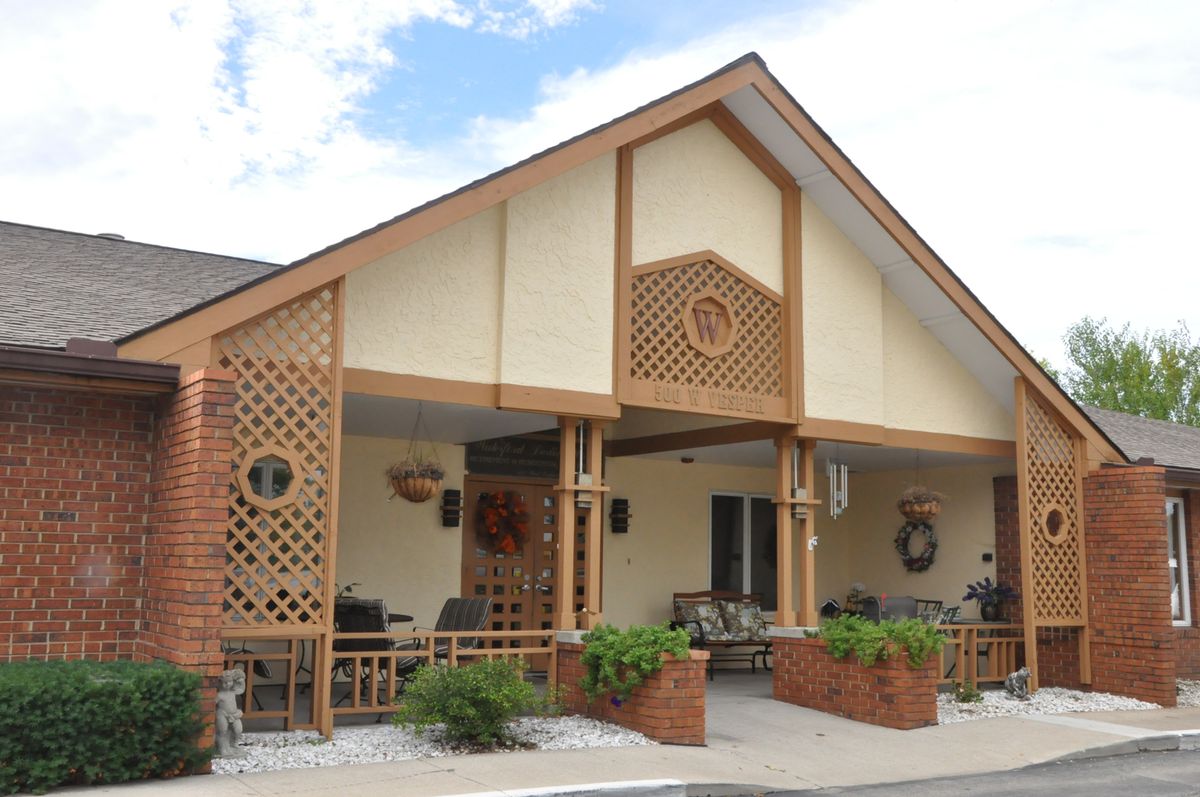
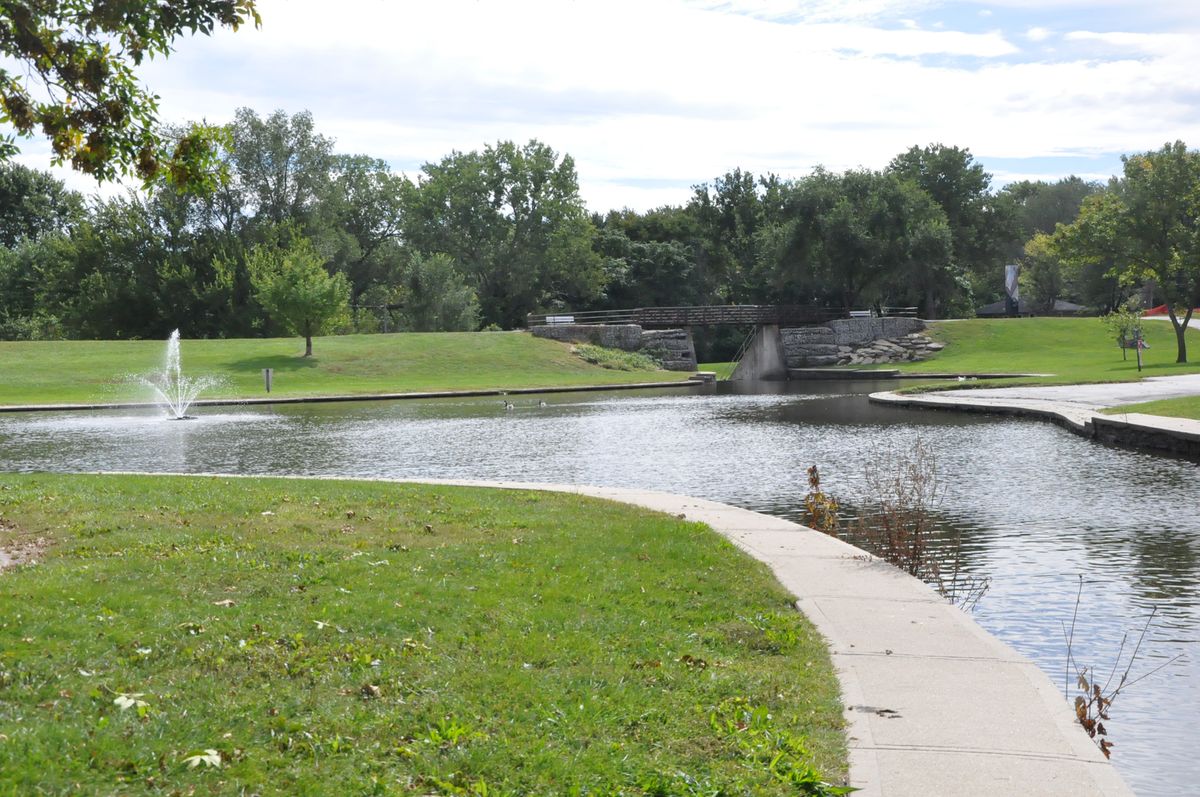
500 North West Vesper Street, Blue Springs, MO 64014
For more information about senior living options: (866) 208-4318
Overall Review of Waterford Ladies Home
Pros
 The facility was a pleasure to visit, clean with no odors, and the staff were sweet and helpful.
- The staff were great and patient with her, providing reassuring care.
- Waterford was well taken care of, with a welcoming atmosphere, good food, and laundry done.
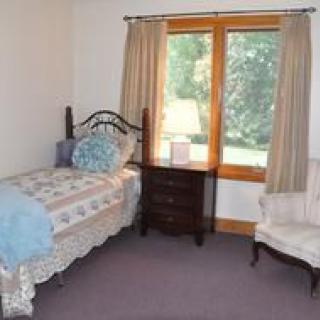
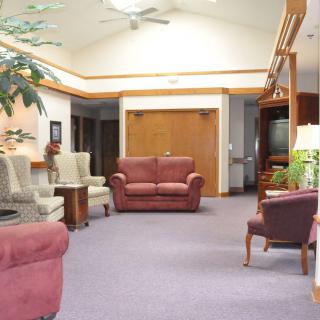
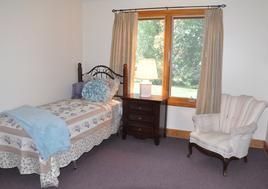
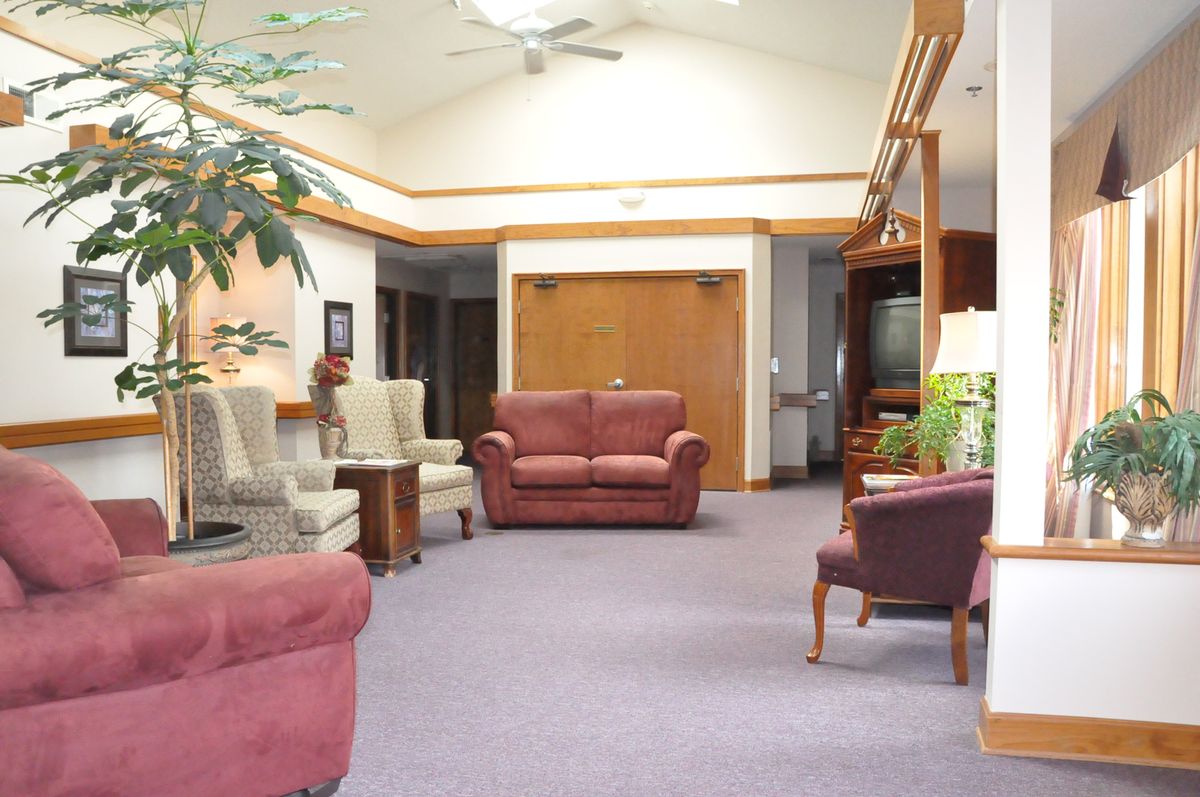
- The setting was small and homey, with a family-like feel and accommodating staff and management.
- It was a cozy assisted living with a safe, secure environment and pleasant surroundings.
Cons
 The facility had a horrible smell when someone went inside.
- There were bugs crawling around the rooms.
- The bathrooms smelled terrible and looked worse.
- The employees were cussing and screaming at everyone.
- There was no supervision; people were around unsupervised.
- The ceiling in her mom's room cracked across during the cold spell, leading to an abrupt move.
- Abuse was happening and was being swept under the rug by the director.
- The director caused two deaths there.
Review
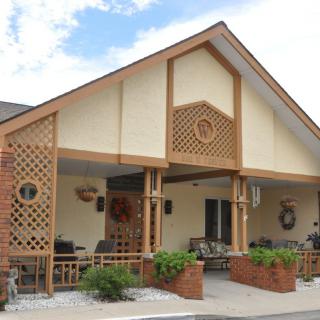
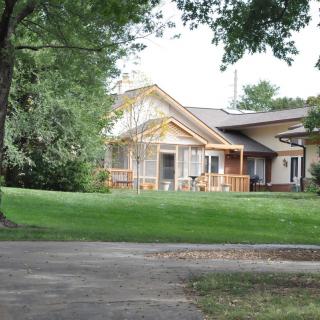
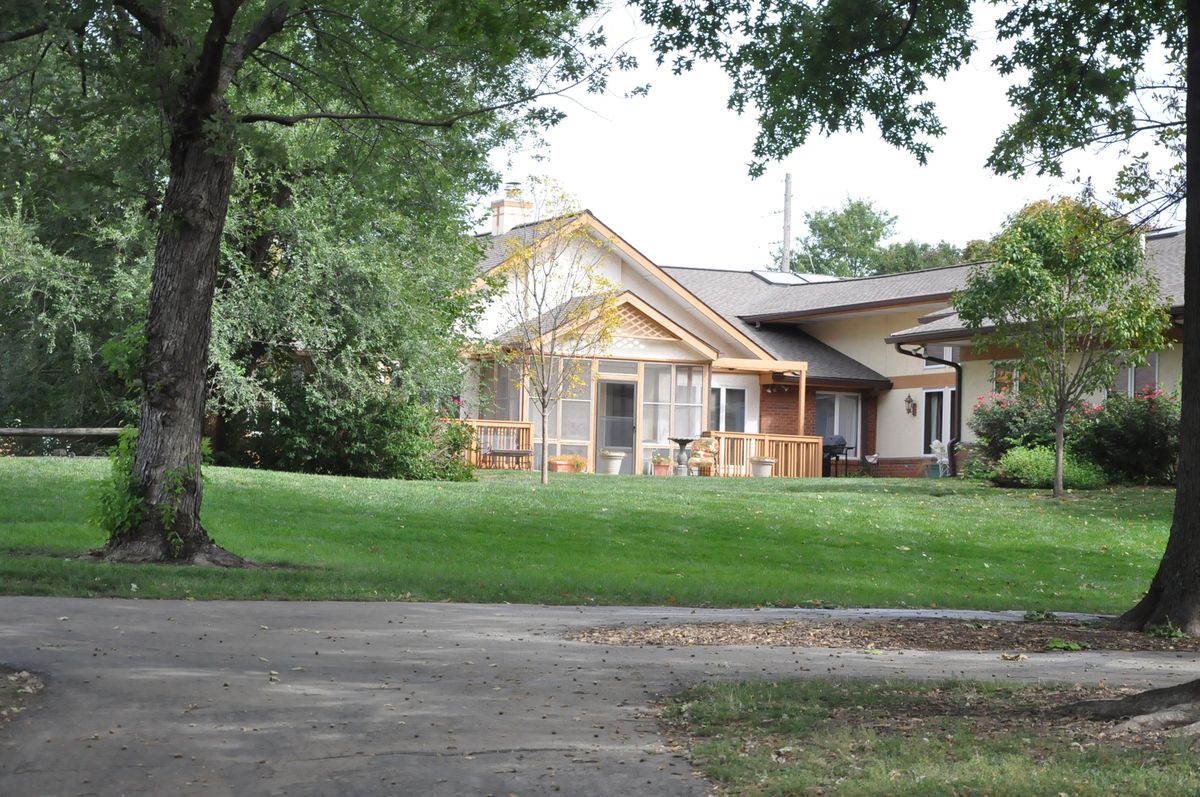
Waterford Ladies Home in Blue Springs, MO is best suited for families seeking a small, intimate, ladies-only assisted living that feels more like a familiar house than a medical facility. The setting appeals to those who prize a homelike atmosphere, personal attention, and a community where staff members seem readily known by name and able to respond with warmth. It works best for residents who can benefit from close, hands-on caregiving in a contained, quiet environment and for families who plan to stay actively involved, visiting often and participating in daily routines. The smaller scale and park-view porch area can be comforting for residents who value privacy and a sense of belonging, rather than a bustling, larger campus. Still, this is not a place built for residents requiring high-intensity medical oversight or aggressive safety protocols, nor for those who demand a consistently pristine, fully modern setting.
Those weighing alternatives should take particular note of two core realities surfaced in the reviews. First, stability in leadership and a transparent safety culture appear to be major risk factors for this community. Multiple accounts allege abuse, management mishandling, or neglect at the highest levels, with one reviewer asserting the director was involved in fatal outcomes. Such claims, whether fully verifiable or not by every reader, create a strong signal that the facility may struggle with leadership accountability and crisis response. Second, cleanliness and day-to-day safety have been inconsistent across experiences, including reports of strong odors, pest presence, and unsupervised residents, coupled with interruptions to residents’ rooms and relocations caused by structural concerns. Families prioritizing meticulous cleanliness, predictable supervision, and unambiguous safety assurances will want to consider other options first.
The positives at Waterford, where they show up, tend to be meaningful for the right resident. Reviews consistently describe staff as kind, patient, and accessible, with families feeling welcomed and treated as part of the household. Several residents thrived in a smaller, more homey environment where meals and laundry were noted as well handled, and where the back yard and porch offered a peaceful space to watch the park and interact with visitors. The sense of family and the forward momentum of caregiver engagement can translate into genuine comfort for residents who are not aggressively challenging or medically complex. In settings like this, the intimate scale can foster trust and continuity of care when leadership is steady and staff turnover is low, allowing families to build a trusted routine around a familiar caregiving team.
Yet those same strengths are vulnerable to the same underlying weaknesses that undercut the upside. The most consequential concerns involve safety, supervision, and leadership behavior. When residents are seen unsupervised or when staff interactions include cursing or shouting, the tone of care quickly shifts from supportive to destabilizing, eroding trust with families and diminishing residents’ sense of security. The serious allegations about abuse and the implication of the director in harmful outcomes cannot be dismissed lightly. Even if some families report positive experiences, these credibility signals demand rigorous verification through independent records and firsthand scrutiny, because the risk of repeating past issues could outweigh any comfort drawn from a cozy atmosphere or a friendly dining room.
For families actively evaluating Waterford, a disciplined due-diligence path is essential. Arrange multiple tours at different hours to observe resident interactions, staff responsiveness, and supervision levels in real time. Request copies of state inspection reports, licensing history, and any corrective action plans. Speak directly with the administrator, and insist on meeting current residents and family members who are willing to share unfiltered experiences. Probe for specifics on dementia and memory-care capabilities, how care plans are developed, who implements them, and how crisis situations are managed. Ask about staffing ratios, turnover, and ongoing training; demand concrete examples of how concerns are escalated and resolved. If possible, consider a short-term stay or respite option to test compatibility with the resident’s routines and needs before committing to a longer-term arrangement.
The verdict is nuanced: Waterford Ladies Home can be a good fit for a family seeking a small, intimate, ladies-only setting with attentive, personable staff, especially when the resident’s needs align with a home-like care model and family involvement is high. However, the notable and credible concerns about abuse allegations, leadership accountability, safety gaps, and cleanliness cannot be ignored. Families prioritizing transparent governance, robust supervision, and a consistently clean, well-run environment should approach Waterford with strong due diligence and a clearly defined set of expectations, and should likely prioritize alternatives that offer longer track records of safety and memory-care stability. If Waterford is contemplated, demand a thorough orientation, a transparent plan for oversight, and a trial period that allows for close observation of how the community handles day-to-day care, emergencies, and resident comfort.
 27 resident community capacity
 Independent Living
 Beauty salon
 Cable or satellite TV
 Dining room
 Fully furnished
 Garden
 Housekeeping services
 Kitchenette
 Move-in coordination
 Outdoor space
 Restaurant-style dining
 Small library
 Telephone
 Wi-Fi/high-speed internet available
 24-hour call system
 Assistance with dressing
 Medication management
 Mental wellness program
 Diabetes diet
 Special dietary restrictions
 Community-sponsored activities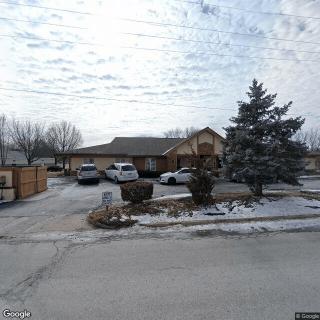



 Comprehensive Insights into Palliative Home Care: What It Is and What to Expect
 Skilled Nursing Facilities vs. Nursing Homes: Making Sense of the Differences
 A Detailed Examination of Nursing Home Costs Across the U.S.