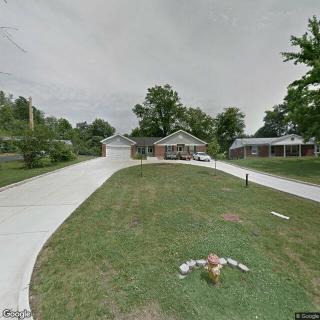
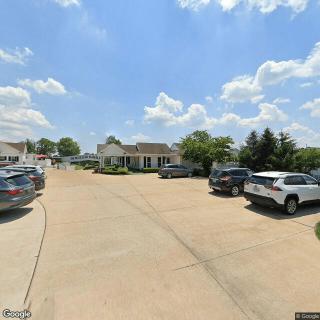
UNION CARE CENTER

437 Sovereign Court, TUSCALOOSA, MO 63011

For more information about senior living options: (844) 490-3973

3.5 from 31 reviews
5 stars
19
4 stars
1
3 stars
0
2 stars
0
1 stars
11

Assisted Living Memory Care

What level of care are you interested in?

Assisted Living

Memory Care

Independent Living

Skilled Nursing Facility

Continuing Care Retirement Community (CCRC)CCRC

Other


Request a tour at UNION CARE CENTER

    Overall Review of UNION CARE CENTER

    Pros

    • pro The staff is very kind and treats residents like family.
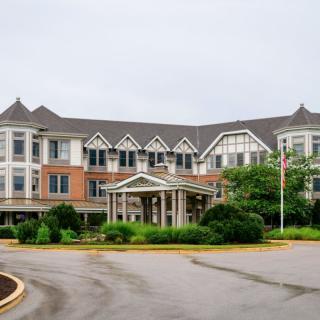
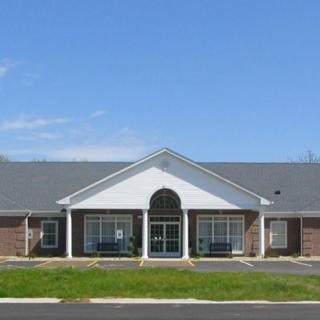
    • pro The facility is well-maintained and makes a positive first impression, with nurses introducing themselves.
    • pro Management is compassionate, and warm greetings come from the front desk through therapy and nursing care.
    • pro The staff is loving, caring, and like a family.
    • pro Union Care Center is a beautiful facility where the staff are caring, knowledgeable, and always willing to help and answer questions.
    • pro The administrator and the DON are hands-on and supportive on the floor, helping staff and residents.
    • pro The facility is described as the best and a blessing to families, with staff going above and beyond to please residents.
    • pro The new location includes physical therapy with a whirlpool and a friendly staff.

    Cons

    • pro The place is described as a joke, with no one showing up on time for shifts and management lacking respect.
    • pro It is claimed that the facility promises constant checkups but leaves residents in hallways for hours without proper care, citing short staffing and inhumane treatment.
    • pro Some reviewers label the facility as con artists.
    • pro The staff are described as unfriendly and rude, with upper management punishing residents who speak up.
    • pro Security is inadequate, as a resident could walk right out the front door.
    • pro The facility is described as horrible, with overworked and underpaid staff and poor staff retention.
    • pro Care during the COVID-19 lockdown was questionable, and the facility was reported to the state twice; families are advised to stay away.
    • pro The facility allegedly billed extra charges after payment in full.

    Review

    The pool of reviews for Union Care Center is a study in contrasts, weaving together rave praise, piercing criticisms, and practical observations about what it's like to entrust a loved one to this facility. On one end of the spectrum, several reviewers describe a place that feels like a family environment, where staff greet residents warmly, treat them with kindness, and go out of their way to be present and available. One reviewer notes that the facility smells clean and "normal," a simple detail that signals attention to upkeep and resident comfort. Others highlight a sense of accessibility and openness, with nurses introducing themselves promptly during visits and management described as compassionate and caring. In these accounts, families feel that the staff genuinely cares, that residents are treated with respect, and that administrators and front-desk staff foster a welcoming atmosphere. For some, the facility feels like the kind of small, tightly knit community where staff members make a point of building relationships with residents and their families.

    Yet the same location becomes a source of deep alarm for other reviewers who paint a sharply different picture. There are harsh accusations about chronic under-staffing, poor shift coverage, and management behavior that prioritizes appearances over resident well-being. One reviewer warns to "be very careful about choosing this place," alleging promises of constant checkups evaporate after a resident leaves, only to be left waiting in a wheelchair for long stretches without proper care. Another critique centers on the claim that staff are overworked and underpaid, with elevation of upper management to a punitive posture when concerns are raised. Taken together, these reviews describe a pattern where residents may experience neglect or inattention, particularly during times when the facility is short-staffed or overwhelmed, which leaves families anxious about the quality and consistency of care.

    There is also a notable tension between individual front-line staff and the leadership that oversees them. Some reviews elevate particular leaders and clinicians as shining examples of dedication. For instance, readers praise Kaye the administrator for not only managing but literally stepping onto the floor to help with cleaning and oversight; Dena, the director of nursing, is admired for rolling up her sleeves to support CNAs and nurses; Tabitha, noted as an ADON who stays engaged and helps coordinate care strategically. In these accounts, staff members are described as going above and beyond - spotting safety issues, assisting with patient transfers, and fostering a sense of teamwork that makes residents feel cared for. This portrayal suggests that when leadership and front-line staff align around resident-centered goals, the experience can be markedly positive.

    Conversely, other reviews call out specific failures that undermine trust. Phrases such as "unfriendly, rude," and "all about the upper management" surface repeatedly, with some residents feeling punished when they voice concerns. Security and safety issues are raised, including incidents where a resident could literally walk out the front door, highlighting vulnerabilities in perimeter control or monitoring that could have serious implications for safety and peace of mind. Another thread concerns the overall atmosphere during the pandemic: concerns about communication with families, the impact of lockdowns on visits, and the way information about care and outbreaks was relayed. In one troubling narrative, a hospitalist's involvement is framed as the primary channel for communicating concerns when the family could not visit due to restrictions, and the facility itself faced multiple state-level reports regarding care quality during the period.

    Financial and administrative aspects also color the mixed picture. A recurring issue is billing disputes, with one family recounting that their mother's bill after paying in full was followed by a demand for additional charges months later. These kinds of financial concerns naturally exacerbate distrust and anxiety for families already navigating the emotional strain of caregiving. In addition, there is a note about a new location and a whirlpool-based physical therapy offering at a newer facility, which signals ongoing investment in rehabilitative services and modernization. Some reviewers view this as a positive evolution, suggesting the center is expanding and upgrading its capabilities, while others wonder whether improvements in facilities will translate into consistently higher-quality care and safer daily operations.

    Taken as a whole, the reviews depict a facility with real strengths and significant weaknesses, depending largely on who is providing the care and when. The positive testimonials celebrate a small, welcoming environment where staff feel like family and administrators demonstrate hands-on leadership, resulting in residents who feel seen and cared for. The negative accounts warn of chronic staffing challenges, perceived disregard for resident comfort and safety, punitive responses to family feedback, and complex billing practices that undermine trust. The presence of both sets of experiences suggests that potential families should approach Union Care Center with careful, informed due diligence: visit in person, observe how staff interact with residents and each other, inquire about staffing ratios and turnover, review state inspection results and recent incident reports, verify current billing procedures, and assess whether the new facility's offerings align with the specific needs of their loved one.

    For families weighing options, the takeaway is not a simple verdict but a balanced appraisal: Union Care Center appears capable of delivering compassionate, person-centered care under the right conditions, especially when strong leadership and engaged front-line staff are aligned around resident well-being. However, ongoing concerns about staffing, safety, communication, and administrative practices cannot be ignored. The best course is to gather firsthand impressions, ask pointed questions about day-to-day routines, and consider how the center's strengths - like warm, attentive staff and a clean, welcoming environment - stack up against the reported weaknesses. In the end, the decision will hinge on a careful assessment of whether the facility's current operations can consistently meet the specific needs and expectations of a given resident and family.

    Features

    Types of Care

    • Assisted Living Assisted LivingAssisted living facilities provide crucial support and care for seniors who may need help with daily tasks such as medication management, bathing, and meal preparation. These communities offer a safe and comfortable environment where seniors can maintain their independence while receiving the assistance they need to thrive in their golden years.
    • Memory Care Memory CareMemory care is crucial for seniors as it provides specialized support and services for individuals with dementia or Alzheimer's disease. These programs offer a safe and secure environment where residents receive personalized care, cognitive stimulation, and help with daily activities. Memory care helps seniors maintain their independence, quality of life, and dignity while also providing peace of mind for their families.

    Amenities

    • Cable or satellite TV Cable or satellite TVCable or satellite TV is important for seniors because it provides entertainment, news, and companionship, helping to combat loneliness and boredom. It also offers a wide range of programming options tailored to different interests and preferences.
    • Dining room Dining roomDining rooms are important for seniors as they provide a space for socialization, connection, and nutritious meals. They offer opportunities for residents to bond over shared meals, foster a sense of community, and promote healthy eating habits. Dining rooms also ensure that seniors have access to well-balanced meals tailored to their dietary needs and preferences.
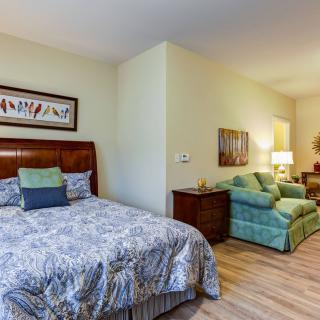
    • Fully furnished Fully furnishedFully furnished senior living communities are important for seniors because they provide convenience, comfort, and a hassle-free moving experience. Seniors can easily settle into their new living space without the stress of having to buy and move furniture. This allows them to focus on enjoying their new home and community.
    • Garden GardenGardens are important for seniors as they provide a peaceful and therapeutic environment for relaxation, physical activity, and socialization. Being in nature has been shown to reduce stress, improve mood, and promote overall well-being. Gardens also offer opportunities for seniors to engage in gardening activities, which can improve mobility, flexibility, and cognitive function. Additionally, gardens create a sense of community and connection with others who share a passion for plants and outdoor spaces.
    • Housekeeping services Housekeeping servicesHousekeeping services are important for seniors because they help maintain a clean and safe living environment, promote independence, and reduce the risk of accidents or illnesses. Additionally, having assistance with household chores can alleviate physical strain and allow seniors to focus on other aspects of their well-being.
    • Move-in coordination Move-in coordinationMove-in coordination is important for seniors because it helps ease the transition into their new living environment. It ensures that all logistics, such as packing, organizing movers, and setting up utilities are taken care of, allowing seniors to focus on settling in and adjusting to their new home. Having a smooth move-in process can alleviate stress and anxiety, making the transition smoother and more enjoyable for seniors.
    • Outdoor space Outdoor spaceOutdoor spaces are important for seniors as they provide opportunities for physical activity, social interaction, exposure to natural light and fresh air, and a sense of connection to nature. Having access to outdoor spaces can improve overall well-being and quality of life for older adults living in senior communities.
    • Telephone TelephoneTelephones are important for seniors as they provide a lifeline for communication with loved ones, emergency services, and healthcare providers. They offer a sense of security and independence, enabling seniors to stay connected and access assistance when needed.
    • Wi-Fi/high-speed internet available Wi-Fi/high-speed internet availableWi-Fi/high-speed internet is important for seniors to stay connected with loved ones, access online resources, and participate in virtual activities to combat feelings of loneliness and isolation. It also allows them to easily manage healthcare needs, access entertainment, and engage in lifelong learning opportunities.

    Transportation

    • Lambert-St Louis International (12 miles away) Lambert-St Louis International (12 miles away)

    Care Services

    • 24-hour supervision 24-hour supervision24-hour supervision is important for seniors to ensure their safety, well-being, and access to immediate assistance in case of emergencies or health issues. This constant support provides peace of mind for both seniors and their loved ones, allowing them to age in place with dignity and security.
    • Activities of daily living assistance Activities of daily living assistanceActivities of daily living assistance are important for seniors because they provide essential support with tasks such as eating, bathing, dressing, and mobility. This assistance helps seniors maintain their independence, dignity, and overall quality of life as they age.
    • Assistance with bathing Assistance with bathingAssistance with bathing is crucial for seniors as it helps maintain personal hygiene, prevents infections, and ensures their overall well-being and comfort. It also provides a sense of dignity and independence for seniors who may struggle with this task on their own.
    • Assistance with dressing Assistance with dressingAssistance with dressing is important for seniors because it helps maintain their independence, promotes personal hygiene, prevents accidents and injuries, and improves overall quality of life. This service ensures that seniors can continue to dress comfortably and confidently, despite any physical limitations they may have.
    • Assistance with transfers Assistance with transfersAssistance with transfers is crucial for seniors as it helps prevent falls and injuries, maintains their independence, and ensures they can safely navigate their living environment. It also provides peace of mind for both seniors and their loved ones.
    • Coordination with health care providers Coordination with health care providersCoordination with health care providers is crucial for seniors to ensure proper medical care, medication management, and overall well-being. This collaboration helps prevent overlapping treatments, track progress more effectively, and provide comprehensive support tailored to individual needs.
    • Dementia waiver Dementia waiverDementia waivers are essential for seniors as they provide critical protections and accommodations for those experiencing cognitive decline. These waivers ensure individuals with dementia receive appropriate care, support, and resources to maintain their quality of life and dignity as they navigate the challenges of this progressive condition.
    • Diabetes diet Diabetes dietA diabetes diet is crucial for seniors as it helps manage blood sugar levels, reduce risks of complications, and improve overall health and well-being. By following a balanced and nutritious diet tailored to their specific needs, seniors can better control their diabetes and enhance their quality of life.
    • Hospice waiver Hospice waiverHospice waivers are important for seniors because they allow individuals to receive specialized end-of-life care and support at home or in a hospice facility. This waiver ensures that seniors can access the necessary resources and services to maintain comfort and dignity during their final days.
    • Meal preparation and service Meal preparation and serviceMeal preparation and service are crucial for seniors as they may have limited mobility or energy to cook nutritious meals. Having access to healthy and convenient food options can ensure they are getting the proper nutrition needed to maintain their overall health and well-being.
    • Medication management Medication managementMedication management is crucial for seniors to ensure they are taking the right medications at the correct dosages and times. This helps prevent adverse drug interactions, reduces the risk of medication errors, and promotes overall health and well-being. Proactive management also allows for adjustments as needed based on changing health conditions or new prescriptions.
    • Mental wellness program Mental wellness programMental wellness programs are essential for seniors as they promote cognitive stimulation, emotional support, and social engagement. These programs help prevent isolation, depression, and cognitive decline, ultimately enhancing the overall quality of life for older adults.
    • Mild cognitive impairment Mild cognitive impairment"Mild cognitive impairment" is important for seniors because it is an early stage of cognitive decline that can potentially progress to more severe conditions such as dementia. Recognizing and addressing mild cognitive impairment can help seniors receive appropriate care and support to maintain their quality of life and independence for as long as possible.
    • Special dietary restrictions Special dietary restrictionsSpecial dietary restrictions are important for seniors because age-related changes in metabolism and health conditions can make it difficult for their bodies to process certain foods. By following a diet tailored to their specific needs, seniors can maintain their overall health and well-being, manage chronic conditions, and reduce the risk of complications such as malnutrition or food interactions with medications.
    • Specialized memory care programming Specialized memory care programmingSpecialized memory care programming is crucial for seniors with cognitive impairments such as dementia or Alzheimer's disease. These programs provide a safe and supportive environment tailored to the unique needs of individuals with memory loss, helping them maintain their independence, dignity, and quality of life.
    • Transportation arrangement (medical) Transportation arrangement (medical)Transportation arrangements for medical purposes are essential for seniors as they may have difficulty driving themselves to appointments or accessing public transportation. Having reliable and safe transportation options ensures that seniors can receive timely medical care and maintain their health and well-being.
    • Transportation to doctors appointments Transportation to doctors appointmentsTransportation to doctors' appointments is crucial for seniors as it ensures they have access to necessary medical care and support for their health needs. Without reliable transportation, seniors may struggle to attend important appointments, leading to potential delays in treatment and health complications. Providing transportation services helps seniors maintain their overall well-being and quality of life.
    Dining

    • Diabetes diet Diabetes dietA diabetes diet is crucial for seniors as it helps manage blood sugar levels, reduce risks of complications, and improve overall health and well-being. By following a balanced and nutritious diet tailored to their specific needs, seniors can better control their diabetes and enhance their quality of life.
    • Special dietary restrictions Special dietary restrictionsSpecial dietary restrictions are important for seniors because age-related changes in metabolism and health conditions can make it difficult for their bodies to process certain foods. By following a diet tailored to their specific needs, seniors can maintain their overall health and well-being, manage chronic conditions, and reduce the risk of complications such as malnutrition or food interactions with medications.

    Activities

    • Community-sponsored activities Community-sponsored activitiesCommunity-sponsored activities are important for seniors as they provide opportunities for social interaction, mental stimulation, and physical activity. These activities can help improve overall well-being, combat loneliness and isolation, and promote a sense of belonging and purpose among older adults.
    • Scheduled daily activities Scheduled daily activitiesScheduled daily activities are important for seniors because they provide structure, socialization, mental stimulation, and physical activity. Engaging in regular activities can improve overall well-being and quality of life for seniors living in a community setting.

    Description

    The Union Care Center in Tuscaloosa, MO is a specialized memory care community that offers comprehensive care services for individuals with memory impairments. The center is fully furnished and provides a comfortable and home-like environment for its residents.

    Residents can enjoy their meals in the dining room, which accommodates special dietary restrictions. Housekeeping services are provided to ensure a clean and organized living space.

    The community features an outdoor garden where residents can relax and engage in outdoor activities. Wi-Fi and high-speed internet are available for residents who wish to stay connected with their loved ones or participate in online activities.

    Assistance with activities of daily living such as bathing, dressing, and transfers is provided by trained staff members. The center also coordinates with health care providers to ensure seamless medical care for residents.

    The Union Care Center offers specialized memory care programming to meet the unique needs of individuals with dementia or mild cognitive impairment. Additionally, a mental wellness program is implemented to support the overall well-being of residents.

    Transportation arrangements for medical appointments are available, ensuring easy access to healthcare services. Nearby amenities include cafes, pharmacies, parks, restaurants, places of worship, physicians' offices, and hospitals.

    Overall, the Union Care Center provides a nurturing and compassionate environment where individuals with memory impairments receive excellent care and support while residing in a welcoming community setting.

    Nearby Places of Interest

    Pharmacies

    • Walgreens (0.3 miles)
    • Walgreens (1.8 miles)
    • Schnucks (2.1 miles)
    • Walgreens (2.2 miles)
    • CVS Pharmacy (2.3 miles)
    • Walgreens (3 miles)
    • Dierbergs (3.1 miles)

    Cafes

    • Starbucks (0.6 miles)
    • Starbucks (5.3 miles)
    • Panera Bread (5.5 miles)
    • Starbucks (5.8 miles)
    • Starbucks (6.7 miles)
    • Panera Bread (6.7 miles)
    • Panera Bread (7.2 miles)

    Parks

    • Queeny County Park (0.9 miles)
    • Des Peres Park (2.7 miles)
    • Vlasis Park (2.7 miles)
    • New Ballwin Park (3.9 miles)
    • Ferris Park (4 miles)
    • World Bird Sanctuary (5 miles)
    • Faust Park (5.4 miles)

    Restaurants

    • Mercy Pharmacy - Dierbergs Manchester (1.7 miles)
    • Stoogez (2 miles)
    • Cooper's Hawk Winery & Restaurant (2.1 miles)
    • Chick-Fil-A (3 miles)
    • Andy's Frozen Custard (4.2 miles)
    • Sugarfire Smokehouse (4.4 miles)
    • Lee's Famous Recipe Chicken (4.4 miles)

    Physicians

    • Orthopedic Associates (2.1 miles)
    • St John's Mercy Medical Center (6.9 miles)

    Places of Worship

    • Church of Christ-Lafayette (3.7 miles)
    • St John Church (5 miles)
    • Christ the King Church (6.9 miles)

    Hospitals

    • St John's Mercy Surgery Center (4 miles)
    • Barnes-Jewish West County Hospital (5.4 miles)

    Transportation

    • Enterprise Rent-A-Car (4.1 miles)

    Frequently Asked Questions

    Where is UNION CARE CENTER?
    Does UNION CARE CENTER provide care for residents with dementia or Alzheimer's disease?

    Nearby Communities

    Related Resources

    • delirium vs dementiaDelirium and Dementia: Unraveling the Key Differences

      Delirium is a rapidly onset, reversible cognitive disturbance often caused by acute medical issues, while dementia is a gradual and irreversible decline due to chronic neurodegenerative diseases. Accurate differentiation between the two is essential for appropriate treatment and management in older adults.

    • can you die from dementiaAre Dementia and Alzheimer's Disease Lethal? A Comprehensive Exploration

      Dementia, including Alzheimer’s disease, is often mischaracterized in terms of lethality as it leads to complications that can be fatal rather than being a direct cause of death; it causes a progressive decline in cognitive and physical health, making patients vulnerable to infections and other health crises. Effective management of nutrition, hydration, and communication is crucial in patient care, with palliative care becoming vital in advanced stages to enhance comfort and quality of life while caregivers play a key role amidst the challenges posed by the disease.

    • reminiscence therapyExploring the Power of Reminiscence Therapy for Individuals With Dementia

      Reminiscence therapy helps individuals with dementia recall past memories through structured discussions and meaningful objects, enhancing mood, relationships, and sense of identity while celebrating their lives. It can be practiced in formal settings or at home, requiring sensitivity to personal histories and cultural backgrounds.


    Get Pricing Ask A Question Schedule A Tour Contact Senior Advisor