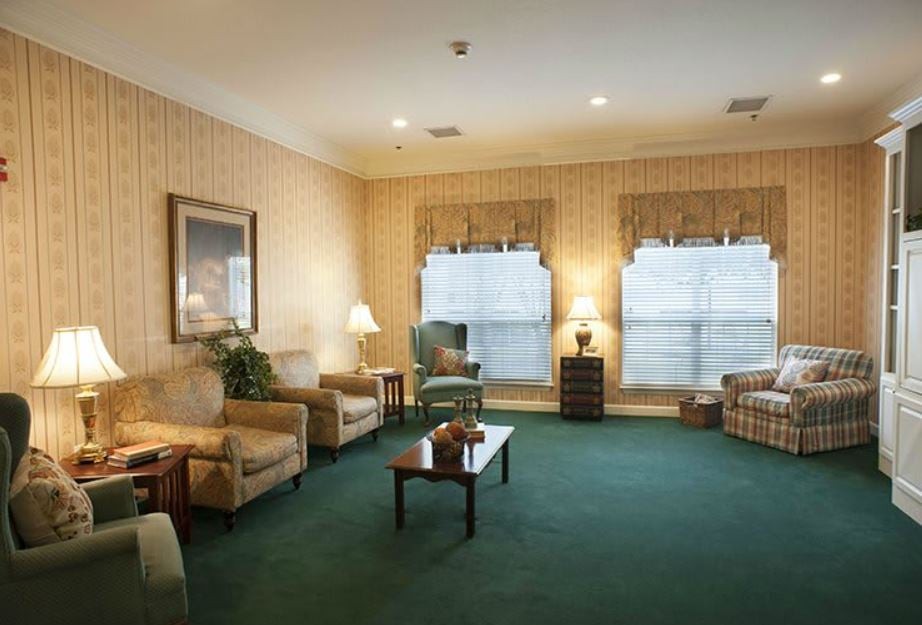
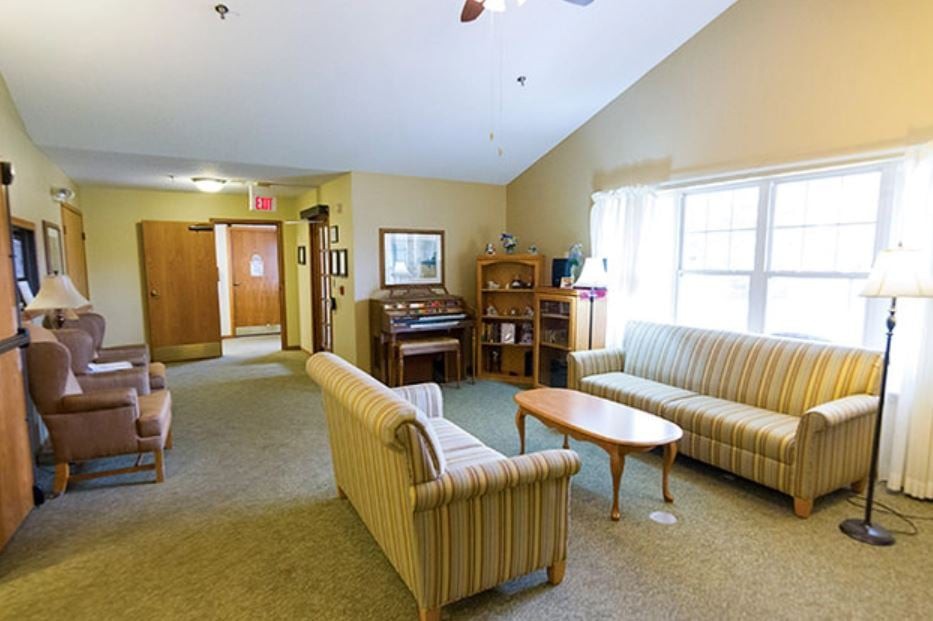

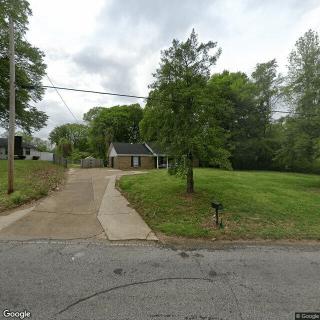
9080 Lacey Drive, Southaven, MS 38671
To contact a resident: (662) 253-8905
For more information about senior living options: (866) 208-4318
Affordable Senior Care Costs & Pricing
When examining the costs associated with Affordable Senior Care in DeSoto County, Mississippi, it's clear that the financial burden for seniors seeking care is significantly alleviated by choosing an affordable facility. For instance, the monthly cost of a semi-private room at Affordable Senior Care is $2,000, which stands in stark contrast to the average county cost of $3,064 and the state average of $3,189. Similarly, residents opting for a studio room can expect to pay $3,000 at this facility, again reflecting a more economical choice compared to the local rate of $3,006 and the state's average of $3,151. These figures highlight not only the affordability of senior care options available but also emphasize how careful selection can lead to substantial savings without compromising on quality.
| Floor plans | Affordable Senior Care | DeSoto County | Mississippi |
|---|---|---|---|
| Semi-Private | $2,000 | $3,064 | $3,189 |
| Studio | $3,000 | $3,006 | $3,151 |
Memory care communities with a similar price nearby
-
from +$350 / mo
Legacy Assisted Living & Memory Care at Lenox
$2,350 to $2,650 / month10.4 miles away -
from +$271 / mo

Kirby Pines
$2,271 to $7,100 / month10.1 miles away
Overall Review of Affordable Senior Care
Pros
 Affordable Senior Care is working really well.
- The staff is really friendly.
- They seem to be very responsive to everyone there.
- The experience has been good all around.
- The people at Affordable Senior Care have done really well with dad.
- They have been very nice to him and very patient and understanding.
- Sonya has been very helpful and patient with families.
- It is smaller and more home-like than nursing homes.
- The staff is very friendly and caring.
- The food is prepared on site and is hot and good tasting.
- Rooms are kept clean.
- Ms. Sonal Patel gave a great tour.
Cons
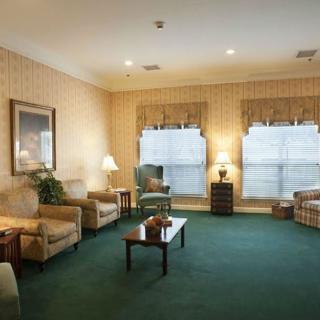
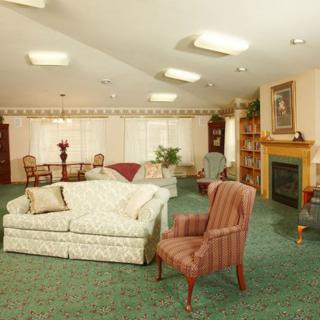
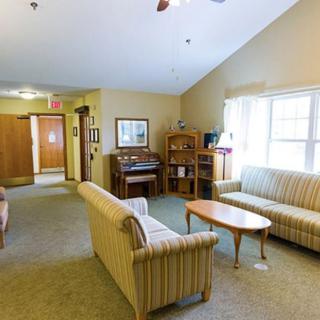
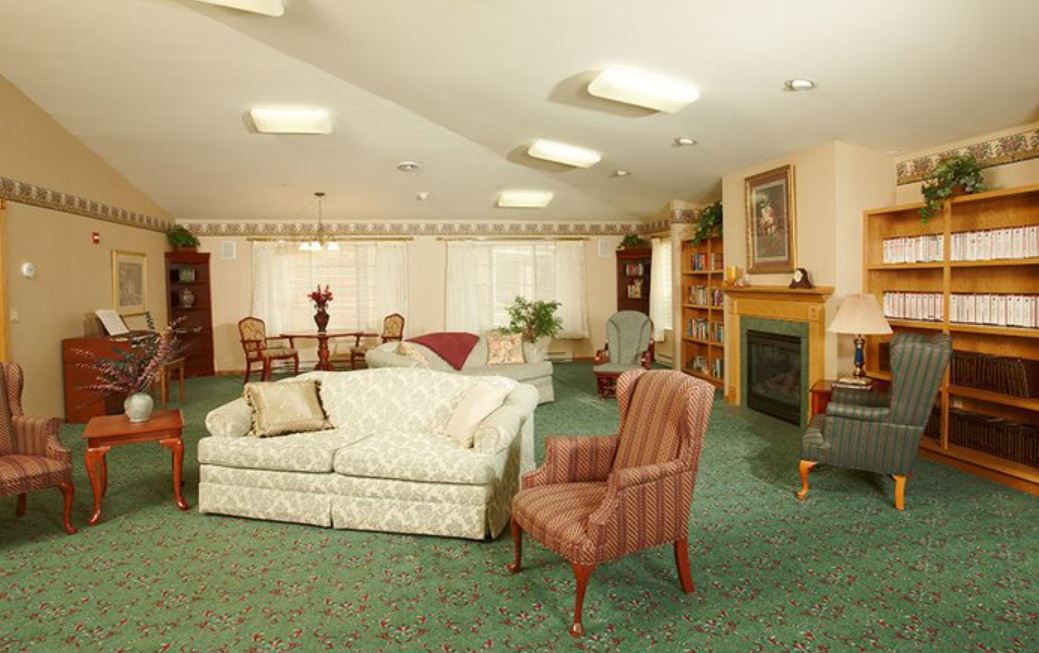
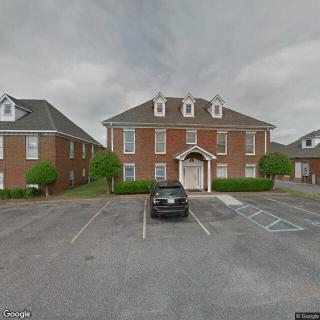
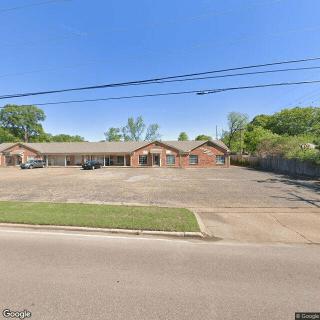
 The facility looks like a store front, is small, not very cheerful, and has no outside area.
- The reviewers urge that the facility be closed, saying elderly residents deserve respect and care.
- Residents are described as starving there, suggesting poor food quality or care.
- A resident reportedly lost 26 pounds during her stay, implying inadequate nutrition.
- The food is described as boiled cabbage loaded with sugar, cornbread, and tap water.
- There is a lack of organized activities for residents.
Review
Affordable Senior Care in Southaven, MS is best suited for families seeking a small, home-like setting where attentive staff and personalized care can feel more immediate than at larger campuses. With very small occupancy (about 15 beds in some configurations) and private or shared rooms, the environment lends itself to close daily interactions, routine safety, and a sense of being cared for as individuals rather than as a number. This is a practical fit for someone who values warmth, predictable staffing, and on-site basics like hot meals and regular bathing, delivered in a intimate, easily navigable space.
Families considering alternatives should note that this community may not satisfy everyone. Those seeking a robust activity calendar, diverse social programming, or expansive outdoor space may want to look at larger facilities with more defined programming. The storefront aesthetic and limited outdoor appeal can be a turnoff for individuals who prioritize campus ambiance. Additionally, several reviews flag nutrition and care-consistency concerns, which suggests that alternatives with stronger dietary oversight and more formalized activity scheduling could be preferable for residents who require significant daytime engagement or have specific dietary needs.
On the plus side, the most consistent strengths lie in the human touch. Staff are described as friendly, responsive, and patient, with the nurse conducting regular checks and assistance with bathing. On-site dining is highlighted as actually tasty and prepared fresh, and cleanliness is repeatedly noted as strong. The small size contributes to a sense of safety and individualized attention, with families praising the demeanor of frontline caregivers and the opportunity for residents to have personal items and a familiar setup in their rooms. For families prioritizing straightforward, predictable care from a tight-knit team, these pros can meaningfully offset the lack of a broader activity program and the limit on campus amenities.
That said, the main cons deserve careful scrutiny. The most alarming threads in the reviews center on nutrition and safety experiences. One family recounts significant weight loss after placement and describes the food as inadequate, while another paints a scene of distress and injury in a wheelchair incident. The combination of potential meal quality issues and a serious safety incident would reasonably cause concern for anyone evaluating long-term placement, especially for residents with health or mobility vulnerabilities. A further recurring critique is the absence of organized activities, which can leave socially inclined residents and those needing structured engagement seeking more stimulation than the facility routinely provides.
To navigate these realities, prospective residents should pursue concrete due diligence. Request a current meal plan and a sample weekly menu to verify nutritional adequacy and variety, and ask for details on any dietary accommodations (diabetes, low-sodium, texture-modified, etc.). Inquire about staffing ratios across shifts, how care plans are developed and reviewed, and whether a nurse practitioner or physician visits on a set schedule. Ask for a calendar of activities, attendance expectations, and how residents are encouraged to participate. Touring should involve conversations with current residents and families about changes in weight, mood, or mobility, and a direct look at how rooms are furnished and how safety features function.
The bottom line is nuanced. Affordable Senior Care can be a compelling choice for families seeking a manageable, intimate setting where staff relationships feel genuine and care is personal, with clear value in exchange for a small facility footprint. However, potential residents should not overlook red flags raised by some reviews: inconsistent nutrition, limited programming, and a documented incident that raises questions about safety. If those concerns are handled through transparent menus, proactive diet oversight, stronger activity options, and verifiable safety protocols, this community can be a solid, practical option. If not, exploring nearby alternatives with broader social programming and more robust dining oversight may be warranted.
 Assisted Living
 Day Program
 Memory Care
 Devotional services off-site
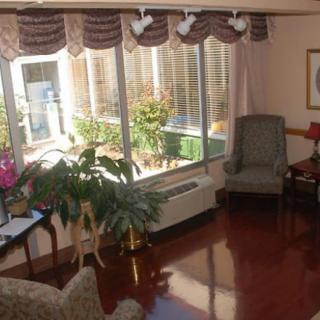
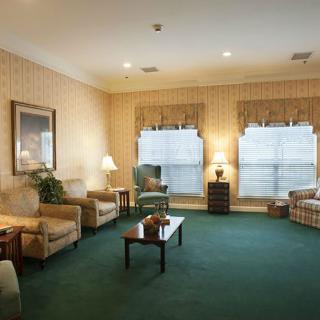
 Indoor common areas
 Memphis International (4 miles away)
 Ambulatory care
 Diabetic care
 High acuity care
 Incontinence care
 Medication management
 Meals provided


 A Thorough Discussion of Medications Potentially Linked to Dementia Risk
 Why Do Dementia Patients Sleep So Much? Understanding Oversleeping, Stages, and Care Approaches
 8 Key Indicators That Suggest It May Be Time to Transition from Assisted Living to Skilled Nursing Care