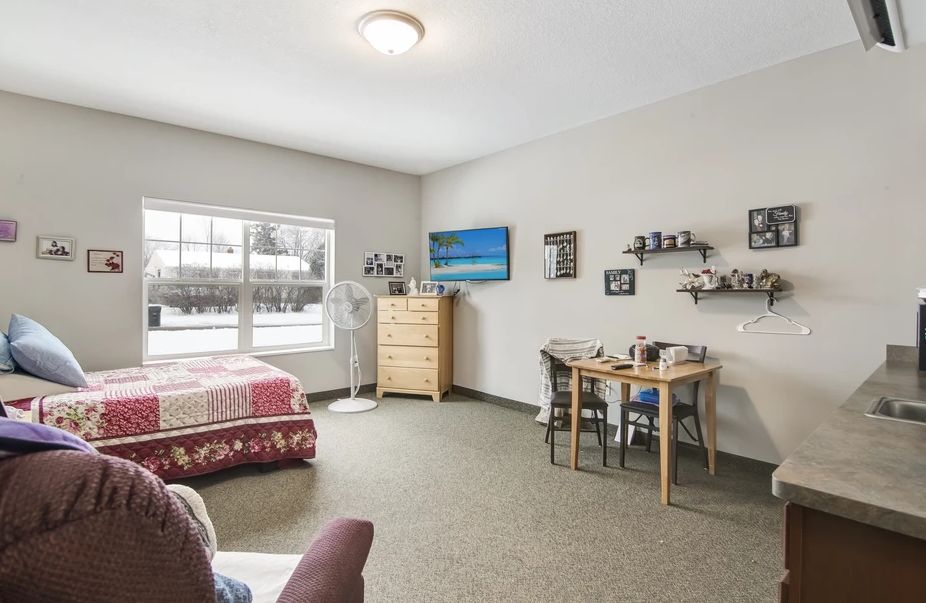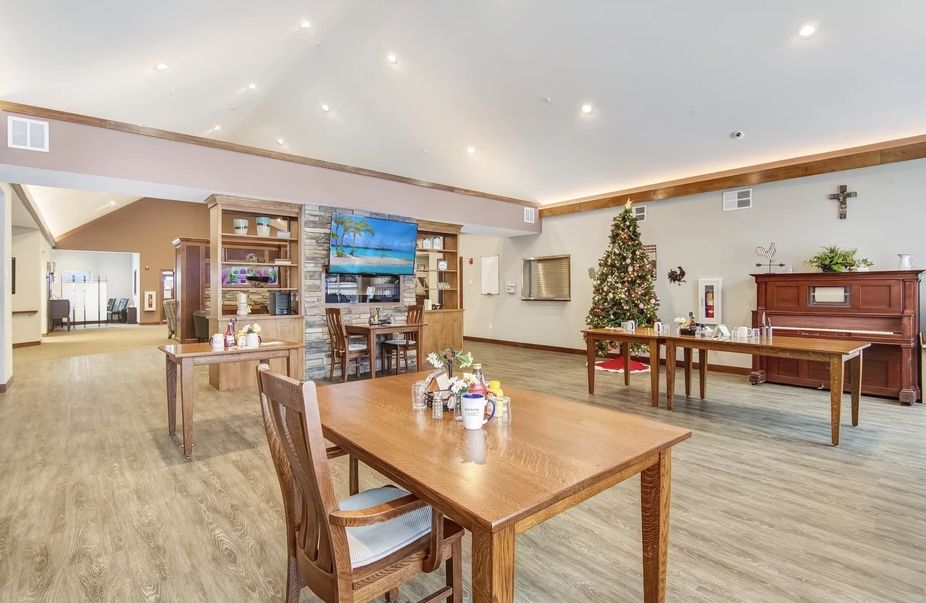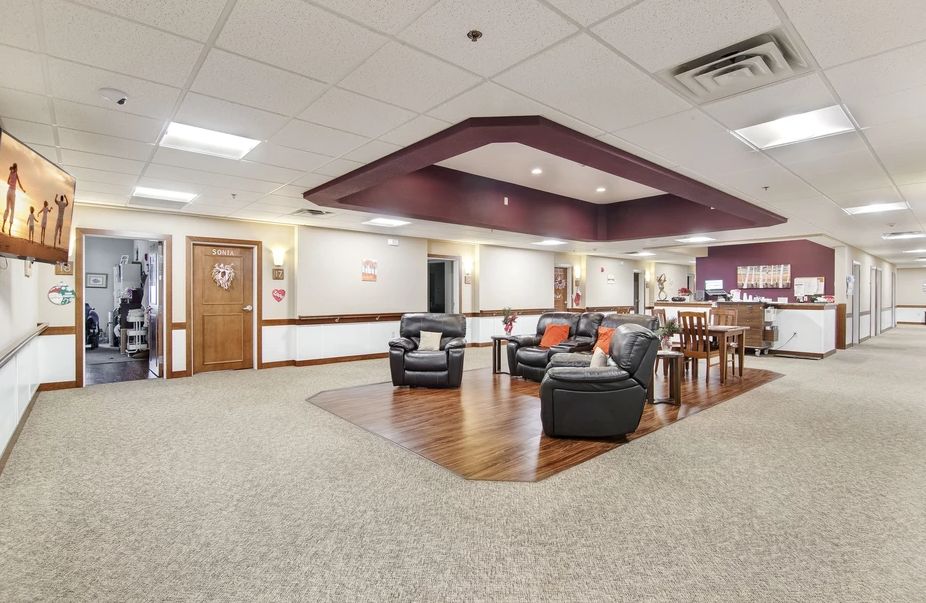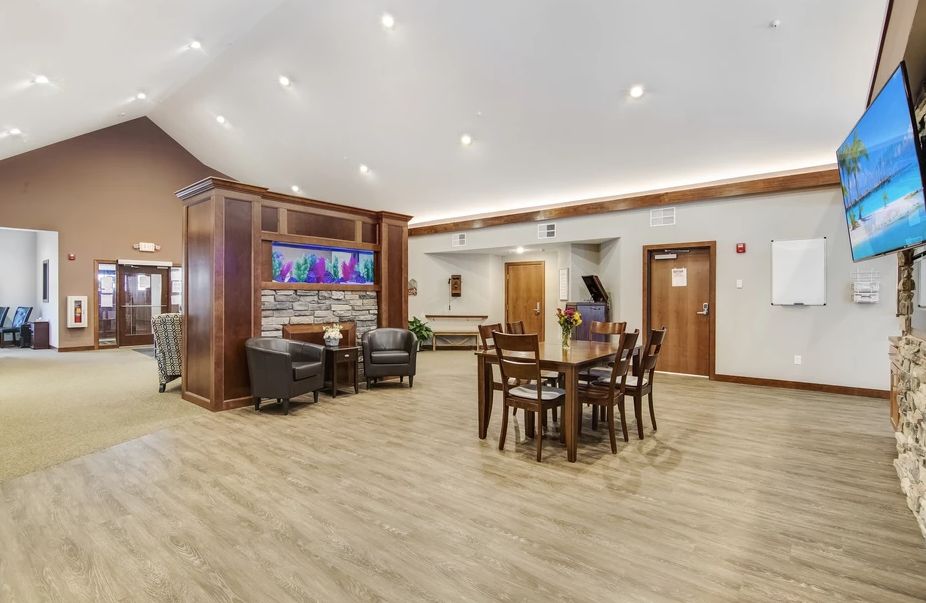





580 Liberty Way, Vadnais Heights, MN 55127
For more information about senior living options: (866) 208-4318
Overall Review of Suite Living Senior Care - Vadnais Heights
Pros
 The staff and leadership at Suite Living go above and beyond for residents and families.
- Every client placed by Suite Living has been incredibly happy and well cared for.
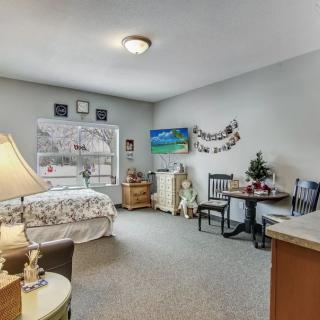
- Suite Living is a community that truly feels like home.
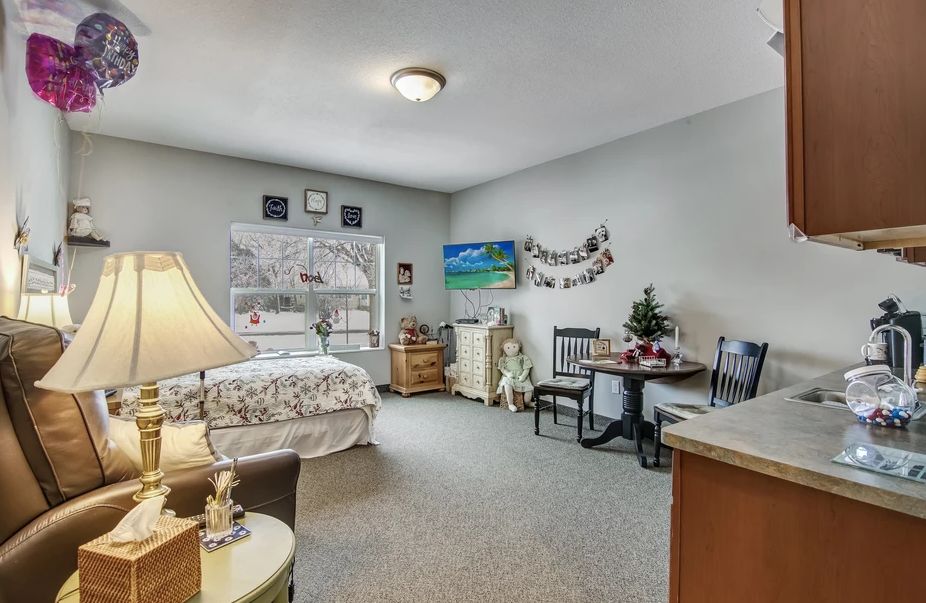
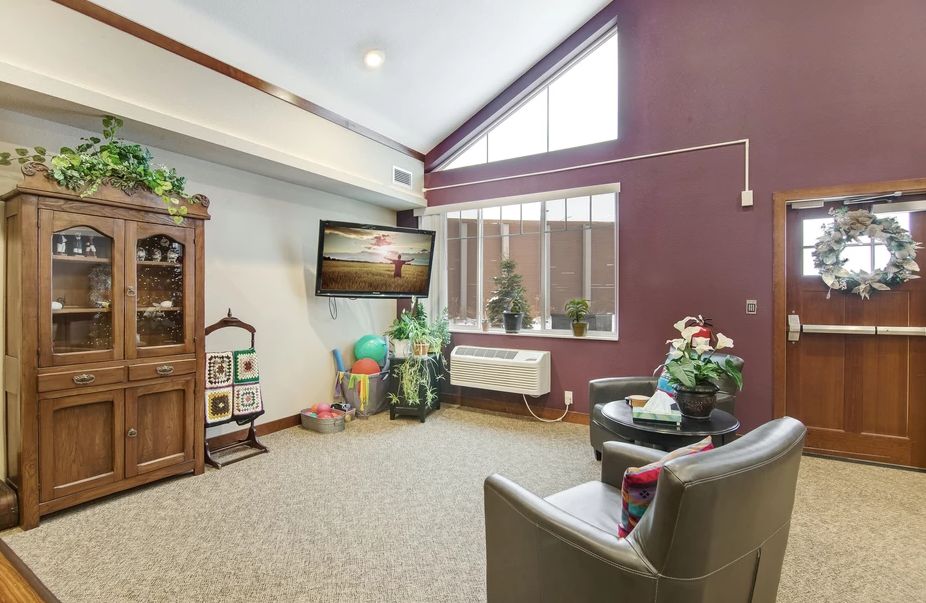
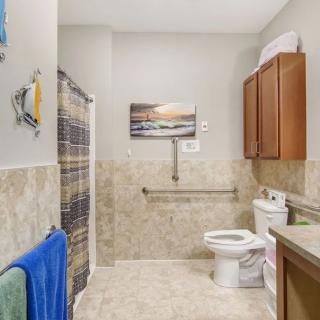
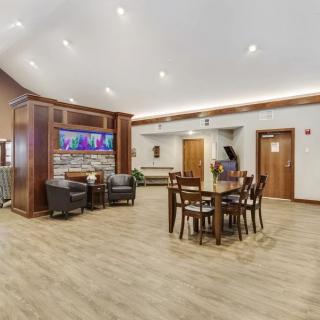
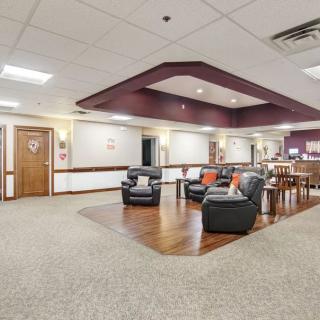
- The facility is beautiful and convenient.
- The staff are super friendly and the food is delicious (and hot).
Cons
 The facility experiences high staff turnover.
- The staff are underpaid.
- The facility seems to spend money on new buildings rather than investing in resident care.
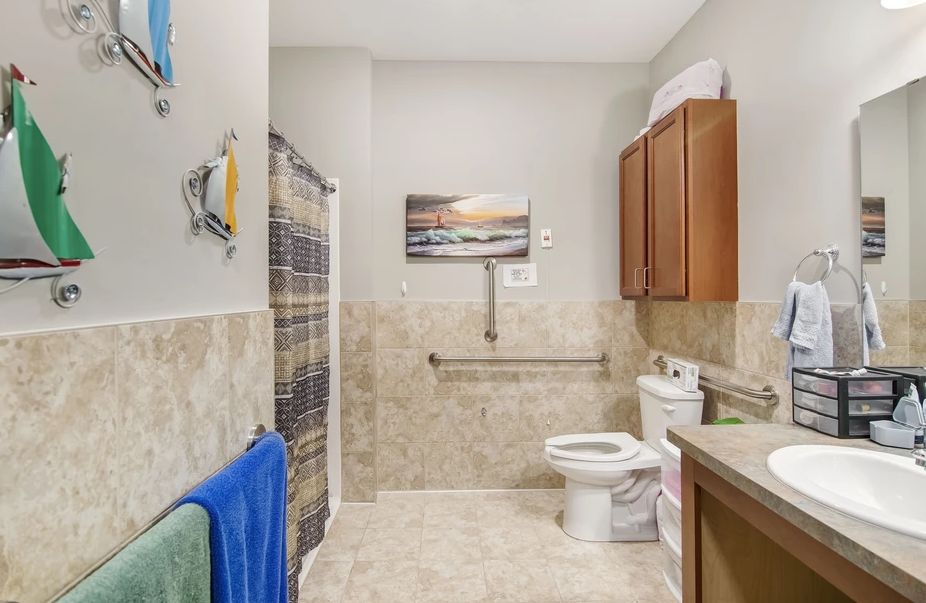
- The rooms are dirty.
- There is a lack of management presence and oversight; staff sleep and spend time on their phones during shifts.
- Medications are not administered in a timely or proper manner, including hospice medications.
- There is poor hygiene and a lack of gloves/handwashing before and after medication administration.
- Sanitation issues include feces on the floor and a resident sitting in urine, with urine sometimes dumped into the bathroom sink.
Review
Suite Living Senior Care in Vadnais Heights is best suited for families seeking a warm, home-like environment where staff dedication and frequent family engagement are prioritized, and where the sense of community matters as much as clinical polish. The setting appeals to those who want a facility that feels less institutional and more like a well-managed home, with leadership that stakeholders perceive as accessible and responsive. The location’s convenience and apparent ongoing growth in the Twin Cities area add a practical bonus for families juggling visits, appointments, and mobility needs. For many residents, the daily atmosphere matters as much as the formal care plan, and this community tends to deliver that lived-in, welcoming vibe.
Those who should consider alternatives are families for whom rigid, consistently flawless clinical oversight is non-negotiable. If the priority is impeccable medication administration, pristine room conditions, and continuous supervision free from lapses, this may not be the best fit. Several accounts highlight delays in medications, sanitation lapses, and a sense of insufficient oversight on certain shifts. If a hospice or end-of-life transition requires precisely coordinated care with tightly managed protocols, a community with a stronger track record for nursing presence and process discipline may be preferable. In short, comfort and connection matter here, but reliability in critical care tasks must be verified.
The strongest positives center on human connection and life-enrichment. A recurring thread in reviews is that staff and leadership genuinely go above and beyond for residents and families, creating a care community that feels personal and attentive. Residents and families report happiness with the atmosphere, and the dining experience is frequently praised, meals described as delicious and served hot, which speaks to daily quality and resident satisfaction. The sense that the facility is family-friendly, welcoming visitors, and easy to navigate adds practical value, helping older adults maintain a sense of home and routine. These strengths create resilience in the face of operational bumps, particularly when staff turnover is a reality elsewhere.
The most serious red flags appear in reports of care lapses: high staff turnover paired with concerns about pay, inconsistent medication administration, and sanitation issues that at times rise to the level of odor or visible soiled conditions. Accounts describe periods when rooms were not clean, medications were skipped or delayed, and staff were distracted or unavailable. Observations of phones and social media during shifts, along with reports of reduced management presence, amplify concerns about oversight and accountability. A subset of reviews also accuses leadership of defensive responses rather than swift, systemic improvements, which compounds risk for any resident who relies on predictable routines and meticulous clinical care.
When weighing the pros against the cons, the balancing act rests on what a family truly prioritizes. If the decision hinges on a nurturing, homelike environment where staff turnover is predictable and the leadership team is visibly attentive to families, these positives can outweigh the downsides for many residents. The tangible benefits, friendly staff, a strong sense of community, and good food, are meaningful in daily life and can compensate for occasional care gaps if those gaps are addressed promptly. However, for families with residents who require unwavering medication safety, rigorous cleanliness, and consistently assigned caregivers, the gaps may overshadow the warmth.
To proceed with discernment, concrete due-diligence is essential. Prospective families should request real-time observations of medication administration, tour at different times of day, and candid conversations with current residents and their families about satisfaction and missed doses. Inquire about staff-to-resident ratios, turnover rates, and the nurse supervisor’s availability for care conferences and problem resolution. Demand evidence of cleanliness protocols, medication administration procedures, and documented care plans. If these assurances cannot be met, or if a trial period reveals repeated lapses, exploring other nearby communities with stronger clinical discipline and lower turnover becomes prudent.
 21 resident community capacity
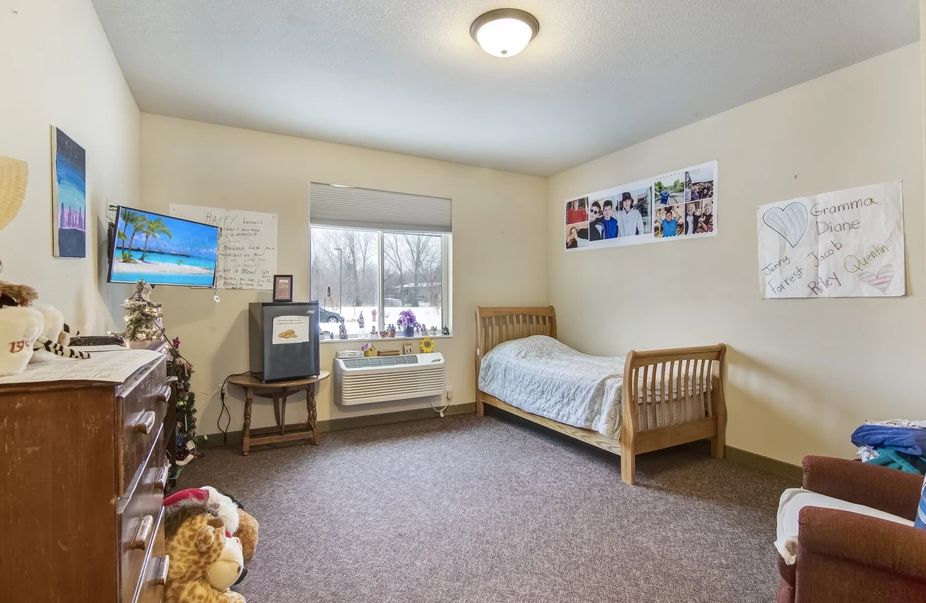
 Studio apartments
 Assisted Living
 Memory Care
 Beautician on-site
 Cable or satellite TV
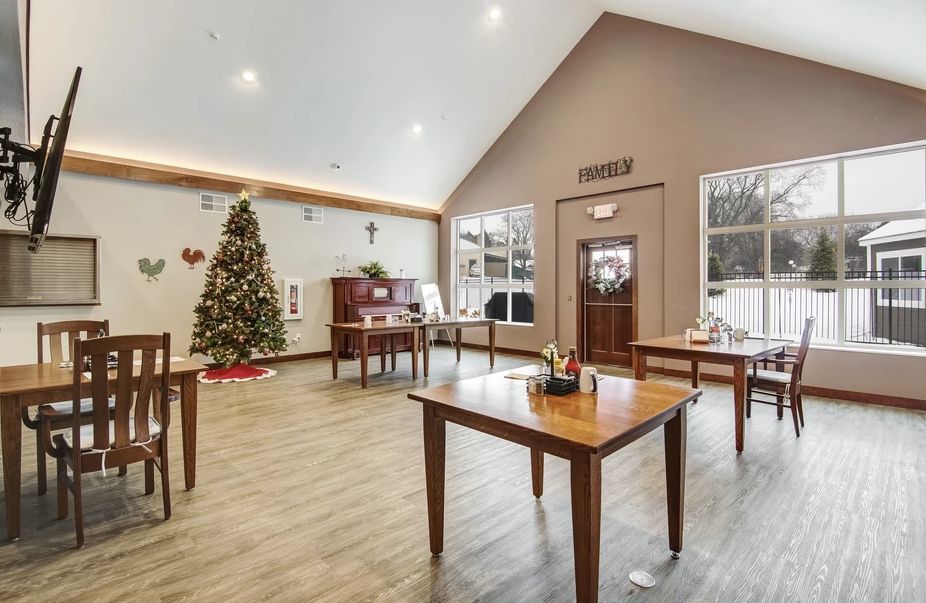
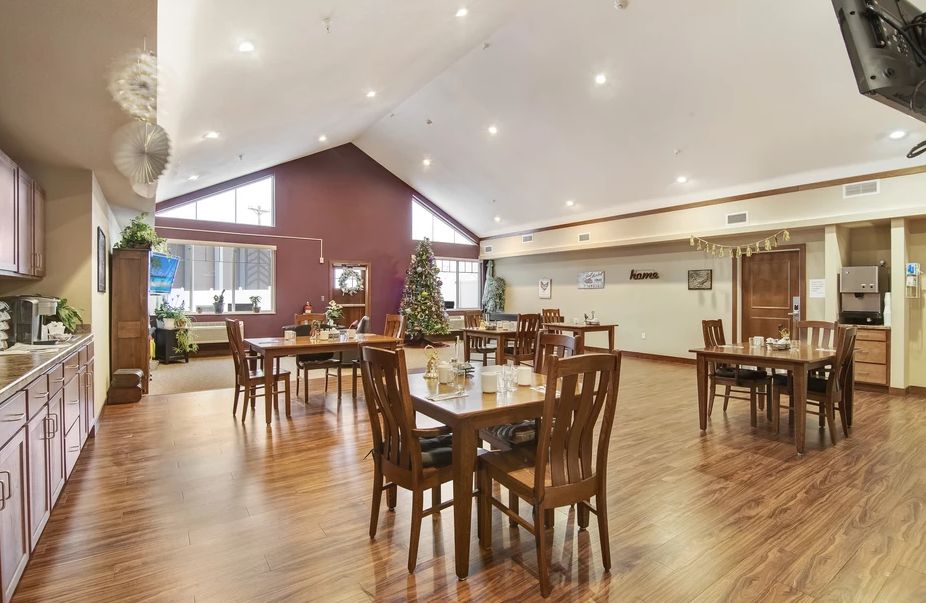
 Dining room
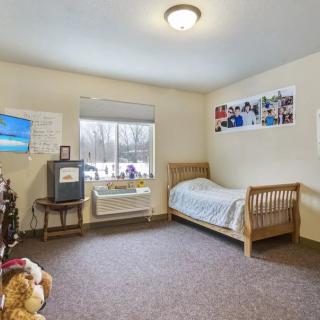
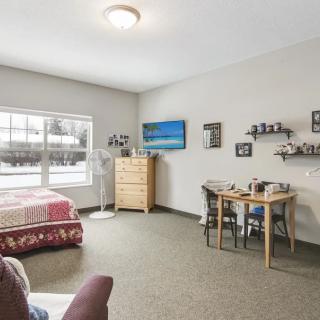
 Fully furnished
 Garden
 Housekeeping services
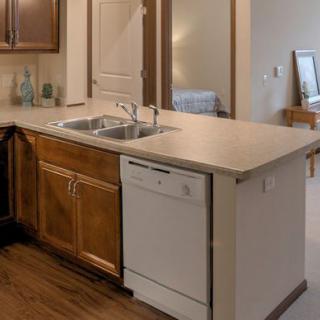
 Kitchenette
 Move-in coordination
 Outdoor space
 Respite or short term stays offered
 Telephone
 Wi-Fi/high-speed internet available
 Minneapolis-St Paul International (13 miles away)
 24-hour call system
 Activities of daily living assistance
 Assistance with bathing
 Assistance with dressing
 Assistance with transfers
 Diabetes diet
 Hospice waiver
 Meal preparation and service
 Medication management
 Mental wellness program
 Special dietary restrictions
 Transportation arrangement (medical)
 Transportation to doctors appointments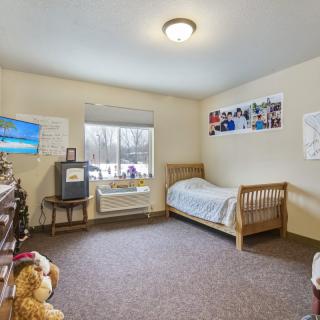



 Vibrant Senior Living: A Comprehensive Guide for Active Older Adults
 Assisted Living and Memory Care: Understanding Their Core Differences
 Choosing the Right Senior Care: A Detailed Exploration of Assisted Living and Nursing Homes