
3603 Centerville Road, Vadnais Heights, MN 55127
For more information about senior living options: (866) 208-4318
Overall Review of Prudent Care
Cons
 The fiancé is being held at the group home and cannot leave.
- The staff are disrespectful and yell at residents constantly.
- They threaten to call the cops if someone wants to see her fiancé.
- The reviewer would not recommend this group home.
Review
Best suited for families with very few options who are willing to tolerate a tightly supervised, small-group environment. The Vadnais Heights setting described in the available account presents a picture of limited autonomy and a staff dynamic that leans toward volume and control rather than warmth or constructive engagement. In practical terms, this community is not a natural fit for seniors who value dignity, choice, and respectful interaction; it appears to function as a high-control option that may only be considered when other placements are genuinely unavailable and the priority is containment and supervision over comfort and independent living. For families seeking autonomy, meaningful social connection, and consistently respectful care, this community does not stand up to the standard expectations.
Those who should actively consider alternatives include families prioritizing safety delivered through positive, respectful care, and communities where visits and family involvement occur without threat or tension. Prospective residents and their supporters should look toward licensed assisted living options with proven staff training, defined visitation policies, and transparent escalation processes for conflicts. In the Twin Cities market, that typically translates to larger facilities with documented histories of resident-centered care, clear complaint handling, and staff-Resident interaction standards. The negatives described strongly suggest bypassing this option in favor of facilities with stronger reputations for humane treatment and resident autonomy.
The single, explicit pro for small-group settings, potential for closer oversight in a homelike environment, cannot compensate for the most damaging con noted here: persistent disrespect and aggressive communication from staff, and threats to involve law enforcement over routine visits. The idea of a compact, all-in-one home can imply familiarity and constant supervision, but in this case the reported behavior of staff and the claim that a resident is being held against her will create a fundamental breach of trust and safety. In practical decision-making, that pro is eclipsed by the prevailing cons, leaving a conclusion that the setting is unlikely to meet the basic standards of dignity, safety, and voluntary participation.
The main takeaway is that the drawbacks vastly exceed any potential upside. For families evaluating options, the risk is not merely discomfort or dissatisfaction; it’s the possibility of ongoing emotional distress, erosion of autonomy, and a threatening environment that undermines a resident’s well-being. Even if cost-savings or simplicity are appealing, those gains are illusory when contrasted with the very real concerns about how residents are spoken to, how decisions are made, and whether freedom to leave or receive visitors is respected. The practical implication is to deprioritize this community in favor of settings where staff training, resident rights, and proactive safety measures are clearly demonstrated.
A disciplined due-diligence process is essential. Seek a formal tour and meet the administrator; request current licensing status and any citations from the state; obtain staffing ratios for each shift and inquire about staff training in de-escalation, resident rights, and nonabusive communication; review the resident contract for visitation rights, emergency procedures, and grievance pathways; and talk to multiple residents or families about day-to-day experiences. Verify that there is a transparent, accessible complaints process and a responsive mechanism for escalating concerns. If possible, obtain independent references and corroboration about how conflicts are resolved and whether residents truly have autonomy and safety.
In the end, the prudent course is clear: this community is not recommended for families seeking reliable, respectful care. The strongest move is to pursue alternatives with established histories of compassionate staff interactions, transparent governance, and a culture that prioritizes resident dignity. If this option must be considered because no other placements exist, insist on immediate improvements, clear visitation protections, and written assurances about resident rights and pathways to raise concerns, then proceed with caution and a clear exit strategy.
 21 resident community capacity
 Assisted Living
 Beauty salon
 Cable or satellite TV
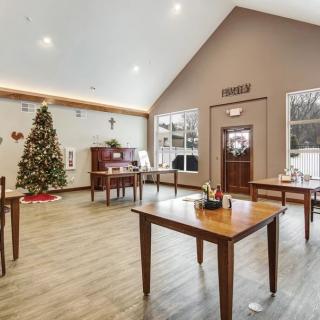
 Dining room
 Fully furnished
 Garden
 Housekeeping services
 Kitchenette
 Move-in coordination
 Outdoor space
 Restaurant-style dining
 Small library
 Telephone
 Wi-Fi/high-speed internet available
 Minneapolis-St Paul International (14 miles away)
 24-hour call system
 Activities of daily living assistance
 Assistance with bathing
 Assistance with dressing
 Assistance with transfers
 Diabetes diet
 Medication management
 Mental wellness program
 Special dietary restrictions
 24/7 staff with medication management and a mental wellness program, plus transport to medical appointments.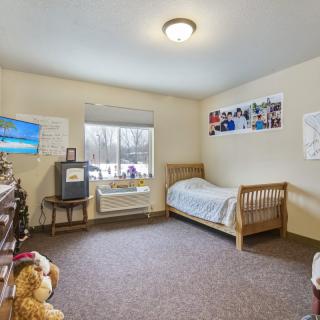




 8 Key Indicators That Suggest It May Be Time to Transition from Assisted Living to Skilled Nursing Care
 Vibrant Senior Living: A Comprehensive Guide for Active Older Adults
 When to Transition from Assisted Living to Memory Care: Key Indicators, Steps, and Finding the Right Community