Cardigan Ridge Senior Living in Little Canada, MN

Save

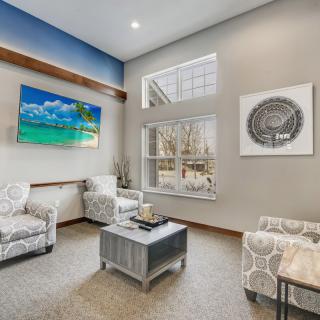
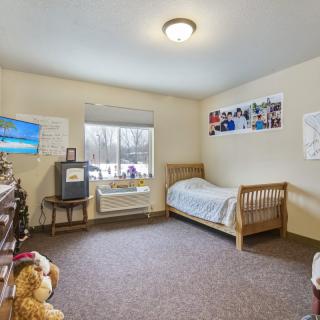
  • Interior

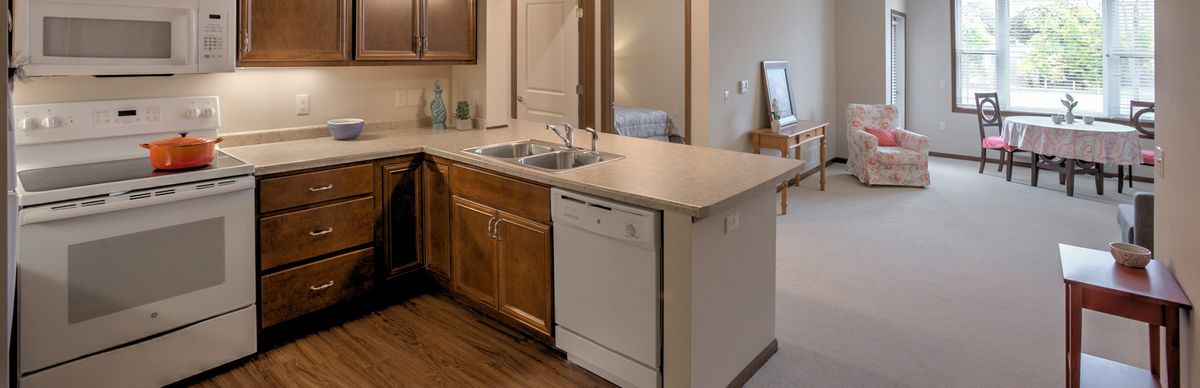
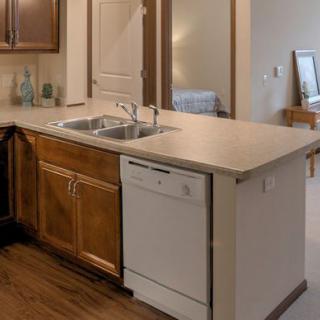
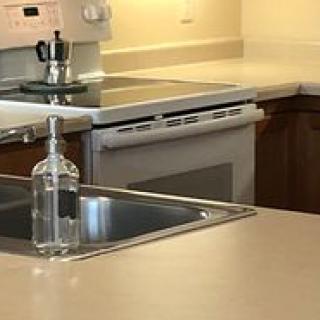
    A modern kitchen interior with a spacious countertop, sink, and dishwasher.
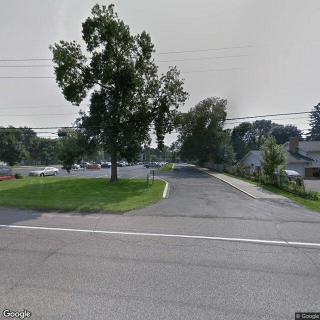
  • Building

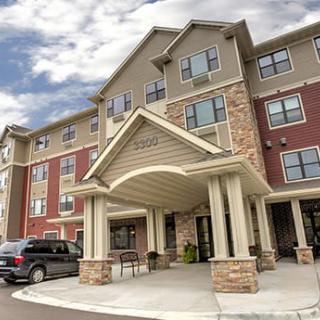
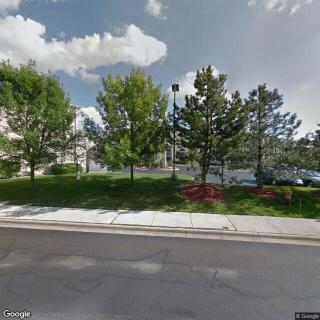
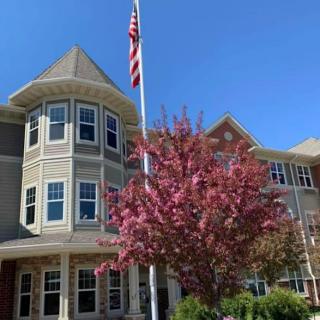
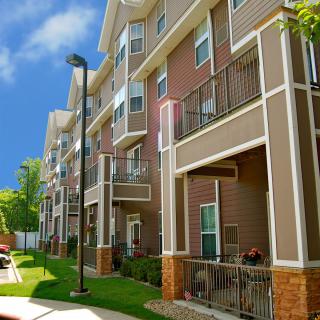
    A residential building with a covered entrance and a cloudy sky backdrop.
  • Trees

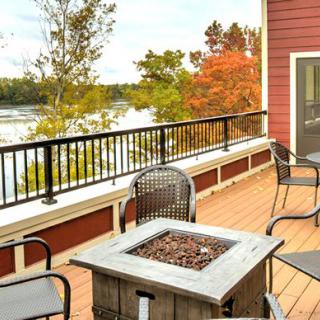
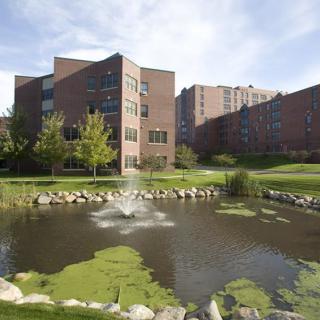
    A cozy outdoor patio overlooking a lake, featuring a fire pit and seating, surrounded by autumn foliage.
  • Dining

    A delicious serving of cheesy lasagna, layered with meat and pasta.
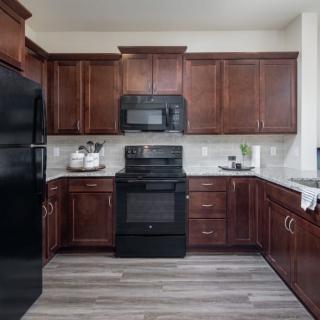
  • Kitchen

    A clean kitchen with a stove, sink, and countertop.
  • Window Blinds

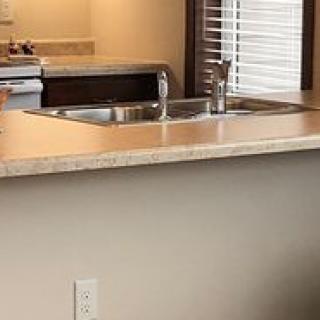
    A kitchen area featuring a countertop with a sink and faucet, adjacent to window blinds.

Cardigan Ridge Senior Living in Little Canada, MN

Information last verified:

3300 Rice Street, Little Canada, MN 55126

For more information about senior living options: (844) 490-3973

4.6 from 48 reviews
5 stars
38
4 stars
5
3 stars
2
2 stars
1
1 stars
2

Seniors.FYI Elite Community Awards

Top 5% Senior Living Community in 2025

Add this award to your website

Cardigan Ridge Senior Living Costs & Pricing

Cardigan Ridge Senior Living offers a competitive pricing structure that stands out when compared to both Ramsey County and Minnesota state averages. For instance, the monthly cost for a studio apartment at Cardigan Ridge is $1,695, significantly lower than the Ramsey County average of $3,546 and the state average of $3,617. Similarly, one-bedroom units offer an attractive option at $2,050, which remains below both regional and statewide costs of $2,287 and $2,893 respectively. However, while two-bedroom accommodations are priced at $3,250 at Cardigan Ridge - higher than the county's average of $2,312 and the state's $2,955 - it still presents a valuable choice in amenities and community living that may justify the difference. Overall, Cardigan Ridge provides residents with affordable choices across various room types without compromising on quality or service.

Floor plansCardigan Ridge Senior LivingRamsey CountyMinnesota
Studio$1,695$3,546$3,617
1 Bedroom$2,050$2,287$2,893
2 Bedrooms$3,250$2,312$2,955

Overall Review of Cardigan Ridge Senior Living

Pros

  • pro Cardigan Ridge is described as a warm, inviting place that feels like home for residents and their families.
  • pro The staff are consistently kind, patient, and genuinely caring.
  • pro The dining room offers sensational cooks, varied meals, and excellent service.
  • pro A wide variety of activities and programs keeps residents engaged and entertained.
  • pro The property is beautiful, clean, and well maintained, with appealing views of a pond.
  • pro Families experience peace of mind knowing their loved ones are safe and well cared for.
  • pro The Cardigan Ridge community feels like family, with residents and staff forming close, supportive bonds.
  • pro Memory Care teams are professional, compassionate, and responsive to needs.
  • pro Administration and front desk staff are approachable, friendly, and helpful.

Cons

  • pro One reviewer described Cardigan Ridge as “the nightmare you hear about,” claiming the nursing staff is hit or miss and care depends on the service needed.
  • pro A reviewer alleged the facility is run on a low budget and that emergency services must locate residents to admit them during emergencies.
  • pro It was stated that the head nurse and staff retaliate against complaints and resist outside help provided through Medicare, pushing for their own service fees.
  • pro The ongoing billing disputes were described as a constant battle, with costs reportedly upwards of $4,200–$10,000 a month not worth it.
  • pro The décor and aesthetics were criticized as dark and dreary, making the environment feel daunting.
  • pro Some reviewers felt the meals were expensive for what is offered, implying poor value.
  • pro There were claims of inconsistent care, with nursing staff described as hit or miss.

Review

Cardigan Ridge Senior Living in Little Canada is best suited for seniors who want a true sense of home, a robust social life, and dependable memory-care support without sacrificing independence. It serves well for couples who prefer to stay together as needs evolve, thanks to a coordinated campus approach that groups services rather than separating them by a floor. Families consistently report warmth from staff, a genuine culture of caring, and an active calendar that keeps residents engaged day after day. The dining room regularly earns praise for quality and presentation, and the property itself, pond-side views, inviting common areas, and accessible outdoor spaces, cultivates a welcoming atmosphere from the moment of arrival. In short, Cardigan Ridge is a practical fit for lively, community-minded seniors who prize continuity of care and a home-like environment over cold efficiency.

Those who may want alternatives include families with residents who will require full, around-the-clock skilled nursing or long-term care on a scale that Cardigan Ridge does not promise. Several reviews flag memory care as relatively pricey and note potential service charges that can complicate budgeting, a concern for households operating within tight financial margins. For families prioritizing a lower cost or a guaranteed comprehensive long-term care plan on site, other options may be more appropriate. A few critiques also point to occasional variability in day-to-day care and responsiveness within the nursing staff, reminding potential movers that consistency matters. Additionally, for those who crave ultra-bright, modern aesthetics or a one-level, all-inclusive arrangement, the ambiance and floor plans at Cardigan Ridge may feel dated or misaligned with those preferences. Alternatives deserve consideration when LTC certainty, budget predictability, or design priorities are non-negotiables.

On balance, the strongest advantages, the staff’s warmth and continuity, the engaging activity slate, and the high-quality dining, often offset the main drawbacks by delivering daily satisfaction that residents and families can rely on. Long-tenured caregivers and proactive family communication translate into real peace of mind, especially for families navigating transitions or complex care needs. Memory care is repeatedly highlighted as attentive and life-enriching, with residents actively participating in programs and meals that respect dignity and preference. The activities program reads as a genuine asset: live music, field trips, choir practice, book clubs, movie nights, and craft spaces give residents tangible reasons to participate, not merely to exist. Dining is consistently described as a standout, fresh, flavorful offerings with attentive service, and the campus design fosters organic social interaction, turning everyday moments into meaningful connections.

The practical strength of Cardigan Ridge extends beyond activities into a well-rounded on-site ecosystem: salon, therapy options, library, chapel services, and even a workshop area that appeals to hands-on residents. The sense of community is reinforced by residents inviting visitors to join in on bingo, concerts, and social events, while staff members, notably the activities director and leadership team, build relationships rather than simply manage a schedule. Yet, the price tag and the occasional friction with external care providers or managed-care interactions should be acknowledged. For families weighing value, it is important to compare what is included in the monthly rate against the additional costs that can surface, and to factor in the emotional and practical benefits of a setting that feels like a close-knit family.

To decide with confidence, map the anticipated trajectory of care against Cardigan Ridge’s capabilities. For those planning memory care or assisted living for the coming years, demand a clear, transparent fee structure that itemizes services and potential add-ons, and observe how the staff handle transitions between floors during a typical shift. Prioritize candid conversations with current residents and family contacts about communication quality, medical oversight, and responsiveness during urgent moments. Given that Cardigan Ridge does not advertise on-site long-term care in the way some rivals do, plan ahead for a potential transition should needs escalate. For families that qualify, Medicaid planning can be a viable path; for others, a careful, apples-to-apples comparison with nearby communities is essential to ensure alignment with both health needs and budget realities.

In the end, Cardigan Ridge Senior Living delivers a powerful combination of warmth, engagement, and dependable care that makes it a compelling choice for families seeking a home-first environment with strong social programming. Its strongest case rests on staff stability, a genuine sense of camaraderie among residents, and a comprehensive slate of on-site services that make everyday life comfortable and dignified. The community shines brightest for memory-care residents who want caregiving that feels personal and for independent or lightly assisted residents who value easy access to activities, social events, and excellent meals. The primary caveat centers on cost and the absence of guaranteed long-term care on site; for households with flexibility in budget and care planning, Cardigan Ridge stands out as a well-run, deeply familial place to call home.

Features

Housing

  • 135 resident community capacity 135 resident community capacity

Types of Care

  • Assisted Living Assisted LivingAssisted living facilities provide crucial support and care for seniors who may need help with daily tasks such as medication management, bathing, and meal preparation. These communities offer a safe and comfortable environment where seniors can maintain their independence while receiving the assistance they need to thrive in their golden years.
  • Independent Living Independent LivingIndependent living communities are important for seniors because they offer a safe and supportive environment where older adults can live independently while still having access to amenities and services that enhance their quality of life. These communities provide social opportunities, recreational activities, and assistance with daily tasks, promoting overall well-being and allowing seniors to maintain their independence for as long as possible.
  • Memory Care Memory CareMemory care is crucial for seniors as it provides specialized support and services for individuals with dementia or Alzheimer's disease. These programs offer a safe and secure environment where residents receive personalized care, cognitive stimulation, and help with daily activities. Memory care helps seniors maintain their independence, quality of life, and dignity while also providing peace of mind for their families.

Pets

  • Cats allowed Cats allowed"Pet friendly" senior living communities are important for seniors because pets provide companionship, reduce feelings of loneliness and depression, promote physical activity and mental stimulation, and offer a sense of purpose and responsibility. Pets can improve overall well-being and quality of life for seniors in many ways.
  • Dogs allowed Dogs allowed"Pet friendly" senior living communities are important for seniors because pets provide companionship, reduce feelings of loneliness and depression, promote physical activity and mental stimulation, and offer a sense of purpose and responsibility. Pets can improve overall well-being and quality of life for seniors in many ways.

Amenities

  • Activities off-site Activities off-siteEngaging in off-site activities is crucial for seniors to maintain social connections, stay active, and stimulate their minds. It promotes overall well-being and helps combat feelings of isolation and loneliness.
  • Activities on-site Activities on-siteActivities on-site are important for seniors because they provide opportunities for socialization, mental stimulation, physical activity, and overall well-being. Engaging in activities can help seniors stay active, maintain their independence, and improve their quality of life.
  • Air-conditioning Air-conditioningAir conditioning is important for seniors as they are more vulnerable to heat-related illnesses and may have underlying health conditions that make it difficult for them to regulate their body temperature. It helps to keep them comfortable, safe, and healthy in hot weather.
  • Bath tubs Bath tubsBath tubs are important for seniors because they provide a safe and relaxing way to bathe, helping to prevent slips and falls while promoting independence and overall well-being.
  • Beautician on-site Beautician on-siteHaving a beautician on-site at a senior living community is important for seniors as it allows them to easily access grooming and personal care services, boosting their self-esteem and overall well-being. It also provides convenience and helps seniors maintain their sense of independence and personal style.
  • Beauty salon Beauty salonBeauty salons are important for seniors because they provide a space for them to feel pampered, socialize, and maintain their personal grooming and hygiene. Regular visits to a beauty salon can help boost seniors' self-esteem and overall well-being.
  • Cable or satellite TV Cable or satellite TVCable or satellite TV is important for seniors because it provides entertainment, news, and companionship, helping to combat loneliness and boredom. It also offers a wide range of programming options tailored to different interests and preferences.
  • Computer center Computer centerA computer center is essential for seniors as it provides access to technology, communication tools, and resources that can enhance their daily lives. It allows them to stay connected with loved ones, engage in online activities, and learn new skills, ultimately promoting socialization and mental stimulation.
  • Devotional services on-site Devotional services on-siteDevotional services on-site provide seniors with spiritual support and a sense of community, as well as an opportunity for reflection and guidance during their senior living experience. This can promote emotional well-being and connection to others, leading to a more fulfilling and enriching lifestyle in their later years.
  • Dining room Dining roomDining rooms are important for seniors as they provide a space for socialization, connection, and nutritious meals. They offer opportunities for residents to bond over shared meals, foster a sense of community, and promote healthy eating habits. Dining rooms also ensure that seniors have access to well-balanced meals tailored to their dietary needs and preferences.
  • Fitness room Fitness roomHaving a fitness room in a senior living community is essential for seniors to stay active, maintain their physical health, and improve their overall well-being. Regular exercise can help prevent falls, reduce the risk of chronic diseases, and promote mental sharpness. It also provides social opportunities for residents to connect with others and enjoy a sense of community.
  • Full kitchen Full kitchenHaving a full kitchen in a senior living facility is important for seniors because it allows them to maintain their independence and prepare their own meals. This promotes healthy eating habits, saves money on dining out, and provides a sense of familiarity and comfort for residents.
  • Fully furnished Fully furnishedFully furnished senior living communities are important for seniors because they provide convenience, comfort, and a hassle-free moving experience. Seniors can easily settle into their new living space without the stress of having to buy and move furniture. This allows them to focus on enjoying their new home and community.
  • Gaming room Gaming roomGaming rooms are important for seniors as they provide a fun and engaging environment for socializing, cognitive stimulation, and physical activity. Games can improve memory, problem-solving skills, and overall mental well-being while fostering friendships and reducing feelings of isolation.
  • Garden GardenGardens are important for seniors as they provide a peaceful and therapeutic environment for relaxation, physical activity, and socialization. Being in nature has been shown to reduce stress, improve mood, and promote overall well-being. Gardens also offer opportunities for seniors to engage in gardening activities, which can improve mobility, flexibility, and cognitive function. Additionally, gardens create a sense of community and connection with others who share a passion for plants and outdoor spaces.
  • Housekeeping services Housekeeping servicesHousekeeping services are important for seniors because they help maintain a clean and safe living environment, promote independence, and reduce the risk of accidents or illnesses. Additionally, having assistance with household chores can alleviate physical strain and allow seniors to focus on other aspects of their well-being.
  • Indoor common areas Indoor common areasIndoor common areas are crucial for seniors as they provide a space for socialization, recreation, and community engagement, promoting overall well-being and reducing feelings of isolation and loneliness.
  • Kitchenette KitchenetteKitchenettes are important for seniors living in senior living communities because they provide the convenience and independence of being able to prepare simple meals and snacks in the comfort of their own living space. This can help promote a sense of autonomy and well-being for seniors, allowing them to maintain some level of control over their dietary choices and daily routines.
  • Move-in coordination Move-in coordinationMove-in coordination is important for seniors because it helps ease the transition into their new living environment. It ensures that all logistics, such as packing, organizing movers, and setting up utilities are taken care of, allowing seniors to focus on settling in and adjusting to their new home. Having a smooth move-in process can alleviate stress and anxiety, making the transition smoother and more enjoyable for seniors.
  • Outdoor common areas Outdoor common areasOutdoor common areas are important for seniors as they provide a space for socialization, physical activity, and relaxation. Being outside in nature can improve mood and overall well-being, while also encouraging movement and engagement with others. These spaces can help combat feelings of isolation and promote a sense of community among residents.
  • Outdoor space Outdoor spaceOutdoor spaces are important for seniors as they provide opportunities for physical activity, social interaction, exposure to natural light and fresh air, and a sense of connection to nature. Having access to outdoor spaces can improve overall well-being and quality of life for older adults living in senior communities.
  • Private bathrooms Private bathroomsPrivate bathrooms are important for seniors in senior living communities because they provide independence, dignity, and comfort. Having a private bathroom allows seniors to maintain their personal hygiene routines without the need for assistance, promoting a sense of autonomy and privacy. Additionally, private bathrooms help prevent the spread of infections and provide a safe and clean environment for seniors to navigate safely.
  • Respite or short term stays offered Respite or short term stays offeredRespite or short term stays provide seniors with a temporary solution when their regular caregiver is unavailable, offering them the opportunity to receive additional care and support during times of need, while also giving caregivers a chance to rest and recharge.
  • Restaurant-style dining Restaurant-style diningRestaurant-style dining is important for seniors because it allows them to enjoy delicious, nutritious meals in a social and upscale setting. This enhances their dining experience, promotes healthy eating habits, and fosters socialization with fellow residents, ultimately contributing to their overall well-being and quality of life.
  • Small library Small librarySmall libraries are important for seniors as they provide access to a variety of reading materials, including books, newspapers, and magazines. This can help stimulate their minds, keep them engaged, and provide a sense of community through book clubs and other social activities. Additionally, reading has been shown to improve cognitive function and overall mental well-being in older adults.
  • Telephone TelephoneTelephones are important for seniors as they provide a lifeline for communication with loved ones, emergency services, and healthcare providers. They offer a sense of security and independence, enabling seniors to stay connected and access assistance when needed.
  • Wellness center Wellness centerWellness centers are important for seniors because they offer a variety of programs and services that promote physical, mental, and emotional well-being. These centers provide opportunities for exercise, socialization, education, and relaxation, helping seniors maintain their overall health and quality of life.
  • Wi-Fi/high-speed internet available Wi-Fi/high-speed internet availableWi-Fi/high-speed internet is important for seniors to stay connected with loved ones, access online resources, and participate in virtual activities to combat feelings of loneliness and isolation. It also allows them to easily manage healthcare needs, access entertainment, and engage in lifelong learning opportunities.

Transportation

  • Minneapolis-St Paul International (12 miles away) Minneapolis-St Paul International (12 miles away)
  • Community operated transportation Community operated transportationCommunity operated transportation is crucial for seniors as it provides them with the means to access essential services, social activities, and medical appointments. It allows seniors to maintain their independence and quality of life by ensuring they can participate in activities outside of their homes. Additionally, community-operated transportation services offer a safe and reliable way for seniors to travel without having to rely on family or friends for assistance.
  • Transportation arrangement Transportation arrangementTransportation arrangements are crucial for seniors as they may face challenges with driving, mobility, or access to public transportation. Having reliable transportation services ensures that seniors can easily attend appointments, social activities, and maintain their independence and quality of life.
  • Transportation arrangement (non-medical) Transportation arrangement (non-medical)Transportation arrangements are essential for seniors as they provide access to essential services, activities, and social interactions outside the home. This service helps maintain independence, mobility, and overall well-being for seniors who may have limited transportation options.

Care Services

  • 12-16 hour nursing 12-16 hour nursing12-16 hour nursing care is crucial for seniors in order to ensure around-the-clock monitoring, timely medication administration, and prompt response to any health concerns or emergencies. This level of care helps to promote the overall well-being and safety of seniors living in senior living communities.
  • 24-hour call system 24-hour call system24-hour call systems are important for seniors because they provide peace of mind and immediate assistance in case of emergencies. This technology ensures that help is always available, promoting safety and security for elderly individuals living alone or in assisted living facilities.
  • 24-hour supervision 24-hour supervision24-hour supervision is important for seniors to ensure their safety, well-being, and access to immediate assistance in case of emergencies or health issues. This constant support provides peace of mind for both seniors and their loved ones, allowing them to age in place with dignity and security.
  • Activities of daily living assistance Activities of daily living assistanceActivities of daily living assistance are important for seniors because they provide essential support with tasks such as eating, bathing, dressing, and mobility. This assistance helps seniors maintain their independence, dignity, and overall quality of life as they age.
  • Ambulatory care Ambulatory care"Ambulatory care services provide essential medical support and treatment to seniors without requiring hospitalization, allowing them to maintain their independence and quality of life while managing chronic conditions or receiving routine medical care."
  • Assistance with bathing Assistance with bathingAssistance with bathing is crucial for seniors as it helps maintain personal hygiene, prevents infections, and ensures their overall well-being and comfort. It also provides a sense of dignity and independence for seniors who may struggle with this task on their own.
  • Assistance with dressing Assistance with dressingAssistance with dressing is important for seniors because it helps maintain their independence, promotes personal hygiene, prevents accidents and injuries, and improves overall quality of life. This service ensures that seniors can continue to dress comfortably and confidently, despite any physical limitations they may have.
  • Assistance with transfers Assistance with transfersAssistance with transfers is crucial for seniors as it helps prevent falls and injuries, maintains their independence, and ensures they can safely navigate their living environment. It also provides peace of mind for both seniors and their loved ones.
  • Coordination with health care providers Coordination with health care providersCoordination with health care providers is crucial for seniors to ensure proper medical care, medication management, and overall well-being. This collaboration helps prevent overlapping treatments, track progress more effectively, and provide comprehensive support tailored to individual needs.
  • Diabetes diet Diabetes dietA diabetes diet is crucial for seniors as it helps manage blood sugar levels, reduce risks of complications, and improve overall health and well-being. By following a balanced and nutritious diet tailored to their specific needs, seniors can better control their diabetes and enhance their quality of life.
  • Diabetic care Diabetic careDiabetic care is crucial for seniors as they are more susceptible to developing diabetes due to aging and other health conditions. Proper management of diabetes can help prevent complications such as heart disease, vision loss, and nerve damage, improving the overall quality of life for seniors in senior living communities.
  • Incontinence care Incontinence careIncontinence care is essential for seniors to maintain their dignity, hygiene, and overall quality of life. By addressing incontinence issues promptly and effectively, seniors can enjoy a sense of independence and comfort in their daily activities.
  • Meal preparation and service Meal preparation and serviceMeal preparation and service are crucial for seniors as they may have limited mobility or energy to cook nutritious meals. Having access to healthy and convenient food options can ensure they are getting the proper nutrition needed to maintain their overall health and well-being.
  • Medication management Medication managementMedication management is crucial for seniors to ensure they are taking the right medications at the correct dosages and times. This helps prevent adverse drug interactions, reduces the risk of medication errors, and promotes overall health and well-being. Proactive management also allows for adjustments as needed based on changing health conditions or new prescriptions.
  • Mental wellness program Mental wellness programMental wellness programs are essential for seniors as they promote cognitive stimulation, emotional support, and social engagement. These programs help prevent isolation, depression, and cognitive decline, ultimately enhancing the overall quality of life for older adults.
  • Mild cognitive impairment Mild cognitive impairment"Mild cognitive impairment" is important for seniors because it is an early stage of cognitive decline that can potentially progress to more severe conditions such as dementia. Recognizing and addressing mild cognitive impairment can help seniors receive appropriate care and support to maintain their quality of life and independence for as long as possible.
  • Special dietary restrictions Special dietary restrictionsSpecial dietary restrictions are important for seniors because age-related changes in metabolism and health conditions can make it difficult for their bodies to process certain foods. By following a diet tailored to their specific needs, seniors can maintain their overall health and well-being, manage chronic conditions, and reduce the risk of complications such as malnutrition or food interactions with medications.
  • Specialized memory care programming Specialized memory care programmingSpecialized memory care programming is crucial for seniors with cognitive impairments such as dementia or Alzheimer's disease. These programs provide a safe and supportive environment tailored to the unique needs of individuals with memory loss, helping them maintain their independence, dignity, and quality of life.
  • Transportation arrangement (medical) Transportation arrangement (medical)Transportation arrangements for medical purposes are essential for seniors as they may have difficulty driving themselves to appointments or accessing public transportation. Having reliable and safe transportation options ensures that seniors can receive timely medical care and maintain their health and well-being.
  • Transportation to doctors appointments Transportation to doctors appointmentsTransportation to doctors' appointments is crucial for seniors as it ensures they have access to necessary medical care and support for their health needs. Without reliable transportation, seniors may struggle to attend important appointments, leading to potential delays in treatment and health complications. Providing transportation services helps seniors maintain their overall well-being and quality of life.

Dining

  • Diabetes diet Diabetes dietA diabetes diet is crucial for seniors as it helps manage blood sugar levels, reduce risks of complications, and improve overall health and well-being. By following a balanced and nutritious diet tailored to their specific needs, seniors can better control their diabetes and enhance their quality of life.
  • Gluten-free Gluten-freeGluten-free options are important for seniors as they are more prone to digestive issues and dietary sensitivities. Offering gluten-free meal choices in senior living communities can help improve their overall health and well-being.
  • International cuisine International cuisineInternational cuisine is important for seniors because it offers a variety of flavors, ingredients, and cultural experiences that can help keep their meals interesting and enjoyable. Trying new dishes can also stimulate the senses and provide different nutrients that contribute to overall health and well-being. Additionally, exploring international cuisine can bring back fond memories of travels or childhood experiences, making mealtime more nostalgic and fulfilling for seniors.
  • Low / no sodium Low / no sodiumLow/no sodium options are important for seniors because excessive sodium intake can lead to high blood pressure, heart disease, and other health issues commonly experienced by older adults. By choosing low/no sodium foods, seniors can better manage their health and reduce their risk of developing these conditions.
  • Meals provided Meals provided"Meals provided" are crucial for seniors in assisted living communities as it ensures they have access to nutritious, balanced meals without the stress of meal planning and preparation. This can help promote overall health and well-being for seniors who may have limited mobility or cognitive abilities.
  • No Sugar No SugarNo sugar diets are important for seniors because they can help prevent or manage chronic conditions such as diabetes, heart disease, and obesity. Sugar can also contribute to cognitive decline and inflammation in the body, so reducing sugar intake can lead to overall improved health and well-being in older adults.
  • Professional chef Professional chefProfessional chefs are important for seniors living in senior living communities because they provide nutritious and delicious meals that cater to their dietary needs and preferences. A professional chef can ensure that seniors are receiving balanced, flavorful meals that support their overall health and well-being.
  • Restaurant style dining Restaurant style diningRestaurant style dining is important for seniors as it offers them a social and enjoyable dining experience, promotes healthy eating habits, and provides personalized menu options to cater to their dietary needs and preferences. This type of dining setting can enhance their overall quality of life and create a sense of community within the senior living facility.
  • Room service Room serviceRoom service is important for seniors in a senior living community because it provides convenience and allows them to have their meals delivered directly to their room. This can be especially beneficial for seniors who may have mobility issues or difficulty accessing the dining area. Room service ensures that seniors are able to receive nutritious meals without having to navigate through the facility, allowing them to maintain their independence and overall well-being.
  • Special dietary restrictions Special dietary restrictionsSpecial dietary restrictions are important for seniors because age-related changes in metabolism and health conditions can make it difficult for their bodies to process certain foods. By following a diet tailored to their specific needs, seniors can maintain their overall health and well-being, manage chronic conditions, and reduce the risk of complications such as malnutrition or food interactions with medications.
  • Vegetarian VegetarianA vegetarian diet is important for seniors because it can help lower the risk of chronic diseases, maintain a healthy weight, and provide essential nutrients needed for aging bodies. Additionally, plant-based diets are often easier on digestive systems and can contribute to overall well-being in older adults.

Activities

  • Activities off-site Activities off-siteEngaging in off-site activities is crucial for seniors to maintain social connections, stay active, and stimulate their minds. It promotes overall well-being and helps combat feelings of isolation and loneliness.
  • Activities on-site Activities on-siteActivities on-site are important for seniors because they provide opportunities for socialization, mental stimulation, physical activity, and overall well-being. Engaging in activities can help seniors stay active, maintain their independence, and improve their quality of life.
  • Community-sponsored activities Community-sponsored activitiesCommunity-sponsored activities are important for seniors as they provide opportunities for social interaction, mental stimulation, and physical activity. These activities can help improve overall well-being, combat loneliness and isolation, and promote a sense of belonging and purpose among older adults.
  • Concierge services Concierge servicesConcierge services are essential for seniors as they provide assistance with daily tasks and errands, enhance their quality of life by offering convenience and personalized care, and promote a sense of safety and security.
  • Day trips and outings Day trips and outingsDay trips and outings are important for seniors as they provide opportunities for socialization, mental stimulation, physical activity, and a break from daily routines. These experiences can enhance overall well-being and quality of life for older adults living in senior communities.
  • Devotional activities on-site Devotional activities on-siteDevotional activities on-site provide seniors with a sense of community, spiritual fulfillment, and emotional support, promoting overall well-being and a positive sense of purpose in their lives.
  • Educational speakers / life long learning Educational speakers / life long learningEducational speakers and lifelong learning opportunities are crucial for seniors as they provide mental stimulation, promote social engagement, and contribute to overall well-being. Continuous learning helps seniors stay mentally sharp, build new skills, and maintain a sense of purpose and fulfillment in their lives. It also allows them to stay connected to the world around them and fosters a sense of community within senior living facilities.
  • Fitness programs Fitness programsFitness programs are crucial for seniors as they help improve strength, flexibility, balance, and overall well-being. Staying active can reduce the risk of chronic diseases, improve mental health, and enhance quality of life in older adults.
  • Gardening club Gardening clubGardening clubs are important for seniors because they provide a sense of community, promote physical activity and mental well-being, and offer opportunities for socialization and connection with nature. Gardening can also improve cognitive function and overall quality of life for seniors.
  • Happy hour Happy hourHappy hour is important for seniors as it provides a social activity that promotes camaraderie and reduces feelings of loneliness or isolation. It also offers an opportunity for older adults to relax, unwind, and enjoy some drinks or snacks in a fun and welcoming atmosphere.
  • Live musical performances Live musical performancesLive musical performances can provide seniors with a sense of joy, nostalgia, and connection. Music has the power to evoke emotions and memories, improve mood and cognitive function, and foster social interaction among seniors. It can also serve as a form of therapy and stress relief for older adults, making it an important activity to include in senior living communities.
  • Live well programs Live well programs"Live well programs are essential for seniors as they provide opportunities for physical activity, social engagement, and mental stimulation, ultimately promoting overall health and well-being in later years."
  • Planned day trips Planned day tripsPlanned day trips are important for seniors because they offer opportunities for socialization, mental stimulation, and physical activity. They provide a change of scenery and help seniors stay engaged and connected to their community, promoting overall well-being and quality of life.
  • Resident-run activities Resident-run activitiesResident-run activities are important for seniors as they encourage social interaction, creativity, and a sense of autonomy. These activities empower seniors to stay engaged and active in their community while fostering meaningful connections with their peers.
  • Scheduled daily activities Scheduled daily activitiesScheduled daily activities are important for seniors because they provide structure, socialization, mental stimulation, and physical activity. Engaging in regular activities can improve overall well-being and quality of life for seniors living in a community setting.
  • Stretching classes Stretching classesStretching classes are important for seniors because they help improve flexibility, reduce the risk of injury, and promote overall health and well-being. Regular stretching can also help alleviate joint pain and stiffness, enhance balance and coordination, and increase range of motion.
  • Trivia games Trivia gamesTrivia games are important for seniors because they provide mental stimulation, social interaction, and a fun way to keep the mind sharp. They can help improve memory, cognitive function, and overall well-being in older adults.
  • Wii bowling Wii bowlingWii bowling is important for seniors as it provides a fun and engaging way to stay active, socialize, and improve hand-eye coordination. It can help prevent isolation, boost mental well-being, and promote physical fitness in a safe and accessible manner.

Description

Cardigan Ridge Senior Living in Little Canada, MN offers a comprehensive range of care services and amenities to meet the diverse needs of seniors. The community provides both Independent Living and Memory Care options, ensuring that residents can receive the level of support they require.

The community offers numerous amenities to enhance the quality of life for residents. Activities are available on-site, allowing residents to engage in various social, recreational, and educational pursuits. Residents also have access to a fully equipped fitness room and a gaming room for their entertainment. The beautiful garden and outdoor spaces provide opportunities for relaxation and enjoying nature. Additionally, there is a computer center and Wi-Fi/high-speed internet available for those who wish to stay connected with their loved ones or pursue personal interests online.

Residents can enjoy delicious meals in the dining room with restaurant-style dining provided by a professional chef. Special dietary restrictions are accommodated, including gluten-free, low/no sodium, diabetic-friendly, vegetarian options, and no sugar added.

The community prioritizes the well-being of its residents by offering an array of care services. These include 24-hour supervision and a call system for immediate assistance if needed. Trained staff are available to assist with activities of daily living such as bathing, dressing, transfers, and medication management. Incontinence care is also provided along with specialized memory care programming for individuals with mild cognitive impairment or dementia-related conditions.

Transportation arrangements are conveniently made for non-medical needs as well as medical appointments. There is community-operated transportation available should residents need to run errands or attend outings organized by the community.

Cardigan Ridge Senior Living is surrounded by various amenities in its neighborhood. Cafes, parks, pharmacies, physicians' offices, restaurants, places of worship, theaters,and hospitals are all located nearby for convenient access.

Overall, this assisted living community ensures that seniors receive personalized care in a comfortable environment while providing ample opportunities for socialization and engagement in meaningful activities.

Nearby Places of Interest

This part of Little Canada, Minnesota offers a variety of amenities and services that would be beneficial for seniors looking to live in the area. There are several restaurants within close proximity, such as Taco John's and Olive Garden, providing convenient dining options. The numerous parks nearby, like Acorn Park and Snail Lake Regional Park, offer opportunities for outdoor recreation and relaxation. Pharmacies like CVS and Walgreens are easily accessible for medication needs. Places of worship like Shepherd of the Hills Lutheran Church cater to spiritual needs. Additionally, there are cafes like Starbucks for socializing with friends or enjoying a peaceful cup of coffee. Nearby physicians and hospitals provide medical care, while theaters offer entertainment options. Transportation hubs like the Minnesota State Fair Transit Hub ensure easy access to different parts of the city. Overall, this area of Little Canada provides a well-rounded environment for seniors seeking a comfortable and convenient living situation.

Restaurants

  • Taco John's (0.1 miles)
  • Taco Bell (0.4 miles)
  • McDonald's (2.2 miles)
  • Noodles & Company (2.3 miles)
  • Jimmy's Food & Drink (2.6 miles)
  • McCarron's Pub and Grill (2.8 miles)
  • Olive Garden (3.2 miles)

Parks

  • Acorn Park (1 miles)
  • Owasso Park (1.3 miles)
  • Bear Park (1.7 miles)
  • Snail Lake Regional Park (2 miles)
  • Central Park Playground (2.5 miles)
  • Harvest Park (3.6 miles)
  • Legacy Pines Park (3.7 miles)

Pharmacies

  • CVS Pharmacy (1.4 miles)
  • Walgreens (1.5 miles)
  • Walgreens (2.2 miles)
  • CVS Pharmacy (2.2 miles)
  • Walgreens (2.8 miles)
  • Walgreens (3.3 miles)
  • Walgreens (3.6 miles)

Places of Worship

  • Shepherd of the Hills Lutheran Church (1.8 miles)
  • St Jerome Elementary School (3.2 miles)
  • North Heights Lutheran Church (4 miles)
  • St Mary of the Lake Church (5.3 miles)
  • Cathedral of St Paul (6.5 miles)

Cafes

  • Starbucks (2.3 miles)
  • Starbucks (3.5 miles)
  • Starbucks (5.5 miles)
  • Groundswell (6.2 miles)
  • Roundtable Cof (6.9 miles)

Physicians

  • Northern Lights Pediatric & Adolescent Medicine (2.5 miles)
  • Entira Family Clinics (2.7 miles)
  • Minnesota Vein Center (2.8 miles)
  • Suburban Radiology (2.9 miles)
  • Retina Center (3 miles)
  • Victhom Human Bionics (3.4 miles)
  • Page Graydon T MD (3.6 miles)

Hospitals

  • St John's Hospital-Maplewood (3.6 miles)
  • Regions Hospital Burn Center (5.9 miles)
  • St Joseph's Hospital-St Paul (6.4 miles)
  • United Hospital Joint Relacement Center (6.8 miles)

Theaters

  • AMC Rosedale 14 (3.6 miles)
  • Oakdale Cinema Oakdale, Mn (6.5 miles)

Transportation

  • Minnesota State Fair Transit Hub (5.3 miles)
  • Union Depot (6.5 miles)

Frequently Asked Questions

How much does it cost to live at Cardigan Ridge Senior Living in Little Canada, MN?
Where is Cardigan Ridge Senior Living?
Does Cardigan Ridge Senior Living provide care for residents with dementia or Alzheimer's disease?
Does Cardigan Ridge Senior Living allow residents to have pets?
What photos are available for Cardigan Ridge Senior Living in Little Canada, Minnesota?

Nearby Communities

  • Sunrise Residential Services

    Sunrise Residential Services

    Roseville, MN


    pro Home-like setting with 24/7 care and ADL support.
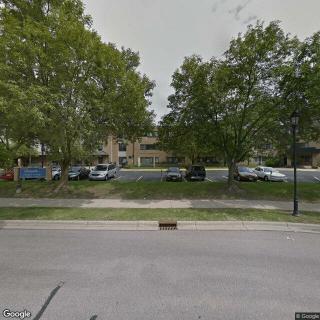
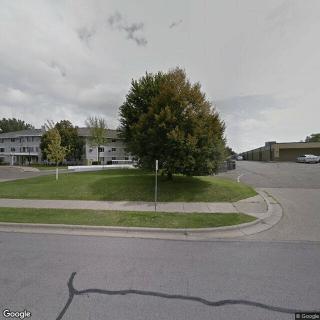
  • Garden Terrace Apartments

    Garden Terrace Apartments

    Little Canada, MN

    3.2 from 6 reviews
     

    pro Excellent proximity to parks, dining, healthcare, worship, and entertainment for an active lifestyle.

  • The Mayfield

    The Mayfield

    Little Canada, MN

    4.6 from 15 reviews
    $745 to $970 / month

    pro Very affordable pricing below county and state averages (1BR $745, 2BR $970).

  • The Lodge at Little Canada

    The Lodge at Little Canada

    Little Canada, MN

    4.4 from 27 reviews
    $1,082 to $1,265 / month

    pro Friendly, engaged community with attentive management and spacious, modern apartments plus on-site activities.

  • Good Sam Home Care

    Good Sam Home Care

    Little Canada, MN

     
    $3,100 to $4,150 / month

    pro 24/7 care with furnished apartments and extensive amenities.

  • Suite Living - Little Canada

    Suite Living - Little Canada

    Little Canada, MN

    4.4 from 5 reviews
    $7,700 / month

    pro Dedicated staff and comprehensive memory/assisted living services with in-room dining options.

  • Suite Living - Vadnais Heights

    Suite Living - Vadnais Heights

    Vadnais Heights, MN

    4.3 from 12 reviews
    $7,700 / month

    pro Caring staff with personalized care in a warm, engaging memory-care community.

  • The Preserve Of Roseville

    The Preserve Of Roseville

    Roseville, MN

    4.2 from 77 reviews
    $2,700 to $3,450 / month

    pro Beautiful facility with appealing dining and engaging activities.

  • Langton Shores

    Langton Shores

    Roseville, MN

    3.6 from 7 reviews
     

    pro Attentive staff and good meal service with a caring atmosphere.

Related Resources

  • end stage dementiaComprehensive Insights on the Late Stages of Dementia: What to Expect and How to Provide Care

    The article discusses the late stages of dementia, detailing the progression from mild to severe impairment and highlighting key characteristics such as profound cognitive decline and dependency in daily activities. It emphasizes care strategies focused on comfort and dignity, the importance of advance directives, and the emotional support needed for family caregivers facing this challenging journey.

  • list of drugs linked to dementiaMedications Associated with Dementia Risk: A Comprehensive Overview

    The article examines the link between certain medications and increased dementia risk, particularly in older adults, emphasizing that long-term or high-dose use of anticholinergics, benzodiazepines, and other drug classes can exacerbate cognitive impairment. It calls for careful medication evaluation and shared decision-making to mitigate these risks while managing treatment efficacy.

  • power of attorney for elderly parentGuiding Your Journey: Understanding Power of Attorney for Elderly Parents
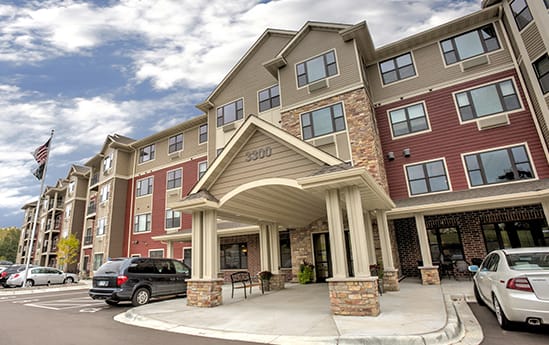
    The article emphasizes the significance of establishing a power of attorney for elderly parents to enable an agent to make decisions on their behalf regarding health and finances, especially during cognitive or physical decline. It outlines various types of power of attorney, the importance of consulting legal professionals, and the responsibilities and challenges faced by agents, while also discussing alternatives and common misconceptions.