Saint Therese of Woodbury offers competitive pricing for its living accommodations, particularly when compared to both Washington County and the broader Minnesota region. For a one-bedroom unit, residents can expect to pay $2,975, which is slightly higher than the county average of $2,771 yet remains under the state average of $2,893. The studio option is priced at $3,275, presenting a more affordable alternative to the county's average of $4,066 while being above the state's average of $3,617. The two-bedroom units are offered at $3,465; this rate exceeds both the county's average of $2,762 and Minnesota's statewide average of $2,955. Overall, Saint Therese provides a range of options that blend quality with value in a vibrant community setting.
Floor plans
Saint Therese of Woodbury
Washington County
Minnesota
1 Bedroom
$2,975
$2,771
$2,893
Studio
$3,275
$4,066
$3,617
2 Bedrooms
$3,465
$2,762
$2,955
Memory care communities with a similar price nearby
Several residents describe uneven care quality during stays.
In reviews about transitional care, some families report resolved issues after they escalated concerns, including diabetes checks and room or service problems. Others describe slow or ineffective responses, missed or incorrect medication, and difficulties getting help when call lights were used. A few reviews also mention inconsistencies in staffing or coordination, which sometimes affected medication timing and daily support. Overall, the experience appears to vary depending on the staff and situation reported.
common16 reviews mention this
Therapies and nursing get praise
Physical therapy and nursing are frequently praised for support.
Multiple reviewers highlight physical therapists and nursing as key strengths, describing help rebuilding strength, balance, and recovery after hospitalization. Several also credit social workers and nurses with coordinating needs and communicating with families. Even in reviews that raise other concerns, some still single out therapy or nursing staff as kind and competent. That pattern makes the therapeutic care feel more consistently positive than the surrounding logistics.
caveat10 reviews mention this
Meals receive mixed feedback
Dining quality is a recurring point of disagreement.
Some residents and families say meals were enjoyable or nutritious, including examples of specific favorites and the way food was delivered. Other reviews criticize meals as cold, inconsistent, or not matching dietary needs, and some describe errors with meal ordering or nutrition details. Several complaints also connect dining problems to staffing or service timing, like food arriving late or not being warm. Dining comes through as an area where experiences can differ significantly.
common28 reviews mention this
Staff friendliness shows up often
Many reviews describe staff as friendly and caring.
Across multiple reviews, residents and families praise staff for being kind, caring, and attentive to resident needs. Some describe staff as responsive when concerns were shared, and others highlight warmth across many roles, including front desk, social work, and care teams. There are also a number of negative reviews that complain about unfriendliness, rude behavior, or lack of responsiveness, so the tone is not uniform. Still, positive staff interactions appear frequently enough to be a major recurring theme.
common9 reviews mention this
Community has places to gather
The community offers activities and gathering spaces.
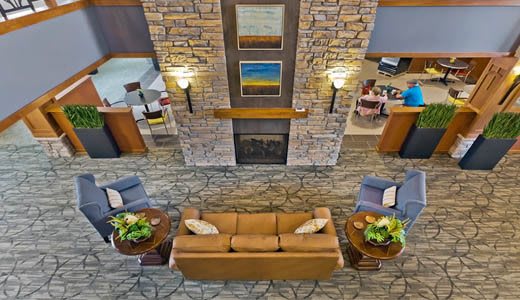
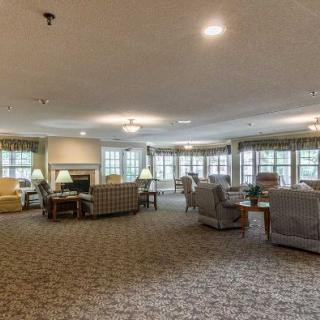
Reviews mention on-site activities such as bingo and group exercises, along with opportunities for social time like chatting with other residents. Several also describe a homelike environment with indoor common areas and spaces for visits. Some note devotional or religious programming as part of life at the community, and others mention entertainment like live music or a theater room. While a few reviews say activities were limited during specific periods, the presence of activity programming is still a common thread.
How we summarize
Counts show how many written reviews mention each theme; a review can touch several themes, and only frequently mentioned themes are displayed.
Features
Types of Care
Assisted Living
Memory Care
Pets
Cats allowed
Amenities
Activities on-site
Devotional services off-site
Indoor common areas
Respite or short term stays offered
Transportation
Minneapolis-St Paul International (14 miles away)
Care Services
Ambulatory care
Diabetic care
Incontinence care
Medication management
Dining
Meals provided
Activities
Activities on-site
Devotional activities offsite
Reminiscence programs
Sensory-based programs
Nearby Places of Interest
This part of Woodbury, Minnesota, offers a variety of amenities and services that would make it an ideal location for senior living. With several parks nearby, such as Ojibway Park and Kargel Park, residents can enjoy outdoor activities and leisurely strolls in nature. There are also numerous restaurants within easy reach, providing convenient dining options. In terms of healthcare, there are several pharmacies and medical facilities nearby, including Twin Cities Orthopedics Woodbury and Woodwinds Health Campus-Woodbury. Places of worship are also easily accessible for those seeking spiritual fulfillment. Additionally, the proximity to theaters like Alamo Drafthouse Woodbury offers entertainment options for seniors looking to stay active and engaged. Overall, this area of Woodbury provides a comfortable and well-rounded community for senior living.
Saint Therese of Woodbury offers competitive pricing for its living accommodations, particularly when compared to both Washington County and the broader Minnesota region. For a one-bedroom unit, residents can expect to pay $2,975, which is slightly higher than the county average of $2,771 yet remains under the state average of $2,893. The studio option is priced at $3,275, presenting a more affordable alternative to the county's average of $4,066 while being above the state's average of $3,617. The two-bedroom units are offered at $3,465; this rate exceeds both the county's average of $2,762 and Minnesota's statewide average of $2,955. Overall, Saint Therese provides a range of options that blend quality with value in a vibrant community setting.
Saint Therese of Woodbury offers a comprehensive approach to memory care through features like medication management, incontinence care, and sensory-based programs. Medication management ensures that residents receive their prescribed medications accurately and timely, reducing the risk of confusion or missed doses that can exacerbate cognitive decline. Incontinence care is designed to provide dignity and comfort, allowing residents to feel secure and supported, which can alleviate anxiety related to these challenges. Furthermore, sensory-based programs engage residents through tailored activities that stimulate their senses--such as music therapy, tactile experiences, and aromatherapy--helping to evoke positive memories and enhance emotional well-being. Together, these services create an environment where individuals living with dementia or Alzheimer's disease are cared for holistically, fostering both mental and physical health.
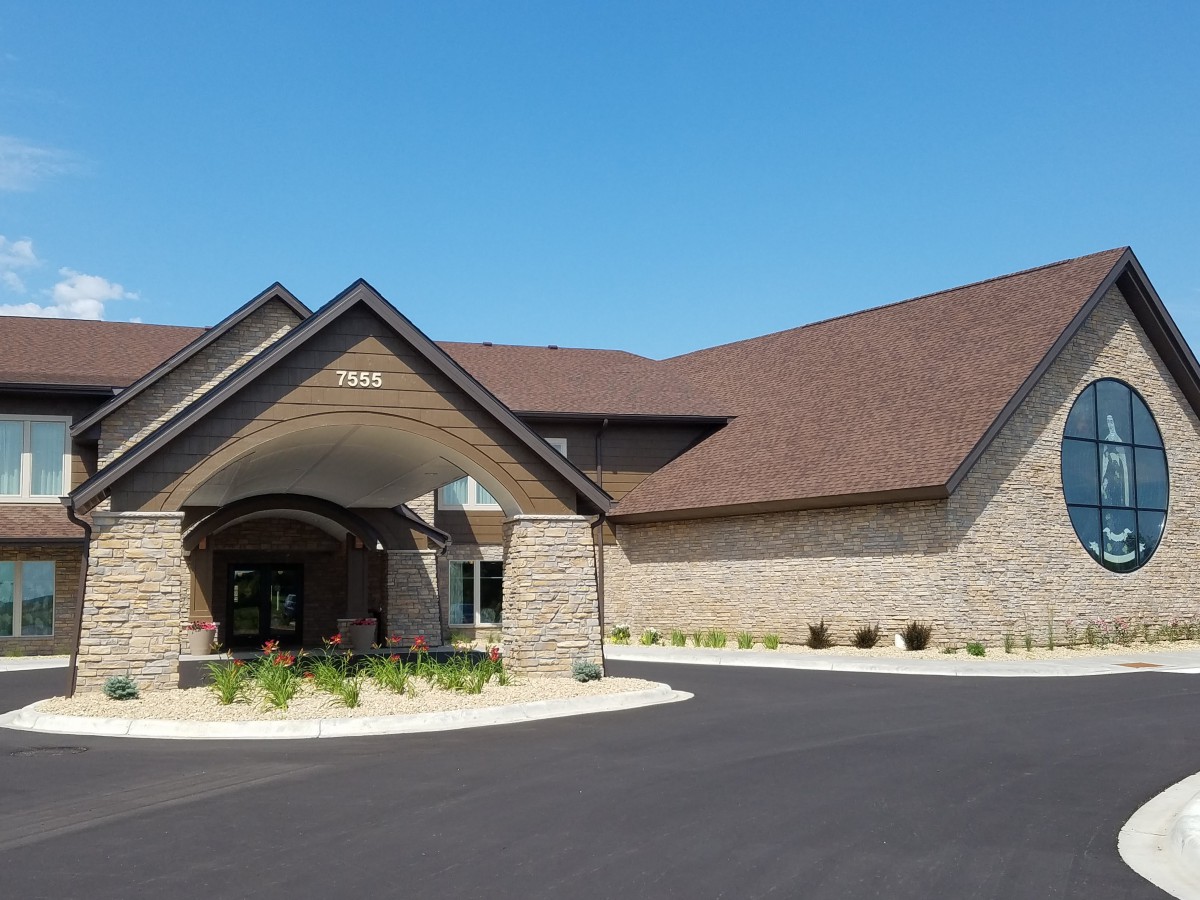
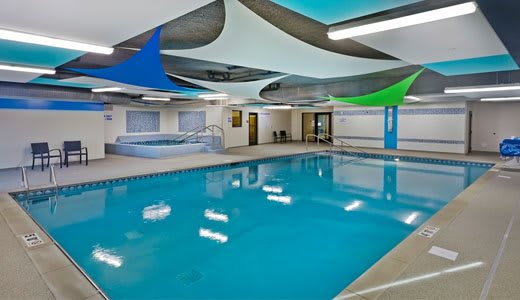
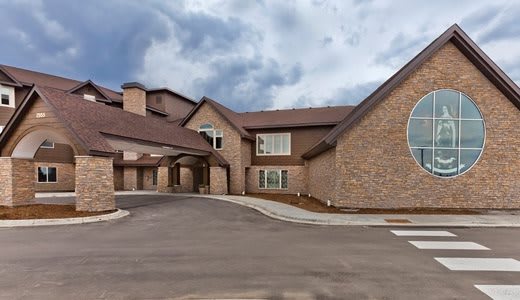
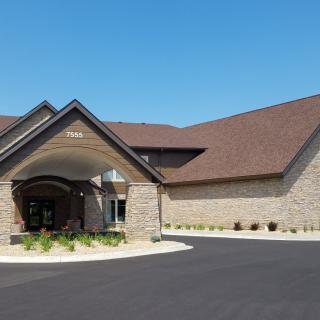
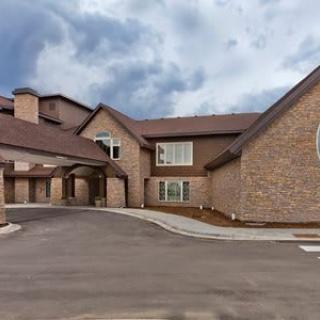
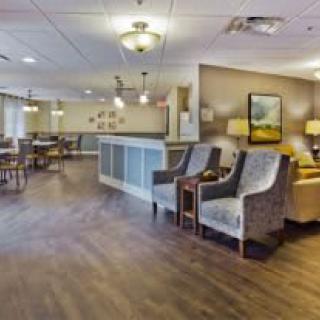
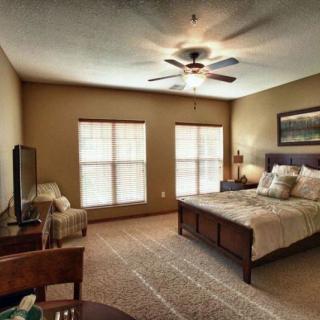
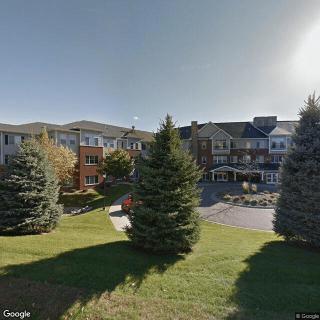
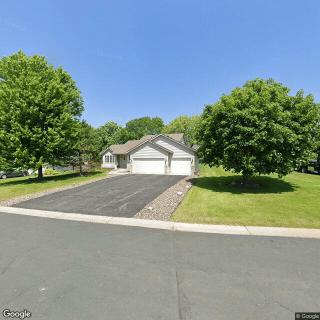
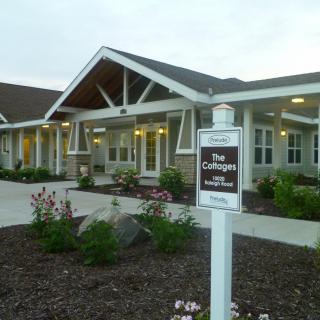
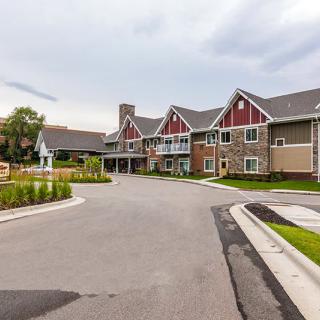
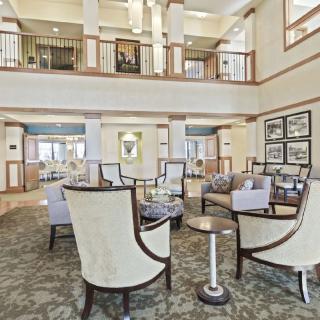
Saint Therese of Woodbury on seniors.fyi includes 6 photos including images showing lobby, interior, building, architecture, seating area, decor, lighting, entrance, and more.
Nearby Communities
Sotam Home Care
Woodbury, MN
5 from 20 reviews
24/7 supervision with medication management and mental wellness program; furnished apartments and on-site dining.
Sakinah Homes
Woodbury, MN
Fully furnished homes with 24/7 care and diabetes-friendly meals.
Greatercare Facilities I
Woodbury, MN
5 from 3 reviews
$5,300 to $6,000 / month
Attentive staff in a warm, home-like setting with comprehensive assisted living and memory care.
Stonecrest
Woodbury, MN
4.5 from 26 reviews
$2,495 to $3,330 / month
Vibrant, engaging community with friendly staff and bright, well-equipped apartments.
B & C Healthcare Services, LLC
Woodbury, MN
5 from 2 reviews
Greater Care Facilities
Woodbury, MN
3.2 from 79 reviews
24/7 supervision and comprehensive care in furnished accommodations.
Prelude Homes & Services
Woodbury, MN
4 from 20 reviews
$5,700 to $5,900 / month
Friendly, attentive staff in a home-like, well-maintained setting with engaged management.
New Perspective Senior Living l Woodbury
Woodbury, MN
4.4 from 68 reviews
$2,700 to $4,119 / month
Excellent care with friendly staff in a clean, modern setting.
The Waters of Oakdale
Oakdale, MN
4.5 from 109 reviews
$1,950 to $3,470 / month
Friendly, attentive staff; bright, well-maintained spaces with engaging activities and multiple care options.
Dementia often results in disrupted sleep patterns, leading to excessive daytime sleeping due to factors like brain damage affecting circadian rhythms, medication side effects, and lack of structure in daily activities. Caregivers must monitor these changes closely, as oversleeping can increase risks such as malnutrition or dehydration, and provide necessary support and routines to enhance patient engagement and well-being.
The transition from assisted living to skilled nursing care is often prompted by complex medical needs that assisted living cannot meet, with key indicators including frequent health declines, increased falls, severe memory issues, and caregiver burnout. Families should recognize these signs early to discuss options with healthcare providers and prepare for the emotional and logistical aspects of moving to a facility that offers comprehensive medical support.
Dementia is characterized by cognitive decline, with nutrition playing a vital role in brain health; while no specific diet can prevent or reverse it, a nutrient-dense diet rich in antioxidants and healthy fats may support cognitive function. The MIND diet, which emphasizes beneficial foods and limits processed items, along with proper hydration and individualized meal strategies, can enhance the well-being of dementia patients.
Get PricingAsk A QuestionSchedule A TourContact Senior Advisor
By clicking submit, you agree to our Partner's Terms of Use. You
also consent to receive calls and texts, which may be autodialed, from our Partner. Your consent is not a condition to
using our Partner's service. Please visit our Partner's Privacy Policy for information about their privacy practices.








 Assisted Living
 Memory Care
 Cats allowed
 Activities on-site
 Devotional services off-site
 Indoor common areas
 Respite or short term stays offered
 Minneapolis-St Paul International (14 miles away)
 Ambulatory care
 Diabetic care
 Incontinence care
 Medication management
 Meals provided
 Sensory-based programs
 24/7 supervision with medication management and mental wellness program; furnished apartments and on-site dining.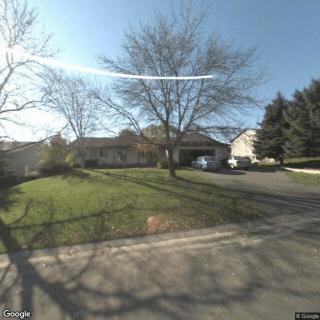
 Why Do Dementia Patients Sleep So Much? Understanding Oversleeping, Stages, and Care Approaches
 8 Key Indicators That Suggest It May Be Time to Transition from Assisted Living to Skilled Nursing Care
 Nourishing the Mind: Essential Dietary Approaches for Dementia