
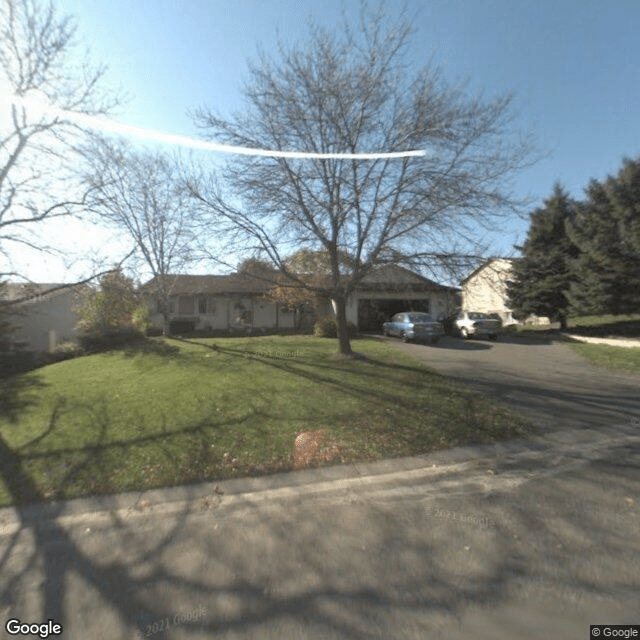
9377 Newcastle Road, Woodbury, MN 55125
For more information about senior living options: (866) 208-4318
Greatercare Facilities I Costs & Pricing
Greatercare Facilities I offers a range of living options, with monthly costs that reflect the premium care and amenities provided. For a private room, residents can expect to pay $5,300, which is slightly higher than the average in Washington County at $4,952 and Minnesota's state average of $5,090. The semi-private room option is priced at $5,500, again above both local and state averages of $4,649 and $4,051, respectively. The facility's studio apartment stands out with a monthly fee of $6,000, significantly surpassing Washington County's average of $4,066 and Minnesota's state figure of $3,617. These rates highlight Greatercare Facilities I as a premium option within the region's senior living landscape, reflecting its commitment to high-quality care tailored to individual needs.
| Floor plans | Greatercare Facilities I | Washington County | Minnesota |
|---|---|---|---|
| Private | $5,300 | $4,952 | $5,090 |
| Semi-Private | $5,500 | $4,649 | $4,051 |
| Studio | $6,000 | $4,066 | $3,617 |
Memory care communities with a similar price nearby
-
from -$700 / mo

Comforts of Home Memory Care - River Falls
$4,600 to $4,700 / month14.9 miles away -
from -$1005 / mo
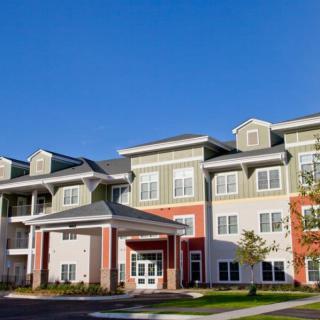
Keystone Place at LaValle Fields
$4,295 to $5,695 / month17.8 miles away -
from +$950 / mo
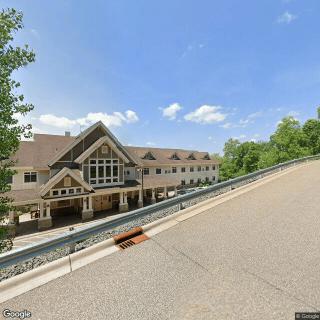
White Pine Senior Living - Cottage Grove II
$6,250 / month5.6 miles away -
About the same

Cherrywood Pointe Of Roseville
$5,305 / month15.7 miles away -
from +$985 / mo

Walker Methodist Highview Hill
$6,285 / month23.5 miles away
Overall Review of Greatercare Facilities I
Pros
 The company provided a great experience, with a case worker who was helpful, attentive, and accommodating.
- The reviewer would recommend the company to family and friends.
- Brittany is very nice to work with and knowledgeable in her job.
- The place was loved, with wonderful staff who left a strong impression.
- It is an all-woman place, with staff who feel like family in a house-like setting.
Cons
 There was a waiting list and no near-term openings.
- It did not seem there would be an opening in the near future.
Review
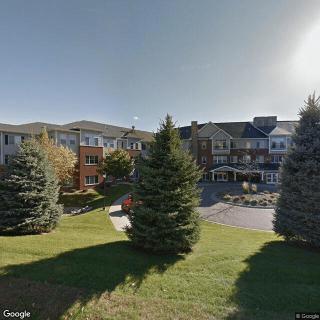
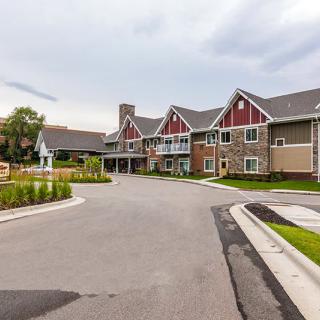
Greatercare Facilities I in Woodbury, MN is best suited for families seeking a warm, home-like setting for a senior loved one who thrives on close, individualized attention. The reviews consistently spotlight a small, house-like ambiance and a staff that feels approachable and genuinely involved in daily routines. The environment leans toward an all-women vibe, with residents whose mannerisms and needs seem to align with the caregiver dynamic, which can translate into smoother social integration and a reassuring sense of kinship for mothers or mother-figures. For families prioritizing texture over formality, a personal, neighborly rhythm rather than a clinical campus, this community presents a compelling match.
That said, there are clearly important caveats. Families needing quick placement or seeking a mixed-gender or larger-scale facility should consider alternatives. One review notes a waiting list and the sense that openings may not arrive in the near term, a real constraint for transitions bounded by timing. If the resident requires immediate access or prefers a more standard, 24/7 structured program with broader resident diversity, this community may not fit those timelines or preferences.
On the plus side, the strongest pro is the people. A case worker described as helpful, attentive, and accommodating can transform the logistics of moving and ongoing care, easing insurance matters, scheduling, and care planning. Brittany, highlighted as nice to work with and knowledgeable, signals reliable points of contact who can demystify the process and keep lines of communication open. The house-like atmosphere and the impression of a tight-knit, all-female community contribute to a sense of belonging that can lift daily mood and reduce anxiety about transitions.
That combination of personal touch and environment often translates into practical advantages: easier social integration for residents who share similar backgrounds, more hands-on oversight from staff who treat residents like family, and less bureaucratic friction when coordinating services. The emphasis on a comfortable, homey setting also makes daily routines, meals, activities, and quiet times, feel more natural than the stark routines sometimes found in larger facilities. Taken together, these factors can offset several common move-related frictions, particularly for families prioritizing smooth, relational care over formal rigidity.
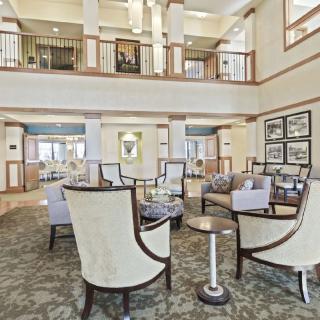
Still, the realities of a small, all-women residence must be weighed carefully. The very elements that create warmth, the family-like size, intimate staff-to-resident ratios, and a purposeful homelike design, also limit openings and resident mix. If gender composition matters to the family or if the resident would benefit from gender-diverse peer groups, the fit may be narrower. It remains essential to verify current census, the latest availability timelines, and whether any shifts in gender composition or capacity have occurred since the reviews were written.
The practical takeaway is clear: Greatercare Facilities I stands out for warmth, personal attention, and a home-like rhythm that often suits seniors who prioritize companionship and accessible care coordination. It is particularly well-suited for mothers, sisters, or female-identifying residents who appreciate a familial feel and a straightforward point of contact with a capable case manager. For those who cannot tolerate delays or who require a broader, more clinical setting with faster openings, alternatives should be explored. Engaging early with Brittany or the designated case worker, confirming current openings, and outlining a realistic move timeline will help families decide quickly whether this community aligns with the care goals and budget.
 5 resident community capacity
 Assisted Living
 Board and Care Home
 Memory Care
 Activities off-site
 Cable or satellite TV
 Dining room
 Fully furnished
 Garden
 Housekeeping services
 Indoor common areas
 Move-in coordination
 Outdoor common areas
 Private
 Respite or short term stays offered
 Telephone
 Wheelchair accessible showers
 Wi-Fi/high-speed internet available
 Minneapolis-St Paul International (15 miles away)
 24-hour supervision
 Ambulatory care
 Assistance with bathing
 Assistance with dressing
 Assistance with transfers
 Diabetes diet
 Diabetic care
 High acuity care
 Incontinence care
 Meal preparation and service
 Medication management
 Special dietary restrictions
 Transportation arrangement (medical)
 Transportation to doctors appointments
 Medications Associated with Dementia Risk: A Comprehensive Overview
 Guiding Your Journey: Understanding Power of Attorney for Elderly Parents
 22 Remarkable Caregiver Support Groups Available Online and In-Person