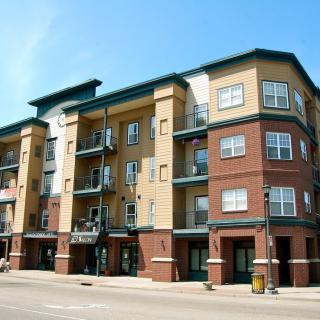
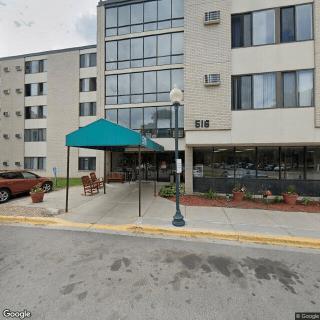
Reliacare Home Health II in St. Paul, MN

751 Sherburne Avenue, St. Paul, MN 55104

For more information about senior living options: (844) 490-3973

3 from 2 reviews
Assisted Living

Overall Review of Reliacare Home Health II

Pros

  • pro They view public parking as a shared resource for residents and patients.
  • pro They support fair and accessible parking for everyone in the area.
  • pro They advocate for respectful, constructive communication when addressing parking issues.
  • pro They value a sense of community where parking rules apply to all.

Cons

  • pro They don't get proper parking for their patients.
  • pro They harassed the reviewer in their home.
  • pro They left a rude note.
  • pro They banged on doors and windows over public parking.
  • pro They slashed the tires.
  • pro The property manager did not care and defended the residents.

Review

Reliacare Home Health II in St. Paul is best suited for families that want in-home health support delivered by a small, home-based agency. This setup benefits clients who prioritize personal attention, predictable one-on-one caregiver interaction, and the convenience of care delivered in the familiar surroundings of home. When a client's needs fit within the agency's typical visit structure and the goal is to maintain independence without transitioning to a facility, Reliacare can be a practical choice. The emphasis on individualized care can translate into responsive, hands-on support during scheduled visits, which is the core value proposition for many seniors who prefer aging in place with professional assistance.

That said, there are clear reasons to consider alternatives. Families that require ironclad reliability in access logistics, especially around parking and neighborhood interactions, should proceed with caution. The limited but troubling feedback points to a troubling pattern of conflict surrounding public parking and interactions with neighbors that can complicate routine care. If smooth, non-confrontational access to the home is non-negotiable, looking at other providers with stronger on-site coordination and clearer parking policies is wise. Likewise, those seeking a consistently positive community reputation across multiple clients may want to compare options with more robust track records.

The mixed reviews hint at a nuanced reality: some clients or observers perceive care and responsiveness as strengths, while the most salient drawbacks appear to center on community logistics and interpersonal friction. A single five-star perspective suggests that when things align - caregiving personnel, schedules, and the home environment - the service can meet expectations within the bounds of in-home health. However, the presence of at least one low rating alongside a single high rating signals uneven experiences. In decision-making terms, this means benefits are real but not uniformly realized, and risks cluster around how the operation manages access, communication, and neighbor relations.

The most concrete and recurring concern involves parking and the resulting neighbor tensions. Reports from a neighbor describe improper patient parking, harassment, disruptive behavior at the home, and even property damage, with the property manager appearing reluctant or unable to intervene decisively. Such issues have a direct impact on the safety and predictability of care. They can create daily stress for clients and families, complicate emergency access, and undermine trust in the vendor's ability to maintain a respectful, orderly environment around the home. When transportation and arrival times hinge on neighborhood dynamics, the reliability of the entire care plan can feel compromised.

For families weighing options, a practical decision framework is essential. Verify current clients' experiences about scheduling reliability, caregiver consistency, and how the agency communicates delays or changes. Probe for specifics on parking arrangements, including whether parking is assigned, whether staff or clients have designated spots, and what steps are taken when conflicts arise. Ask for a clear escalation process for neighborhood disputes and demand examples of how management has resolved similar incidents. Where possible, request recent references and, if feasible, conduct a short site visit to observe the cadence of visits and the scene at the home.

Ultimately, Reliacare Home Health II presents a trade-off: potential high-touch, home-based care in a small-provider setting versus exposure to neighborhood- and parking-related tensions that can undermine the care experience. For families prioritizing intimate caregiver relationships and the comfort of in-home services, the positives can be meaningful when operations run smoothly. But when access, community management, and neighbor conflicts ripple into daily routines, the cons can overshadow the benefits. In such cases, it is prudent to compare with larger, better-established agencies or other home-health providers in St. Paul that demonstrate steadier logistics, clearer policies, and more consistent reputations - especially where parking, access, and neighbor relations are concerned.

Features

Housing

  • 5 resident community capacity 5 resident community capacity

Types of Care

  • Assisted Living Assisted LivingAssisted living facilities provide crucial support and care for seniors who may need help with daily tasks such as medication management, bathing, and meal preparation. These communities offer a safe and comfortable environment where seniors can maintain their independence while receiving the assistance they need to thrive in their golden years.

Amenities

  • Cable or satellite TV Cable or satellite TVCable or satellite TV is important for seniors because it provides entertainment, news, and companionship, helping to combat loneliness and boredom. It also offers a wide range of programming options tailored to different interests and preferences.
  • Dining room Dining roomDining rooms are important for seniors as they provide a space for socialization, connection, and nutritious meals. They offer opportunities for residents to bond over shared meals, foster a sense of community, and promote healthy eating habits. Dining rooms also ensure that seniors have access to well-balanced meals tailored to their dietary needs and preferences.
  • Fully furnished Fully furnishedFully furnished senior living communities are important for seniors because they provide convenience, comfort, and a hassle-free moving experience. Seniors can easily settle into their new living space without the stress of having to buy and move furniture. This allows them to focus on enjoying their new home and community.
  • Garden GardenGardens are important for seniors as they provide a peaceful and therapeutic environment for relaxation, physical activity, and socialization. Being in nature has been shown to reduce stress, improve mood, and promote overall well-being. Gardens also offer opportunities for seniors to engage in gardening activities, which can improve mobility, flexibility, and cognitive function. Additionally, gardens create a sense of community and connection with others who share a passion for plants and outdoor spaces.
  • Housekeeping services Housekeeping servicesHousekeeping services are important for seniors because they help maintain a clean and safe living environment, promote independence, and reduce the risk of accidents or illnesses. Additionally, having assistance with household chores can alleviate physical strain and allow seniors to focus on other aspects of their well-being.
  • Move-in coordination Move-in coordinationMove-in coordination is important for seniors because it helps ease the transition into their new living environment. It ensures that all logistics, such as packing, organizing movers, and setting up utilities are taken care of, allowing seniors to focus on settling in and adjusting to their new home. Having a smooth move-in process can alleviate stress and anxiety, making the transition smoother and more enjoyable for seniors.
  • Outdoor space Outdoor spaceOutdoor spaces are important for seniors as they provide opportunities for physical activity, social interaction, exposure to natural light and fresh air, and a sense of connection to nature. Having access to outdoor spaces can improve overall well-being and quality of life for older adults living in senior communities.
  • Telephone TelephoneTelephones are important for seniors as they provide a lifeline for communication with loved ones, emergency services, and healthcare providers. They offer a sense of security and independence, enabling seniors to stay connected and access assistance when needed.
  • Wi-Fi/high-speed internet available Wi-Fi/high-speed internet availableWi-Fi/high-speed internet is important for seniors to stay connected with loved ones, access online resources, and participate in virtual activities to combat feelings of loneliness and isolation. It also allows them to easily manage healthcare needs, access entertainment, and engage in lifelong learning opportunities.

Transportation

  • Minneapolis-St Paul International (7 miles away) Minneapolis-St Paul International (7 miles away)

Care Services

  • 24-hour supervision 24-hour supervision24-hour supervision is important for seniors to ensure their safety, well-being, and access to immediate assistance in case of emergencies or health issues. This constant support provides peace of mind for both seniors and their loved ones, allowing them to age in place with dignity and security.
  • Activities of daily living assistance Activities of daily living assistanceActivities of daily living assistance are important for seniors because they provide essential support with tasks such as eating, bathing, dressing, and mobility. This assistance helps seniors maintain their independence, dignity, and overall quality of life as they age.
  • Assistance with bathing Assistance with bathingAssistance with bathing is crucial for seniors as it helps maintain personal hygiene, prevents infections, and ensures their overall well-being and comfort. It also provides a sense of dignity and independence for seniors who may struggle with this task on their own.
  • Assistance with dressing Assistance with dressingAssistance with dressing is important for seniors because it helps maintain their independence, promotes personal hygiene, prevents accidents and injuries, and improves overall quality of life. This service ensures that seniors can continue to dress comfortably and confidently, despite any physical limitations they may have.
  • Assistance with transfers Assistance with transfersAssistance with transfers is crucial for seniors as it helps prevent falls and injuries, maintains their independence, and ensures they can safely navigate their living environment. It also provides peace of mind for both seniors and their loved ones.
  • Coordination with health care providers Coordination with health care providersCoordination with health care providers is crucial for seniors to ensure proper medical care, medication management, and overall well-being. This collaboration helps prevent overlapping treatments, track progress more effectively, and provide comprehensive support tailored to individual needs.
  • Diabetes diet Diabetes dietA diabetes diet is crucial for seniors as it helps manage blood sugar levels, reduce risks of complications, and improve overall health and well-being. By following a balanced and nutritious diet tailored to their specific needs, seniors can better control their diabetes and enhance their quality of life.
  • Meal preparation and service Meal preparation and serviceMeal preparation and service are crucial for seniors as they may have limited mobility or energy to cook nutritious meals. Having access to healthy and convenient food options can ensure they are getting the proper nutrition needed to maintain their overall health and well-being.
  • Medication management Medication managementMedication management is crucial for seniors to ensure they are taking the right medications at the correct dosages and times. This helps prevent adverse drug interactions, reduces the risk of medication errors, and promotes overall health and well-being. Proactive management also allows for adjustments as needed based on changing health conditions or new prescriptions.
  • Special dietary restrictions Special dietary restrictionsSpecial dietary restrictions are important for seniors because age-related changes in metabolism and health conditions can make it difficult for their bodies to process certain foods. By following a diet tailored to their specific needs, seniors can maintain their overall health and well-being, manage chronic conditions, and reduce the risk of complications such as malnutrition or food interactions with medications.
  • Transportation arrangement (medical) Transportation arrangement (medical)Transportation arrangements for medical purposes are essential for seniors as they may have difficulty driving themselves to appointments or accessing public transportation. Having reliable and safe transportation options ensures that seniors can receive timely medical care and maintain their health and well-being.
  • Transportation to doctors appointments Transportation to doctors appointmentsTransportation to doctors' appointments is crucial for seniors as it ensures they have access to necessary medical care and support for their health needs. Without reliable transportation, seniors may struggle to attend important appointments, leading to potential delays in treatment and health complications. Providing transportation services helps seniors maintain their overall well-being and quality of life.

Dining

  • Diabetes diet Diabetes dietA diabetes diet is crucial for seniors as it helps manage blood sugar levels, reduce risks of complications, and improve overall health and well-being. By following a balanced and nutritious diet tailored to their specific needs, seniors can better control their diabetes and enhance their quality of life.
  • Special dietary restrictions Special dietary restrictionsSpecial dietary restrictions are important for seniors because age-related changes in metabolism and health conditions can make it difficult for their bodies to process certain foods. By following a diet tailored to their specific needs, seniors can maintain their overall health and well-being, manage chronic conditions, and reduce the risk of complications such as malnutrition or food interactions with medications.

Activities

  • Community-sponsored activities Community-sponsored activitiesCommunity-sponsored activities are important for seniors as they provide opportunities for social interaction, mental stimulation, and physical activity. These activities can help improve overall well-being, combat loneliness and isolation, and promote a sense of belonging and purpose among older adults.
  • Scheduled daily activities Scheduled daily activitiesScheduled daily activities are important for seniors because they provide structure, socialization, mental stimulation, and physical activity. Engaging in regular activities can improve overall well-being and quality of life for seniors living in a community setting.

Description

Reliacare Home Health II in St. Paul, MN is an assisted living community that offers a range of amenities and care services to ensure the comfort and well-being of its residents.

The community provides a dining room where residents can enjoy delicious meals prepared by the staff. The accommodations are fully furnished, allowing residents to move in seamlessly without having to worry about furnishing their living space. Additionally, there is a garden and outdoor space for residents to relax and enjoy nature.

Housekeeping services are provided to maintain cleanliness and tidiness within the community. Move-in coordination is also available to assist new residents in settling into their new home smoothly.

Residents have access to telephone services and Wi-Fi/high-speed internet, allowing them to stay connected with loved ones and remain engaged with the online world.

In terms of care services, Reliacare Home Health II offers assistance with activities of daily living such as bathing, dressing, and transfers. The staff also coordinates with health care providers to ensure that residents receive appropriate medical attention and medication management. Special dietary restrictions, including diabetes diets, are catered for during meal preparation and service.

Transportation arrangements for medical appointments are available to ensure that residents can attend necessary healthcare visits conveniently. In addition, there are various nearby amenities such as cafes, parks, pharmacies, physicians' offices, restaurants, transportation options, places of worship, theaters, and hospitals.

Overall, Reliacare Home Health II provides a comfortable assisted living environment with comprehensive care services and convenient amenities nearby for the convenience and enjoyment of its residents.

Nearby Places of Interest

Pharmacies

  • Walgreens (1.2 miles)
  • CVS Pharmacy (2.4 miles)
  • Walgreens (2.5 miles)
  • Walgreens (3.9 miles)
  • Walgreens (4 miles)
  • Walgreens (4.5 miles)
  • CVS Pharmacy (4.7 miles)

Cafes

  • Groundswell (1.2 miles)
  • Starbucks (1.3 miles)
  • Roundtable Cof (3.3 miles)

Places of Worship

  • St George Greek Orthodox Church (1.3 miles)
  • Cathedral of St Paul (1.3 miles)
  • WW Studio (3 miles)
  • St Jerome Elementary School (3.7 miles)

Hospitals

  • United Hospital Joint Relacement Center (1.5 miles)
  • St Joseph's Hospital-St Paul (1.7 miles)
  • Regions Hospital Burn Center (1.8 miles)
  • University of Minnesota Medical Center - East Bank Campus (4.9 miles)
  • VA Medical Center (5.2 miles)
  • Hennepin County Medical Center (6.5 miles)

Restaurants

  • Brew Hall (1.6 miles)
  • Cossetta's Italian Market & Pizzeria (1.6 miles)
  • Taco Bell (1.7 miles)
  • Citizen Supper Club (2.1 miles)
  • The Bulldog Lowertown (2.2 miles)
  • Bole' Ethiopian Cuisine (2.3 miles)
  • BlackStack Brewing (2.6 miles)

Physicians

  • Dermatology Consultants P.A. (1.8 miles)
  • Parkway Family Physicians (3.1 miles)
  • West Side Community Health Services (3.2 miles)
  • HealthPartners Health Center for Women Clinic St Paul (3.7 miles)
  • Entira Family Clinics-West St Paul (5 miles)
  • Dakota Medical Solutions (5.1 miles)
  • Retina Center (5.6 miles)

Parks

  • Como Park (1.8 miles)
  • Central Park Playground (4.3 miles)
  • Longfellow Park (4.5 miles)
  • Wabun Picnic Area (4.5 miles)
  • Hidden Falls Park (4.7 miles)
  • Franklin Terrace Off-Leash Dog Park (4.7 miles)
  • Flicek Park (4.8 miles)

Transportation

  • Union Depot (2.3 miles)
  • Minnesota State Fair Transit Hub (2.8 miles)
  • Delta Sky Club (6.2 miles)
  • Concourse A (6.2 miles)
  • Concourse C (6.3 miles)
  • Concourse D (6.3 miles)
  • Escape Lounge (6.3 miles)

Theaters

  • AMC Rosedale 14 (4.3 miles)

Frequently Asked Questions

Where is Reliacare Home Health II?

Nearby Communities

  • Heart2Heart Home Health Care I

    Heart2Heart Home Health Care I

    Saint Paul, MN

    3.7 from 3 reviews
     

    pro Personalized care with 24/7 supervision and diabetes/dietary-friendly dining.

  • Reliacare Home Health I

    Reliacare Home Health I

    St. Paul, MN

    3 from 2 reviews
     

    pro Fully furnished apartments with meals, housekeeping, outdoor spaces, and coordinated care.

  • Divine Healthcare Network

    Divine Healthcare Network

    St Paul, MN

    3 from 6 reviews
     

    pro Comprehensive assisted living with 24-hour supervision, medication management, a mental wellness program, and engaging activities.

  • Sunshine

    Sunshine

    St Paul, MN


    pro 24/7 care with restaurant-style dining and furnished, amenity-rich apartments.

  • My Home Health Care

    My Home Health Care

    St Paul, MN


    pro 24/7 supervision with coordinated medical care and meals that accommodate dietary needs.

  • A Helping Hand Senior Care Service II

    A Helping Hand Senior Care Service II

    St. Paul, MN

    4.3 from 6 reviews
     

    pro Small, fully furnished assisted living with 24-hour supervision, meals, medication management, and transportation for medical appointments.

  • New Perspective Roseville

    New Perspective Roseville

    Roseville, MN

    4.3 from 60 reviews
     

    pro Friendly staff and pleasant accommodations.

  • Phalen Senior Lofts

    Phalen Senior Lofts

    Saint Paul, MN

    4 from 24 reviews
    $944 to $1,044 / month

    pro Diligent management, clean, friendly community; notably affordable rents for the area.

  • Humboldt Apartments Senior

    Humboldt Apartments Senior

    St. Paul, MN


    pro Convenient access to amenities (cafes, parks, pharmacies, hospitals, restaurants, theaters).

Related Resources

  • assisted living vs memory careAssisted Living and Memory Care: Understanding Their Core Differences

    Assisted living provides moderate support for seniors seeking independence, while memory care offers specialized support for individuals with dementia or cognitive impairments through structured routines and trained staff. Key differences include care approaches, environment security measures, staff training levels, activity types, and cost considerations.

  • assisted living activitiesBeyond the Bingo Hall: 50+ Enriching Activities for Seniors in Assisted Living

    Assisted living communities offer diverse activities beyond traditional games to enhance seniors' physical health, cognitive well-being, emotional enrichment, and social connections, including fitness classes, creative expression, and intergenerational interactions. These enriching programs foster community bonds and support residents' independence and happiness.

  • assisted living vs memory careUnderstanding the Distinctions: Assisted Living and Memory Care Explained

    The article differentiates between assisted living and memory care, explaining that assisted living supports seniors with daily activities while promoting independence, whereas memory care provides specialized services for individuals with dementia, focusing on secure environments and cognitive support. It also addresses staff training, safety considerations, costs, family involvement, and transition strategies for families navigating these care options.