Divine Healthcare Network

856 University Avenue West, St Paul, MN 55104

For more information about senior living options: (844) 490-3973

3 from 6 reviews
5 stars
3
4 stars
0
3 stars
0
2 stars
0
1 stars
3

Assisted Living

What level of care are you interested in?

Assisted Living

Memory Care

Independent Living

Skilled Nursing Facility

Continuing Care Retirement Community (CCRC)CCRC

Other


Request a tour at Divine Healthcare Network

    Overall Review of Divine Healthcare Network

    Cons

    • pro The reviewers say the workers are untrained and bring their problems to vulnerable clients.
    • pro They claim the workers don't know what to do and don't even show up for work.
    • pro They describe the company as unresponsive and full of excuses.
    • pro They note the workers have housing problems and may take off for a week.
    • pro They report late-night harassment and hang-up calls when they complain about missed shifts.
    • pro They state the mom was treated horribly, with constant lying and promises of help that arrived days later.
    • pro They mention a shopper who was gone four hours at the grocery store and returned with only $10 in change that couldn't be accounted for.
    • pro They give negative stars, expressing overall dissatisfaction with the service.

    Review

    Across several firsthand accounts, a troubling pattern emerges around a home care operation that families hoped would provide reliable, compassionate support for vulnerable loved ones. The recurring thread is that the workers themselves are often described as untrained, ill-prepared, and distracted by personal problems that they somehow bring into the clients' homes. Review after review notes that caregivers show up late, or not at all, leaving families and patients without essential assistance just when they need it most. The writers emphasize that the problems extend beyond occasional missteps; they point to systemic issues such as workers facing housing difficulties, taking extended time off, or simply disappearing for a week. For families already navigating health concerns, these gaps feel like a dangerous combination of neglect and risk.

    Many reviewers describe a hospital-to-home transition that should be a critical moment of support, yet instead becomes a source of renewed stress. The caregivers are depicted as ill-equipped to handle even basic tasks, and their personal struggles - whether housing instability or other problems - are portrayed as spilling over into the care setting. The result, according to the accounts, is insufficient supervision, inconsistent coverage, and a service that cannot reliably meet its basic promises. One reviewer even notes "Not got place to work," a phrase that captures a perceived lack of stability and accountability within the workforce. The overarching takeaway for these families is that the supposed caregivers are not prepared to fulfill the responsibilities that patients and their families rely on every day.

    The management side of the story mirrors the caregivers' shortcomings. Reviewers complain that the company is unresponsive and full of excuses, undermining trust precisely when trust is crucial. They describe attempts to document the problem - "proof of their in place calling" - only to face harassment in return. Late-night calls and hang-ups after a complaint are reported as common, suggesting a culture that reacts defensively rather than addressing concerns constructively. In this view, what should be a cooperative relationship between family, patient, and provider devolves into a tense, adversarial dynamic in which families feel monitored and overwhelmed rather than supported.

    The impact on the patient's well-being is a central concern throughout the narratives. One reviewer recounts fear for a loved one's mental health, stating that their mother could have "a nervous breakdown" due to the treatment she received. Another person details a pattern of lying and broken promises - promises that someone would be on the way, only to be followed by delays of days. The sense of instability is sharpened by anecdotes of staff failing to keep promises about timely arrival, which only compounds the worry that essential care and safety checks will be missed. For families already under strain, these experiences feel like undermining the very purpose of in-home care.

    A particularly troubling vignette concerns a shopper who was supposed to be accompanying a client but instead disappeared for hours at the grocery store. When they returned, there was uncertainty and concern about money and accounting - a receipt showing only $10 in change that could not be reconciled. The incident is framed as a "nightmare after nightmare," a phrase that appears repeatedly in the reviews to convey the cumulative sense of chaos, mistrust, and fear that families associate with the service. Taken with the other accounts of delays, miscommunication, and perceived dishonesty, it becomes hard for readers to see the operation as a reliable partner in care.

    Overall, the collective voice in these accounts is a clear warning to families seeking care: the combination of untrained staff, instability in coverage, and a company culture described as unresponsive and aggressive in defense of its practices creates a high-risk environment for vulnerable clients. The reviewers often express a wish to avoid the company altogether, underscoring how difficult it is to entrust a loved one to a service that feels unpredictable and unsupportive. The sentiment is bluntly negative, with some reviewers equating the experience to risking life and well-being.

    In sum, the reviews paint a cohesive, troubling portrait of a home care provider whose shortcomings extend far beyond occasional lapses. The issues span staffing instability, inadequate training, personal problems affecting professional duties, poor management responsiveness, and troubling interactions with clients and their families. While every caregiver situation can be challenging, these accounts argue that this particular company frequently fails to meet the basic standard of dependable, compassionate, and accountable care that families depend on when a loved one is vulnerable. The result is a recommendation to proceed with extreme caution, if at all, and a broader call for improved oversight and stronger, more reliable care practices.

    Features

    Housing

    • 21 resident community capacity 21 resident community capacity

    Types of Care

    • Assisted Living Assisted LivingAssisted living facilities provide crucial support and care for seniors who may need help with daily tasks such as medication management, bathing, and meal preparation. These communities offer a safe and comfortable environment where seniors can maintain their independence while receiving the assistance they need to thrive in their golden years.

    Amenities

    • Beauty salon Beauty salonBeauty salons are important for seniors because they provide a space for them to feel pampered, socialize, and maintain their personal grooming and hygiene. Regular visits to a beauty salon can help boost seniors' self-esteem and overall well-being.
    • Cable or satellite TV Cable or satellite TVCable or satellite TV is important for seniors because it provides entertainment, news, and companionship, helping to combat loneliness and boredom. It also offers a wide range of programming options tailored to different interests and preferences.
    • Dining room Dining roomDining rooms are important for seniors as they provide a space for socialization, connection, and nutritious meals. They offer opportunities for residents to bond over shared meals, foster a sense of community, and promote healthy eating habits. Dining rooms also ensure that seniors have access to well-balanced meals tailored to their dietary needs and preferences.
    • Fully furnished Fully furnishedFully furnished senior living communities are important for seniors because they provide convenience, comfort, and a hassle-free moving experience. Seniors can easily settle into their new living space without the stress of having to buy and move furniture. This allows them to focus on enjoying their new home and community.
    • Garden GardenGardens are important for seniors as they provide a peaceful and therapeutic environment for relaxation, physical activity, and socialization. Being in nature has been shown to reduce stress, improve mood, and promote overall well-being. Gardens also offer opportunities for seniors to engage in gardening activities, which can improve mobility, flexibility, and cognitive function. Additionally, gardens create a sense of community and connection with others who share a passion for plants and outdoor spaces.
    • Housekeeping services Housekeeping servicesHousekeeping services are important for seniors because they help maintain a clean and safe living environment, promote independence, and reduce the risk of accidents or illnesses. Additionally, having assistance with household chores can alleviate physical strain and allow seniors to focus on other aspects of their well-being.
    • Kitchenette KitchenetteKitchenettes are important for seniors living in senior living communities because they provide the convenience and independence of being able to prepare simple meals and snacks in the comfort of their own living space. This can help promote a sense of autonomy and well-being for seniors, allowing them to maintain some level of control over their dietary choices and daily routines.
    • Move-in coordination Move-in coordinationMove-in coordination is important for seniors because it helps ease the transition into their new living environment. It ensures that all logistics, such as packing, organizing movers, and setting up utilities are taken care of, allowing seniors to focus on settling in and adjusting to their new home. Having a smooth move-in process can alleviate stress and anxiety, making the transition smoother and more enjoyable for seniors.
    • Outdoor space Outdoor spaceOutdoor spaces are important for seniors as they provide opportunities for physical activity, social interaction, exposure to natural light and fresh air, and a sense of connection to nature. Having access to outdoor spaces can improve overall well-being and quality of life for older adults living in senior communities.
    • Telephone TelephoneTelephones are important for seniors as they provide a lifeline for communication with loved ones, emergency services, and healthcare providers. They offer a sense of security and independence, enabling seniors to stay connected and access assistance when needed.
    • Wi-Fi/high-speed internet available Wi-Fi/high-speed internet availableWi-Fi/high-speed internet is important for seniors to stay connected with loved ones, access online resources, and participate in virtual activities to combat feelings of loneliness and isolation. It also allows them to easily manage healthcare needs, access entertainment, and engage in lifelong learning opportunities.

    Transportation

    • Minneapolis-St Paul International (7 miles away) Minneapolis-St Paul International (7 miles away)

    Care Services

    • 24-hour call system 24-hour call system24-hour call systems are important for seniors because they provide peace of mind and immediate assistance in case of emergencies. This technology ensures that help is always available, promoting safety and security for elderly individuals living alone or in assisted living facilities.
    • 24-hour supervision 24-hour supervision24-hour supervision is important for seniors to ensure their safety, well-being, and access to immediate assistance in case of emergencies or health issues. This constant support provides peace of mind for both seniors and their loved ones, allowing them to age in place with dignity and security.
    • Activities of daily living assistance Activities of daily living assistanceActivities of daily living assistance are important for seniors because they provide essential support with tasks such as eating, bathing, dressing, and mobility. This assistance helps seniors maintain their independence, dignity, and overall quality of life as they age.
    • Assistance with bathing Assistance with bathingAssistance with bathing is crucial for seniors as it helps maintain personal hygiene, prevents infections, and ensures their overall well-being and comfort. It also provides a sense of dignity and independence for seniors who may struggle with this task on their own.
    • Assistance with dressing Assistance with dressingAssistance with dressing is important for seniors because it helps maintain their independence, promotes personal hygiene, prevents accidents and injuries, and improves overall quality of life. This service ensures that seniors can continue to dress comfortably and confidently, despite any physical limitations they may have.
    • Assistance with transfers Assistance with transfersAssistance with transfers is crucial for seniors as it helps prevent falls and injuries, maintains their independence, and ensures they can safely navigate their living environment. It also provides peace of mind for both seniors and their loved ones.
    • Coordination with health care providers Coordination with health care providersCoordination with health care providers is crucial for seniors to ensure proper medical care, medication management, and overall well-being. This collaboration helps prevent overlapping treatments, track progress more effectively, and provide comprehensive support tailored to individual needs.
    • Diabetes diet Diabetes dietA diabetes diet is crucial for seniors as it helps manage blood sugar levels, reduce risks of complications, and improve overall health and well-being. By following a balanced and nutritious diet tailored to their specific needs, seniors can better control their diabetes and enhance their quality of life.
    • Meal preparation and service Meal preparation and serviceMeal preparation and service are crucial for seniors as they may have limited mobility or energy to cook nutritious meals. Having access to healthy and convenient food options can ensure they are getting the proper nutrition needed to maintain their overall health and well-being.
    • Medication management Medication managementMedication management is crucial for seniors to ensure they are taking the right medications at the correct dosages and times. This helps prevent adverse drug interactions, reduces the risk of medication errors, and promotes overall health and well-being. Proactive management also allows for adjustments as needed based on changing health conditions or new prescriptions.
    • Mental wellness program Mental wellness programMental wellness programs are essential for seniors as they promote cognitive stimulation, emotional support, and social engagement. These programs help prevent isolation, depression, and cognitive decline, ultimately enhancing the overall quality of life for older adults.
    • Special dietary restrictions Special dietary restrictionsSpecial dietary restrictions are important for seniors because age-related changes in metabolism and health conditions can make it difficult for their bodies to process certain foods. By following a diet tailored to their specific needs, seniors can maintain their overall health and well-being, manage chronic conditions, and reduce the risk of complications such as malnutrition or food interactions with medications.
    • Transportation arrangement (medical) Transportation arrangement (medical)Transportation arrangements for medical purposes are essential for seniors as they may have difficulty driving themselves to appointments or accessing public transportation. Having reliable and safe transportation options ensures that seniors can receive timely medical care and maintain their health and well-being.
    • Transportation to doctors appointments Transportation to doctors appointmentsTransportation to doctors' appointments is crucial for seniors as it ensures they have access to necessary medical care and support for their health needs. Without reliable transportation, seniors may struggle to attend important appointments, leading to potential delays in treatment and health complications. Providing transportation services helps seniors maintain their overall well-being and quality of life.

    Dining

    • Diabetes diet Diabetes dietA diabetes diet is crucial for seniors as it helps manage blood sugar levels, reduce risks of complications, and improve overall health and well-being. By following a balanced and nutritious diet tailored to their specific needs, seniors can better control their diabetes and enhance their quality of life.
    • Special dietary restrictions Special dietary restrictionsSpecial dietary restrictions are important for seniors because age-related changes in metabolism and health conditions can make it difficult for their bodies to process certain foods. By following a diet tailored to their specific needs, seniors can maintain their overall health and well-being, manage chronic conditions, and reduce the risk of complications such as malnutrition or food interactions with medications.

    Activities

    • Community-sponsored activities Community-sponsored activitiesCommunity-sponsored activities are important for seniors as they provide opportunities for social interaction, mental stimulation, and physical activity. These activities can help improve overall well-being, combat loneliness and isolation, and promote a sense of belonging and purpose among older adults.
    • Resident-run activities Resident-run activitiesResident-run activities are important for seniors as they encourage social interaction, creativity, and a sense of autonomy. These activities empower seniors to stay engaged and active in their community while fostering meaningful connections with their peers.
    • Scheduled daily activities Scheduled daily activitiesScheduled daily activities are important for seniors because they provide structure, socialization, mental stimulation, and physical activity. Engaging in regular activities can improve overall well-being and quality of life for seniors living in a community setting.

    Description

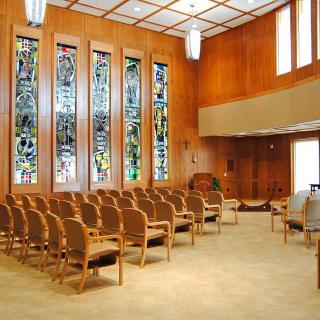
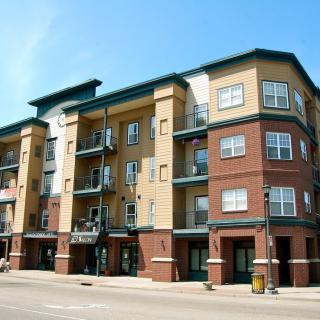
    The Divine Healthcare Network in St. Paul, MN is a premier assisted living community that offers a wide range of amenities and care services for seniors. Residents will feel right at home in their fully furnished apartments, complete with cable or satellite TV and Wi-Fi/high-speed internet. Each apartment also features a kitchenette for those who prefer to cook their own meals.

    Our dedicated staff provides 24-hour supervision and assistance with activities of daily living such as bathing, dressing, and transfers. We also offer medication management and coordination with healthcare providers to ensure that our residents' medical needs are met. Our mental wellness program promotes emotional well-being and provides support for those dealing with mental health concerns.

    At Divine Healthcare Network, we understand the importance of proper nutrition, which is why we accommodate special dietary restrictions and offer delicious meals prepared by our skilled chefs. Our dining room provides a welcoming atmosphere for residents to enjoy their meals together.

    Residents can enjoy the beautiful outdoors in our garden or outdoor space, where they can relax and socialize with fellow residents. We also offer housekeeping services to keep their apartments clean and organized.

    Transportation arrangements are available for medical appointments, ensuring that our residents can easily access the healthcare they need. In addition, there are several pharmacies, physicians' offices, hospitals, places of worship, theaters, cafes, and restaurants located nearby to provide convenience and entertainment options for our residents.

    We prioritize resident engagement and encourage participation in our scheduled daily activities as well as resident-run activities. This fosters a sense of community and allows residents to pursue their interests while socializing with others.

    The Divine Healthcare Network offers an exceptional assisted living experience in St. Paul, MN where seniors can receive personalized care and enjoy a vibrant lifestyle surrounded by supportive staff and engaging amenities.

    Nearby Places of Interest

    This part of St. Paul, Minnesota offers a convenient and diverse range of amenities for seniors considering living in the area. With multiple cafes, restaurants, pharmacies, places of worship, and parks within close proximity, residents have access to essential services and opportunities for social engagement. The presence of reputable physicians and hospitals nearby ensures easy access to healthcare services. Additionally, the area is well-connected with transportation options like Union Depot and Minnesota State Fair Transit Hub for convenient travel. Overall, this neighborhood provides a vibrant and well-rounded environment for seniors looking for a comfortable place to live.

    Cafes

    • Groundswell (1 miles)
    • Starbucks (1.2 miles)
    • Roundtable Cof (3.1 miles)

    Places of Worship

    • St George Greek Orthodox Church (1.1 miles)
    • Cathedral of St Paul (1.5 miles)
    • WW Studio (2.8 miles)
    • St Jerome Elementary School (3.9 miles)

    Pharmacies

    • Walgreens (1.1 miles)
    • CVS Pharmacy (2.2 miles)
    • Walgreens (2.6 miles)
    • Walgreens (3.6 miles)
    • Walgreens (4 miles)
    • Walgreens (4.7 miles)
    • Walgreens (4.7 miles)

    Restaurants

    • Brew Hall (1.4 miles)
    • Taco Bell (1.5 miles)
    • Cossetta's Italian Market & Pizzeria (1.8 miles)
    • Bole' Ethiopian Cuisine (2.2 miles)
    • Citizen Supper Club (2.3 miles)
    • BlackStack Brewing (2.4 miles)
    • The Bulldog Lowertown (2.4 miles)

    Physicians

    • Dermatology Consultants P.A. (1.5 miles)
    • Parkway Family Physicians (2.9 miles)
    • West Side Community Health Services (3.3 miles)
    • HealthPartners Health Center for Women Clinic St Paul (3.5 miles)
    • Entira Family Clinics-West St Paul (5 miles)
    • Dakota Medical Solutions (5.2 miles)
    • Retina Center (5.8 miles)

    Hospitals

    • United Hospital Joint Relacement Center (1.6 miles)
    • St Joseph's Hospital-St Paul (1.8 miles)
    • Regions Hospital Burn Center (2 miles)
    • University of Minnesota Medical Center - East Bank Campus (4.7 miles)
    • VA Medical Center (5 miles)
    • Hennepin County Medical Center (6.3 miles)
    • Csc Gi Lab (6.3 miles)

    Parks

    • Como Park (1.8 miles)
    • Longfellow Park (4.2 miles)
    • Wabun Picnic Area (4.3 miles)
    • Central Park Playground (4.3 miles)
    • Hidden Falls Park (4.5 miles)
    • Franklin Terrace Off-Leash Dog Park (4.5 miles)
    • Minnehaha Falls Dog Park (4.6 miles)

    Transportation

    • Union Depot (2.5 miles)
    • Minnesota State Fair Transit Hub (2.7 miles)
    • Delta Sky Club (6.1 miles)
    • Concourse D (6.1 miles)
    • Concourse C (6.1 miles)
    • Concourse A (6.1 miles)
    • Escape Lounge (6.1 miles)

    Theaters

    • AMC Rosedale 14 (4.3 miles)

    Frequently Asked Questions

    Where is Divine Healthcare Network?

    Nearby Communities

    Related Resources

    • assisted living vs skilled nursingExploring the Contrasts Between Assisted Living and Skilled Nursing

      The article compares assisted living and skilled nursing facilities, detailing their differing levels of assistance, medical support, cost structures, and day-to-day experiences. It emphasizes that assisted living is for those needing help with daily activities while maintaining independence, whereas skilled nursing facilities provide intensive medical care with 24-hour staff supervision.

    • when to move from assisted living to nursing home8 Key Indicators That Suggest It May Be Time to Transition from Assisted Living to Skilled Nursing Care

      The transition from assisted living to skilled nursing care is often prompted by complex medical needs that assisted living cannot meet, with key indicators including frequent health declines, increased falls, severe memory issues, and caregiver burnout. Families should recognize these signs early to discuss options with healthcare providers and prepare for the emotional and logistical aspects of moving to a facility that offers comprehensive medical support.

    • active senior livingVibrant Senior Living: A Comprehensive Guide for Active Older Adults

      Vibrant Senior Living emphasizes active senior living communities that promote independence and engagement through diverse amenities and activities, fostering wellness and social interaction among older adults. These communities range from independent to assisted living, with a focus on personal growth, family involvement, financial planning, and leveraging technology to enhance residents' experiences.


    Get Pricing Ask A Question Schedule A Tour Contact Senior Advisor