
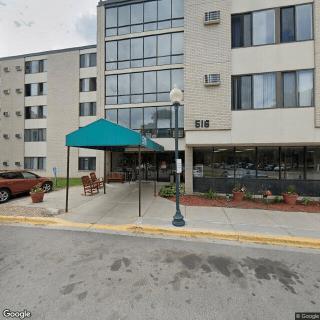
680 Thomas Avenue, St. Paul, MN 55104
For more information about senior living options: (866) 208-4318
Overall Review of Reliacare Home Health I
Cons
 They don’t get proper parking for their patients.
- They harassed residents in their homes, left rude notes, and banged on doors and windows over public parking.
- They slashed residents’ tires.
- The property manager did not care and defended the residents.
Review
Reliacare Home Health I in St. Paul, MN is best suited for seniors and adults who need skilled in-home care delivered in their own residence. This model serves clients recovering from an illness or surgery, managing chronic conditions, or requiring assistance with daily tasks while remaining in a familiar environment. Families that prize autonomy and privacy but still demand professional oversight, such as medication administration, basic nursing support, and therapy visits, will find this option a practical path to maintaining independence without moving into a facility.
Those who want the constant, highly structured atmosphere of an assisted living community, or who expect seamless on-site social interaction and round-the-clock supervision, should consider alternatives. The current mixed impression is tempered by a troubling, highly specific concern raised by a neighbor: parking for patients and the behavior of some residents associated with the service created a hostile, unsafe atmosphere at a private residence. If proximity to a busy campus, predictable boundaries with neighbors, and unambiguous administrative responsiveness are priorities, this agency may not be the best fit.
The primary drawback evidenced by the available feedback is serious enough to impact decision-making. A neighbor recounts repeated disturbances tied to parking, followed by personal affronts and property damage, including slashed tires, with a property manager described as indifferent. Such incidents highlight risks outside the clinical care realm: logistical friction that can strain family schedules and compromise perceived safety for both clients and their households. In-home care hinges on reliable, respectful service delivery; when parking and neighbor relations become sources of conflict, the value proposition of at-home care can erode quickly.
On the other hand, the presence of a 5-star review suggests that, for some clients, Reliacare delivers a positive experience worth endorsing. Where care is consistent, visits are timely, and staff communicate clearly, the home-health model can offer superior comfort, flexibility, and personalized attention. In practical terms, families should assess whether the agency demonstrates dependable visit windows, professional identification and conduct, and a clear plan for coordinating with homeowners or building management to prevent parking clashes. The potential upside, continuity of care in a familiar home setting, remains a compelling factor when those operational tensions can be managed.
For families choosing this path, a disciplined due-diligence plan is essential. Prior to committing, request written parking policies and a defined process for handling disputes that might affect a client’s home access. Seek explicit assurances about staff conduct and incident escalation procedures, and ask for references who can speak to both clinical quality and neighbor relations. Confirm how the agency coordinates with building management, and whether there is a designated supervisor who can address issues quickly. A trial period or a staged introduction can reveal whether the care routine can be stable despite nearby activity and potential friction.
In the end, Reliacare Home Health I offers a legitimate in-home care option for those prioritizing staying in their own residence with professional support. The decision hinges on whether parking logistics and neighbor dynamics can be stabilized to protect both safety and peace of mind. If those operational elements can be reliably addressed, this option supports practical, independent living with access to skilled home health services. If not, families should weigh traditional assisted living or other in-home providers that might deliver more predictable environs and administrative responsiveness.
 5 resident community capacity
 Assisted Living
 Cable or satellite TV
 Dining room
 Fully furnished
 Garden
 Housekeeping services
 Move-in coordination
 Outdoor space
 Telephone
 Wi-Fi/high-speed internet available
 Minneapolis-St Paul International (7 miles away)
 24-hour supervision
 Activities of daily living assistance
 Assistance with bathing
 Assistance with dressing
 Assistance with transfers
 Diabetes diet
 Meal preparation and service
 Medication management
 Special dietary restrictions
 Transportation arrangement (medical)
 Transportation to doctors appointments
 24/7 care with restaurant-style dining and furnished, amenity-rich apartments.

 Assisted Living Support for Veterans: A Complete and Detailed Overview
 Exploring the Contrasts Between Assisted Living and Skilled Nursing
 8 Key Indicators That Suggest It May Be Time to Transition from Assisted Living to Skilled Nursing Care