My Home Health Care in St Paul, MN

Information last verified:

569 Dale Street North #100, St Paul, MN 55103

For more information about senior living options: (844) 490-3973

3 from 4 reviews
5 stars
2
4 stars
0
3 stars
0
2 stars
0
1 stars
2

Overall Review of My Home Health Care

Pros

  • pro The reviewer trusted that tax professionals would communicate properly.
  • pro The reviewer believed that tax professionals would exercise due diligence in communication.
  • pro The reviewer valued clear and proper communication from tax professionals.

Cons

  • pro Mai Tax Services failed to inform the client properly about quarterly tax payments.
  • pro The client was charged unnecessary penalties and interest.
  • pro The client trusted that tax professionals would communicate properly.
  • pro The firm promised to get back with answers about 2021 tax credits but did not follow up.
  • pro The overall experience was disappointing.

Review

This community is best suited for seniors who want a compact, home-like assisted-living option in St. Paul and for families willing to take an active, hands-on role in overseeing care and finances. The strength here lies in intimate staff access and routine support that can suit residents who need daily help but not heavy medical oversight. Yet the feedback available on this specific set is limited and not directly about the residential care experience, which means prospective residents must bring a critical eye to how care coordination and billing are actually handled on-site. Entering with a clear governance plan, written policies, a designated point person, and a concrete path for timely answers, will be essential to avoid ambiguity later.

Explicitly, those who rely on prompt, thorough communication and transparent, repeatable follow-through may want to consider alternatives. If rapid responses to questions, predictable monthly billing, and a well-defined escalation process are non-negotiables, this community could fall short without concrete assurances. Families should weigh whether the on-paper promises align with day-to-day operations and prepare to verify every commitment in writing before moving forward.

Pros and cons in this context hinge on a pattern visible in the mixed feedback: positive experiences suggest attentive, value-driven service when interactions go smoothly, while negative notes emphasize unanswered questions and unreturned calls. The main con, uncertainty around how questions are handled and problems are escalated, erodes trust in care coordination and in the financial transparency that families expect when choosing assisted living. When administrative reliability is in doubt, even solid staffing and a caring environment can feel unstable to families counting on consistency.

To protect against surprises, insist on specifics before signing any agreement. Request a written care plan and service schedule with defined update intervals, a transparent fee structure that spells out inclusions and potential extras, and a formal, published process for contacting the care team and escalating urgent concerns. Demand visibility into after-hours coverage, the designated accountable staff, and whom to call for different types of inquiries. Arrange tours that include direct conversations with caregivers and managers, and ask for recent invoices and sample bills so the billing experience can be evaluated before commitment.

Alternatives should be weighed by comparing how each option handles administrative transparency and family engagement. For families prioritizing proactive communication, facilities with established family councils, frequent formal updates, and clear governance tend to deliver more predictable experiences, even if they sacrifice some of the intimate, homey feel. The trade-off often comes down to whether a slightly larger operation with structured processes can offer greater reassurance about day-to-day reliability, versus a smaller setting that feels warmer but may lack formalized systems for transparency. The right pick balances a reassuring atmosphere with a demonstration of dependable, trackable accountability.

Bottom line: the decision rests on securing solid commitments around communication, billing clarity, and care planning. If those commitments are documented, honored, and easy to verify, the setting could be a good match for a resident who values a neighborly environment and can live with a hands-on oversight structure. If not, seek alternatives that foreground proactive engagement, transparent reporting, and consistent responsiveness. The prudent path is a deliberate, visit-driven process that tests how questions are answered in real time, requests concrete written policies, and gathers candid references about day-to-day reliability and problem resolution.

Features

Housing

  • 21 resident community capacity 21 resident community capacity

Types of Care

  • Assisted Living Assisted LivingAssisted living facilities provide crucial support and care for seniors who may need help with daily tasks such as medication management, bathing, and meal preparation. These communities offer a safe and comfortable environment where seniors can maintain their independence while receiving the assistance they need to thrive in their golden years.

Amenities

  • Beauty salon Beauty salonBeauty salons are important for seniors because they provide a space for them to feel pampered, socialize, and maintain their personal grooming and hygiene. Regular visits to a beauty salon can help boost seniors' self-esteem and overall well-being.
  • Cable or satellite TV Cable or satellite TVCable or satellite TV is important for seniors because it provides entertainment, news, and companionship, helping to combat loneliness and boredom. It also offers a wide range of programming options tailored to different interests and preferences.
  • Dining room Dining roomDining rooms are important for seniors as they provide a space for socialization, connection, and nutritious meals. They offer opportunities for residents to bond over shared meals, foster a sense of community, and promote healthy eating habits. Dining rooms also ensure that seniors have access to well-balanced meals tailored to their dietary needs and preferences.
  • Fully furnished Fully furnishedFully furnished senior living communities are important for seniors because they provide convenience, comfort, and a hassle-free moving experience. Seniors can easily settle into their new living space without the stress of having to buy and move furniture. This allows them to focus on enjoying their new home and community.
  • Garden GardenGardens are important for seniors as they provide a peaceful and therapeutic environment for relaxation, physical activity, and socialization. Being in nature has been shown to reduce stress, improve mood, and promote overall well-being. Gardens also offer opportunities for seniors to engage in gardening activities, which can improve mobility, flexibility, and cognitive function. Additionally, gardens create a sense of community and connection with others who share a passion for plants and outdoor spaces.
  • Housekeeping services Housekeeping servicesHousekeeping services are important for seniors because they help maintain a clean and safe living environment, promote independence, and reduce the risk of accidents or illnesses. Additionally, having assistance with household chores can alleviate physical strain and allow seniors to focus on other aspects of their well-being.
  • Kitchenette KitchenetteKitchenettes are important for seniors living in senior living communities because they provide the convenience and independence of being able to prepare simple meals and snacks in the comfort of their own living space. This can help promote a sense of autonomy and well-being for seniors, allowing them to maintain some level of control over their dietary choices and daily routines.
  • Move-in coordination Move-in coordinationMove-in coordination is important for seniors because it helps ease the transition into their new living environment. It ensures that all logistics, such as packing, organizing movers, and setting up utilities are taken care of, allowing seniors to focus on settling in and adjusting to their new home. Having a smooth move-in process can alleviate stress and anxiety, making the transition smoother and more enjoyable for seniors.
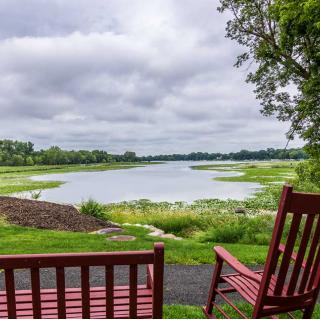
  • Outdoor space Outdoor spaceOutdoor spaces are important for seniors as they provide opportunities for physical activity, social interaction, exposure to natural light and fresh air, and a sense of connection to nature. Having access to outdoor spaces can improve overall well-being and quality of life for older adults living in senior communities.
  • Telephone TelephoneTelephones are important for seniors as they provide a lifeline for communication with loved ones, emergency services, and healthcare providers. They offer a sense of security and independence, enabling seniors to stay connected and access assistance when needed.
  • Wi-Fi/high-speed internet available Wi-Fi/high-speed internet availableWi-Fi/high-speed internet is important for seniors to stay connected with loved ones, access online resources, and participate in virtual activities to combat feelings of loneliness and isolation. It also allows them to easily manage healthcare needs, access entertainment, and engage in lifelong learning opportunities.

Transportation

  • Minneapolis-St Paul International (7 miles away) Minneapolis-St Paul International (7 miles away)

Care Services

  • 24-hour call system 24-hour call system24-hour call systems are important for seniors because they provide peace of mind and immediate assistance in case of emergencies. This technology ensures that help is always available, promoting safety and security for elderly individuals living alone or in assisted living facilities.
  • 24-hour supervision 24-hour supervision24-hour supervision is important for seniors to ensure their safety, well-being, and access to immediate assistance in case of emergencies or health issues. This constant support provides peace of mind for both seniors and their loved ones, allowing them to age in place with dignity and security.
  • Activities of daily living assistance Activities of daily living assistanceActivities of daily living assistance are important for seniors because they provide essential support with tasks such as eating, bathing, dressing, and mobility. This assistance helps seniors maintain their independence, dignity, and overall quality of life as they age.
  • Assistance with bathing Assistance with bathingAssistance with bathing is crucial for seniors as it helps maintain personal hygiene, prevents infections, and ensures their overall well-being and comfort. It also provides a sense of dignity and independence for seniors who may struggle with this task on their own.
  • Assistance with dressing Assistance with dressingAssistance with dressing is important for seniors because it helps maintain their independence, promotes personal hygiene, prevents accidents and injuries, and improves overall quality of life. This service ensures that seniors can continue to dress comfortably and confidently, despite any physical limitations they may have.
  • Assistance with transfers Assistance with transfersAssistance with transfers is crucial for seniors as it helps prevent falls and injuries, maintains their independence, and ensures they can safely navigate their living environment. It also provides peace of mind for both seniors and their loved ones.
  • Coordination with health care providers Coordination with health care providersCoordination with health care providers is crucial for seniors to ensure proper medical care, medication management, and overall well-being. This collaboration helps prevent overlapping treatments, track progress more effectively, and provide comprehensive support tailored to individual needs.
  • Diabetes diet Diabetes dietA diabetes diet is crucial for seniors as it helps manage blood sugar levels, reduce risks of complications, and improve overall health and well-being. By following a balanced and nutritious diet tailored to their specific needs, seniors can better control their diabetes and enhance their quality of life.
  • Meal preparation and service Meal preparation and serviceMeal preparation and service are crucial for seniors as they may have limited mobility or energy to cook nutritious meals. Having access to healthy and convenient food options can ensure they are getting the proper nutrition needed to maintain their overall health and well-being.
  • Medication management Medication managementMedication management is crucial for seniors to ensure they are taking the right medications at the correct dosages and times. This helps prevent adverse drug interactions, reduces the risk of medication errors, and promotes overall health and well-being. Proactive management also allows for adjustments as needed based on changing health conditions or new prescriptions.
  • Mental wellness program Mental wellness programMental wellness programs are essential for seniors as they promote cognitive stimulation, emotional support, and social engagement. These programs help prevent isolation, depression, and cognitive decline, ultimately enhancing the overall quality of life for older adults.
  • Special dietary restrictions Special dietary restrictionsSpecial dietary restrictions are important for seniors because age-related changes in metabolism and health conditions can make it difficult for their bodies to process certain foods. By following a diet tailored to their specific needs, seniors can maintain their overall health and well-being, manage chronic conditions, and reduce the risk of complications such as malnutrition or food interactions with medications.
  • Transportation arrangement (medical) Transportation arrangement (medical)Transportation arrangements for medical purposes are essential for seniors as they may have difficulty driving themselves to appointments or accessing public transportation. Having reliable and safe transportation options ensures that seniors can receive timely medical care and maintain their health and well-being.
  • Transportation to doctors appointments Transportation to doctors appointmentsTransportation to doctors' appointments is crucial for seniors as it ensures they have access to necessary medical care and support for their health needs. Without reliable transportation, seniors may struggle to attend important appointments, leading to potential delays in treatment and health complications. Providing transportation services helps seniors maintain their overall well-being and quality of life.

Dining

  • Diabetes diet Diabetes dietA diabetes diet is crucial for seniors as it helps manage blood sugar levels, reduce risks of complications, and improve overall health and well-being. By following a balanced and nutritious diet tailored to their specific needs, seniors can better control their diabetes and enhance their quality of life.
  • Special dietary restrictions Special dietary restrictionsSpecial dietary restrictions are important for seniors because age-related changes in metabolism and health conditions can make it difficult for their bodies to process certain foods. By following a diet tailored to their specific needs, seniors can maintain their overall health and well-being, manage chronic conditions, and reduce the risk of complications such as malnutrition or food interactions with medications.

Activities

  • Community-sponsored activities Community-sponsored activitiesCommunity-sponsored activities are important for seniors as they provide opportunities for social interaction, mental stimulation, and physical activity. These activities can help improve overall well-being, combat loneliness and isolation, and promote a sense of belonging and purpose among older adults.
  • Resident-run activities Resident-run activitiesResident-run activities are important for seniors as they encourage social interaction, creativity, and a sense of autonomy. These activities empower seniors to stay engaged and active in their community while fostering meaningful connections with their peers.
  • Scheduled daily activities Scheduled daily activitiesScheduled daily activities are important for seniors because they provide structure, socialization, mental stimulation, and physical activity. Engaging in regular activities can improve overall well-being and quality of life for seniors living in a community setting.

Description

Welcome to our assisted living community located in the heart of St. Paul, MN. Our home health care facility offers a range of amenities and care services to ensure that our residents feel comfortable, safe, and supported.

Our well-appointed accommodations are fully furnished and include cable or satellite TV and Wi-Fi/high-speed internet, allowing residents to stay connected with their loved ones and enjoy their favorite shows or movies. Each resident has access to a kitchenette for those who prefer preparing their own meals, or they can take advantage of our delicious and nutritious meal preparation and service in our dining room. We also cater to special dietary restrictions, ensuring that everyone's nutritional needs are met.

We prioritize the overall well-being of our residents by offering 24-hour supervision and assistance with activities of daily living such as bathing, dressing, and transfers. Our dedicated staff works closely with health care providers to coordinate medical care for each individual resident. We also provide medication management services to ensure proper administration.

Our mental wellness program focuses on promoting emotional well-being through various engaging activities designed to stimulate cognitive function and encourage social interaction. Resident-run activities are a highlight of our community, giving individuals the opportunity to bond with their peers while participating in hobbies or interests they enjoy. Additionally, we offer scheduled daily activities that cater to different preferences and abilities.

Convenience is at your doorstep with numerous nearby amenities such as cafes, parks, pharmacies, physicians' offices, restaurants, transportation options, places of worship, theaters, and hospitals. Residents can easily explore the neighborhood or attend appointments without hassle.

At our assisted living community in St. Paul, we strive to create a warm and welcoming environment where residents receive personalized care tailored to their unique needs while enjoying a vibrant lifestyle filled with enriching activities and convenient amenities.

Nearby Places of Interest

Places of Worship

  • Cathedral of St Paul (1.2 miles)
  • St George Greek Orthodox Church (1.5 miles)
  • WW Studio (3.3 miles)
  • St Jerome Elementary School (3.4 miles)

Pharmacies

  • Walgreens (1.3 miles)
  • Walgreens (2.5 miles)
  • CVS Pharmacy (2.7 miles)
  • Walgreens (3.9 miles)
  • Walgreens (4.1 miles)
  • Walgreens (4.4 miles)
  • CVS Pharmacy (4.5 miles)

Hospitals

  • United Hospital Joint Relacement Center (1.4 miles)
  • St Joseph's Hospital-St Paul (1.5 miles)
  • Regions Hospital Burn Center (1.6 miles)
  • University of Minnesota Medical Center - East Bank Campus (5.2 miles)
  • VA Medical Center (5.5 miles)
  • St John's Hospital-Maplewood (6.7 miles)

Restaurants

  • Cossetta's Italian Market & Pizzeria (1.5 miles)
  • Brew Hall (1.9 miles)
  • Citizen Supper Club (1.9 miles)
  • The Bulldog Lowertown (2 miles)
  • Taco Bell (2 miles)
  • Bole' Ethiopian Cuisine (2.4 miles)
  • BlackStack Brewing (2.8 miles)

Cafes

  • Groundswell (1.5 miles)
  • Starbucks (1.6 miles)
  • Roundtable Cof (3.5 miles)

Parks

  • Como Park (1.9 miles)
  • Central Park Playground (4.2 miles)
  • Flicek Park (4.5 miles)
  • Longfellow Park (4.7 miles)
  • Owasso Park (4.8 miles)
  • Wabun Picnic Area (4.8 miles)
  • Acorn Park (4.9 miles)

Physicians

  • Dermatology Consultants P.A. (2 miles)
  • West Side Community Health Services (3.1 miles)
  • Parkway Family Physicians (3.3 miles)
  • HealthPartners Health Center for Women Clinic St Paul (3.9 miles)
  • Entira Family Clinics-West St Paul (4.9 miles)
  • Dakota Medical Solutions (5 miles)
  • HealthPartners Clinic (5.4 miles)

Transportation

  • Union Depot (2.1 miles)
  • Minnesota State Fair Transit Hub (3 miles)
  • Concourse A (6.5 miles)
  • Delta Sky Club (6.5 miles)
  • Concourse C (6.5 miles)
  • Concourse D (6.5 miles)
  • Escape Lounge (6.6 miles)

Theaters

  • AMC Rosedale 14 (4.3 miles)

Frequently Asked Questions

Where is My Home Health Care?

Nearby Communities

  • Sunshine

    Sunshine

    St Paul, MN


    pro 24/7 care with restaurant-style dining and furnished, amenity-rich apartments.

  • Reliacare Home Health I

    Reliacare Home Health I

    St. Paul, MN

    3 from 2 reviews
     

    pro Fully furnished apartments with meals, housekeeping, outdoor spaces, and coordinated care.

  • Heart2Heart Home Health Care I

    Heart2Heart Home Health Care I

    Saint Paul, MN

    3.7 from 3 reviews
     

    pro Personalized care with 24/7 supervision and diabetes/dietary-friendly dining.

  • Reliacare Home Health II

    Reliacare Home Health II

    St. Paul, MN

    3 from 2 reviews
     

    pro Fully furnished accommodations with on-site dining, housekeeping, and ADL support

  • United Social Services II

    United Social Services II

    Minneapolis, MN


    pro Fully furnished apartments with dining, housekeeping, 24-hour supervision, healthcare coordination, transportation to medical appointments, and engaging activities.

  • Cure Home Health I

    Cure Home Health I

    St. Paul, MN


    pro Intimate setting with 24/7 supervision, ADL support, and on-site dining.

  • New Perspective Roseville

    New Perspective Roseville

    Roseville, MN

    4.3 from 60 reviews
     

    pro Friendly staff and pleasant accommodations.

  • Phalen Senior Lofts

    Phalen Senior Lofts

    Saint Paul, MN

    4 from 24 reviews
    $944 to $1,044 / month

    pro Diligent management, clean, friendly community; notably affordable rents for the area.

  • Humboldt Apartments Senior

    Humboldt Apartments Senior

    St. Paul, MN


    pro Convenient access to amenities (cafes, parks, pharmacies, hospitals, restaurants, theaters).

Related Resources

  • assisted living activitiesBeyond the Bingo Hall: 50+ Enriching Activities for Seniors in Assisted Living

    Assisted living communities offer diverse activities beyond traditional games to enhance seniors' physical health, cognitive well-being, emotional enrichment, and social connections, including fitness classes, creative expression, and intergenerational interactions. These enriching programs foster community bonds and support residents' independence and happiness.

  • assisted living vs memory careUnderstanding the Distinctions: Assisted Living and Memory Care Explained

    The article differentiates between assisted living and memory care, explaining that assisted living supports seniors with daily activities while promoting independence, whereas memory care provides specialized services for individuals with dementia, focusing on secure environments and cognitive support. It also addresses staff training, safety considerations, costs, family involvement, and transition strategies for families navigating these care options.

  • elderly parent refuses assisted livingGuiding Elderly Parents Who Refuse Assisted Living: 6 Practical Steps

    Family caregivers face emotional, legal, and practical challenges when elderly parents refuse assisted living, often due to fears of losing autonomy. Open conversations and professional assessments can help address these concerns while exploring alternatives and ensuring safety, potentially leading to legal guardianship if necessary.