Help Home Care

1830 Birmingham Street, Maplewood, MN 55109

For more information about senior living options: (844) 490-3973

4.6 from 18 reviews
5 stars
16
4 stars
0
3 stars
0
2 stars
0
1 stars
2

Assisted Living

Overall Review of Help Home Care

Pros

  • pro They are very nice.
  • pro The people are very helpful.
  • pro They are very professional.
  • pro They answer questions about things customers don't know.
  • pro The service is very nice.
  • pro Kia did a wonderful job as a homemaker/PCA.
  • pro Kia was a valued member of the team.
  • pro The reviewer would recommend the company to others.
  • pro The caregiver is happy to help older people and enjoys the job.

Cons

  • pro The service was rude and showed no willingness to reason with clients.
  • pro They demonstrated discrimination and refused to provide information and proof in writing.
  • pro They put their workers into debt and did not pay them.

Review

The collection of impressions paints a largely positive view of the care experience, emphasizing warmth, attentiveness, and a professional demeanor from the team. Several remarks highlight that the staff are kind and approachable, and that the overall atmosphere feels supportive and welcoming. The sense conveyed is that the people delivering the care are genuinely invested in helping others, with a focus on making the client feel comfortable and respected. This contentment seems to stem not just from the services offered, but from the way those services are delivered - patient, friendly, and responsive to each person's needs.

A recurring theme across the notes is the staff's willingness to engage and educate. Commenters describe the team as very nice, noting that the individuals are helpful and capable of answering questions about things the client might not immediately understand. The ability to clarify uncertainties appears to be a key driver of trust and satisfaction, suggesting that clear communication and responsive service are valued highly. In other words, the care experience is seen as not only about physical support but also about guidance, reassurance, and accessible information.

In a standout example, one reviewer singles out Kia, describing her as a homemaker/PCA who did a wonderful job. There is strong appreciation for her contributions, with statements that she was "part of my team" and that the service was so positive that the reviewer would recommend the company to others. This level of individual acknowledgment signals that exceptional caregivers can make a lasting, favorable impression on clients and create a sense of reliability and positive word-of-mouth. The gratitude expressed here underscores the impact that a dedicated, well-suited caregiver can have on a client's daily life and overall satisfaction with the service.

Another positive reflection centers on a caregiver's personal motivation and connection to the job. The reviewer's line about being happy to help older people and enjoying the work conveys a strong sense of purpose and alignment with the caregiving role. This kind of attitude from the staff is portrayed as enriching the client's experience, contributing to a compassionate atmosphere where the elderly feel seen, valued, and supported. It also hints at a stable, fulfilling workplace culture that can translate into consistent, high-quality care for those relying on these services.

However, not all experiences described are without serious concerns. A particular review outlines rude service and a lack of reasoning with clients, along with accusations of discrimination and a refusal to provide information or proof in writing. Such claims point to fundamental issues around communication, respect, and transparency. When clients feel dismissed or treated unfairly - and when they perceive that documentation or written confirmation is unavailable - the trust that underpins a therapeutic relationship can be severely undermined. These reports raise questions about staff training, policy enforcement, and accountability within the organization.

A further troubling note raises financial and ethical concerns: that workers were put into debt and not paid. This grievance touches on the financial strains that can accompany employment in the care sector, but also on the imperative of fair treatment and timely compensation. Allegations of workers incurring debt or facing nonpayment are disturbing because they speak to systemic problems that can affect not only the wellbeing of staff but also the stability and quality of care clients receive. Such claims demand careful examination and transparent resolution to restore confidence in the organization's practices and to protect both employees and clients.

Taken together, these reviews depict a nuanced picture. The majority of feedback celebrates kindness, professionalism, effective communication, and the positive impact of dedicated caregivers like Kia. These experiences suggest a service that can deliver compassionate, reliable care when everything flows well. Yet the negative accounts cannot be ignored; they reveal serious issues around rude behavior, discrimination, lack of written information, and problematic pay practices. The contrast underscores the need for ongoing attention to staff training, clear and respectful communication, transparent documentation, and fair employment practices. Addressing these concerns would be essential to ensuring that the high standard of care reflected in the positive notes is consistently realized for every client.

Features

Housing

  • 5 resident community capacity 5 resident community capacity

Types of Care

  • Assisted Living Assisted LivingAssisted living facilities provide crucial support and care for seniors who may need help with daily tasks such as medication management, bathing, and meal preparation. These communities offer a safe and comfortable environment where seniors can maintain their independence while receiving the assistance they need to thrive in their golden years.

Amenities

  • Cable or satellite TV Cable or satellite TVCable or satellite TV is important for seniors because it provides entertainment, news, and companionship, helping to combat loneliness and boredom. It also offers a wide range of programming options tailored to different interests and preferences.
  • Dining room Dining roomDining rooms are important for seniors as they provide a space for socialization, connection, and nutritious meals. They offer opportunities for residents to bond over shared meals, foster a sense of community, and promote healthy eating habits. Dining rooms also ensure that seniors have access to well-balanced meals tailored to their dietary needs and preferences.
  • Fully furnished Fully furnishedFully furnished senior living communities are important for seniors because they provide convenience, comfort, and a hassle-free moving experience. Seniors can easily settle into their new living space without the stress of having to buy and move furniture. This allows them to focus on enjoying their new home and community.
  • Garden GardenGardens are important for seniors as they provide a peaceful and therapeutic environment for relaxation, physical activity, and socialization. Being in nature has been shown to reduce stress, improve mood, and promote overall well-being. Gardens also offer opportunities for seniors to engage in gardening activities, which can improve mobility, flexibility, and cognitive function. Additionally, gardens create a sense of community and connection with others who share a passion for plants and outdoor spaces.
  • Housekeeping services Housekeeping servicesHousekeeping services are important for seniors because they help maintain a clean and safe living environment, promote independence, and reduce the risk of accidents or illnesses. Additionally, having assistance with household chores can alleviate physical strain and allow seniors to focus on other aspects of their well-being.
  • Move-in coordination Move-in coordinationMove-in coordination is important for seniors because it helps ease the transition into their new living environment. It ensures that all logistics, such as packing, organizing movers, and setting up utilities are taken care of, allowing seniors to focus on settling in and adjusting to their new home. Having a smooth move-in process can alleviate stress and anxiety, making the transition smoother and more enjoyable for seniors.
  • Outdoor space Outdoor spaceOutdoor spaces are important for seniors as they provide opportunities for physical activity, social interaction, exposure to natural light and fresh air, and a sense of connection to nature. Having access to outdoor spaces can improve overall well-being and quality of life for older adults living in senior communities.
  • Telephone TelephoneTelephones are important for seniors as they provide a lifeline for communication with loved ones, emergency services, and healthcare providers. They offer a sense of security and independence, enabling seniors to stay connected and access assistance when needed.
  • Wi-Fi/high-speed internet available Wi-Fi/high-speed internet availableWi-Fi/high-speed internet is important for seniors to stay connected with loved ones, access online resources, and participate in virtual activities to combat feelings of loneliness and isolation. It also allows them to easily manage healthcare needs, access entertainment, and engage in lifelong learning opportunities.

Transportation

  • Minneapolis-St Paul International (12 miles away) Minneapolis-St Paul International (12 miles away)

Care Services

  • 24-hour supervision 24-hour supervision24-hour supervision is important for seniors to ensure their safety, well-being, and access to immediate assistance in case of emergencies or health issues. This constant support provides peace of mind for both seniors and their loved ones, allowing them to age in place with dignity and security.
  • Activities of daily living assistance Activities of daily living assistanceActivities of daily living assistance are important for seniors because they provide essential support with tasks such as eating, bathing, dressing, and mobility. This assistance helps seniors maintain their independence, dignity, and overall quality of life as they age.
  • Assistance with bathing Assistance with bathingAssistance with bathing is crucial for seniors as it helps maintain personal hygiene, prevents infections, and ensures their overall well-being and comfort. It also provides a sense of dignity and independence for seniors who may struggle with this task on their own.
  • Assistance with dressing Assistance with dressingAssistance with dressing is important for seniors because it helps maintain their independence, promotes personal hygiene, prevents accidents and injuries, and improves overall quality of life. This service ensures that seniors can continue to dress comfortably and confidently, despite any physical limitations they may have.
  • Assistance with transfers Assistance with transfersAssistance with transfers is crucial for seniors as it helps prevent falls and injuries, maintains their independence, and ensures they can safely navigate their living environment. It also provides peace of mind for both seniors and their loved ones.
  • Coordination with health care providers Coordination with health care providersCoordination with health care providers is crucial for seniors to ensure proper medical care, medication management, and overall well-being. This collaboration helps prevent overlapping treatments, track progress more effectively, and provide comprehensive support tailored to individual needs.
  • Diabetes diet Diabetes dietA diabetes diet is crucial for seniors as it helps manage blood sugar levels, reduce risks of complications, and improve overall health and well-being. By following a balanced and nutritious diet tailored to their specific needs, seniors can better control their diabetes and enhance their quality of life.
  • Meal preparation and service Meal preparation and serviceMeal preparation and service are crucial for seniors as they may have limited mobility or energy to cook nutritious meals. Having access to healthy and convenient food options can ensure they are getting the proper nutrition needed to maintain their overall health and well-being.
  • Medication management Medication managementMedication management is crucial for seniors to ensure they are taking the right medications at the correct dosages and times. This helps prevent adverse drug interactions, reduces the risk of medication errors, and promotes overall health and well-being. Proactive management also allows for adjustments as needed based on changing health conditions or new prescriptions.
  • Special dietary restrictions Special dietary restrictionsSpecial dietary restrictions are important for seniors because age-related changes in metabolism and health conditions can make it difficult for their bodies to process certain foods. By following a diet tailored to their specific needs, seniors can maintain their overall health and well-being, manage chronic conditions, and reduce the risk of complications such as malnutrition or food interactions with medications.
  • Transportation arrangement (medical) Transportation arrangement (medical)Transportation arrangements for medical purposes are essential for seniors as they may have difficulty driving themselves to appointments or accessing public transportation. Having reliable and safe transportation options ensures that seniors can receive timely medical care and maintain their health and well-being.
  • Transportation to doctors appointments Transportation to doctors appointmentsTransportation to doctors' appointments is crucial for seniors as it ensures they have access to necessary medical care and support for their health needs. Without reliable transportation, seniors may struggle to attend important appointments, leading to potential delays in treatment and health complications. Providing transportation services helps seniors maintain their overall well-being and quality of life.

Dining

  • Diabetes diet Diabetes dietA diabetes diet is crucial for seniors as it helps manage blood sugar levels, reduce risks of complications, and improve overall health and well-being. By following a balanced and nutritious diet tailored to their specific needs, seniors can better control their diabetes and enhance their quality of life.
  • Special dietary restrictions Special dietary restrictionsSpecial dietary restrictions are important for seniors because age-related changes in metabolism and health conditions can make it difficult for their bodies to process certain foods. By following a diet tailored to their specific needs, seniors can maintain their overall health and well-being, manage chronic conditions, and reduce the risk of complications such as malnutrition or food interactions with medications.

Activities

  • Community-sponsored activities Community-sponsored activitiesCommunity-sponsored activities are important for seniors as they provide opportunities for social interaction, mental stimulation, and physical activity. These activities can help improve overall well-being, combat loneliness and isolation, and promote a sense of belonging and purpose among older adults.
  • Scheduled daily activities Scheduled daily activitiesScheduled daily activities are important for seniors because they provide structure, socialization, mental stimulation, and physical activity. Engaging in regular activities can improve overall well-being and quality of life for seniors living in a community setting.

Description

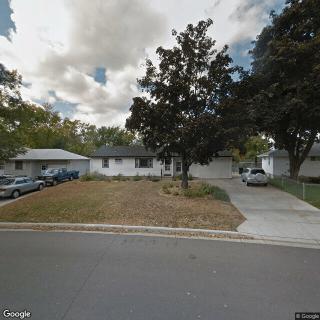
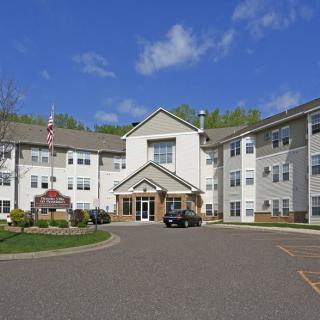
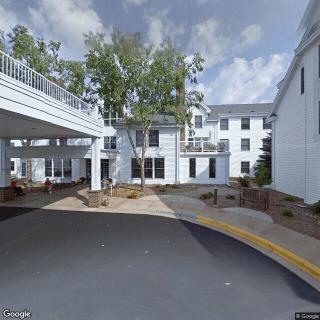
Welcome to Help Home Care, an assisted living community located in Maplewood, MN. Our community is designed to provide a comfortable and supportive environment for seniors who require assistance with their daily living activities.

Upon entering our community, residents will find a warm and inviting dining room where they can enjoy delicious meals prepared by our dedicated staff. Each apartment is fully furnished and residents have access to outdoor spaces such as gardens and other common areas. Housekeeping services are provided to ensure that each resident's living space is clean and well-maintained.

Our team of caregivers is trained to assist residents with various activities of daily living, including bathing, dressing, and transfers. We also offer coordination with health care providers to ensure that each resident receives the medical attention they need. For those with diabetes or special dietary restrictions, our team can provide meals tailored to their needs.

Transportation arrangements are available for medical appointments, ensuring that residents have easy access to the healthcare services they require. In addition, there are plenty of nearby amenities such as parks, pharmacies, restaurants, places of worship, theaters, and hospitals which provide convenience for both residents and their loved ones.

At Help Home Care in Maplewood, MN, we strive to create a supportive community where residents can maintain their independence while receiving the care they need. Contact us today to learn more about our assisted living community and how we can help you or your loved one thrive in a comfortable and caring environment.

Nearby Places of Interest

Parks

  • Flicek Park (0.7 miles)
  • Harvest Park (1.4 miles)
  • Hazelwood Park (1.9 miles)
  • Casey Lake Park (2.2 miles)
  • Rotary Park (2.2 miles)
  • Legacy Pines Park (2.6 miles)
  • Playcrest Park (3 miles)

Physicians

  • HealthPartners Clinic (0.7 miles)
  • Healthpartners Clinics (1 miles)
  • Retina Center (1.5 miles)
  • Page Graydon T MD (2.2 miles)
  • Jacobs Carol RN (2.3 miles)
  • Northern Lights Pediatric & Adolescent Medicine (3.7 miles)
  • David Thao, MD (4.8 miles)

Restaurants

  • White Castle (0.9 miles)
  • McDonald's (1.2 miles)
  • Chili's Grill & Bar (2.3 miles)
  • Karen Thai food (2.3 miles)
  • McDonald's (2.4 miles)
  • Golden Corral (2.7 miles)
  • Osaka Sushi and Hibachi (2.8 miles)

Pharmacies

  • CVS Pharmacy (1 miles)
  • Walgreens (2.5 miles)
  • Walgreens (3.2 miles)
  • Walgreens (3.6 miles)
  • CVS Pharmacy (3.6 miles)
  • Walgreens (3.6 miles)
  • CVS Pharmacy (4.5 miles)

Places of Worship

  • St Jerome Elementary School (2.2 miles)
  • Transfiguration Catholic Church (3.4 miles)
  • Cathedral of St Paul (4.8 miles)
  • St Mary of the Lake Church (6.2 miles)
  • Shepherd of the Hills Lutheran Church (6.2 miles)
  • St George Greek Orthodox Church (6.4 miles)

Hospitals

  • St John's Hospital-Maplewood (2.3 miles)
  • Regions Hospital Burn Center (3.9 miles)
  • St Joseph's Hospital-St Paul (4.4 miles)
  • United Hospital Joint Relacement Center (5 miles)
  • Woodwinds Health Campus-Woodbury (6 miles)

Transportation

  • Union Depot (4.1 miles)

Theaters

  • Oakdale Cinema Oakdale, Mn (4.1 miles)
  • AMC Rosedale 14 (6.4 miles)

Cafes

  • Starbucks (5.7 miles)
  • Groundswell (6.3 miles)
  • Starbucks (6.4 miles)

Frequently Asked Questions

Where is Help Home Care?

Nearby Communities

Related Resources

  • when to move from assisted living to nursing home8 Key Indicators That Suggest It May Be Time to Transition from Assisted Living to Skilled Nursing Care

    The transition from assisted living to skilled nursing care is often prompted by complex medical needs that assisted living cannot meet, with key indicators including frequent health declines, increased falls, severe memory issues, and caregiver burnout. Families should recognize these signs early to discuss options with healthcare providers and prepare for the emotional and logistical aspects of moving to a facility that offers comprehensive medical support.

  • active senior livingVibrant Senior Living: A Comprehensive Guide for Active Older Adults

    Vibrant Senior Living emphasizes active senior living communities that promote independence and engagement through diverse amenities and activities, fostering wellness and social interaction among older adults. These communities range from independent to assisted living, with a focus on personal growth, family involvement, financial planning, and leveraging technology to enhance residents' experiences.

  • when to move from assisted living to memory careWhen to Transition from Assisted Living to Memory Care: Key Indicators, Steps, and Finding the Right Community

    Transitioning from assisted living to memory care is driven by an individual's cognitive decline and specific needs, requiring careful evaluation of indicators like increased confusion and wandering. The process involves consulting medical professionals, researching suitable communities, considering financial and legal aspects, and ensuring effective communication for personalized care plans.