Friendship House is an assisted living community in Apple Valley, MN.
Information last verified:
15872 East Chester Road, Apple Valley, MN 55124
For more information about senior living options: (866) 208-4318
4.4 from 120 reviews
5 stars
95
4 stars
8
3 stars
3
2 stars
1
1 stars
13
Overall Review of Friendship House
common
Service speed stands out
Reviews frequently describe fast turnaround and quick fixes.
A common thread in the reviews is speed—people mention getting repairs done quickly, sometimes within minutes, and having work completed within the time they expected. Several reviewers also say they were able to drop off and return shortly after. A smaller number of reviews describe slower timing and longer waits than expected.
common
Friendly help and professionalism
Reviewers commonly highlight kind, helpful staff and professional communication.
Many reviews praise the people working there for being friendly, knowledgeable, and courteous. Several reviewers describe clear explanations or guidance during the repair process, and a number of comments call out individual staff members by name. A few negative reviews mention customer-service gaps such as disorganization or lack of follow-up.
caveat
Costs and fees come up
Some reviews mention higher-than-expected costs or added fees.
Some reviewers say the pricing felt reasonable and even describe paying less than expected or avoiding more costly repairs. Others mention it being expensive or describe issues related to fees and the way charges were handled. A few reviews also mention warranty or repair outcomes that led to frustration about what was covered.
caveat
Communication and scheduling can slip
A recurring concern is limited updates when timing changes.
Some reviews complain about missed communication—such as not being notified when a repair was ready, arriving to find the shop closed early, or being told different timelines. There are also mentions of disorganization around “priority” expectations and follow-up calls. While many reviews are positive about responsiveness, the negative comments focus specifically on delays and updates not matching what was promised.
How we summarize
We summarize when many written reviews mention each theme; a review can touch several themes, and only frequently mentioned themes are displayed.
Features
Housing
21 resident community capacity
Types of Care
Assisted Living
Amenities
Beauty salon
Cable or satellite TV
Dining room
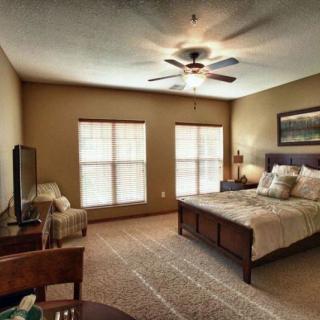
Fully furnished
Garden
Housekeeping services
Kitchenette
Move-in coordination
Outdoor space
Restaurant-style dining
Small library
Telephone
Wi-Fi/high-speed internet available
Transportation
Minneapolis-St Paul International (12 miles away)
Care Services
24-hour call system
24-hour supervision
Activities of daily living assistance
Assistance with bathing
Assistance with dressing
Assistance with transfers
Diabetes diet
Meal preparation and service
Medication management
Mental wellness program
Special dietary restrictions
Dining
Diabetes diet
Special dietary restrictions
Activities
Community-sponsored activities
Resident-run activities
Scheduled daily activities
Nearby Places of Interest
Physicians
Dr Anthony Battaglia (0.6 miles)
Rosemount Family Physicians (1.6 miles)
Nystrom & Associates (2.6 miles)
Southdale Pediatrics (5.6 miles)
Sstar-Sports Specific Training & Rehab (5.7 miles)
Fairview Ridges Specialty Care Center (5.7 miles)
Fairview Ridges Specialty Care Center Park Nicollet Obgyn (5.8 miles)
Pharmacies
Walgreens (1.3 miles)
Walgreens (2 miles)
CVS Pharmacy (2.3 miles)
Allina Health Minneapolis Heart Institute – Apple Valley (2.5 miles)
Friendship House is located at 15872 East Chester Road, Apple Valley, MN 55124 in Dakota County, Minnesota
Nearby Communities
Orchard Path Senior Living Community
Apple Valley, MN
4.5 from 25 reviews
Multiple care levels (independent, assisted, memory care) with diabetic care and indoor common areas.
Orchard Path
Apple Valley, MN
4.5 from 28 reviews
$3,000 to $4,800 / month
Beautiful lakeside grounds with walking paths; friendly, knowledgeable staff; flexible care options; modern apartments with included continental breakfast.
Gondola Group II
Rosemount, MN
3.5 from 22 reviews
Furnished apartments with on-site dining, housekeeping, outdoor spaces, and comprehensive assisted living services.
Grace Assisted Living II
Apple Valley, MN
1 from 1 review
Intimate setting with personalized care and comprehensive amenities.
United Home Services
Apple Valley, MN
Small, intimate assisted living with personalized care.
Golden Oaks Home Care
Apple Valley, MN
4.2 from 5 reviews
Extensive care services and on-site amenities with transportation, meals, and social activities.
Rosemount Plaza Apts
Rosemount, MN
4.3 from 3 reviews
Convenient location with nearby amenities and healthcare.
The Timbers
Apple Valley, MN
4.8 from 36 reviews
$1,535 to $1,730 / month
Friendly staff, an active social environment, and a clean, welcoming atmosphere.
The Fountains at Hosanna
Lakeville, MN
4.7 from 113 reviews
$3,340 to $4,440 / month
Caring staff with engaging activities in a well-maintained, welcoming setting.
Assisted living communities offer diverse activities beyond traditional games to enhance seniors' physical health, cognitive well-being, emotional enrichment, and social connections, including fitness classes, creative expression, and intergenerational interactions. These enriching programs foster community bonds and support residents' independence and happiness.
The article differentiates between assisted living and memory care, explaining that assisted living supports seniors with daily activities while promoting independence, whereas memory care provides specialized services for individuals with dementia, focusing on secure environments and cognitive support. It also addresses staff training, safety considerations, costs, family involvement, and transition strategies for families navigating these care options.
Family caregivers face emotional, legal, and practical challenges when elderly parents refuse assisted living, often due to fears of losing autonomy. Open conversations and professional assessments can help address these concerns while exploring alternatives and ensuring safety, potentially leading to legal guardianship if necessary.
Get PricingAsk A QuestionSchedule A TourContact Senior Advisor
By clicking submit, you agree to our Partner's Terms of Use. You
also consent to receive calls and texts, which may be autodialed, from our Partner. Your consent is not a condition to
using our Partner's service. Please visit our Partner's Privacy Policy for information about their privacy practices.

 21 resident community capacity
 Assisted Living
 Beauty salon
 Cable or satellite TV
 Dining room
 Fully furnished
 Garden
 Housekeeping services
 Kitchenette
 Move-in coordination
 Outdoor space
 Restaurant-style dining
 Small library
 Telephone
 Wi-Fi/high-speed internet available
 Minneapolis-St Paul International (12 miles away)
 24-hour call system
 Activities of daily living assistance
 Assistance with bathing
 Assistance with dressing
 Assistance with transfers
 Diabetes diet
 Medication management
 Mental wellness program
 Special dietary restrictions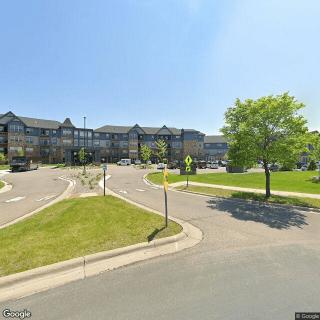
 Multiple care levels (independent, assisted, memory care) with diabetic care and indoor common areas.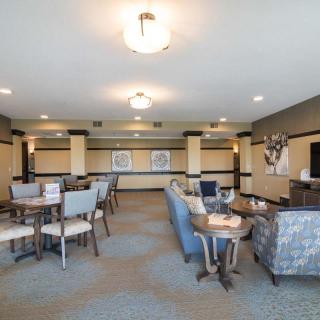


 Beyond the Bingo Hall: 50+ Enriching Activities for Seniors in Assisted Living
 Understanding the Distinctions: Assisted Living and Memory Care Explained
 Guiding Elderly Parents Who Refuse Assisted Living: 6 Practical Steps