
1826 Maryland Avenue East, St Paul, MN 55119
For more information about senior living options: (866) 208-4318
Overall Review of Caring Heart Home Healthcare I
Pros
 They provide 24/7 caregiving, which is impressive.
- The Boss Lady is doing something right.
- They have a solid 10-year track record.
- They are trustworthy.
- They support black-owned businesses.
- The daughter and her two best friends, Brittany and Tamika, are portrayed as loyal supporters who had her back.
Cons
 They would not recommend Caring Hearts to anyone needing a high level of care because they lack enough staff.
- They find the company unprofessional and not putting forth enough effort to meet clients' needs.
- They criticize the owner for having a sharp tongue, being bougie, and lacking a clue about running a company.
- They believe the owner could only succeed if she becomes more caring and humble.
Review
Caring Heart Home Healthcare I in St. Paul is best suited for families that want a small, relationship-driven home care operation with a visible, hands-on leader they can trust. The reviews point to a community where continuity and personal accountability matter more than scale, and where a long-tenured “Boss Lady” appears to drive a sense of reliability over time. This setup often appeals to clients with moderate care needs who value dependable daily contact, predictable scheduling, and a familiar caregiver presence more than extensive medical tech support or large staffing pools. In short, this is a fit for families craving personal warmth, steady oversight, and a trusted anchor at the helm.
That said, alternatives should be strongly considered for anyone whose priority is high-level care and robust staffing. The feedback explicitly flags insufficient staffing and inconsistent responsiveness for residents needing intensive help. For clients requiring round-the-clock coverage, rapid escalation of needs, or highly professional, meticulously managed operations, a larger provider with formal processes and guaranteed caregiver-to-patient ratios is likely a safer bet. Additionally, those who prize unwavering professionalism and a corporate governance standard may find the leadership demeanor described in one review incompatible with their expectations.
The most persuasive positives center on trust and stability. One reviewer emphasizes a decade of steady operation and a clear sense that the leadership is doing something right, with statements about being someone you can trust. That trust translates into a practical advantage: families can expect direct access to decision-makers and a caregiving team that has proven continuity under the same leadership. Another thread hints at a small, tightly run organization that, despite constraints, remains anchored by a caregiver network capable of providing compassionate companionship and consistent daily routines. For residents who value a familiar face and a consistent care rhythm, these elements carry real weight.
However, the negatives sharply limit the overall value proposition. The primary concern is staffing: “not enough staff” and concerns about caregivers’ ability to meet high-care demands. Reviewers describe professionalism gaps and a perception that needs are not always met in a timely or thorough manner. The owner’s demeanor is another flashpoint, with critiques labeling the leadership style as overly blunt or out-of-touch with running a service-focused operation. Taken together, these issues raise legitimate safety and satisfaction risks for clients who rely on timely assistance with mobility, medication reminders, or complex daily support.
Ultimately, the pros and cons trade off in a very concrete way. The community’s strengths, trust, continuity, and direct leadership, offer meaningful comfort to families whose loved ones can function with steady, lower-to-moderate care needs and who can participate actively in care planning. When staffing challenges arise, that trust and hands-on oversight can still produce good outcomes, provided schedules align and back-up coverage is sufficient. Yet the absence of scalable staffing and the perception of leadership missteps reduce resilience in crisis moments and elevate the risk of gaps for residents who require more intensive or unpredictable care. In practice, this is a viable, comforting option for carefully selected cases, not a universal solution.
For families weighing the decision, a structured, practical due diligence plan is essential. Seek current caregiver-to-client ratios, confirm coverage for evenings and weekends, and demand a clear back-up plan for staff absences. Request a formal care plan with a daily schedule, measurable goals, and routine incident reporting. Speak with several current clients or family representatives to gauge consistency and responsiveness over time. Evaluate licensing and any applicable compliance records to ensure governance aligns with expectations. If the resident’s needs are moderate and the family values a trusted, personally led home-care environment, this provider warrants a measured trial. If, instead, high-intensity care, rapid problem resolution, and formal operations are non-negotiable, exploring alternatives with stronger staffing models is prudent.
 3 resident community capacity
 Assisted Living
 Cable or satellite TV
 Dining room
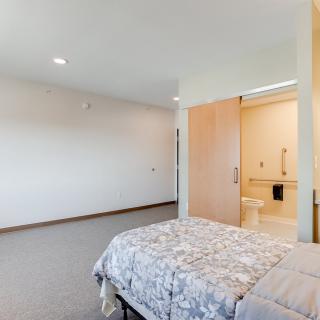
 Fully furnished
 Garden
 Housekeeping services
 Move-in coordination
 Outdoor space
 Telephone
 Wi-Fi/high-speed internet available
 Minneapolis-St Paul International (12 miles away)
 24-hour supervision
 Activities of daily living assistance
 Assistance with bathing
 Assistance with dressing
 Assistance with transfers
 Diabetes diet
 Meal preparation and service
 Medication management
 Special dietary restrictions
 Transportation arrangement (medical)
 Transportation to doctors appointments




 Beyond the Bingo Hall: 50+ Enriching Activities for Seniors in Assisted Living
 Understanding the Distinctions: Assisted Living and Memory Care Explained
 Guiding Elderly Parents Who Refuse Assisted Living: 6 Practical Steps