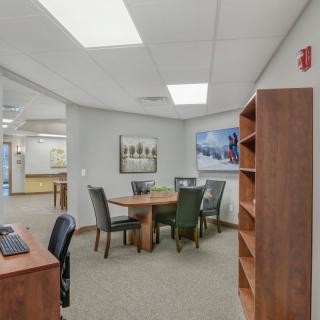
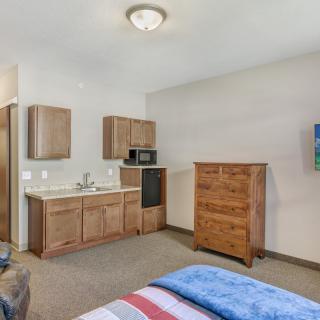
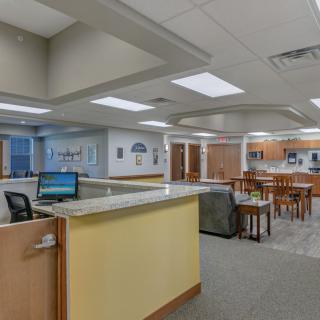
5600 Credit River Rd SE, Prior Lake, MN 55372
To contact a resident: (952) 693-0086
For more information about senior living options: (866) 208-4318
Suite Living of Prior Lake Costs & Pricing
Suite Living of Prior Lake presents a premium option for residents seeking assisted living arrangements, with monthly costs for a studio room set at $7,900. This significantly exceeds the average costs in Scott County, which are around $4,232 per month, and even surpasses the state-wide average of $3,617 in Minnesota. While Suite Living offers a higher price point than its local and state counterparts, it likely reflects enhanced services, amenities, and an environment designed to provide exceptional care and comfort for its residents.
| Floor plans | Suite Living of Prior Lake | Scott County | Minnesota |
|---|---|---|---|
| Studio | $7,900 | $4,232 | $3,617 |
Memory care communities with a similar price nearby
-
from -$400 / mo
Rivers of Life Memory Care/Enhanced Assisted Living
$7,500 / month4.7 miles away -
from -$600 / mo
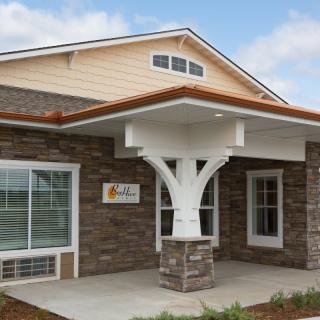
Beehive Homes of Lakeville
$7,300 / month7.7 miles away -
from -$700 / mo
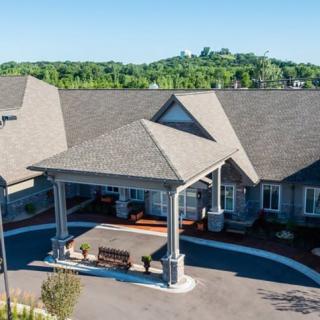
The Moments Of Lakeville
$7,200 / month6.0 miles away -
About the same
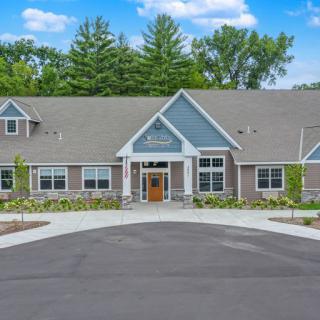
Suite Living of Crystal
$7,900 / month22.6 miles away -
from +$1100 / mo

English Rose Suites Chestnut Hills Home
$9,000 to $14,725 / month19.9 miles away
Overall Review of Suite Living of Prior Lake
Pros
 Suite Living's staff are kind and compassionate and allow residents to be themselves.
- The admissions process is fast and well-handled, making transitions smoother.
- Ashley, the head of the nurses, is praised for attention to detail and genuine care for everyone.
- The facility is clean, friendly, and offers excellent meals and care services.
- Aids are efficient, kind, and work hard to please residents and families.
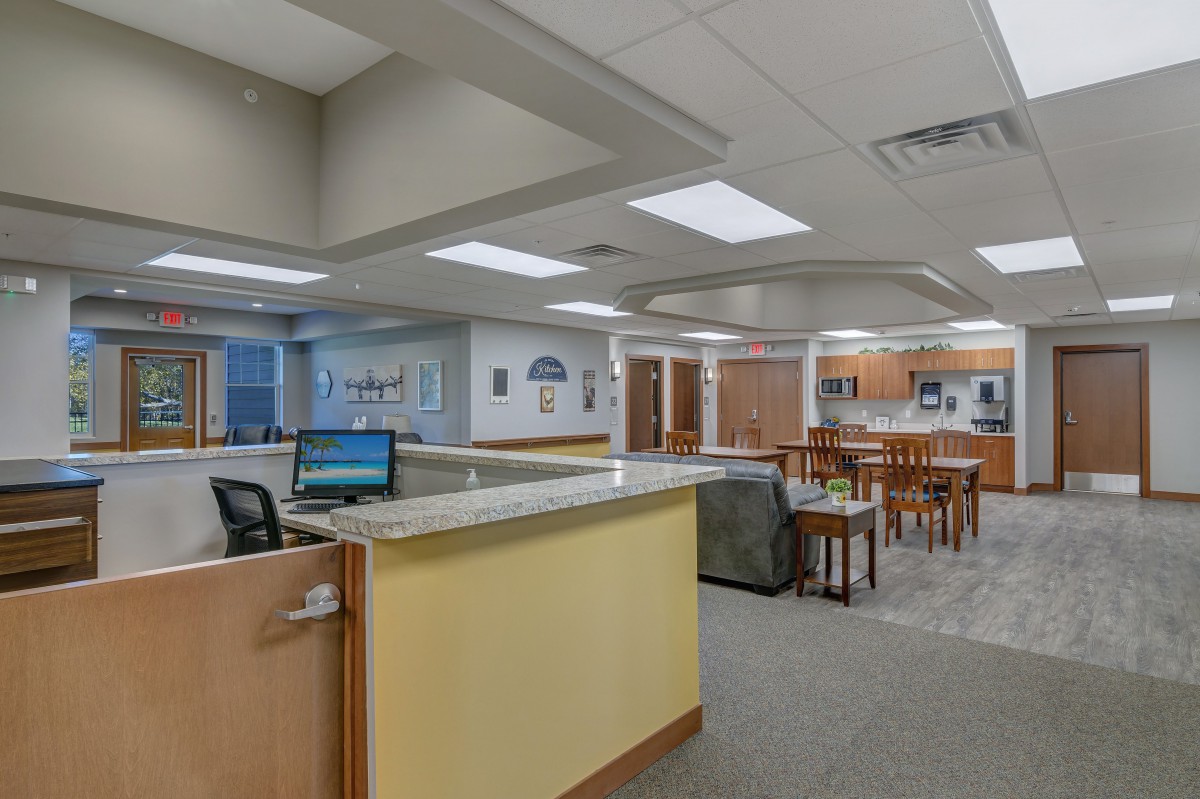
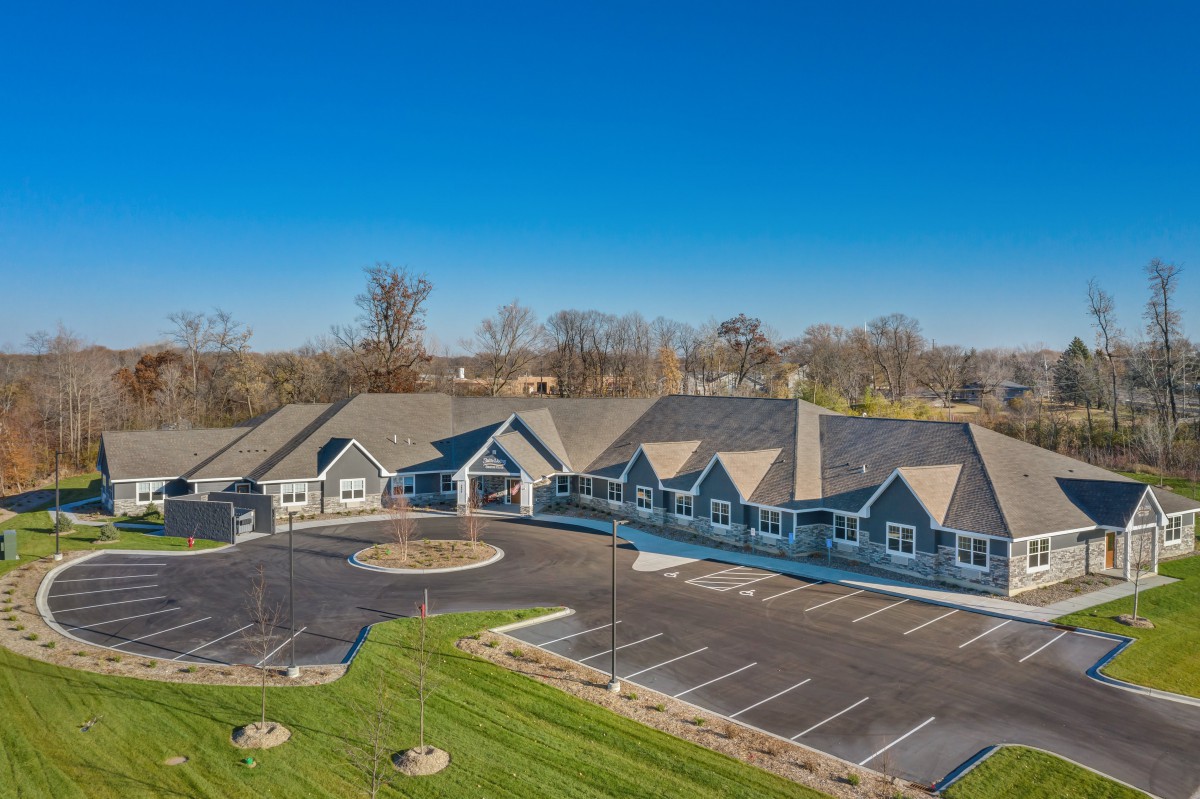
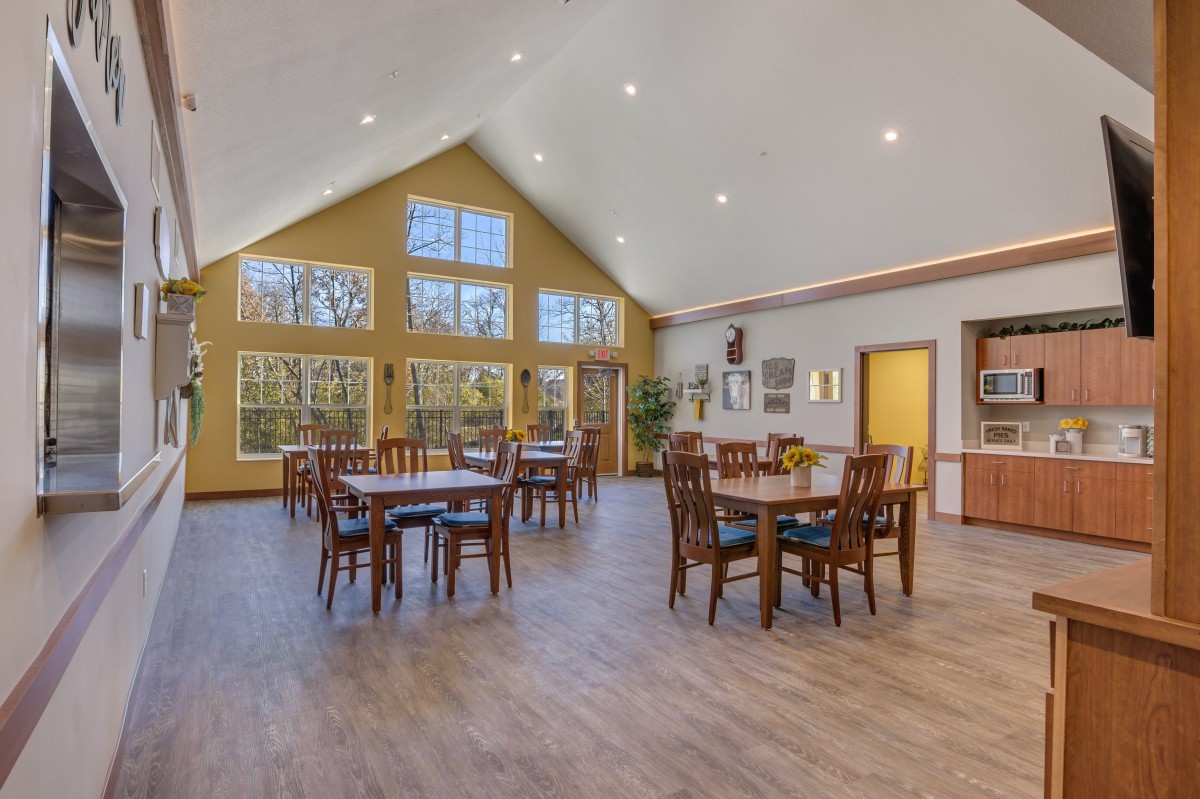
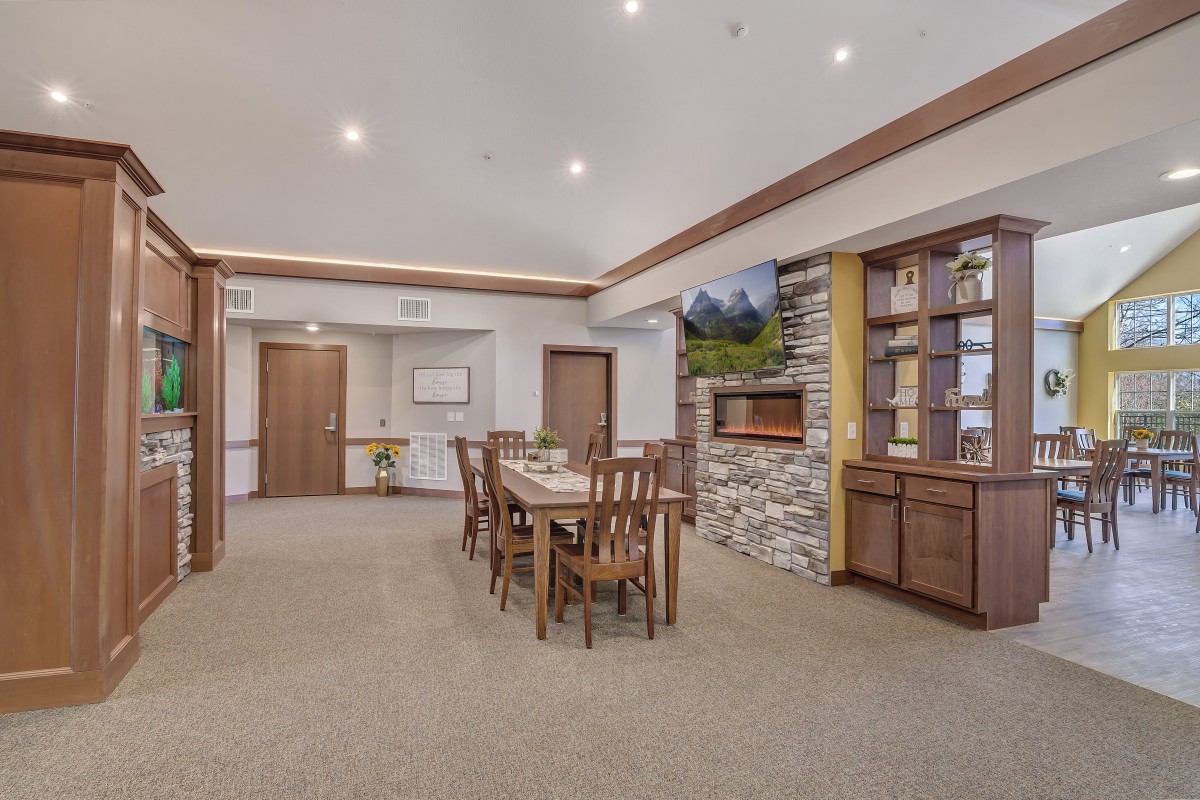
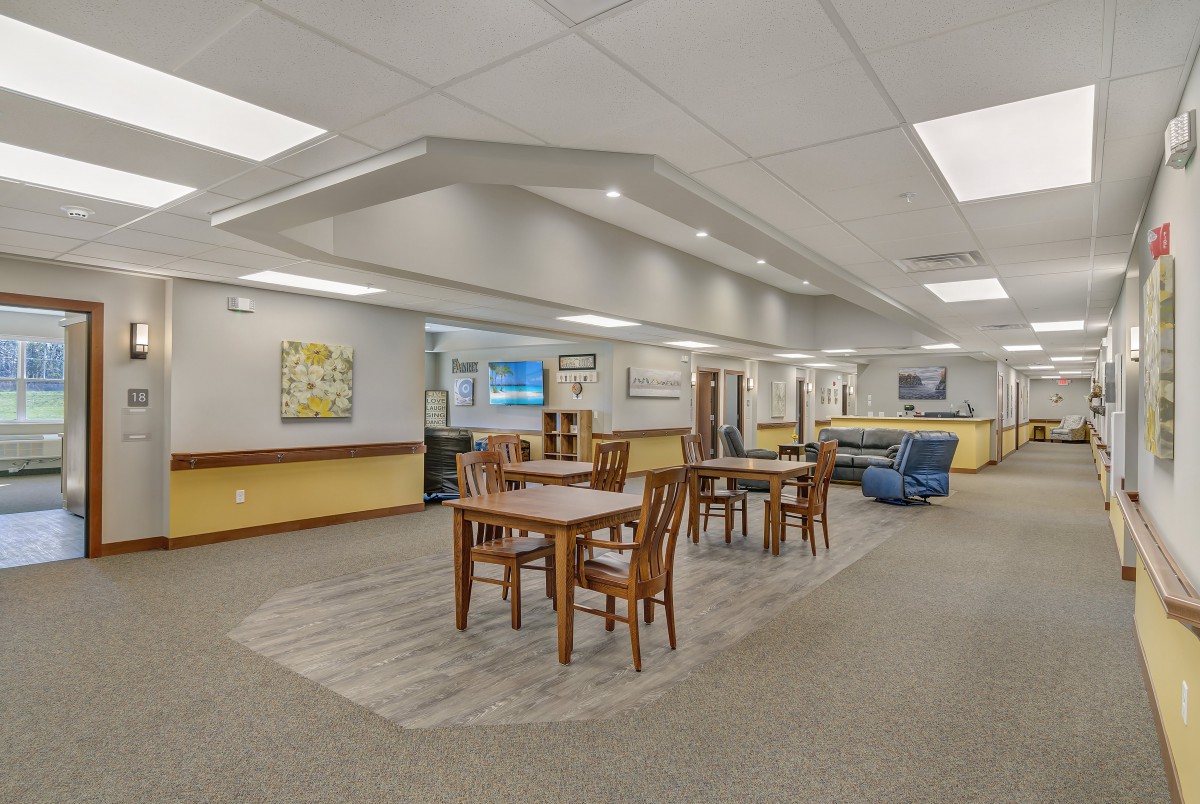
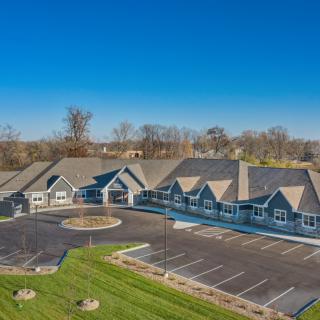
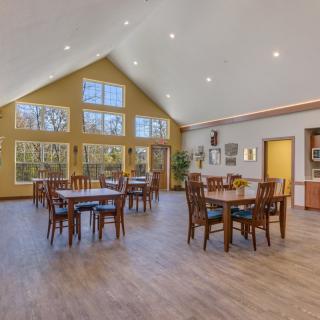
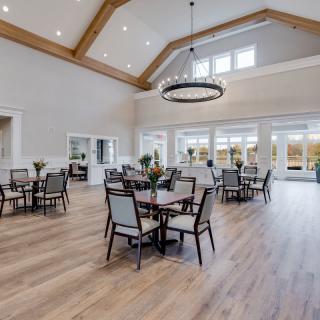
- The Prior Lake location is brand-new, conveniently located, with a beautiful dining area.
Cons
 The head of care might not understand dementia and might even find parts of dementia amusing.
- The head caregiver might have enjoyed correcting residents for simple confusions or hallucinations.
- During the mother’s dying process, staff shut the door and left her alone, providing morphine only as directed by a hospice nurse.
- She moaned for almost 16 hours and no one instructed the aides to move her up in her hospital bed so that she could breathe; it was described as the most neglectful death imaginable.
- Residents were expected to come out for meals and then sit in their rooms alone; the environment was very quiet and boring.
- There were bad caregivers who weren’t attentive to her.
- Caregivers were not in the bathroom with her when she was weak; they were in her bedroom instead.
Review
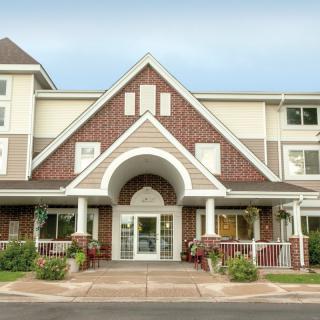
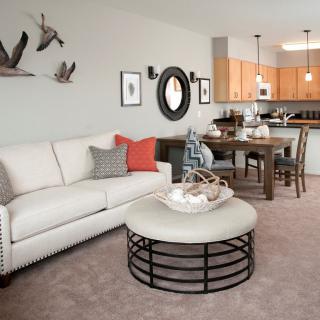
Suite Living of Prior Lake is best for families seeking a bright, new setting where residents are treated with warmth and allowed to be themselves. It serves seniors who value independence, clean surroundings, and a calm, attentive caregiving culture within a convenient Prior Lake location. The community suits those who want straightforward, personable care rather than a bustling campus vibe, with meals and routines that honor daily rhythms. It’s not ideal for someone needing heavy, dementia-specific programming or a highly active social scene. In short, this is a solid fit for moderate needs that prize dignity, proximity, and a fresh, home-like atmosphere over flashier amenities.
From the outset, staff are described as kind and compassionate, and residents are encouraged to retain their identities in a respectful, home-like culture. The environment is clean and welcoming, with meals that feel thoughtfully prepared. Aides are efficient, hardworking, and focused on pleasing residents and families, with a readiness to go the extra mile. Proximity to home is a practical plus, and the new construction adds comfort and smooth operations. The dining area is attractive, and onboarding is low-pressure, reducing stress for families choosing a best fit. Together, a bright atmosphere and attentive care help residents preserve independence longer than expected.
Admissions can be fast and flexible, which matters when rapid placement is needed. Leadership and nursing staff, including Ashley, show dedication and attention to detail, aiming to serve residents’ best interests. The culture fosters appropriate social warmth, residents form bonds with peers and caregivers, contributing to a real sense of belonging during transitions. When early hiccups occur, the community is described as responsive and committed to improvement. That proactive stance matters for families balancing urgent placement with long-term stability, reinforcing confidence that concerns will be addressed rather than ignored.
Nevertheless, concerns surface in memory-care and end-of-life moments. A judgment about dementia care suggests the approach can feel impersonal or corrective rather than patient-centered at times. One deeply concerning account described an end-of-life moment where a door was kept closed, mobility support limited, and comfort managed primarily by hospice directives, leaving a resident in discomfort for hours. Such anecdotes are not universal, but they underscore the risk that comfort and presence may not always align with expectations in fragile moments. For residents who crave constant social interaction, the environment can feel quiet or reserved, and some caregivers’ attentiveness in memory care has varied. Cleanliness and routine can fluctuate by shift.
These strengths offset many common senior-living concerns: a clean, welcoming space, compassionate core staff, and a straightforward move with minimal upfront fees. The practical benefits, dignity, independence, and a bright dining atmosphere, make a compelling case for this community for families prioritizing those values. However, the heavier care needs, especially dementia care and end-of-life comfort, demand careful scrutiny: tour the memory-care unit, meet the head of care, and review care plans. If quiet companionship and steady routines suit the loved one, Suite Living is a strong match; if robust dementia programming and consistently attentive end-of-life care are non-negotiable, explore alternatives with deeper specialization.
In the end, Suite Living of Prior Lake stands out as a practical, well-run option for retirees who want a modern, clean, and compassionate environment close to home, with an emphasis on independence and respectful care. The strongest endorsements come from families prioritizing dignity and warmth. For loved ones needing intensive memory care or highly attentive end-of-life support, compare options with proven dementia-focused programming and better palliative oversight. A thorough tour, direct conversations with care leadership, and unit-specific observations will reveal whether this community is the best fit or if an alternative should take precedence.
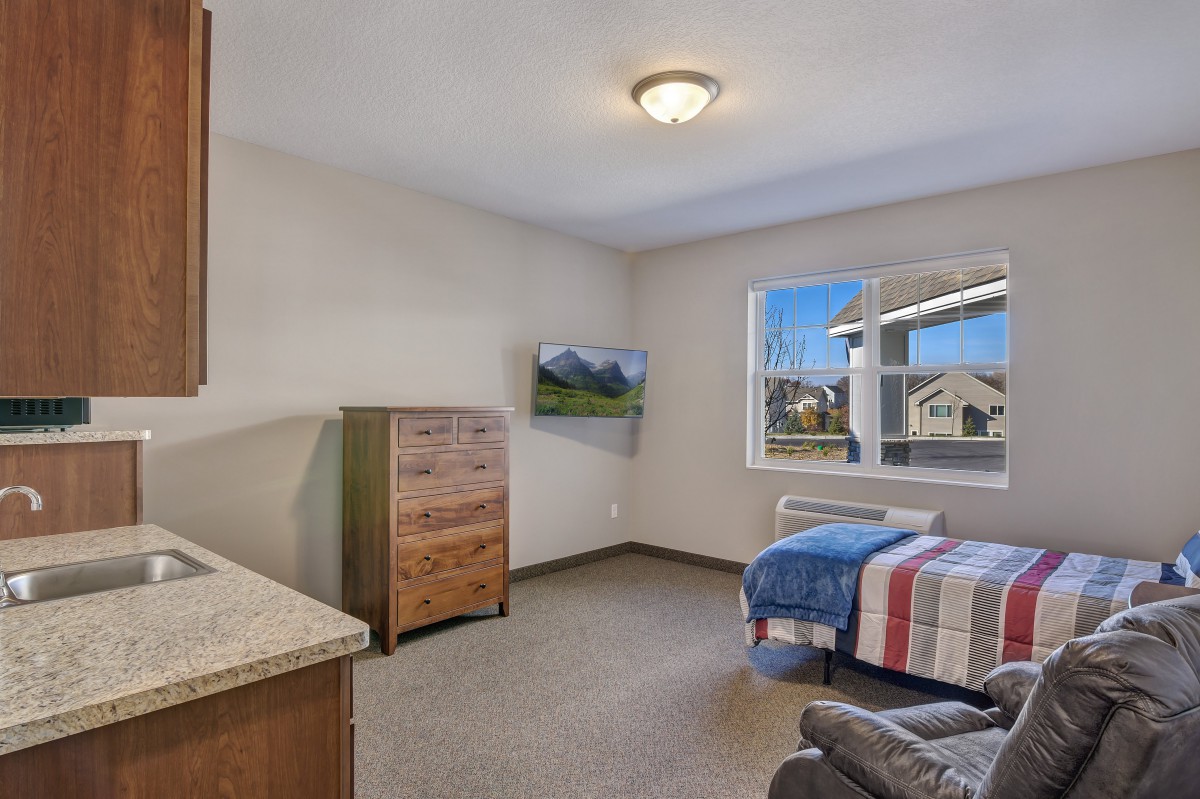
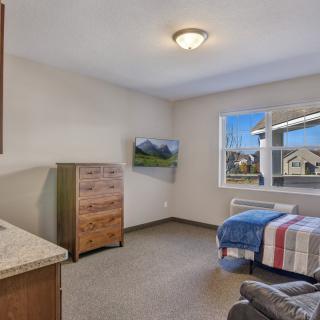
 Studio apartments
 Assisted Living
 Memory Care
 Air-conditioning
 Beautician on-site
 Cable or satellite TV
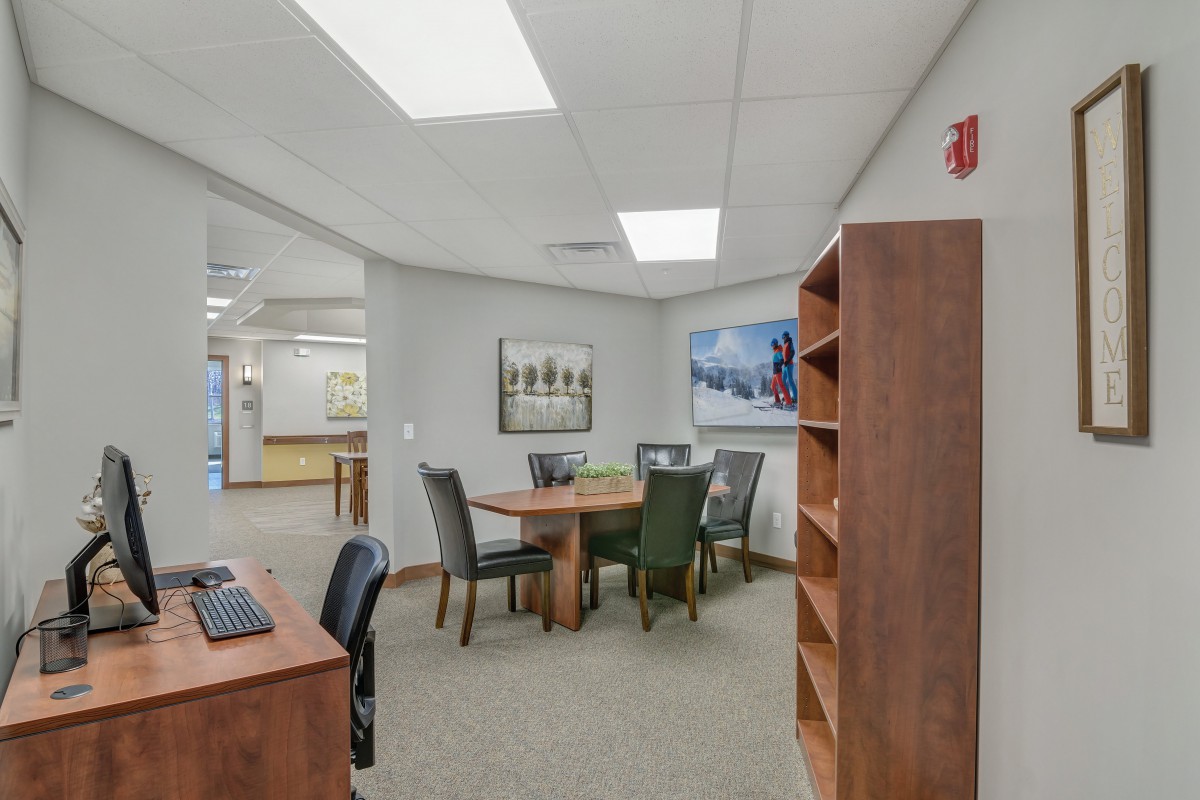
 Computer center
 Dining room
 Garden
 Ground floor units
 Guest parking
 Handicap accessible
 Housekeeping services
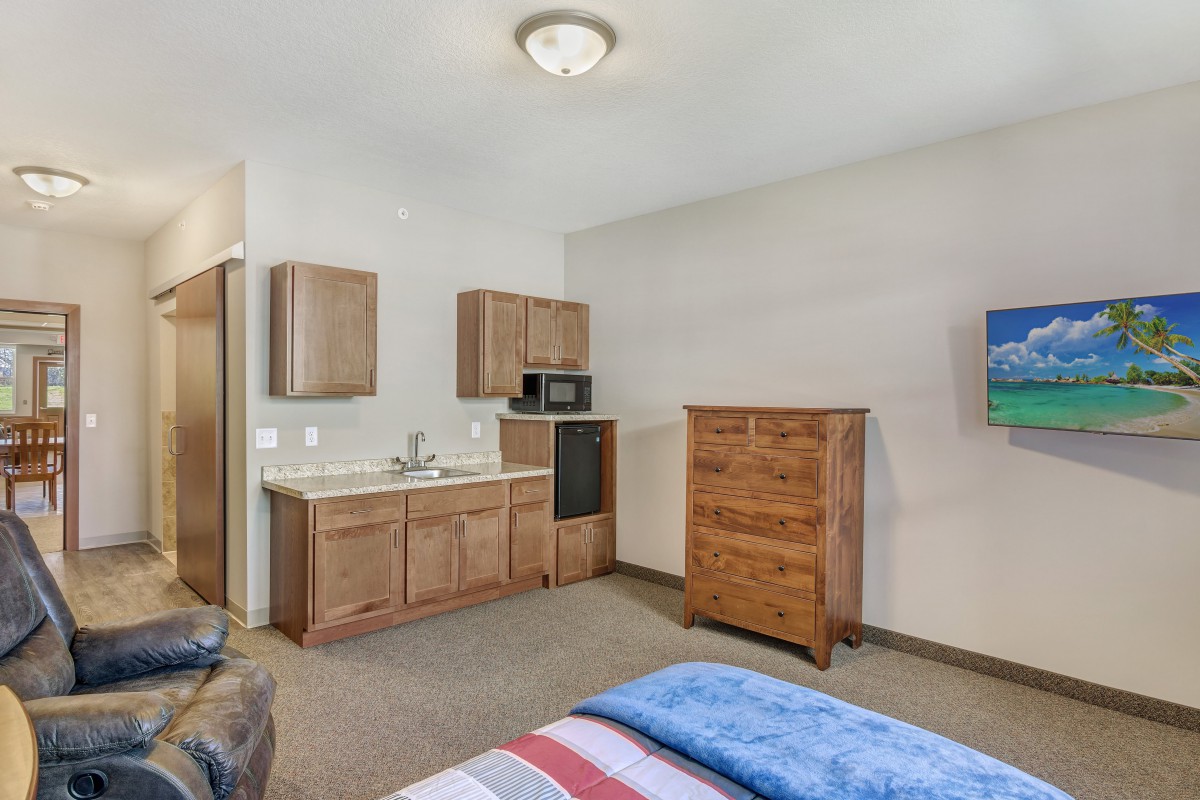
 Kitchenette
 Laundry
 Overnight guests
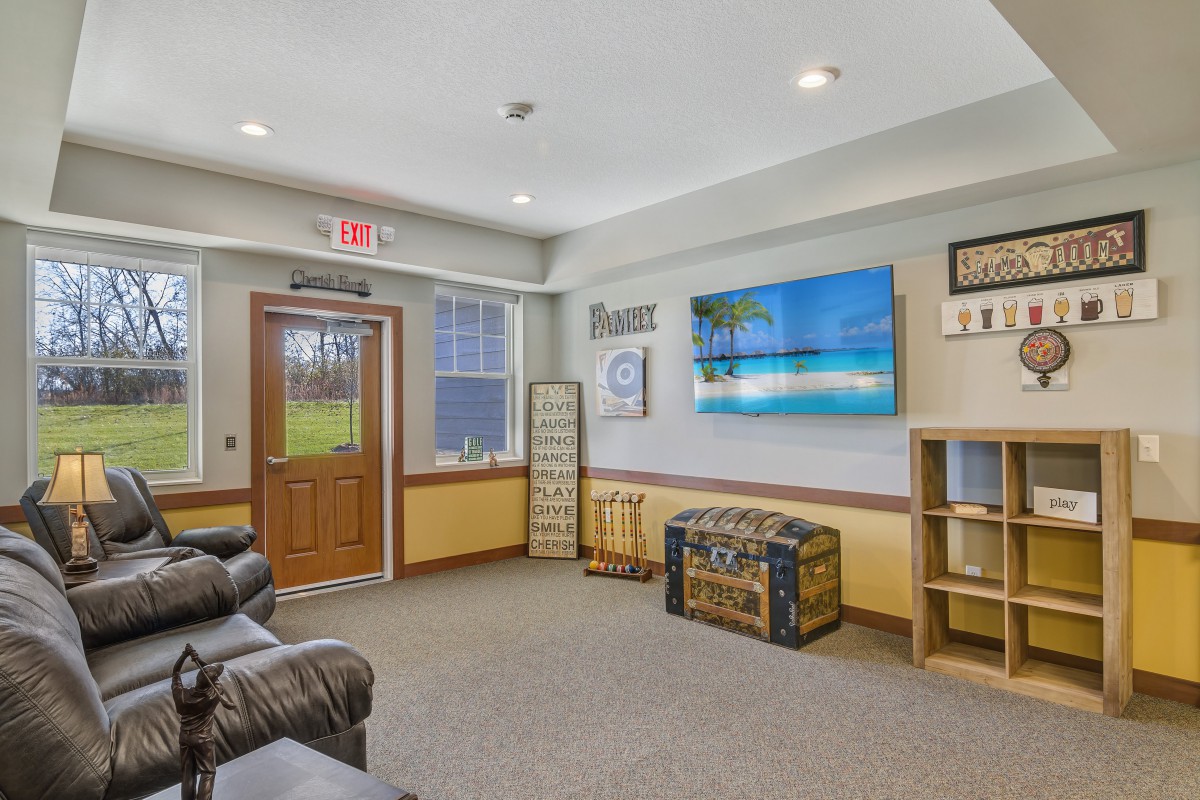
 Party space
 Respite or short term stays offered
 Security gate
 Wheelchair accessible showers
 Wi-Fi/high-speed internet available
 Minneapolis-St Paul International (16 miles away)
 Diabetic care
 High acuity care
 Hospice care
 Incontinence care
 Medication management
 Physical therapy
 Diabetes diet
 Guest meals
 Arts and crafts
 Brain fitness
 Cards / pinochle club
 Cooking club
 Day trips and outings
 Devotional activities on-site
 Games
Games Happy hour
 Live musical performances
 Resident band or musicians
 Stories
 Stretching classes
 Trivia games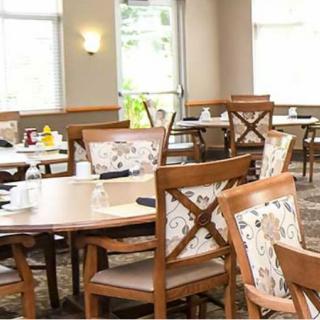

 Why Do Dementia Patients Sleep So Much? Understanding Oversleeping, Stages, and Care Approaches
 8 Key Indicators That Suggest It May Be Time to Transition from Assisted Living to Skilled Nursing Care
 Nourishing the Mind: Essential Dietary Approaches for Dementia