
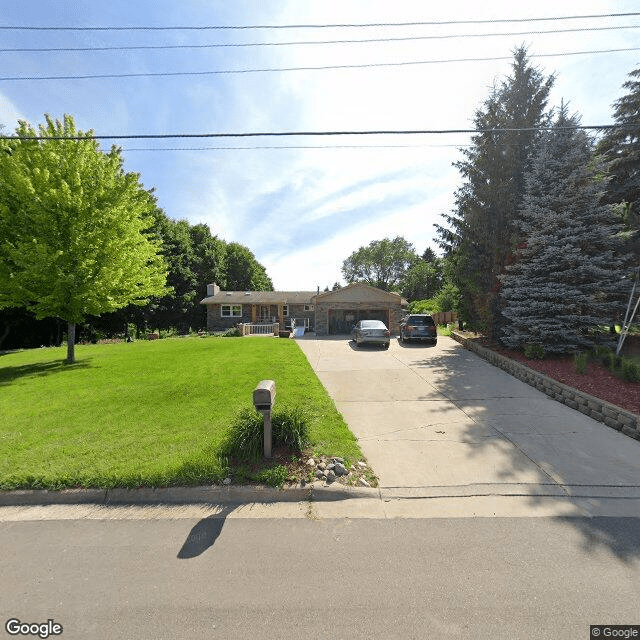
2521 Wilshire Boulevard, Mound, MN 55364
For more information about senior living options: (866) 208-4318
Overall Review of Tranquil Living
Pros
 Tranquil Living is amazing.
- The staff are caring, compassionate, and strong advocates for clients.
- The team works incredibly hard.
- The staff have sound knowledge of mental health and other complex health challenges.
- The staff are quick to ask questions and respond to residents’ needs.
- The home is one of the best options for this kind of care.
- The professionals at Tranquil Living treat all residents like family.
- They listen to families and proactively meet residents’ needs, including arranging transportation for family events.
- The director is highly skilled and effectively handles all aspects of residents’ needs.
Cons
 There are many homes that are not people orientated.
- Improper medical care, abusive housemates, and a very lonely life were present at those homes.
- The previous home is described as a dim and miserable place.
Review
Tranquil Living is best for families seeking a deeply person-centered, family-style assisted living experience for loved ones with significant daily-care needs, including mobility limitations and complex medical or mental-health challenges. The community earns its strength from a staff that feels invested in residents and a leadership team that treats each resident as a family member. Cleanliness, good food, engaging activities, and a genuine sense of warmth round out the everyday experience, while staff responsiveness and advocacy stand out as defining features. This is not a generic care setting; it is a place designed to cultivate comfort, dignity, and continuous attention for residents who require thorough daily support.
Those weighing alternatives should consider situations where a lighter touch or a more clinical, outcome-driven environment would fit better. If independence is the priority and daily assistance is minimal, or if the desired setting emphasizes more specialized dementia programming rather than comprehensive supports, another community may serve better. Families seeking a highly structured and less person-directed atmosphere should evaluate other options where staff involvement may be less intensive or where a different care focus prevails. Tranquil Living shines when a resident needs proactive engagement, frequent family collaboration, and a home-like ethos that isn’t easily matched elsewhere.
The strongest pros, compassionate advocacy, hands-on care, and a staff culture that makes residents feel truly seen, are what offset the most credible concerns families might have about higher-touch care. Reviews highlight staff who work hard, think ahead about health and daily needs, and respond quickly to evolving situations. The ability to transport residents to family events signals a level of involvement that many families prize, and the leadership’s medical know-how, coupled with a willingness to partner with families, reinforces trust during difficult health scenarios. In short, the pros translate into tangible outcomes: residents who appear to be well-supported, engaged, and treated as part of a trusted circle.
A key strength to probe in visits is the leadership dynamic, especially the director’s role in coordinating complex needs. Reviewers repeatedly praise proactive problem-solving, strong medical knowledge, and transparent communication with families. Prospective clients should ask how care plans are reviewed and updated, who leads medical oversight, and how transitions between levels of care are managed. Also verify the logistics around transportation for events, the cadence of care conferences, and the team’s experience with brain injuries or non-verbal residents. These details validate the impression that this is a place where medical and daily-living needs are synchronized rather than treated as separate concerns.
Cost and value are repeatedly cited as favorable, which makes the overall package attractive for families facing long-term care decisions. The combination of attentive staff, a home-like atmosphere, and robust engagement with families often translates into a perceived higher value relative to peers in the region. Yet, families should still perform direct comparisons with nearby options, confirming what is included in the rate, and ensuring that any anticipated care escalations are explicitly accounted for in contracts and care plans. The favorable narrative on cost should be weighed against personal expectations for independence, frequency of outings, and the degree of medical oversight required.
Overall, Tranquil Living stands out as a compelling choice for those who want a caregiving environment that feels less institutional and more like an extended family unit, with professionals who listen, adapt, and advocate. It is especially strong for residents with complex needs who benefit from constant attention, signal-ready responsiveness, and a culture of communal support. Families prioritizing this intimate, hands-on model will find the match highly favorable. For others, especially those seeking a more independent, less involved care dynamic or a different clinical emphasis, explore alternatives with the same rigor, knowing that Tranquil Living delivers exceptional care anchored in genuine compassion.
 5 resident community capacity
 Assisted Living
 Board and Care Home
 Cable or satellite TV
 Dining room
 Fully furnished
 Garden
 Housekeeping services
 Move-in coordination
 Outdoor space
 Telephone
 Wi-Fi/high-speed internet available
 Minneapolis-St Paul International (22 miles away)
 24-hour supervision
 Activities of daily living assistance
 Assistance with bathing
 Assistance with dressing
 Assistance with transfers
 Diabetes diet
 Meal preparation and service
 Medication management
 Special dietary restrictions
 Transportation arrangement (medical)
 Transportation to doctors appointments



 Exploring the Contrasts Between Assisted Living and Skilled Nursing
 8 Key Indicators That Suggest It May Be Time to Transition from Assisted Living to Skilled Nursing Care
 Vibrant Senior Living: A Comprehensive Guide for Active Older Adults