
260 Mattson Road, Mora, MN 55051
For more information about senior living options: (866) 208-4318
Overall Review of S & O's Assisted Living
Pros
 Eastwood has a welcoming atmosphere.
- The current employees are very caring, thoughtful, and compassionate about caring for the residents.
- The facility is clean, upbeat, and homey.
- It offers a wide variety of activities and outings that keep residents happy and provide a fun-filled daily experience.
- The staff is a caring group taking care of wonderful residents.
- The environment is clean and the food is good.
- Lisa, the director, is amazing with the residents and keeps families informed.
- Eastwood is great if you don’t live or work there.
Cons
 Eastwood is great only if you don’t live or work there.
- The facility is understaffed and not well trained.
- Turnover is high.
- Some caregivers are excellent, but the rest drag the facility down.
- Nights were the worst.
Review
This community is best suited for families seeking a warm, home-like atmosphere where staff relationships feel intimate and real. The reviews consistently spotlight a small, cozy setting with a strong sense of family among residents and caregivers, plus a daily rhythm built around meaningful activities and dependable meals. It’s particularly well-matched for seniors who thrive on personal attention, enjoy social engagement, and value open communication with a team that treats loved ones with patience and kindness. For those who want a place where staff know residents by name, remember preferences, and foster a welcoming, upbeat environment, this option stands out.
Families should consider alternatives if 24/7 staffing consistency, uniform training across all aides, or highly specialized medical oversight are non-negotiables. The clearest caveat in the feedback is the concern about understaffing, turnover, and uneven training across shifts, which can translate into tougher nights and variability in care. If a resident’s needs include intensive nocturnal support, complex medical supervision, or a tightly controlled routine requiring near-perfect consistency, other communities with larger teams and broader clinical resources may offer a more predictable safety net. Despite the many positives, these staffing realities merit careful scrutiny before committing.
The strong points form a compelling counterbalance to the downsides. Caregivers are repeatedly praised for genuine warmth, attentiveness, and the way they treat residents “like family.” Cleanliness, a homey ambiance, and reliably good meals further reinforce a sense of comfort and daily well-being. The breadth of activities and outings keeps residents engaged and connected, which in turn supports mood and cognitive sharpness. Leadership communication also stands out; families feel informed and included, with staff and administrators who invest effort into coordinating transitions and ongoing care. Taken together, these pros create a dependable living experience for many residents.
Yet the cons do not vanish with positivity. The most consistent thread is a gap between ideal staffing and on-the-ground reality. When turnover is high and training uneven, the quality of care can hinge on who is on duty, especially during nigh shifts. Nights are singled out as the toughest period, underscoring the risk for residents who require steady, vigilant oversight after sundown. This dynamic doesn’t erase the generosity and skill found in many caregivers, but it does introduce a reliability risk that families must weigh against the advantages of a small, intimate setting. A prudent approach includes verifying current staffing levels, understanding how schedules are structured, and assessing whether night-time support meets the resident’s needs.
For families evaluating options, practical diligence matters as much as sentiment. Schedule a multi-visit tour at different times, including evenings, to observe how staff interact with residents across shifts. Inquire about staff-to-resident ratios, turnover trends, training programs, and recent improvements in supervision. Probe how the facility handles individualized care plans, medication management, and emergency procedures, and request to speak with both front-line caregivers and the director about how resident concerns are addressed. Look for transparency about meal planning, activity calendars, and opportunities for family involvement. These concrete checks clarify whether the emotional warmth translates into consistent, reliable care day to day.
In sum, this Mora community delivers a compelling option for families who prize a nurturing, home-like environment, strong caregiver devotion, and active engagement for residents. Its core strengths, compassionate staff, clean, cozy surroundings, dependable meals, and a lively activity program, offer meaningful value and peace of mind. The decisive caveat is staffing stability: if dependable, uniform care across all hours is non-negotiable, alternatives with larger teams and stronger night coverage deserve comparison. For families willing to balance warmth with a watchful eye on staffing dynamics, the path forward is clear, arrange a visit, speak candidly with caregivers and leadership, and align expectations with the resident’s precise care needs.
 21 resident community capacity
 Assisted Living
 Beauty salon
 Cable or satellite TV
 Dining room
 Fully furnished
 Garden
 Housekeeping services
 Kitchenette
 Move-in coordination
 Outdoor space
 Restaurant-style dining
 Small library
 Telephone
 Wi-Fi/high-speed internet available
 24-hour call system
 Activities of daily living assistance
 Assistance with bathing
 Assistance with dressing
 Assistance with transfers
 Diabetes diet
 Medication management
 Mental wellness program
 Special dietary restrictions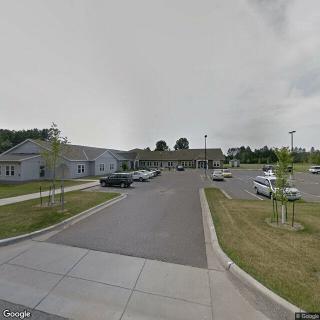


 Is Assisted Living Deductible on Your Taxes? Understanding the Complexities of Assisted Living Expenses and Deductions
 Assisted Living Support for Veterans: A Complete and Detailed Overview
 Exploring the Contrasts Between Assisted Living and Skilled Nursing