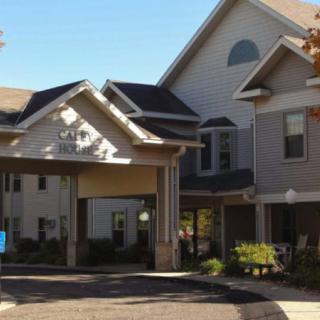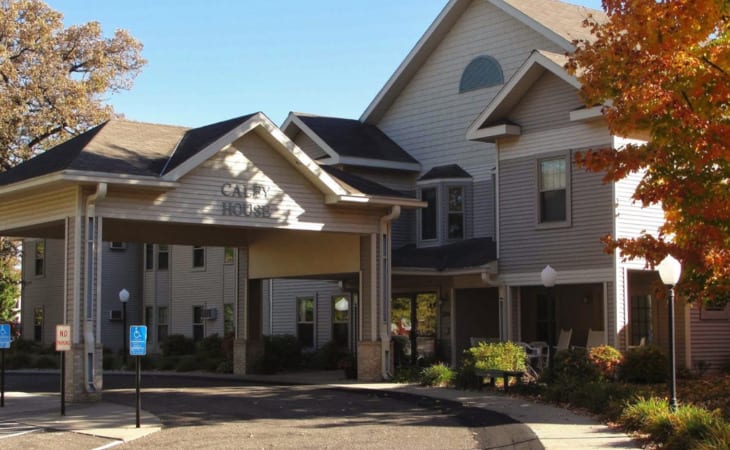
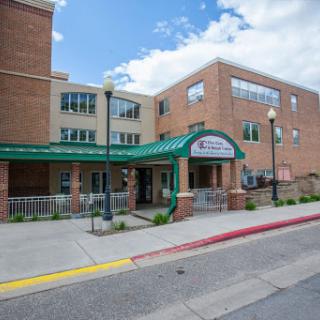
104 8th Ave S, Princeton, MN 55371
To contact a resident: (763) 389-0424
For more information about senior living options: (866) 208-4318
Elim Wellspring Princeton Caley House Costs & Pricing
Elim Wellspring Princeton Caley House offers competitive pricing for its residents, particularly when compared to both Sherburne County and broader Minnesota averages. For a studio apartment, the monthly cost is $2,857, which is notably lower than the county average of $3,132 and the state average of $3,617. However, for one-bedroom apartments, Elim Wellspring's rate of $3,390 exceeds the county's more affordable option at $2,392 but remains slightly above Minnesota's average of $2,893. This pricing structure suggests that while Elim Wellspring provides attractive options for studio living within budget-conscious parameters, there may be opportunities to better align one-bedroom pricing with local market trends.
| Floor plans | Elim Wellspring Princeton Caley House | Sherburne County | Minnesota |
|---|---|---|---|
| Studio | $2,857 | $3,132 | $3,617 |
| 1 Bedroom | $3,390 | $2,392 | $2,893 |
Assisted Living communities with a similar price nearby
-
from +$143 / mo
Willows Landing
$3,000 to $3,800 / month20.9 miles away -
from -$407 / mo
Stoney River Assisted Living and Memory Support
$2,450 to $4,900 / month24.9 miles away -
from +$543 / mo
Elmhurst Commons
$3,400 to $3,600 / month22.4 miles away -
from +$434 / mo
Keller Lake Commons
$3,291 to $3,564 / month18.8 miles away -
from +$443 / mo

Upday Home Health
$3,300 to $4,500 / month22.5 miles away
Overall Review of Elim Wellspring Princeton Caley House
Pros
 The place is described as a really nice place.
- The family found it to be a really nice place during the in-person tour.
- The overall impression is that it is a nice place to visit.
Cons
 It did not have a lot of activity going on.
- It seemed like a quieter facility.
Review
Elim Wellspring Princeton Caley House is best suited for seniors who want a peaceful, low-stimulation living environment within a small, intimate community. The setting supports residents who appreciate predictable routines, quiet days, and a feel of personal attention that often comes with a tighter floor plan and closer staff-resident relationships. It works best for individuals who do not require constant social programming or high-energy activities to stay engaged, but still want reliable supervision, approachable staff, and a comfortable, well-maintained home-like atmosphere.
Those prioritizing robust social programming, regular outings, and a bustling activity calendar should consider alternatives. The single review notes a notably quiet atmosphere and a lack of activity, which can translate into boredom or loneliness for residents who crave daily stimulation. Anyone with strong desires for an energetic social life, or those needing more intensive medical or memory-support services, would likely want options that offer more programming, a higher staff presence during the day, and more opportunities for engagement. In short, this community trades buzz for serenity.
Pros are tangible: the facility presents as clean, well-kept, and aesthetically comfortable, which immediately lowers stress and creates a welcoming feel. The small scale fosters closer relationships with caregivers and easier communication with family during visits. Residents can enjoy a predictable schedule, where meals, activities, and rest periods aren’t chaotic, making it easier to manage personal routines. A quiet environment can be a significant plus for seniors who are easily overwhelmed by noise or who prefer understated social interaction over large group settings.
However, the main drawback, the limited activity level, tends to override the benefits for most seniors seeking ongoing engagement. Without a robust calendar of events or regular opportunities to socialize, days can feel long and isolating, even in a well-maintained setting. The upside is that the calm, orderly pace may reduce stress and confusion for some residents and their families, and staff can offer more individualized attention in a slower rhythm. Still, the gap between desired social stimulation and what is provided is the deciding factor for many families, making alternatives with richer programming worth considering.
To assess fit on a tour, prioritize questions about daily programming and staff responsiveness: how many activities are offered weekly and who leads them; whether transportation is provided for appointments or outings; the degree of family involvement allowed in events; meal variety and timing; and how neighbors are integrated into community life. Request examples of recent activities, observe how staff interact with residents, and note whether residents appear engaged during the day. If possible, visit during an active period to gauge genuine participation. Also verify that care plans align with current medical or daily living needs and that the setting can adapt if routines change.
Bottom line: this community is a practical fit for residents who prize a serene, intimate setting with predictable days and personal attention over a bustling social calendar. For families seeking vibrant programming, frequent outings, or enhanced memory-care support, exploring alternatives will likely yield better long-term satisfaction. Elim Wellspring Princeton Caley House offers a solid foundation of comfort and safety, but its strength is quiet stability rather than high activity; that clarity will guide families to the option that best aligns with the resident’s personality, health trajectory, and goals.
 Assisted Living
 Activities off-site
 Devotional services off-site
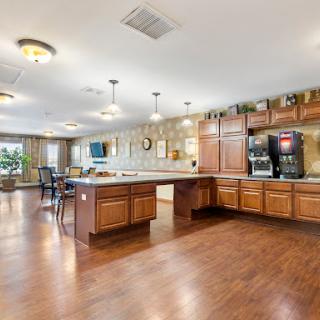
 Indoor common areas
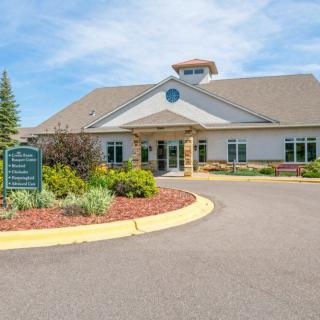
 Outdoor common areas
 St Cloud Regional (23 miles away)
 Ambulatory care
 Diabetic care
 Meals provided
 Bible study group
 Book club
 Bridge club
 Choir / singing club
 Happy hour
 Live dance or theater performances
 Live musical performances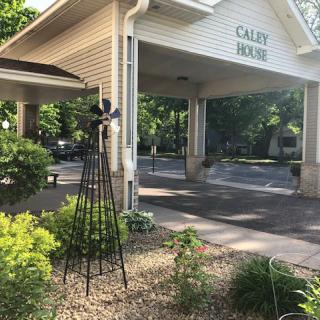

 A Detailed Exploration of Assisted Living Medicaid Waivers Across the United States
 Comprehensive Residential Support and Assisted Living Solutions for Individuals with Disabilities
 Comprehensive Supportive Living Arrangements for Adults with Disabilities