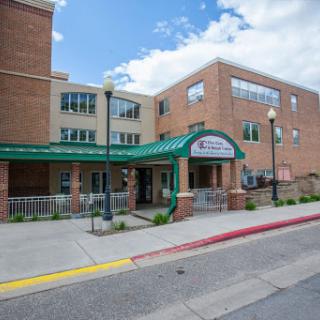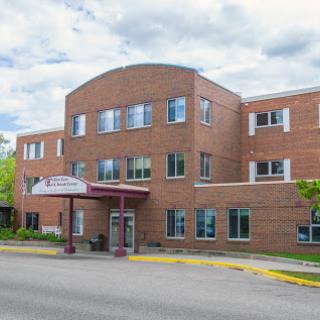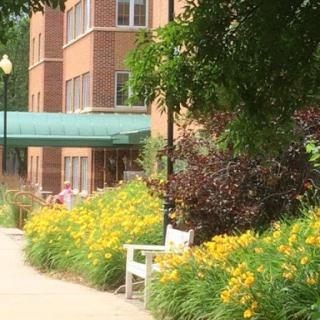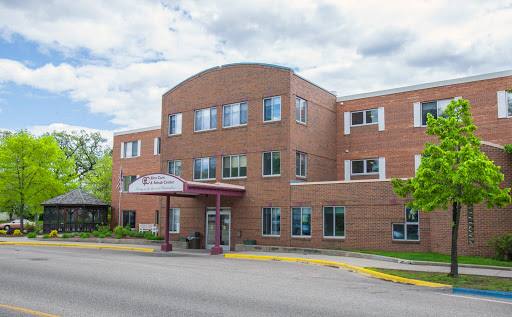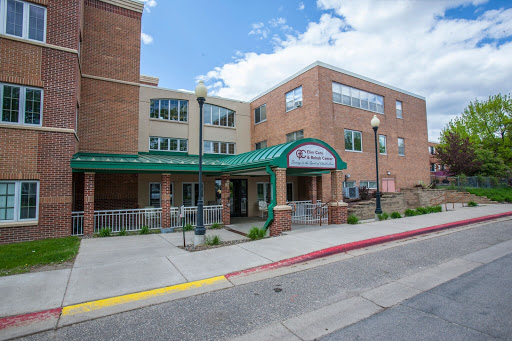


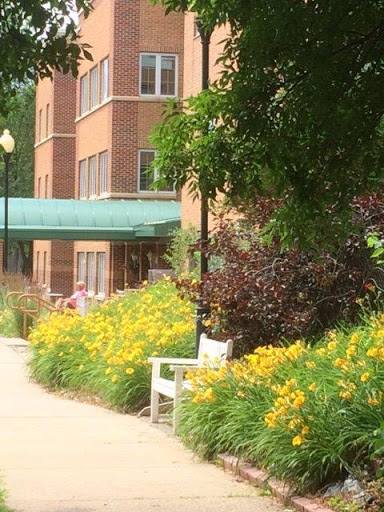

701 First Street, Princeton, MN 55371
For more information about senior living options: (866) 208-4318
Overall Review of Elim Home
Pros
 The staff are professional and dedicated.
 - The center provides social workers for resident support.
- The food is excellent.
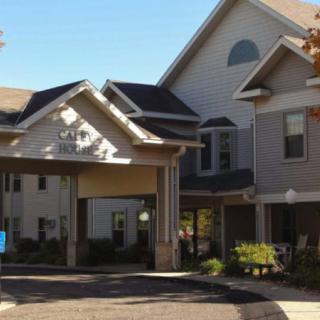
- The building is organized into “streets,” creating a personal, homelike environment.
- They have a diverse care team including aides, nurses, social workers, and chaplains.
- There is a person dedicated to overseeing residents and treating them like they’re at home.
- The staff has long tenure and seems to care about each other, indicating stability and a positive culture.
Cons
 The staff that cared for the grandmother did not clean wounds or upkeep basic care.
- After a loved one's death under questionable circumstances, the facility now refuses to turn over the medical records.
- The reviewer is not happy with the way their relative is treated at this facility, noting falls, blood not immediately cleaned up, baths given only when requested, and inconsistent communication about illnesses.
- A warning is issued to beware of this facility.
Review
Elim Home in Princeton, MN is best suited for families seeking a small, home-like environment where care feels personal and community-centered. The facility’s “streets” layout, with roughly 14 residents per area, supports a more intimate, family-style atmosphere that appeals to those who value ongoing social engagement, hands-on staff oversight, and a sense of continuity in caregiving. It works well for residents who want diverse on-site supports, social workers, chaplains, and long-tenured aides and nurses, without the cold, impersonal feel of a large campus. However, families should consider alternatives if the priority is rigorous medical oversight, transparent record-keeping, and rock-solid safety practices beyond the social and emotional dimensions of care.
Pros center on the human touch and the deliberate attempts to create a home-like day-to-day experience. The presence of social workers, chaplains, and a cohesive team signals a deeper level of holistic support beyond mere pill distribution. The building’s division into intimate streets makes activities feel purposeful and local, with staff planning events that reflect the needs of each area. Food quality and atmosphere are repeatedly cited as standout features, and staff viewed as caregivers who stay connected to residents’ routines rather than merely performing tasks. For families prioritizing relational care and a comforting, familiar setting, these strengths are meaningful and genuinely improve daily quality of life.
Yet the strongest positives do not fully offset the most serious drawbacks surfaced in multiple reviews. Instances of alleged mistreatment, including concerns about wound care and basic cleanliness, raise red flags about fundamental safety and caregiving standards. Denied access to medical records after a death, and inconsistent or opaque communication about falls and illness, compromise trust and the ability to actively participate in care decisions. The vivid contrast between “treating residents like family” in some observations and reports of delayed or inadequate responses to health issues in others creates a troubling inconsistency that cannot be ignored. These tensions directly impact safety, continuity of care, and legal transparency.
In practical terms, the favorable, person-centered elements may improve everyday life for some residents, but they do not fully compensate for the medical and governance concerns. A facility that excels in atmosphere and social programming can still fall short if wound care protocols are lax, if falls are not promptly managed, or if families cannot obtain critical medical information when it matters most. For a resident with complex medical needs, high risk of falls, or a family that relies on rapid, clear incident reporting and accountability, these gaps are likely to be decisive. The decision hinges on weighing the value of a warm, neighborly vibe against the reliability of medical governance and transparent documentation.
Families should consider alternatives if they prioritize safety, consistent medical oversight, and open records. Look for facilities with demonstrable track records in fall prevention, immediate wound care, and uninterrupted communication with families. Ask specifically about nurse-to-resident ratios, incident reporting procedures, access to medical records, and how care plans are updated and shared. Consider visiting multiple times, speaking with front-line staff on every shift, and requesting direct conversations with the administrator about safety policies and lawsuit- or enforcement-history disclosures. A candid comparison will reveal whether Elim Home’s intimate charm can coexist with the level of medical rigor required.
If choosing Elim Home, approach it with a clear care priority list and concrete questions. Insist on detailed care plans, walk-throughs of the “streets” model, and demonstrations of how medical issues are escalated and documented. Request to review the most recent incident reports, the process for releasing medical records, and the staff retention statistics to gauge continuity of care. Confirm who oversees wound care and falls prevention on each floor, and ask for a written assurance about responsive handling of health changes and emergencies. By focusing on governance, transparency, and safety measures alongside the beloved, community-driven atmosphere, families can make a more informed decision about whether Elim Home aligns with their loved one’s needs.
 106 resident community capacity
 Skilled Nursing Facility
 Air-conditioning
 Beauty salon
 Cable or satellite TV
 Computer center
 Dining room
 Fitness room
 Fully furnished
 Gaming room
 Garden
 Housekeeping services
 Kitchenette
 Move-in coordination
 Outdoor space
 Private bathrooms
 Restaurant-style dining
 Small library
 Telephone
 Wellness center
 Wi-Fi/high-speed internet available
 St Cloud Regional (23 miles away)
 Community operated transportation
 12-16 hour nursing
 24-hour call system
 Activities of daily living assistance
 Assistance with bathing
 Assistance with dressing
 Assistance with transfers
 Diabetes diet
 Medication management
 Mental wellness program
 Special dietary restrictions
 Concierge services
 Planned day trips


 Highly Beneficial Low-Impact Exercises for Senior Living Residents
 Is In-Home Healthcare Tax Deductible? Your Comprehensive Guide
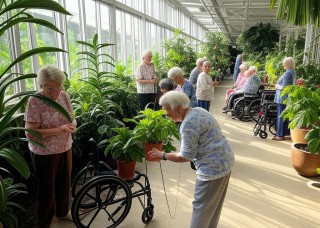 Nurturing Well-Being Through Gardening: A Detailed Guide for Senior Enthusiasts