
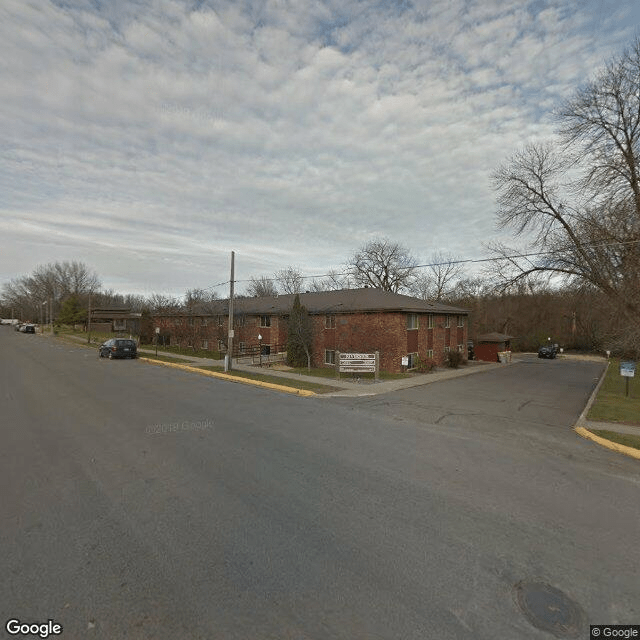
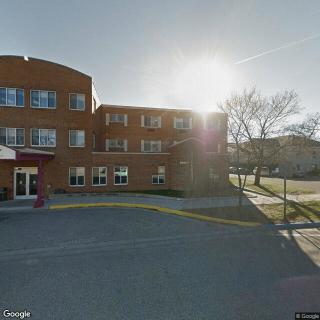
106 4th Ave. South, Princeton, MN 55371
To contact a resident: (763) 753-1724
For more information about senior living options: (866) 208-4318
Riverside Apartments Costs & Pricing
Riverside Apartments offers competitive pricing for its residents, especially when compared to the broader market in Sherburne County and the state of Minnesota. For a 1-bedroom apartment, Riverside's monthly cost stands at $765, significantly lower than the county average of $2,392 and well below the state average of $2,893. Similarly, their 2-bedroom units are priced at $790, which is also a considerable bargain compared to Sherburne County's average of $1,945 and Minnesota's overall average of $2,955. This favorable pricing not only makes Riverside Apartments an attractive option for potential renters but also highlights their commitment to providing affordable housing solutions in a challenging market.
| Floor plans | Riverside Apartments | Sherburne County | Minnesota |
|---|---|---|---|
| 1 Bedroom | $765 | $2,392 | $2,893 |
| 2 Bedrooms | $790 | $1,945 | $2,955 |
Senior living communities with a similar price nearby
-
from +$35 / mo
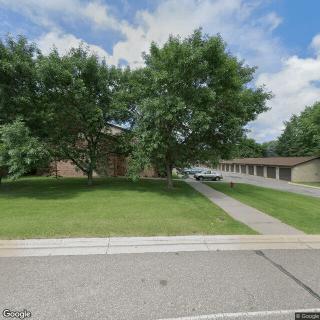
Pheasant Ridge
$800 to $860 / month23.7 miles away -
from -$85 / mo
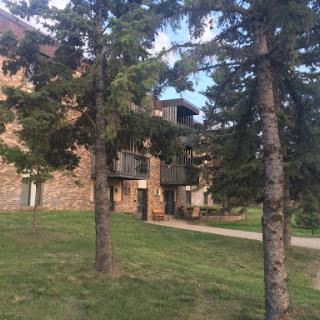
Elk Ridge Manor
$680 to $730 / month17.9 miles away -
from +$55 / mo

The Oaks of Lake George
$820 to $1,032 / month18.6 miles away -
from +$65 / mo
Woodcrest
$830 / month24.9 miles away -
from -$85 / mo
Woodview Apartments
$680 to $750 / month8.7 miles away
Overall Review of Riverside Apartments
Pros
 The place is wonderful.
- It is conveniently located next to a library.
- It is accessible.
- It has a picnic area and grill.
- Heat and water are included.
- It offers off-street parking.
Review
Riverside Apartments in Princeton, MN is best suited for independent seniors who want straightforward, budget-conscious housing with practical perks and easy access to community resources. The community fits residents who value accessibility, predictable monthly costs, and social potential that doesn’t demand a heavy commitment to care services. It is not designed as a full-spectrum care setting, so those who anticipate needing daily assistance, on-site caregiving, or memory-care support should seriously consider other options. With a small but positive track record, averaging a solid 4.5 from two reviews, the property demonstrates reliability in the basics, yet the limited volume of feedback means decision-makers should verify fit through a firsthand visit before committing.
From the available observations, the strongest selling points are clear and pragmatic. The location, adjacent to a library, creates an easy rhythm for residents who appreciate proximity to programs, quiet study spaces, and opportunities to participate in community life without long commutes. Accessibility is highlighted as a feature, an essential factor for seniors who want to maintain independence without frequent barriers. A picnic area with a grill adds informal social terrain for neighbors to connect, which can translate into neighbors looking out for one another over time. Utility inclusions, heat and water, simplify budgeting and reduce the number of bills to track each month, a meaningful relief for fixed-income residents. Off-street parking further eases the visit experience for family and caregivers who frequently swing by.
Those strengths translate into practical daily advantages. Accessibility likely supports safer movement through common areas and apartment entrances, which can lower the risk of falls and make routine tasks more manageable. The library adjacency isn’t merely a convenience; it can become a low-cost channel for ongoing learning, social events, and cognitive engagement that a care-focused setting might otherwise provide at a premium. The picnic area and grill create low-pressure social moments that help prevent isolation, a pervasive risk for seniors living alone. Included utilities mean less friction when planning finances, which also reduces the stress of monthly budgeting during retirement. In short, Riverside offers an uncomplicated, neighborly vibe paired with practical perks that many independent seniors will value as they age in place.
Yet the limited number of reviews leaves important questions unaddressed, especially for those evaluating a long horizon of care needs. The explicit absence of information on on-site dining, housekeeping or laundry services, transportation options, or any structured activity calendar means potential gaps could emerge as needs change. Without details on safety features, maintenance responsiveness, emergency procedures, or staff availability, the decision hinges on assumptions rather than confirmed capabilities. For residents who expect or anticipate requiring daily assistance, medication management, wellness checks, or specialized memory-care programming, Riverside may fall short. Those considerations point toward exploring assisted living or memory-care communities that provide a formal continuum of care rather than relying on independent living with optional external support.
Nevertheless, the pros can meaningfully offset these potential drawbacks for the right buyer. For budget-conscious seniors who prize predictable bills and straightforward living, heat and water inclusions remove a recurring financial headache. Off-street parking reduces the anxiety of unsafe street parking or complicated visitor logistics, which supports frequent family interaction without added planning stress. The library’s presence acts as a built-in enrichment hub, broadening access to culture, information, and gentle social engagement without extra fees. The social nook of a picnic area converts casual neighborly interactions into routine, manageable occasions that help sustain a support network, an important counterbalance to the limitations of a smaller, independent-living footprint. Put together, these elements form a practical, low-maintenance lifestyle that can be surprisingly satisfying for residents who want autonomy with dependable everyday conveniences.
To move decisively, consider a clear profile and a concrete checklist. The Riverside option shines for those who prioritize independence, stable housing costs, and proximity to a community resource like a library. It is not a fit for anyone seeking comprehensive on-site care, structured programming, or a broad array of amenities designed to replace outside services. Prospective residents should verify transportation availability, confirm whether housekeeping or meal services are offered, and request a tour focused on safety features, maintenance responsiveness, and lease terms. A visit should also probe how often maintenance requests are addressed, what accessibility accommodations exist beyond basic accessibility, and whether there are opportunities for social programming or partnerships with local organizations. If independence, predictable costs, and neighborly accessibility top the list of priorities, Riverside warrants serious consideration; if ongoing care needs are anticipated, the search should continue toward communities designed around a continuum of care.
In the end, Riverside Apartments presents a practical, no-nonsense option that respects budget constraints while delivering essential convenience and social potential. For the right resident, someone who values accessibility, predictable expenses, and easy access to nearby resources without demanding daily care, this community can be a strong fit. For those who expect daily assistance, directed care programs, or a wider array of on-site services, it pays to compare alternatives that explicitly offer assisted living or memory-care supports. A thoughtful visit, with a focus on safety, services, and the evolution of needs, will reveal whether Riverside is the right anchor for a growing, independent lifestyle.
 Active Adult Communities (55+)
 Cats allowed
 Dogs allowed
 Activities off-site
 Beautician on-site
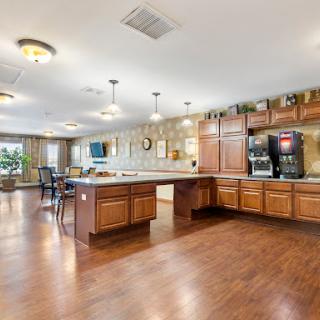
 Indoor common areas
 Outdoor common areas
 St Cloud Regional (23 miles away)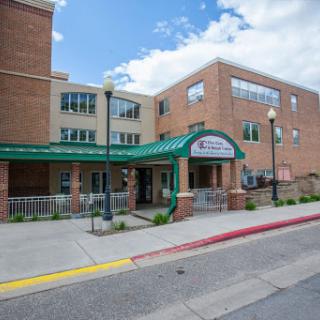

 Recognizing the Journey: Understanding and Navigating Anticipatory Grief
 Encouraging Participation in Adult Day Care: A Guide to Supporting a Hesitant Parent
 Comprehensive Exploration of Living Wills and Other Advance Directives