

110 N 7th st, Mora, MN 55051
For more information about senior living options: (866) 208-4318
Overall Review of St. Clare Living Community of Mora-The Villag
Pros
 Jess stood out for attentiveness and genuine concern for patients' care and comfort.
- Jess consistently communicated clearly what the plan was for her shift.
- Jess explained medications, including dosage information, clearly.
- Dar, the occupational therapist, went above and beyond in every interaction and was outstanding.
- The rehabilitation facility is a place the reviewer would return to if needed.
- The facility feels safe, reasonably clean, and well cared for.
- All staff are amazing, friendly, and make residents feel welcomed.
- Some of the staff are among the most caring and compassionate people, with residents feeling like family and care described as exceptional.
- The facility's staffing, with CNAs or higher, contributes to high-quality care.
Cons
 The food was not very good.
- The food lacked flavor beyond salt.
- CNA care was 50/50; some CNAs were very good, while others seemed to lack experience.
- There was one very bad experience with a nurse who was reportedly no longer employed at the facility.
- The facility was not high-end.
Review
St. Clare Living Community of Mora, The Village is best suited for seniors who need structured post-acute rehab and ongoing, personable assistance in a setting that prioritizes relationship-building with staff. The place feels like a small, attentive team environment where residents are treated with warmth and familiarity, and where therapy services are a central, well-integrated part of care. Families repeatedly highlight successful transitions home through targeted therapy, clear communication from caregivers, and staff who seem genuinely invested in residents’ comfort and daily routines. This community works particularly well for those who want dependable rehab outcomes, a sense of family-like atmosphere, and staff accessibility that makes daily needs feel manageable rather than daunting.
Those weighingAlternatives should note who may want to look elsewhere. If gourmet dining or upscale decor are non-negotiables, this may not be the right fit, as feedback points to food that is adequate but not rich in flavor. If a perfectly uniform CNA experience is essential, the mixed performance among aides suggests that some shifts may be stronger than others, which could unsettle residents who crave flawless consistency. Families seeking a broader, high-end continuum of care or more extensive on-site medical subspecialties might prefer facilities with larger staff rosters and more extensive specialty programming. In short, those prioritizing luxury amenities or ultra-stable caregiving across all shifts should compare options more closely before deciding.
On the positive side, the strongest asset is the caregiving staff’s depth of care and their willingness to go the extra mile. Reviews repeatedly celebrate CNAs and nurses who are attentive, communicative, and respectful, with particular praise for staff members who personalize care plans and explain medication regimens clearly. The standout therapy experiences reinforce that the rehab program is not a showpiece but a functional, results-oriented pathway to safer discharge. An occupational therapist demonstrated exceptional dedication, facilitating safe transitions and providing encouragement that resonated with families. For rehab-focused residents, these hands-on, practical successes can outweigh other imperfections.
The most tangible drawbacks center on food quality and inconsistency in front-line staffing. Food is described as acceptable but not flavorful, with limited variety; it’s a factor that can dampen daily satisfaction, especially for residents who spend extended stretches eating meals in community settings. CNA performance varies by shift, which can create uneven experiences for residents and families who value steady, predictable care. One particularly negative nursing interaction stands out in the record, underscoring the reality that not all shifts meet high standards, even in a facility that otherwise earns praise for compassion and professionalism.
Despite the drawbacks, the core strengths tend to offset the main weaknesses for many residents. Strong rehab outcomes and a clearly caring culture help residents regain independence and feel supported, making the facility a solid choice for those prioritizing recovery goals over luxury. The sense of family extended by staff, people who treat residents like beloved grandparents and maintain open lines of communication with families, adds a meaningful dimension to daily life. When therapy and consistent kindness align, families can feel confident that their loved one is in capable hands, even if dining and day-to-day consistency aren’t perfect.
In the end, this community stands up well for post-acute rehabilitation, short-term stays, and residents who value personal attention and practical therapy-driven progress. Prospective families should engage early with therapy leads and nursing leadership to gauge current staffing patterns and to tour the dining options for themselves. Ask about shift coverage, CNA training standards, and specific therapy modalities available for different conditions. If the aim is to leave the facility ready to return home with regained function and a positive daily experience, St. Clare Living Community of Mora, The Village is a pragmatic, trusted option worth pursuing. For those seeking higher-end amenities or impeccably consistent service across every shift, alternatives should be actively explored.
 Assisted Living
 Independent Living
 Activities on-site
 Devotional services off-site
 Indoor common areas
 Ambulatory care
 Diabetic care
 Meals provided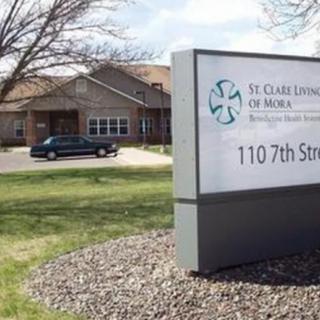



 Comprehensive Supportive Living Arrangements for Adults with Disabilities
 Funding and Affording Assisted Living: A Thorough Overview
 Assisted Living Expenses and Long-Term Care Insurance: A Comprehensive Exploration