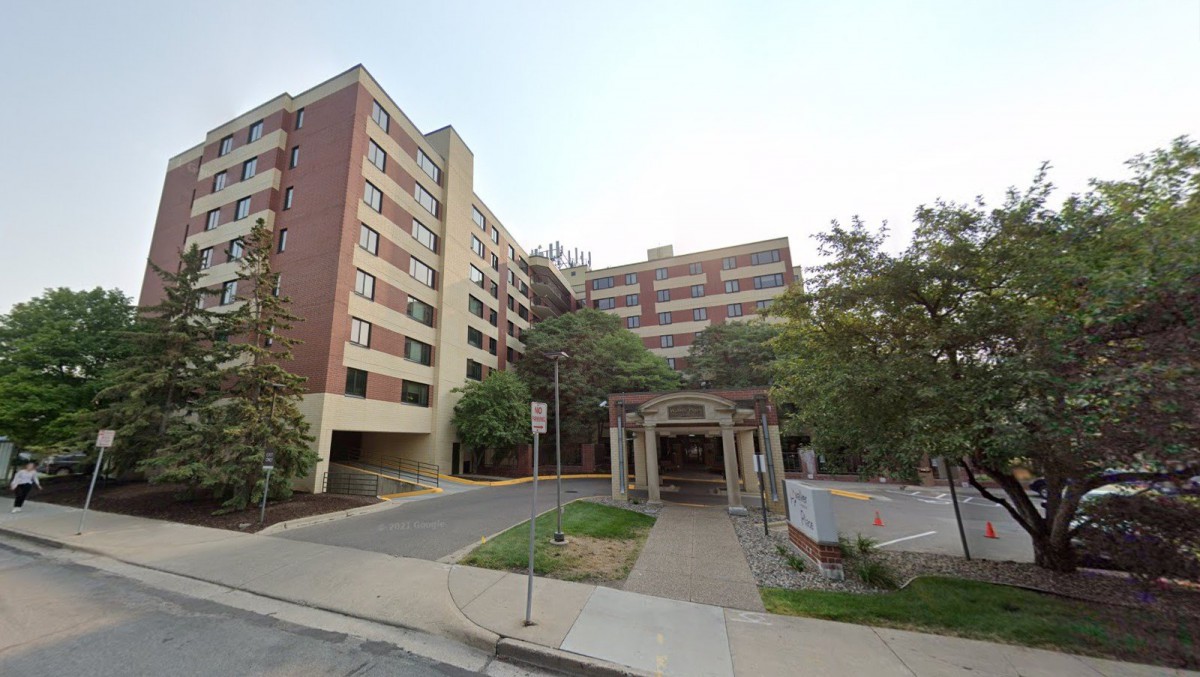



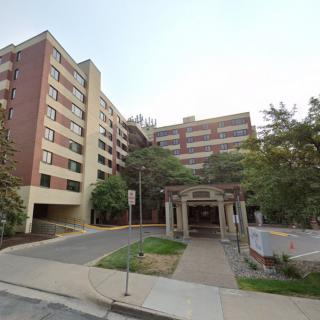

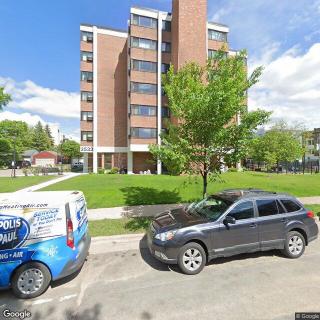
3737 Bryant Avenue S, Minneapolis, MN 55409
For more information about senior living options: (866) 208-4318
Overall Review of Walker Methodist Health Center
Pros
 The center is nice and well-organized, and the staff knew how to help his recovery.
- The staff were very nice.
- The meals were nutritious and good.
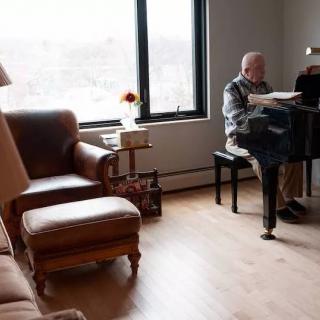
- It is a vibrant community with independent and assisted living.
- The staff are wonderful, caring, and supportive.
- The staff address concerns promptly.
- They have laundry services and weekly cleaning.
- He was able to return to his home after six weeks of therapy.
- The patient made significant progress—walking well and speaking more clearly.
- The staff saved her life.
Cons
 The facility is woefully understaffed, and language barriers often hinder communication.
- The place is unprofessional, and many reviewers would not recommend it to anyone.
- Rooms and common areas were dirty and dingy, with old and worn furniture.
- Equipment is frequently out of order and staff lack proper training, causing delays in care.
- Wait times for call lights to be answered are often too long.
- Some staff are overworked, and others do not speak English clearly, making understanding difficult for patients.
- The food is terrible and served cold, and the food service is disorganized, resulting in long meal waits.
- The administration appears more focused on assets and profits than on residents’ well-being.
Review
Walker Methodist Health Center in Minneapolis is best suited for seniors who are transitioning from a hospital stay and need focused rehabilitation, especially physical and speech therapy, with an anchored sense of community. Families that prize responsive staff who learn residents by name, plentiful in-house activities, and convenient access to medical services should consider this campus seriously. However, those who require consistently high staffing levels, flawless communication in English, or a facility that feels brand-new and impeccably maintained may want to explore alternatives.
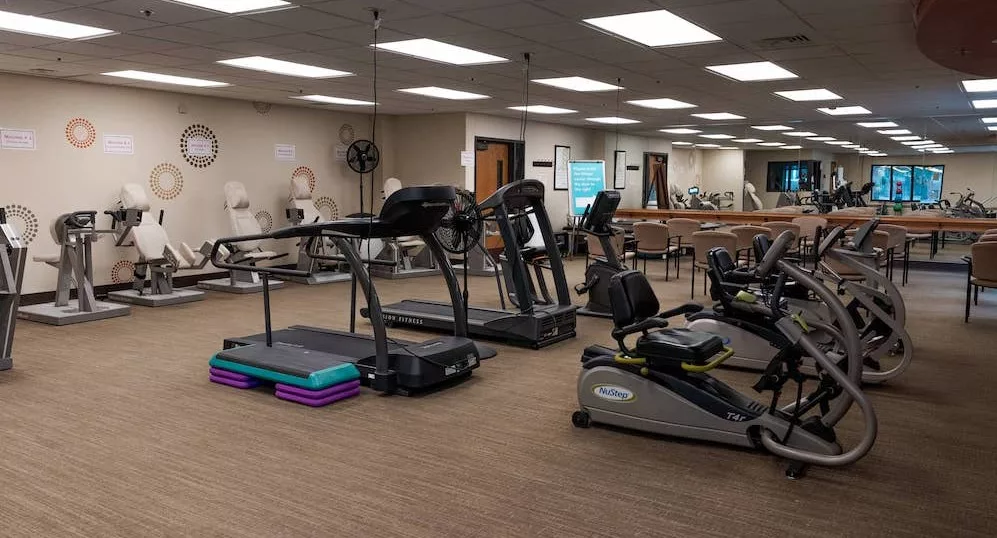
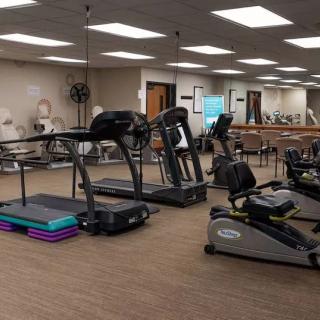
On the plus side, the core strength here is the people delivering care. Several reviewers point to caring, knowledgeable staff who get residents walking again and keep families informed. The campus offers practical advantages: a fitness room, a chapel, a medical center adjacent to the property, scheduled outings, laundry and weekly cleaning, and the ability for residents to dine in a social setting or in their own apartment. For families seeking a one-stop environment where therapy and daily living support are integrated, these elements count for a great deal.
Yet the downsides are real and cannot be dismissed. Understaffing surfaces as a recurring theme, translating into delayed call-light responses and imperfect day-to-day workflows. Language barriers complicate communication for some residents and families, and several accounts describe maintenance gaps, dirt on trays, aging furnishings, and equipment that occasionally fails. Food quality and service are also flagged by multiple reviewers as inconsistent. In short, the facility can run warm and capable in therapy and daily care, but operational frictions pull against the experience.
Those tensions matter most when weighing the pros against the cons. The strongest offset comes from tangible rehab success and the evident commitment of many staff members to patient recovery and well-being. The central Minneapolis location, the range of on-site services, and the surrounding supportive options (outings, transportation, and related amenities) create a practical and workable environment for many families. However, the persistent staffing and communication gaps, plus building-age drawbacks and uneven food quality, create a risk that the experience will feel disjointed or frustrating on tougher days. For a resident needing predictable, high-touch daily care, the math may tilt toward looking elsewhere.
For families evaluating this community, a targeted tour is essential. Inspect the nursing floors without notice to gauge cleanliness and order; test call-light responsiveness by asking a staff member to verify typical wait times; ask about language support and translator availability; speak with therapy personnel about specific rehab timelines and expectations; audit the dining area and meals for consistency; and scrutinize the state of equipment and housekeeping. Ask to see the memory care unit and observe how staff engage with residents, whether there is a pattern of routine, individualized care or a more task-focused approach. Gather impressions from multiple staff members across shifts to understand consistency and responsiveness.
In the end, Walker Methodist Health Center offers a pragmatic, rehab-forward option for families who prioritize recovery outcomes, staff engagement, and proximity to services in downtown Minneapolis. It is less ideal for those whose primary requirements are a pristine, modern facility with uniformly flawless operations, rapid service responsiveness, and consistently high dining standards. Alternatives may better serve residents who need rock-solid staffing ratios, tighter English-language communication, or a more uniformly polished environment. For suitable candidates, the care story can be compelling; for others, strong cautions suggest exploring options with stronger daily reliability and a more modernized feel.
 52 resident community capacity
 Assisted Living
 Continuing Care Retirement Community (CCRC)
 Independent Living
 Memory Care
 Respite Care
 Skilled Nursing Facility
 Activities on-site
 Air-conditioning
 Beauty salon
 Cable or satellite TV
 Computer center
 Devotional services off-site
 Fitness room
 Fully furnished
 Gaming room
 Garden
 Housekeeping services
 Indoor common areas
 Kitchenette
 Move-in coordination
 Outdoor space
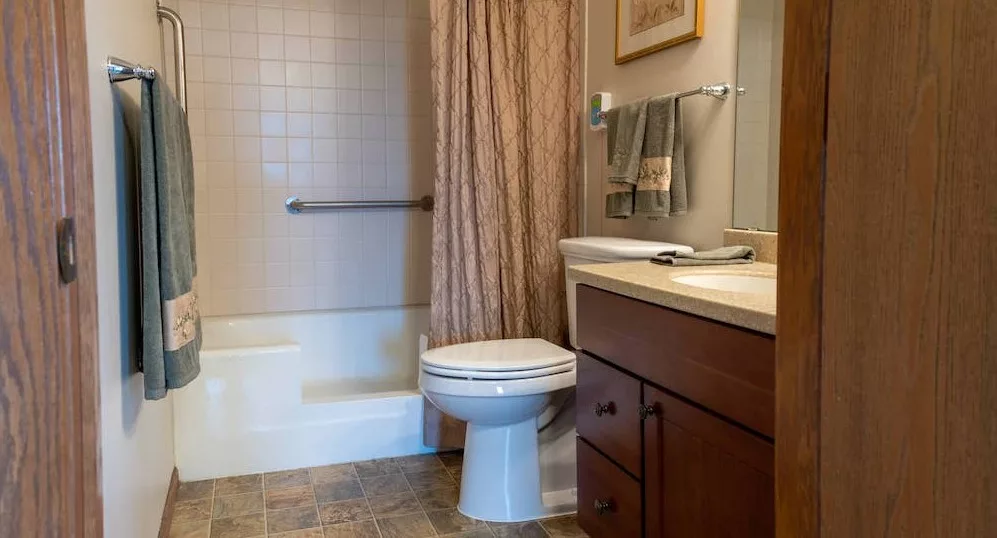
 Private bathrooms
 Restaurant-style dining
 Small library
 Telephone
 Wellness center
 Wi-Fi/high-speed internet available
 Minneapolis-St Paul International (5 miles away)
 Community operated transportation
 24-hour call system
 Ambulatory care
 Assistance with bathing
 Assistance with dressing
 Assistance with transfers
 Diabetes diet
 Medication management
 Special dietary restrictions
 Concierge services
 Planned day trips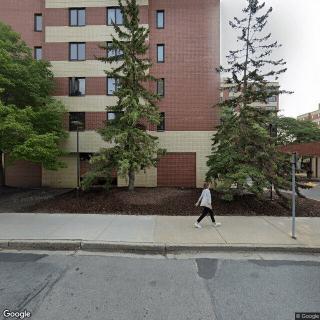

 Dementia Behaviors: In-Depth Understanding and Effective Coping Strategies
 5 Early Indicators of Dementia and What You Can Do
 8 Important Indicators That Memory Care May Be Necessary