
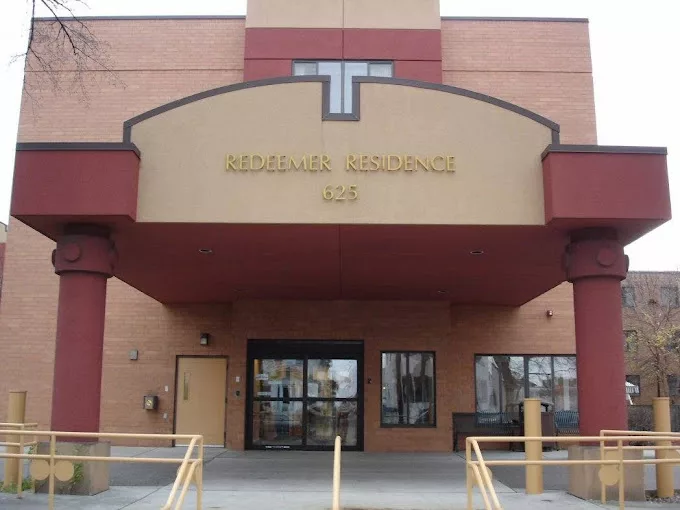

625 W 31st St, Minneapolis, MN 55408
To contact a resident: (612) 827-2555
For more information about senior living options: (866) 208-4318
Overall Review of Redeemer Senior Health and Living
Pros
 The staff were kind, patient, and attentive to residents' specific needs.
- Redeemer is a genuinely caring community with kind-hearted staff.
- The aides were incredibly kind, dedicated, and attentive to her needs.
- The meals were freshly prepared, with no canned or processed foods.
- The activities kept residents engaged, with worship services and music bringing peace.
- The PT and OT departments demonstrated commitment and teamwork.
- Bo provided invaluable guidance with kindness, patience, and dedication.
- Redeemer Health and Rehab Center absolutely rocks.
- The staff are incredibly friendly, thoughtful, and caring, and residents are treated like family; the facility is clean.
Cons
 They described Redeemer as generally understaffed, with poor food, insufficient therapy opportunities, high staff turnover, and polarization between friendly and unfriendly staff.
- They reported the food as inedible, consisting of canned beans and instant oatmeal, with overcooked meats and dirty conditions, and even mice.
- They said they had to remind staff daily to give prescribed medications, and that essential equipment like the oxygen tank or nebulizer was not delivered on time upon discharge.
- They claimed staff coerced changes to an Advanced Health Directive and the medical POA, and that management refused to respond to concerns.
- They alleged a history of dishonesty by the Redeemer organization and a focus on profits over people.
- They described the facility as sometimes dirty and unsafe, with cigarette butts present near entrances.
Review
Redeemer Senior Health and Living in Minneapolis is best suited for families seeking a warm, faith-aligned setting where skilled care blends with robust rehab services and a caregiver-driven, family-like culture. It shines for seniors transitioning from hospital to home, whether for short rehabilitation after surgery or a longer stay focused on maintaining function and quality of life. Reviewers repeatedly describe aides, nurses, and therapists as genuinely kind, patient, and responsive to individual needs, with staff taking the time to explain plans and manage medications. The community also leans into meaningful connection through worship services, art projects, and intergenerational activities, helping residents stay engaged rather than retreat to their rooms. For families prioritizing a supportive, community-centered atmosphere, this is a strong option with clear strengths in care and engagement.
Who should consider alternatives? Families needing ultra-predictable medical oversight with flawless daily execution may want to look elsewhere. A pattern in several accounts is under-staffing or high turnover, which can translate into slower responses, occasional missed medications, or variability in care. Some will prefer a secular environment or a stricter governance framework, given concerns about inconsistent food quality, cleanliness, and administrative communication. Faith-based programming will not suit every resident, and certain families may prioritize greater transparency from leadership and tighter policy adherence. Experiences vary by shift and unit, with transitional rehab praised for therapy strength on one hand and problem cases surfacing in other accounts. If predictability and policy rigor are priorities, explore alternatives.
On the positives, Redeemer’s rehab and daily care teams stand out. The combination of strong physical and occupational therapy, attentive nurses, and a social worker who can navigate insurance and discharge planning creates real value for recovering clients. Several families point to specific staff members, therapists, aides, and Bo the social worker, whose dedication leaves a lasting impression and often shifts care toward a successful return home. Meals are highlighted as a pleasant surprise in some reviews, with residents noting fresher cooking than expected. The programming, worship services, art projects, intergenerational activities, keeps residents socially connected and emotionally supported. When the care objective centers on meaningful activity and individualized attention, these strengths carry substantial weight.
Yet, the downsides cannot be ignored. The most persistent concerns revolve around staffing consistency and responsiveness, with some residents reporting periods of being understaffed and turnover that disrupt daily routines. Medication management lapses, delays in equipment delivery, and uneven access to doctors appear in several accounts, sometimes framed as routine shortcomings rather than isolated incidents. Food quality is not uniform across reviews, with complaints ranging from canned items and overcooked meals to pest concerns in certain reports. Administrative friction also surfaces, including claims of poor communication from leadership and disputes over directives. For families with high medical complexity or those seeking a track record of seamless operations, these gaps are meaningful red flags that demand direct inquiry during tours.
Still, Redeemer’s environment offers compensating value that can offset many concerns when engagement is high. The staff-relationship quality and rehab emphasis drive tangible outcomes: improved strength, safer transfers, and a smoother path home when therapy momentum is strong. The social worker’s guidance and the sense of a caring community reduce isolation, while faith-based programming provides comfort for residents and families who share those values. Cleanliness and comfort in many rooms reinforce a home-like atmosphere, and the day-to-day ambience often feels calmer than at busier facilities. In essence, the balance leans toward a recovery-minded, compassionate experience for those who prize personalized attention and organized therapy over a sterile, perfectly uniform operation.
Decision guidance is clear: Redeemer is a solid fit for seniors needing rehab-focused care in a community that emphasizes warmth, a strong therapy team, and meaningful social programming. It is less suitable for families demanding flawless operational consistency, airtight medication management, or a secular, neutral environment. To decide with confidence, visit the campus with a practical checklist: meet the administrator and nursing leadership, observe a therapy session, review a detailed care plan, ask about staffing ratios and turnover, and verify recent state inspections. Seek clarity on medication timelines, discharge planning, and how dietary preferences are accommodated. For many families, Redeemer can deliver a home-like, recovery-oriented experience, provided expectations match observed practice and governance.
 Skilled Nursing Facility
 Minneapolis-St Paul International (6 miles away)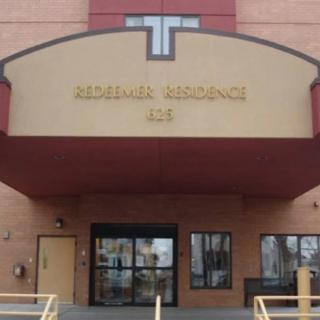

 Understanding the Full Cost of 24/7 In-Home Care: A Detailed Overview
 Exploring the World of Home Health Nurses: Qualifications, Roles, and Hiring Tips
 Navigating Medicare Coverage for In-Home Care Services