

5501 Lakeland Ave, Crystal, MN 55429
To contact a resident: (763) 535-6151
For more information about senior living options: (866) 208-4318
Overall Review of United Care Group, Inc
Cons
 They had to make several calls to get a primary care physician.
- They were assigned a PCP who was a three-hour drive away.
- The representative could not assist and offered to send a book instead.
- They later had to deal with a new PCP and a new card that showed a different group name, needing a corrected card.
- Robin, an LVN, did not return their calls.
- They felt that aides sent to their aunt's home watched her eat, despite no swallowing or mobility issues.
- It took a couple of days to get the check to the agency.
- The aides stopped going without notifying the family.
- The staff appeared careless and uncaring about the person and the family.
- They would never use or recommend this agency.
Review
This community is best suited for families who are prepared to take a hands-on role in coordinating care and who can tolerate some administrative turbulence in exchange for in-home support tasks. The structure suggests a model where caregiving and daily assistance may be available, but dependable medical oversight and consistent scheduling are not guaranteed. Families that need prompt, reliable access to a primary physician, transparent billing, and a stable care team should look for options with stronger track records in medical coordination and caregiver reliability. In short, this provider may fit only when other, more turnkey options are unavailable or when the family is ready to supervise every step of the arrangement.
Those who may want alternatives are clear: anyone prioritizing dependable medical oversight, timely PCP access, and stable, accountable communication will want to consider other agencies. For seniors with complex or evolving medical needs, a system with integrated care management and a single point of contact is essential. If the comfort level depends on rapid problem resolution, clear schedules, and consistent staff, the Crystal market offers better-aligned choices. Even for families with modest daily needs, the absence of reliable administrative and clinical coordination can quickly erode trust and safety.
There is a recognizably workable framework here, but execution lags badly enough to undermine credibility. An effort to tailor a calendar of activities and home-support tasks suggests an understanding of what families want: routine, companionship, and basic in-home help. Yet that initial outreach rarely translates into follow-through. The expectation that caregivers will implement a plan is often unmet, with correspondence that goes unanswered and tasks that drift. When a client’s routine is not safeguarded by a dependable schedule, the supposed benefits of in-home care become indistinguishable from a loosely organized service, which defeats the purpose for many families.
The core cons are the decisive deal-breakers: difficulty obtaining a primary care physician, a physician assigned far away, and frequent administrative missteps. A three-hour drive to PCP access is not sustainable for ongoing senior care and creates dangerous gaps in medical monitoring. The shift between PCP groups, and the need for corrected ID cards, point to back-office disorganization that leaks into real-world care. Communication failures, evident in unreturned calls and caregivers who seemingly stopped showing up, erode trust and compromise safety. There is also a palpable risk regarding financial handling, as concerns about checks and timing of payments hint at gaps in accountability.
These cons do not simply sting; they compound risk for residents who rely on predictable routines and reliable caregivers. The stress of navigating inconsistent care coupled with paperwork chaos can accelerate decline in independence and well-being. The offsetting factors, when present, are minimal and fragile: a willingness to engage family members directly, and a framework for in-home support that could, with disciplined management, become dependable. The essential question is whether a family can impose enough discipline, oversight, and contingency planning to make the model work without undermining the resident’s sense of security.
In the end, United Care Group in Crystal represents a last-resort option for families with the bandwidth to supervise care closely. For those who expect steady medical oversight, predictable staffing, and transparent, prompt administrative processes, better options exist. If choosing this provider, demand a concrete, written care plan, a dedicated and visible case manager, guaranteed PCP assignments with realistic travel expectations, and a clear billing protocol with timely, error-free ID and authorization processes. Without those guarantees, the risks far outweigh any perceived benefits, and alternatives should be pursued aggressively.
 Minneapolis-St Paul International (14 miles away)
 Comprehensive 24/7 care with diabetes-friendly meals and mental wellness programs.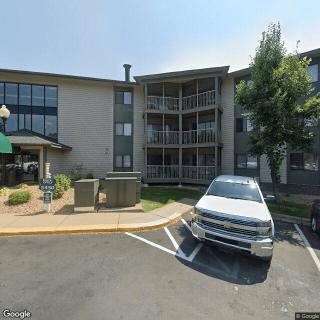


 Comprehensive Approaches for Arthritis: A Detailed Guide to Symptoms, Causes, and Care
 Comprehensive Insights and Practical Strategies to Help Older Adults Avoid Falls
 6 Crucial Ways an Elder Law Attorney Assists Families