Residents describe care that focuses on a tailored plan.
Several reviewers say they didn’t just get generic exercises and were instead given a thoughtful, personalized approach. Others specifically mention routines designed for their situation and progress tied to that plan.
common2 reviews mention this
Kind, compassionate therapists
The therapy team is described as kind and compassionate.
A recurring theme is how patients feel treated by the therapists, including comments about kindness and compassion. Reviewers also describe staff as medically supportive and easy to trust while working through difficult symptoms.
common2 reviews mention this
Highly responsive and knowledgeable
Reviews repeatedly highlight both responsiveness and expertise.
Multiple reviewers describe the therapists as both knowledgeable and quick to respond, which helps them feel confident during appointments. The emphasis is on understanding what’s going on and applying that understanding during treatment.
common2 reviews mention this
Real progress after treatment
Many reviews point to noticeable improvements with therapy.
Some reviewers describe meaningful gains in mobility or symptom control during the course of treatment. Others connect their progress to a therapy approach that helped them return toward everyday function and manage pain more effectively.
How we summarize
Counts show how many written reviews mention each theme; a review can touch several themes, and only frequently mentioned themes are displayed.
Features
Housing
21 resident community capacity
Types of Care
Assisted Living
Amenities
Beauty salon
Cable or satellite TV
Dining room
Fully furnished
Garden
Housekeeping services
Kitchenette
Move-in coordination
Outdoor space
Telephone
Wi-Fi/high-speed internet available
Transportation
Minneapolis-St Paul International (15 miles away)
Care Services
24-hour call system
24-hour supervision
Activities of daily living assistance
Assistance with bathing
Assistance with dressing
Assistance with transfers
Coordination with health care providers
Diabetes diet
Meal preparation and service
Medication management
Mental wellness program
Special dietary restrictions
Transportation arrangement (medical)
Transportation to doctors appointments
Dining
Diabetes diet
Special dietary restrictions
Activities
Community-sponsored activities
Resident-run activities
Scheduled daily activities
Nearby Places of Interest
Restaurants
McDonald's (0.6 miles)
Sunshine Factory Bar & Grill (1 miles)
Taco Bell (1.8 miles)
BLVD Kitchen & Bar (3.5 miles)
Kona Grill (3.5 miles)
Original Pancake House (3.6 miles)
Taco Teresa's (3.6 miles)
Pharmacies
Walgreens (0.8 miles)
Walgreens (1.2 miles)
CVS Pharmacy (2.5 miles)
Walgreens (3.4 miles)
CVS Pharmacy (3.6 miles)
HyVee Pharmacy (3.8 miles)
CVS Pharmacy (3.8 miles)
Physicians
Minnesota Gastroenterology PA (1.1 miles)
Northwest Family Physicians Plymouth (2.7 miles)
Ellgaard Annemarie Park Nicollet Clinic Carlson Parkway Minnetonka (3.2 miles)
Partners In Pediatrics (3.4 miles)
Metropolitan Dermatology & Cutaneous Surgery PA (3.9 miles)
The deductibility of assisted living expenses on taxes hinges on factors like the individual's medical condition and service nature, typically requiring the resident to be "chronically ill" per IRS definitions. Taxpayers may deduct eligible medical expenses related to personal care services but generally not rent unless primarily for medical care, and they should maintain thorough documentation to support claims while considering itemizing versus standard deductions.
The guide highlights the importance of assisted living facilities for aging veterans needing daily support, discusses unique challenges they face, and outlines available financial assistance from the VA, including the Aid and Attendance program. It emphasizes understanding eligibility criteria and navigating the VA system to access necessary benefits effectively.
The article compares assisted living and skilled nursing facilities, detailing their differing levels of assistance, medical support, cost structures, and day-to-day experiences. It emphasizes that assisted living is for those needing help with daily activities while maintaining independence, whereas skilled nursing facilities provide intensive medical care with 24-hour staff supervision.
Get PricingAsk A QuestionSchedule A TourContact Senior Advisor
By clicking submit, you agree to our Partner's Terms of Use. You
also consent to receive calls and texts, which may be autodialed, from our Partner. Your consent is not a condition to
using our Partner's service. Please visit our Partner's Privacy Policy for information about their privacy practices.








 21 resident community capacity
 Assisted Living
 Beauty salon
 Cable or satellite TV
 Dining room
 Fully furnished
 Garden
 Housekeeping services
 Kitchenette
 Move-in coordination
 Outdoor space
 Telephone
 Wi-Fi/high-speed internet available
 Minneapolis-St Paul International (15 miles away)
 24-hour call system
 Activities of daily living assistance
 Assistance with bathing
 Assistance with dressing
 Assistance with transfers
 Diabetes diet
 Meal preparation and service
 Medication management
 Mental wellness program
 Special dietary restrictions
 Transportation arrangement (medical)
 Transportation to doctors appointments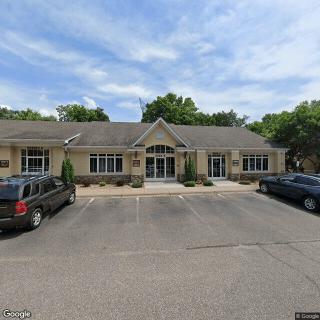
 Affordable pricing with comprehensive services in furnished homes.



 Is Assisted Living Deductible on Your Taxes? Understanding the Complexities of Assisted Living Expenses and Deductions
 Assisted Living Support for Veterans: A Complete and Detailed Overview
 Exploring the Contrasts Between Assisted Living and Skilled Nursing