
1112 East Lake Street Ste F, Minneapolis, MN 55407
For more information about senior living options: (866) 208-4318
Overall Review of Redesign Lifestyle Care
Pros
 ReDesign has been a great partner to work with.
- Great place to plan your future.
- Dedicated team, doing the right thing!
Cons
 SRD refused to allow the tenants to post their new address in the window, which came off as vindictive.
- The company is buying up the whole neighborhood and is not treating businesses well.
- The US Bank building on Lake Street is heavily graffitied, with garbage everywhere, the trailer unused, and homeless people living in it, creating an absolute disaster.
- The parking is limited when the place is busy.
- The building is becoming an absolute disaster.
Review
Redesign Lifestyle Care in Minneapolis is best suited for families seeking a mission-driven, not-for-profit operator that prioritizes planning for the future and hands-on staff engagement. The community appears to emphasize the long arc of care, assistance with future housing transitions, financial planning, and a culture where the team prides itself on doing the right thing. For seniors who can tolerate a more modest physical campus and a neighborhood-in-progress feel in exchange for responsive staff and a clear commitment to resident-centered planning, this facility can be a practical fit. It works best when immediate luxuries and pristine curb appeal are not the top priority, and when confidence in a dedicated caregiving team matters more than surface polish.
However, several caveats tilt the calculus toward alternatives for certain families. The external environment and management implications are a recurring theme in feedback, with indications that the operation’s decisions ripple beyond resident halls. Those who require consistently immaculate surroundings, predictable traffic, and a stable exterior image should seriously consider other options. The not-for-profit ownership can be a strength, but it also raises questions about governance, accountability, and how quickly maintenance or improvements are addressed. If the ability to present a polished, stable campus to visiting loved ones is non-negotiable, this community may fall short.
On the upside, a clearly dedicated team stands out as a key asset. Families report staff who appear invested in doing the right thing, and there is a sense of reliability in daily interactions that can translate into steadier routines and responsive problem-solving. The promise of planning-oriented services, help with future housing arrangements, financial planning, and transitions, provides a roadmap that can ease anxiety for families navigating aging in place. The not-for-profit framework, in theory, aligns incentives toward residents’ welfare rather than short-term margins, which can yield meaningful, if incremental, improvements in care quality and communication. These core strengths help offset some friction by creating a trustworthy frontline experience where caregivers are seen as stable, consistent partners.
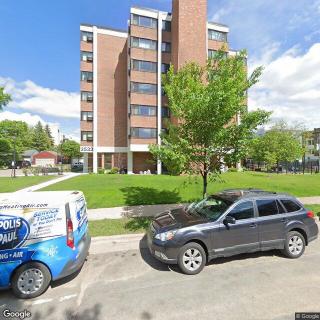
But the cons carry real weight. Parking limitations when demand spikes create daily friction for families visiting, contractors, or healthcare providers, and can ripple into stress for residents who need regular external access. The physical campus and its surroundings appear to reflect ongoing maintenance and urban challenges: graffiti, litter, and even mentions of a derelict trailer and homelessness nearby, all of which can affect residents’ sense of safety and pride in their living environment. These factors matter because even excellent caregiving can be undercut by a perception that the building and neighborhood are not well cared for. For families weighing delicate daily routines, such concerns require serious inquiry into how property management and city oversight are coordinated.
The offsetting question is whether the team’s dedication and the planning emphasis sufficiently counterbalance the logistical and environmental drawbacks. Prospective residents should press for tangible assurances: a clear maintenance schedule with defined response times, a transparent plan for campus upkeep, and a detailed description of how external neighborhood issues are mitigated. Tours should be conducted at peak and off-peak times to observe parking flow, traffic, and the ease of drop-off for loved ones. Seek direct conversations with current residents about daily life, and request data on staff turnover and caregiver-to-resident ratios. If governance transparency is lacking, or if the property appears neglected, that is a red flag that cannot be ignored.
In the end, Redesign Lifestyle Care is a viable option for families prioritizing planning support and consistently engaged staff, provided the decision-makers are comfortable with a campus that is modest in presentation and entangled with neighborhood dynamics. Those needing a pristine, turnkey environment with flawless logistics should look elsewhere. For families willing to choose a middle path, strong caregiving and future-planning focus tempered by maintenance and image realities, this community warrants serious consideration, but only after rigorous due diligence. The recommendation is to schedule a comprehensive tour, request resident references, verify the governing structure and financial oversight, and compare with solid alternatives to ensure alignment with long-term goals and daily living expectations.
 21 resident community capacity
 Assisted Living
 Beauty salon
 Cable or satellite TV
 Dining room
 Fully furnished
 Garden
 Housekeeping services
 Kitchenette
 Move-in coordination
 Outdoor space
 Restaurant-style dining
 Small library
 Telephone
 Wi-Fi/high-speed internet available
 Minneapolis-St Paul International (5 miles away)
 24-hour call system
 Activities of daily living assistance
 Assistance with bathing
 Assistance with dressing
 Assistance with transfers
 Diabetes diet
 Medication management
 Mental wellness program
 Special dietary restrictions
 Assisted Living and Memory Care: Understanding Their Core Differences
 Beyond the Bingo Hall: 50+ Enriching Activities for Seniors in Assisted Living
 Understanding the Distinctions: Assisted Living and Memory Care Explained