
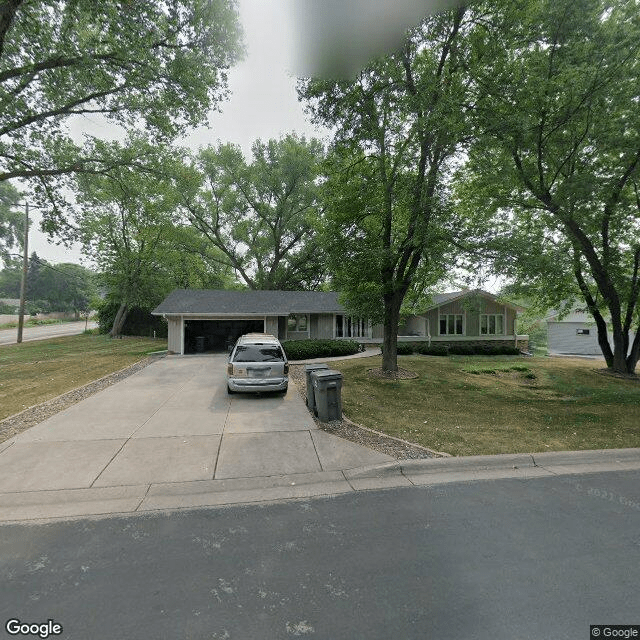
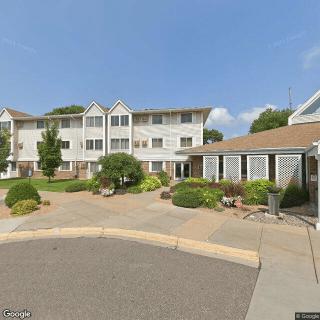
1940 Major Dr., Golden Valley, MN 55422
To contact a resident: (763) 550-1774
For more information about senior living options: (866) 208-4318
PSC Home Health Care Costs & Pricing
PSC Home Health Care offers competitive pricing for a range of room types compared to the broader rates in Hennepin County and the state of Minnesota. For instance, a studio at PSC is priced at $2,700, significantly lower than the county's average of $3,713 and the state average of $3,617. Similarly, their private rooms are available for $2,800, offering a substantial savings when compared to Hennepin County's average of $5,580 and Minnesota's overall rate of $5,090. The one-bedroom option is priced at $3,000, which is modestly higher than the state average of $2,893 but still competitive within the local market. Lastly, for those looking for semi-private accommodations, PSC's cost of $3,300 is less than both Hennepin County's average of $4,356 and the state's typical rate of $4,051. Overall, PSC Home Health Care presents itself as an appealing choice for affordable home health care options without compromising quality.
| Floor plans | PSC Home Health Care | Hennepin County | Minnesota |
|---|---|---|---|
| Studio | $2,700 | $3,713 | $3,617 |
| Private | $2,800 | $5,580 | $5,090 |
| 1 Bedroom | $3,000 | $3,550 | $2,893 |
| Semi-Private | $3,300 | $4,356 | $4,051 |
Senior living communities with a similar price nearby
-
from +$300 / mo
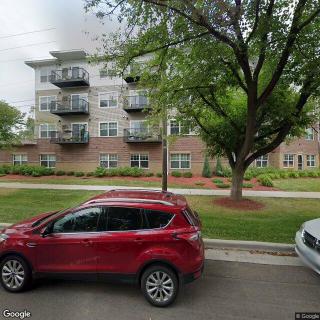
Highland on Graham
$3,000 to $4,000 / month10.3 miles away -
About the same

Trouvaille Memory Care Suites
$2,700 to $3,700 / month14.3 miles away -
About the same

MainStreet Lodge
$2,770 to $3,130 / month3.4 miles away -
from +$127 / mo
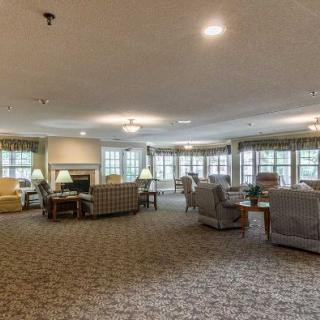
New Perspective Mahtomedi
$2,827 to $4,076 / month19.2 miles away -
from -$450 / mo

The Kenwood
$2,250 to $3,000 / month3.3 miles away
Overall Review of PSC Home Health Care
Cons
 They rarely showed up.
- They switched aides three times in less than three months.
- They required a minimum three-hour shift.
- They wouldn’t do the work on the worksheet left by the RN.
Review
PSC Home Health Care in Golden Valley is best suited for families seeking in-home support that enables an aging loved one to remain at home and control costs, while accepting the realities of staffing variability. This option fits seniors who can tolerate a fluctuating schedule and are comfortable taking an active role in monitoring care, coordinating visits, and communicating with the agency. It works for households that need intermittent personal and medical assistance rather than round-the-clock supervision and are prepared to manage contingency plans if a shift is delayed or canceled. In short, PSC serves as a practical, home-based solution for those prioritizing independence and affordability, with clear caveats about how consistently care is delivered.
On the upside, the agency does bring an RN into the process and has enough positive, higher-star feedback to indicate that good days do happen. When caregivers arrive as scheduled, the in-home model can yield attentive, one-on-one care and a sense of security that comes from staying in familiar surroundings. Families often value the absence of a facility move, the potential for tailored daily routines, and the ability to adjust tasks to align with evolving needs. The presence of RN oversight suggests a framework for medical tasks and care planning, and several reviewers signal that, with reliable staffing, the experience can be personal and compassionate. Taken together, the favorable reports point to real strengths when staffing aligns with expectations.
Yet the most conspicuous risk revolves around staffing reliability. One particularly blunt account describes caregivers who rarely showed up, with three aides rotating in under three months, and a three-hour minimum shift that can complicate shorter or highly specific tasks. The same report notes resistance to completing tasks outlined by the RN, undermining the care plan and safety checks that should anchor home health services. This pattern signals a fundamental vulnerability: without dependable attendance and adherence to documented plans, even well-meaning aides cannot sustain consistent quality of care. For families needing predictable daily contact and seamless execution of the care plan, this is a decisive red flag that cannot be ignored.
Those pros and cons only balance out when families bring strong internal coordination to the arrangement. If a household can enforce reliable scheduling, insist on clear back-up staffing, and demand strict adherence to a documented care plan, the advantages of home-based, personalized attention become more tangible. A supervising RN and a flexible approach to task prioritization can translate into meaningful gains in comfort and independence, provided staffing gaps are minimized through effective oversight and contingency coverage. In the right conditions, where family managers or aides maintain steady communication and a robust hand-off system, the favorable elements can outweigh the drawbacks.
Alternatives merit serious consideration for anyone prioritizing reliability and predictability. If daily visits must be unwavering and tasks must be performed to consistent standards, a larger, more stable home health provider or a traditional assisted living setting with 24-hour staffing may deliver greater peace of mind. For seniors with complex medical needs or high risk of missed care, the value of steadfast, uninterrupted support often justifies shifting to a provider known for staffing stability. PSC can work for certain families, but only when the care ecosystem includes dependable back-up staff, strong supervision, and transparent processes to address deviations.
To move forward decisively, care decisions should hinge on a concrete plan. Seek a meeting with a clinical supervisor, request a named back-up plan and a sample schedule, and obtain references that specifically address attendance consistency. Require a formal care plan with clearly documented tasks, deadlines, and a structured process for deviations. If offered, trial periods or a detailed cost comparison with alternative providers can illuminate whether the anticipated benefits will materialize in daily life. Should staffing reliability be demonstrably improved and a solid oversight framework established, PSC presents a practical, home-based option worth pursuing; if not, the prudent course is to look for a more stable arrangement that eliminates the guesswork and last-minute gaps.
 Cats allowed
 Dogs allowed
 Minneapolis-St Paul International (10 miles away)
 Fully furnished apartments with meals, housekeeping, and 24-hour supervision.



 Engaging Brain Games and Innovative Apps to Keep Senior Minds Active
 Effective Strategies for Keeping Seniors' Minds Active: A Deep Dive into Brain Games and Apps
 In-Depth Look at the VA Aid and Attendance Program