3501 Douglas Rd W, Crystal, MN 55422
To contact a resident: (651) 461-7516
For more information about senior living options: (866) 208-4318

Suite Living of Crystal Costs & Pricing
Suite Living of Crystal offers a premium living experience with its studio accommodations priced at $7,900 per month. This figure significantly exceeds the average costs in Hennepin County, which stand at approximately $3,713, and the broader Minnesota state average of around $3,617 for similar studio options. The higher cost reflects Suite Living's commitment to providing exceptional services and amenities tailored to enhance the quality of life for its residents. While the investment may seem substantial compared to local averages, it is indicative of the comprehensive care and vibrant community environment that Suite Living fosters for its residents.
| Floor plans | Suite Living of Crystal | Hennepin County | Minnesota |
|---|---|---|---|
| Studio | $7,900 | $3,713 | $3,617 |
Memory care communities with a similar price nearby
-
from -$400 / mo
Rivers of Life Memory Care/Enhanced Assisted Living
$7,500 / month18.1 miles away -
from -$250 / mo
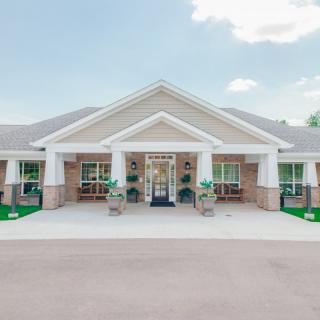
Artis Senior Living of Woodbury
$7,650 / month20.6 miles away -
from -$600 / mo
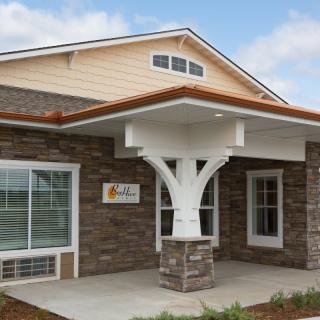
Beehive Homes of Lakeville
$7,300 / month24.7 miles away -
from -$700 / mo
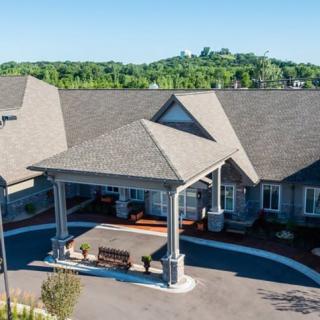
The Moments Of Lakeville
$7,200 / month20.5 miles away -
from +$1100 / mo

English Rose Suites Chestnut Hills Home
$9,000 to $14,725 / month6.9 miles away
Overall Review of Suite Living of Crystal
Pros
 Suite Living Crystal is described as one of the best places to work.
- The staff at Suite Living Crystal are caring and kind.
- The environment at Suite Living Crystal is loved by residents and staff.
- The housing director and nursing staff provide exceptional care to residents.
- The activity director and the rest of the team consistently go above and beyond to ensure residents receive great care.
- Suite Living Crystal is viewed by families and staff as the absolute best place for care.
- The team at Suite Living Crystal is outstanding and always available for residents.
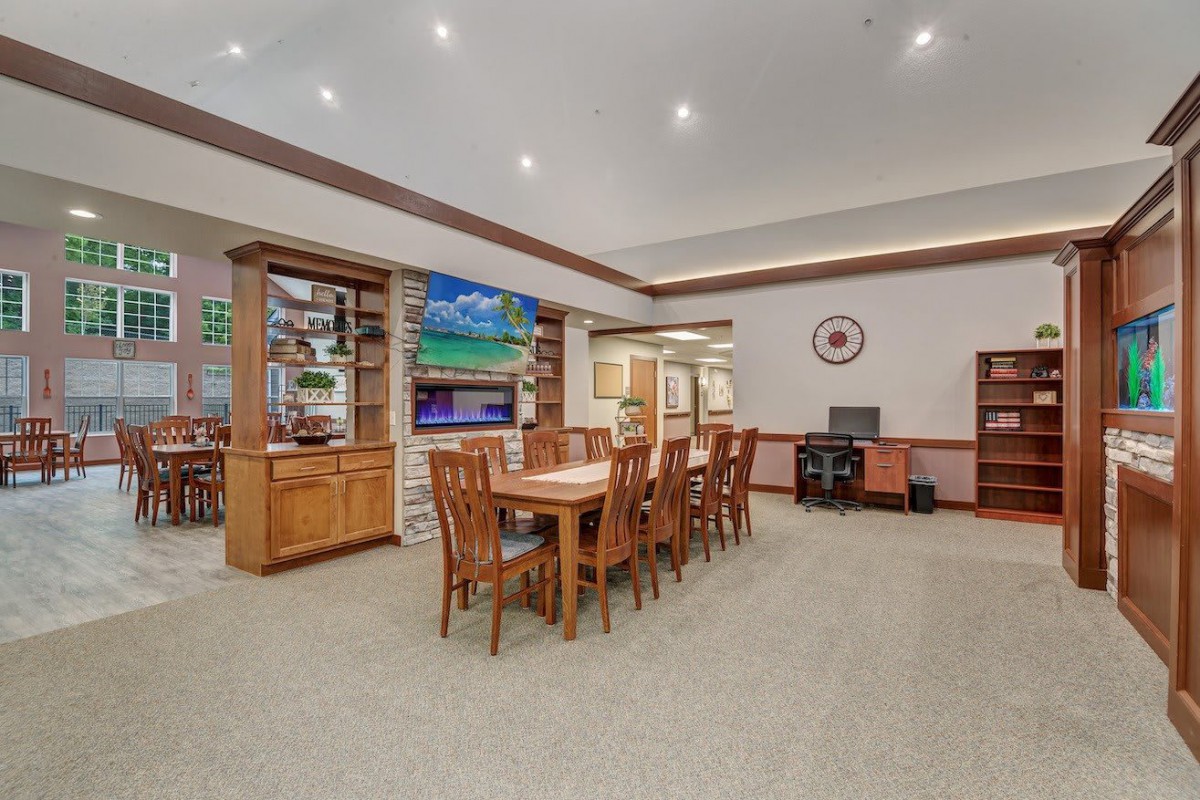
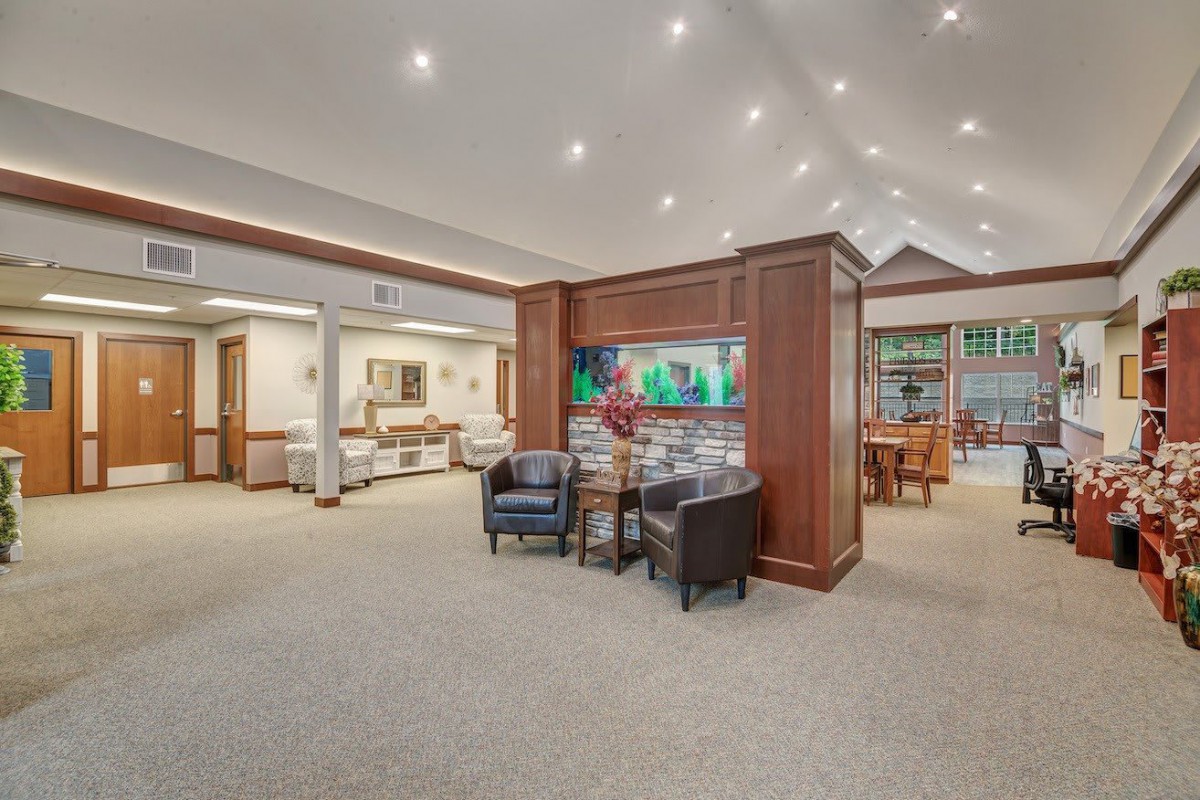
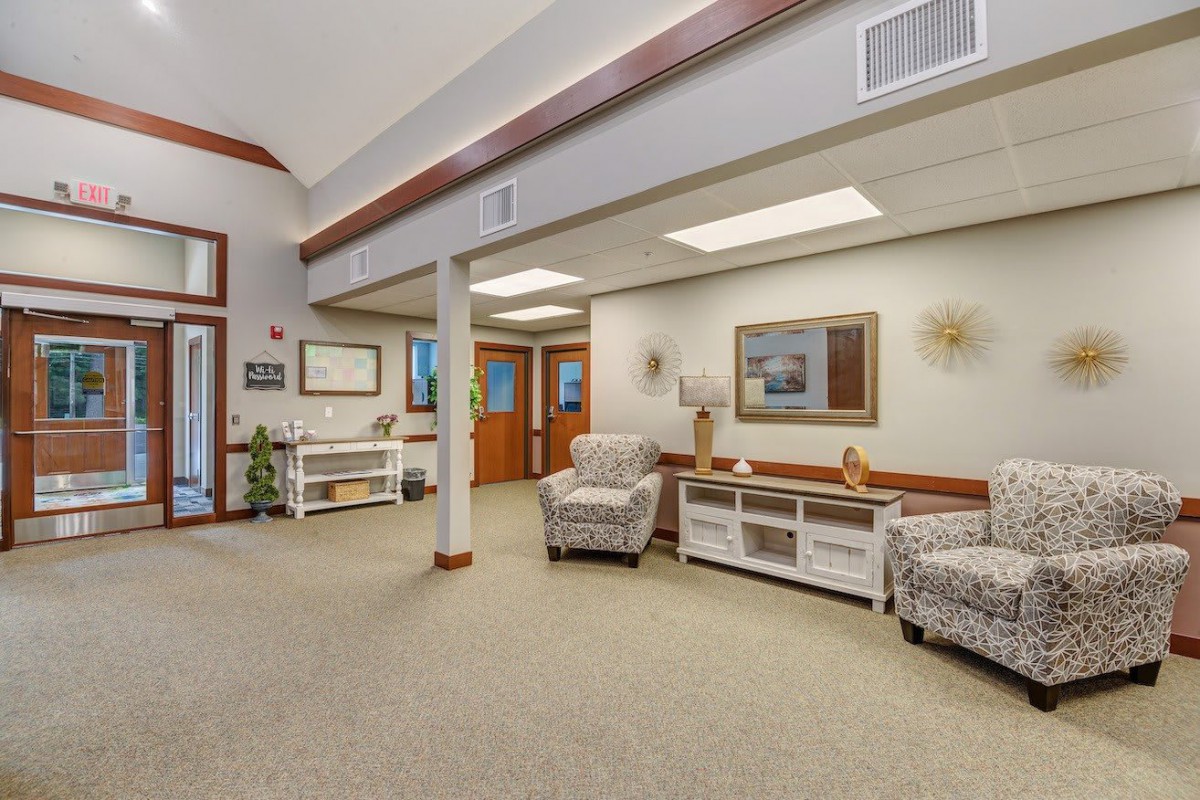
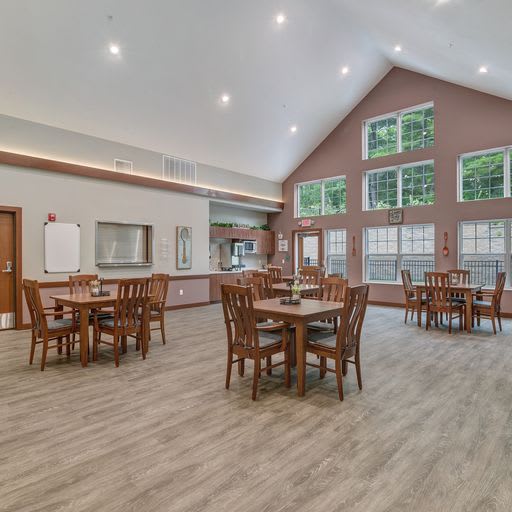
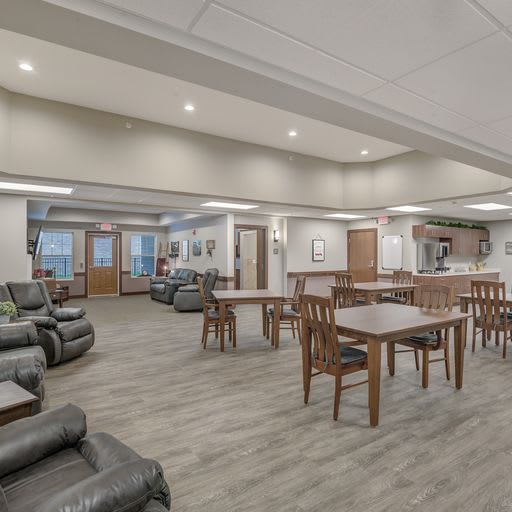
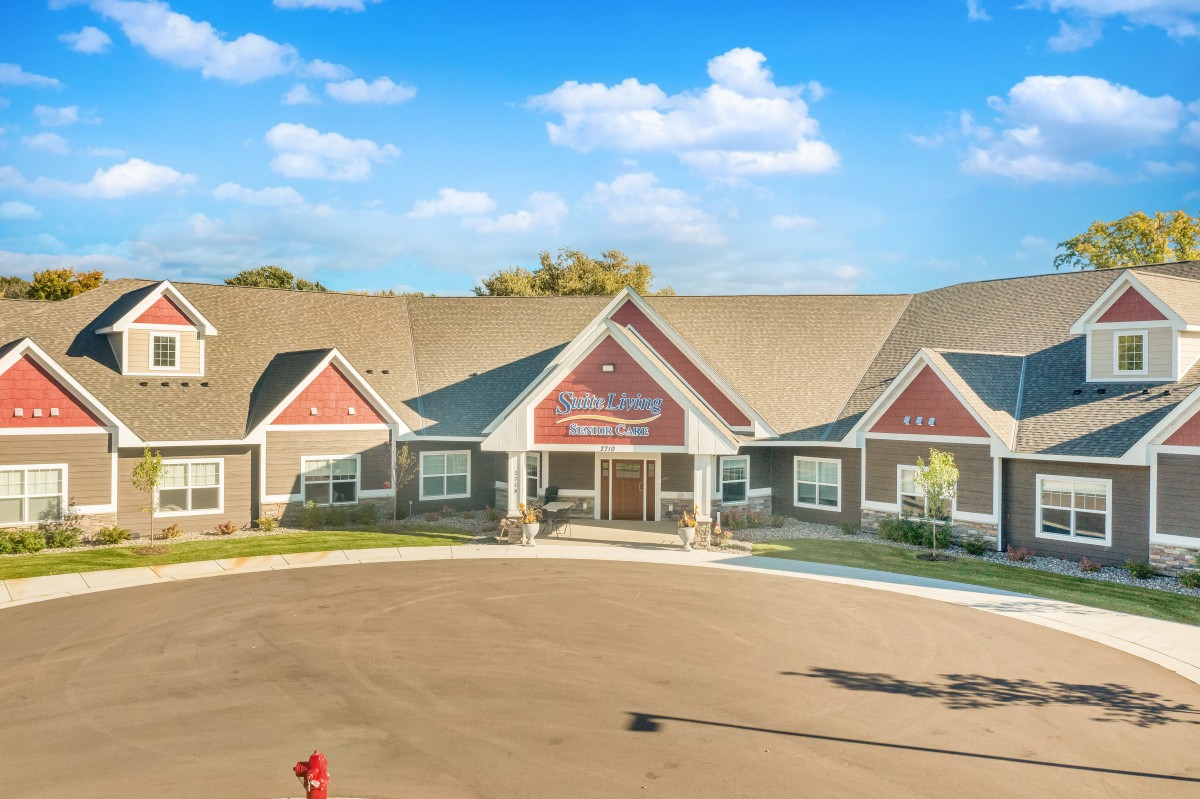
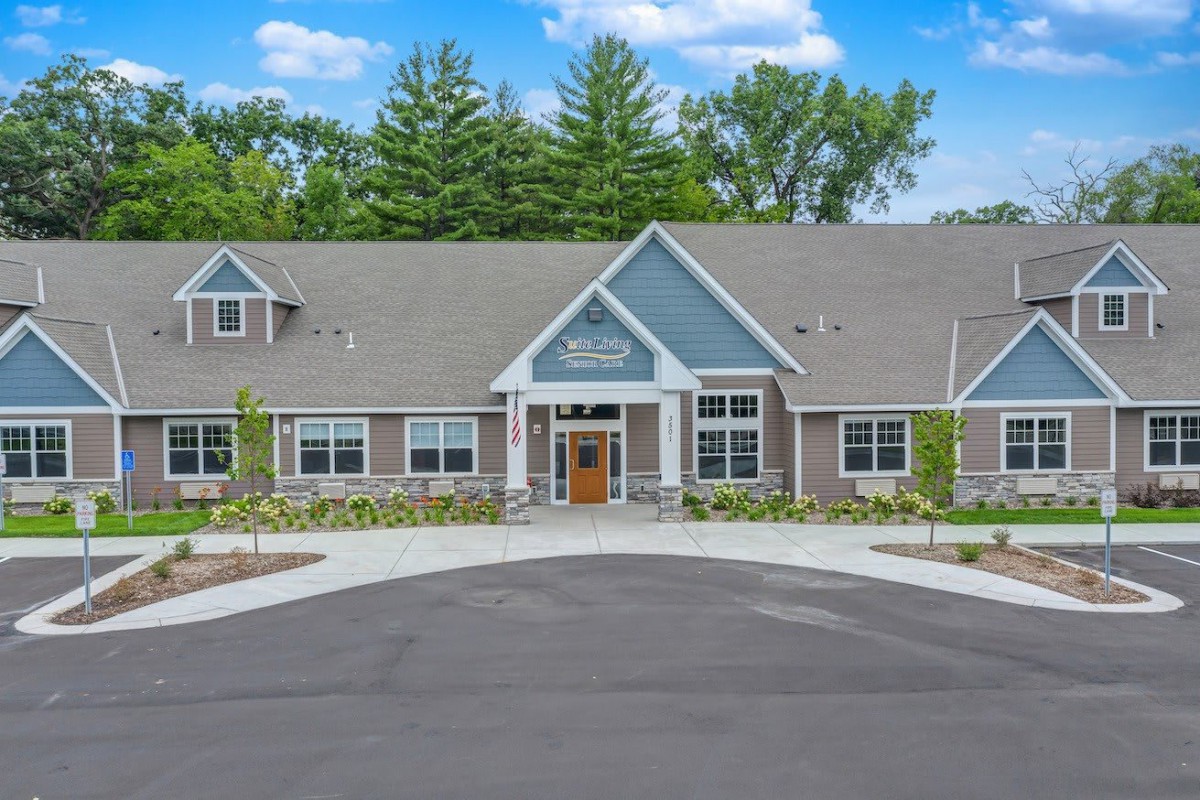
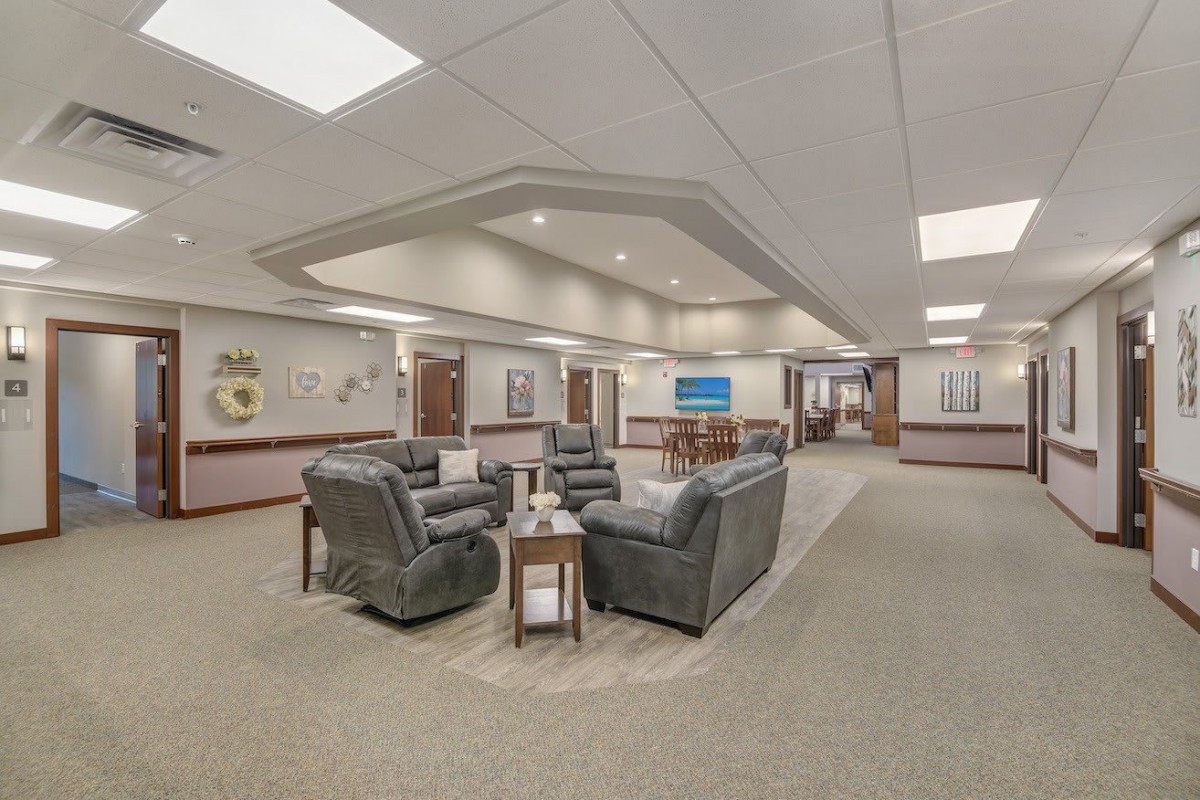
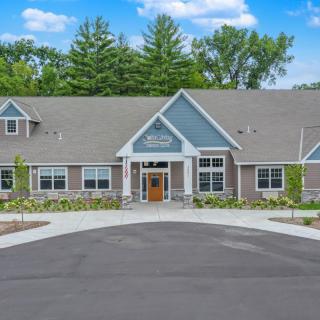
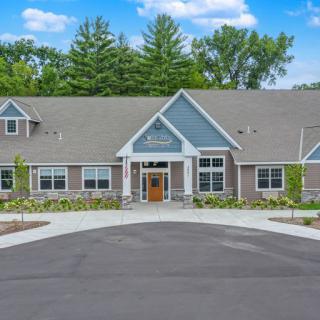
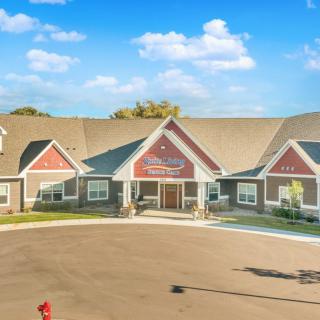
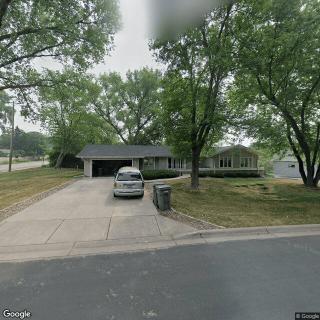
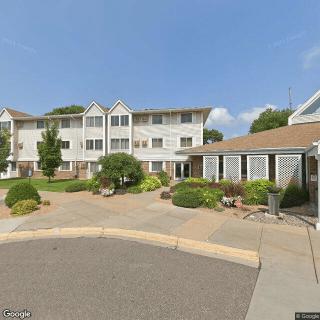
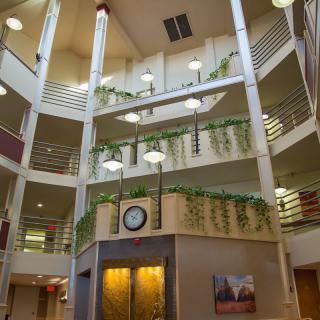
- The facility is well maintained, clean, and welcoming.
- Shaina is praised for professionalism and kindness toward residents and guests.
- The memory care unit offers private rooms and attentive staff.
Cons
 The housing director is unorganized and doesn't follow through with issues brought to her attention.
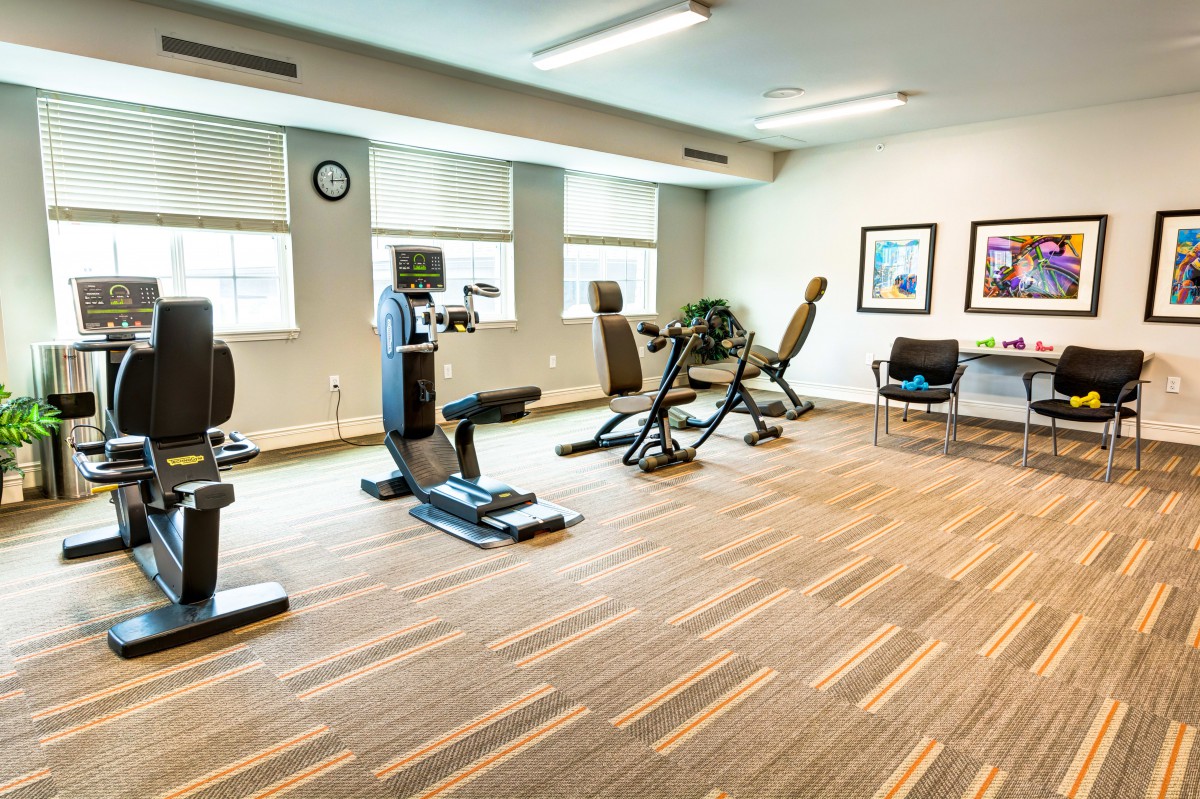
- The location doesn't have a gym area or courtyard.
- Sometimes it is hard to get a hold of anyone.
- When her mom had issues with her legs swelling, it took a while before the medical personnel evaluated her.
- It isn't cheap.
- They have some slight improvements.
- She didn't even want to go inside.
Review
Suite Living Crystal is best suited for families seeking an intimate, high-touch environment where the caregiving team feels like a cohesive extension of family members. This community excels when the priority is strong personal connections, consistent nursing attention, and staff who genuinely know residents by name. It is especially well-mitted for memory-care needs, where the locked unit, private rooms, and a local team that emphasizes warmth and familiar routines create a sense of safety and belonging. For families craving a small, home-like footprint with attentive meals, regular activities, and visible devotion from caregivers, this is a compelling match.
Those weighing alternatives should consider where priorities lie beyond the daily care relationship. If the goal is a larger campus with expansive amenities, more formal gym space, broader courtyards, or a wider menu of recreation options, Suite Living Crystal may feel limited. Some reviewers note occasional gaps in administrative responsiveness, particularly around housing director follow-through, and a few visitors found the onboarding and information flow could be smoother. For families who place a premium on ultra-responsive front-desk communication or a highly streamlined care coordination system, it’s prudent to explore options that emphasize those facets more aggressively.
The strongest pro-set here, caring, consistently present staff and a culture of kindness, largely offsets the notable downsides. The nursing team is repeatedly praised for competence and attentiveness, the activity director for engagement, and the kitchen staff for meals, which makes daily life satisfying and predictable. The small, roughly 30-bed environment fosters a “family” feel that many families want: residents are known personally, care plans feel tailored, and room-to-room interactions remain meaningful rather than transactional. Cleanliness and steady maintenance reinforce confidence in the quality of daily operations, while the memory-care area provides a secure, private space that supports orderly routines for residents with dementia.
However, the occasional communication gaps and perceived organizational hiccups cannot be ignored. When medical issues arise, delays in evaluation or response can feel stressful, particularly for families balancing work and caregiving responsibilities. The housing director’s inconsistent follow-through has been cited as a friction point, and while the team as a whole is praised, a smoother governance experience would make the positives feel even more reliable. Despite these concerns, the overall care environment remains person-centered, with staff who are often described as going above and beyond, visible in hospice appointments, private moments with families, and even music therapy that supports comfort at end-of-life stages.
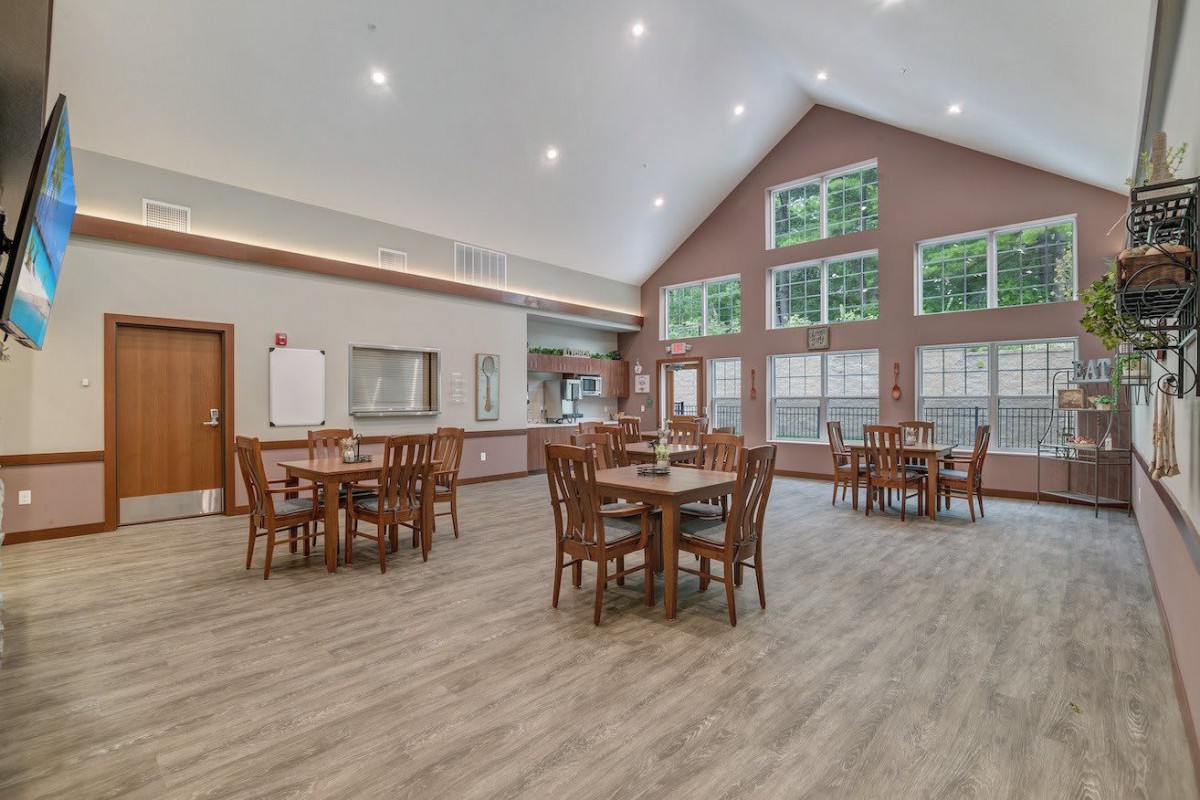
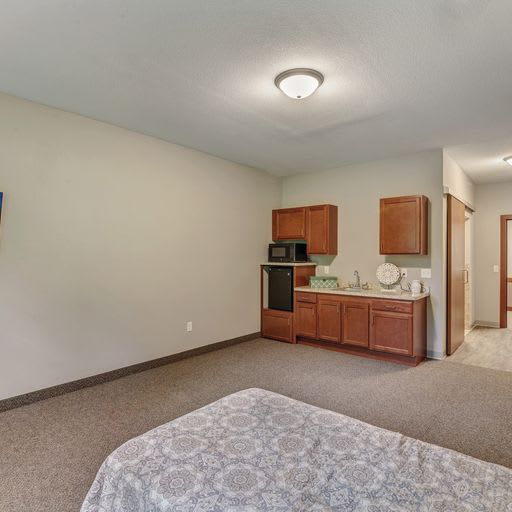
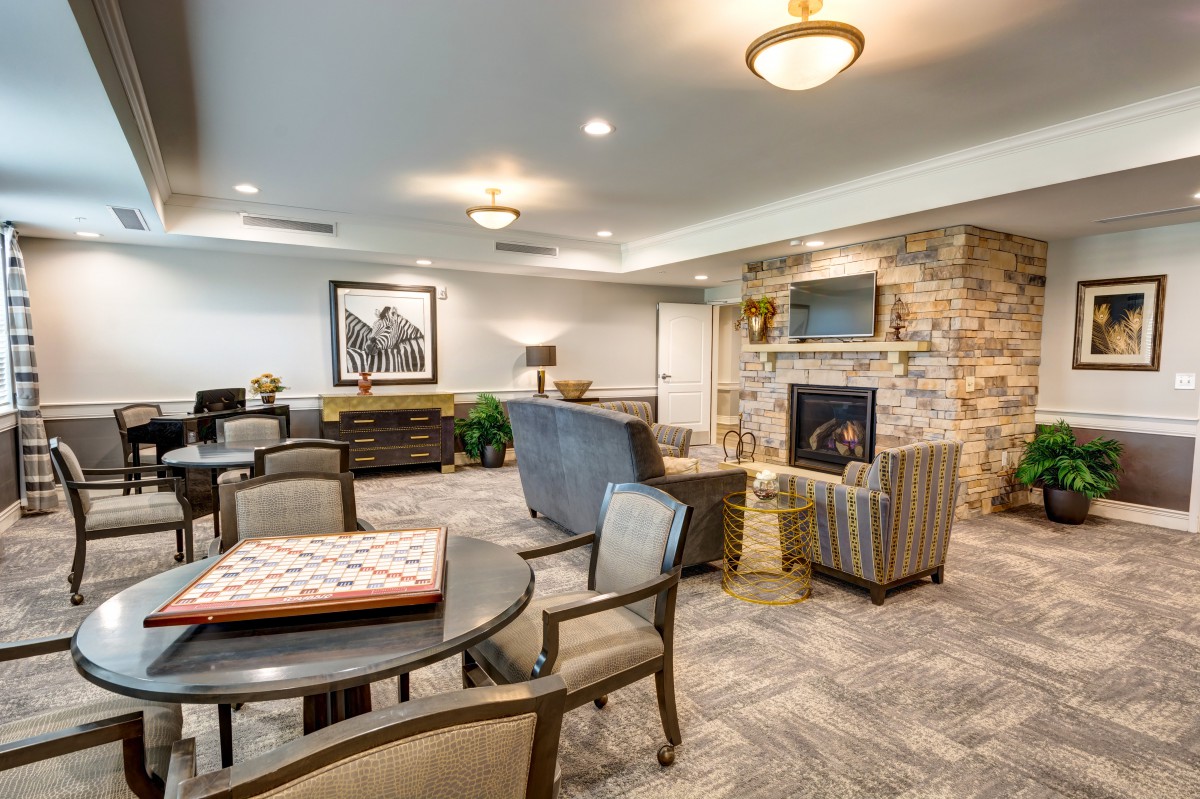
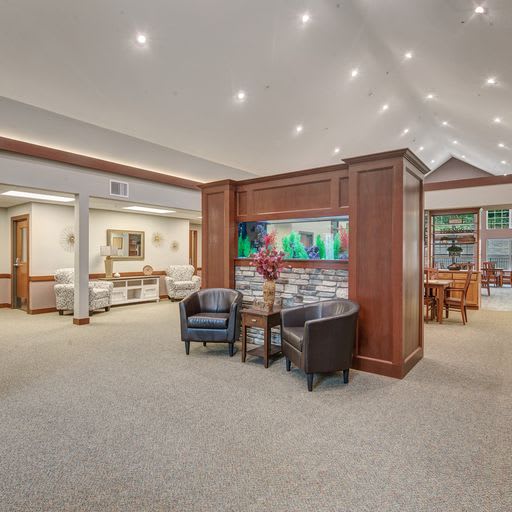
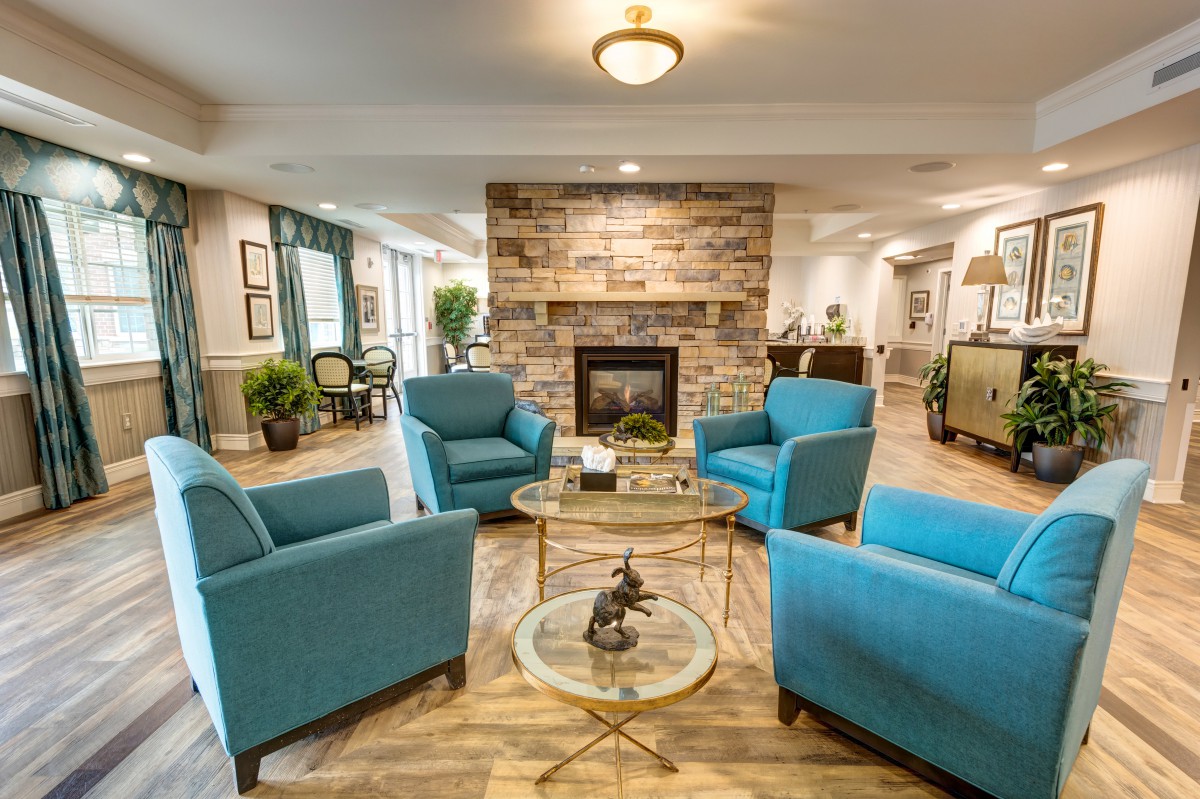
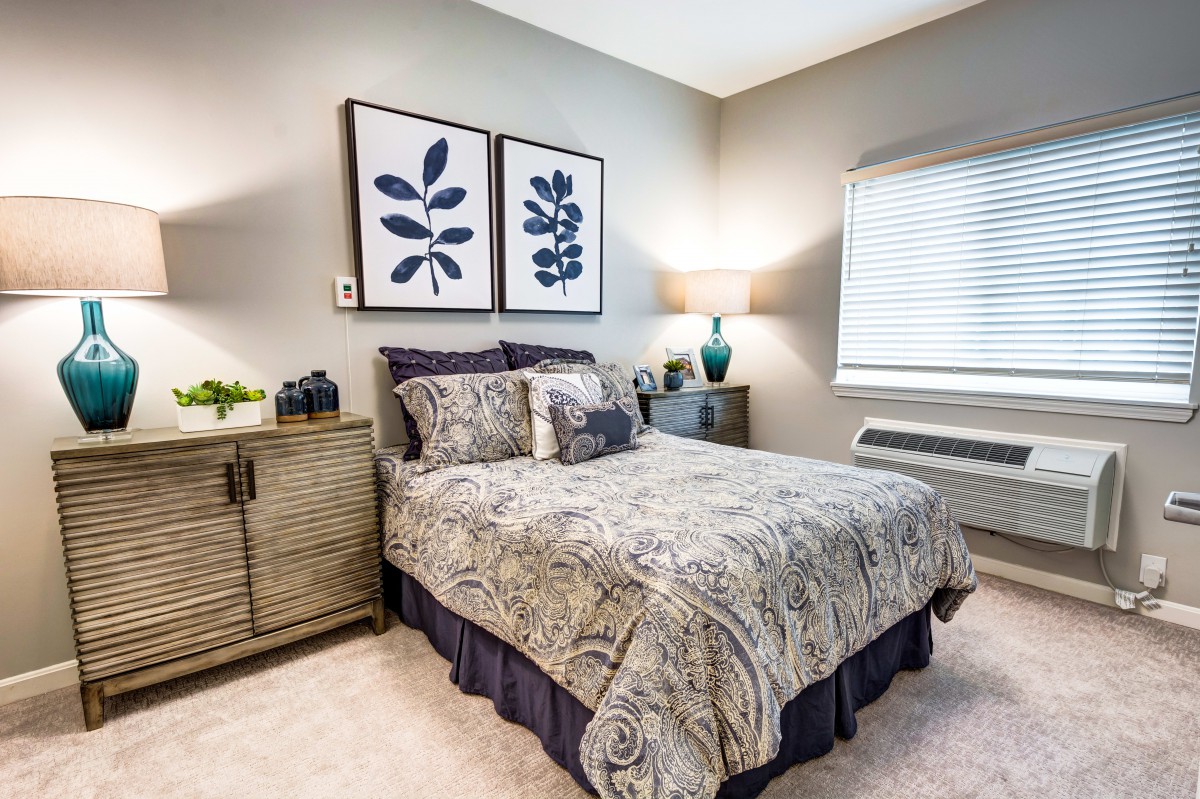
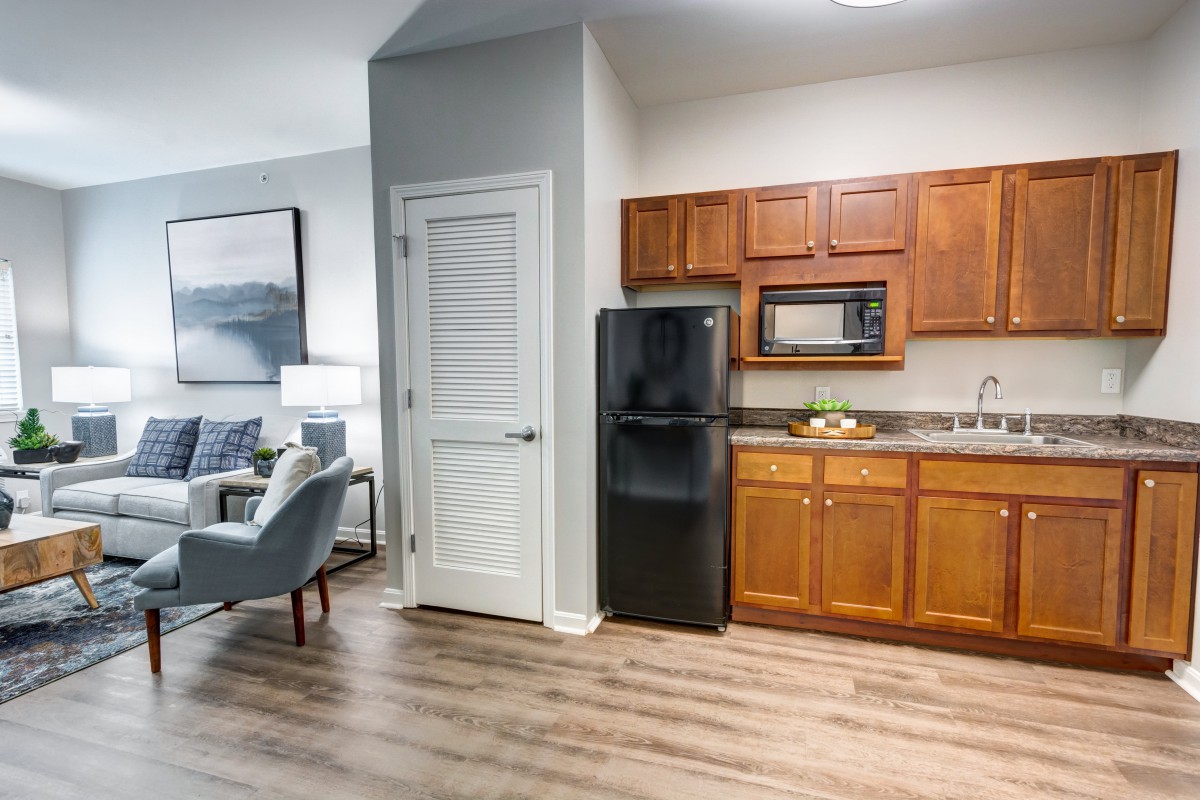
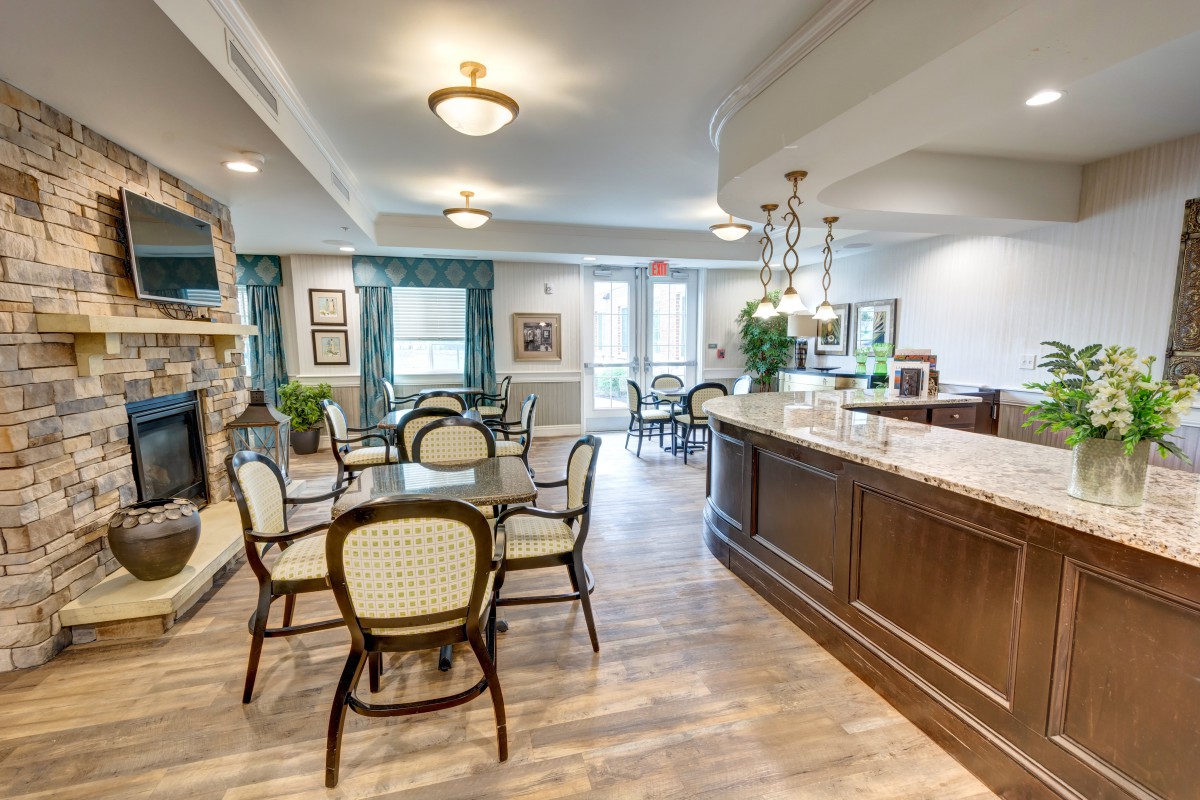
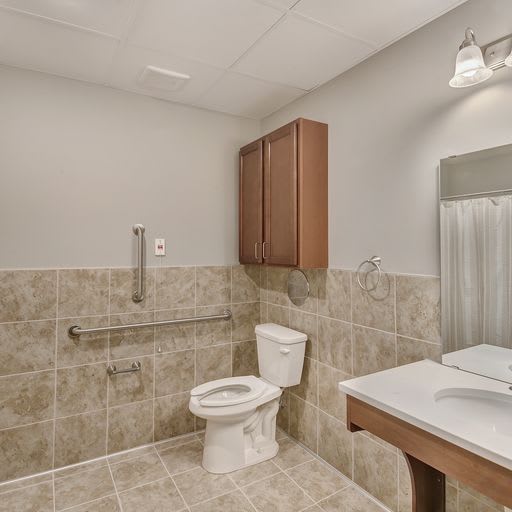
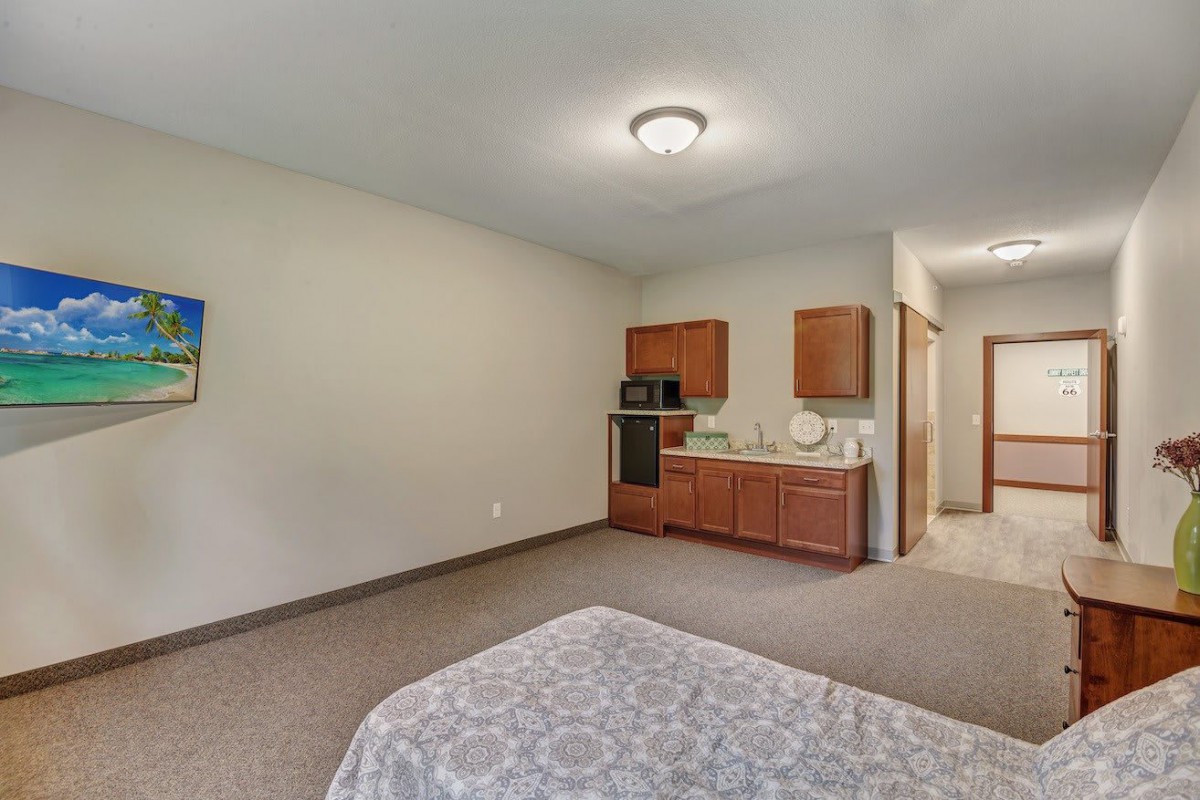
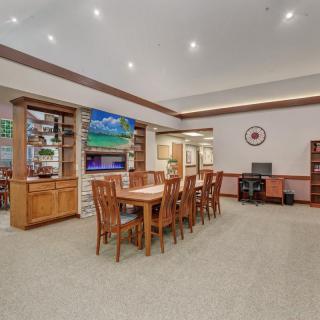
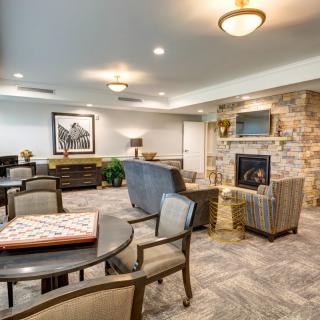
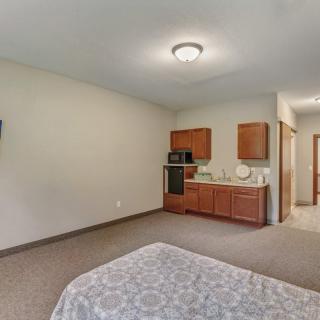
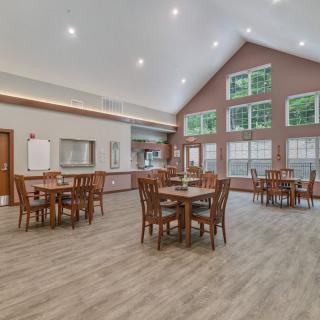
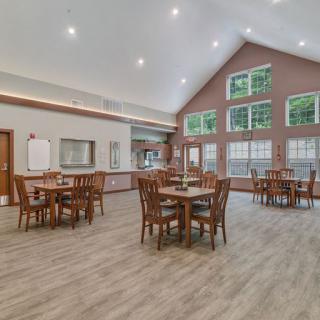
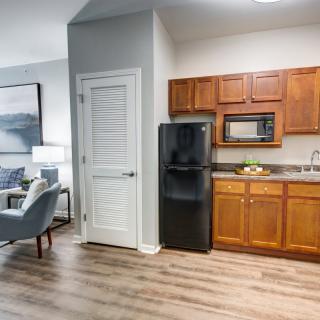
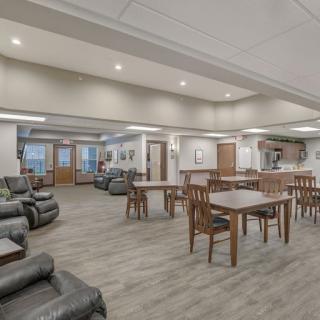
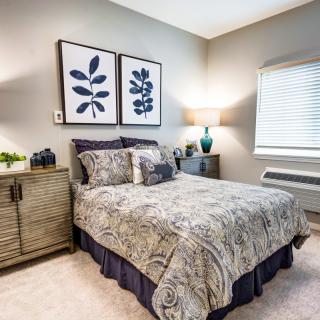
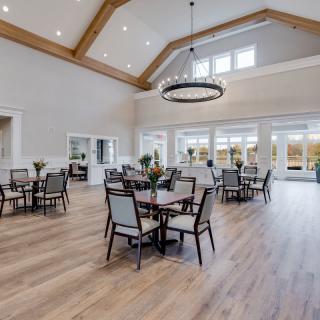
From a care-delivery perspective, the facility shines in practical, observable ways. Residents have included meals, assistance with bathing and toileting, and a responsive nursing presence that gives families tangible reassurance. The memory-care portfolio is practical: secure access, private rooms, and a layout that accommodates one-on-one attention without sacrificing social contact. The living quarters, studio-style spaces with sufficient bathroom and cabinet real estate, allow families to personalize without heavy capital investment. Dining areas feel homey and accessible, reinforcing the sense that visits resemble counterpointed family meals more than clinical visits.
Financial and logistical realities matter, too. The smaller size can translate into a more predictable care dynamic, but it often comes with a price tag that reflects the personalized service: reviewers acknowledge “it isn’t cheap, but it’s worth every penny” when the goal is consistent, heartfelt care. For families prioritizing value, it’s essential to weigh the warmth and attentiveness against the monthly cost and look for ways the community can tailor services to individual budgets or care plans. The lack of a gym or extensive outdoor courtyards in the memory-care footprint is a concrete trade-off to consider for active residents or those who want more outdoor access from a secured setting.
In sum, Suite Living Crystal stands out for families who want a small, tightly knit community where staff dedication translates into daily quality of life and meaningful relationships. It is particularly well-matched for dementia care routes and for relatives who value personalized attention, transparent meals, and a homey atmosphere over campus-scale amenities. For those who need top-of-the-line administrative polish, broader recreational facilities, or lower-cost options, alternatives deserve consideration. A careful tour, conversations with the leadership team, and a direct assessment of how well the care philosophy aligns with the resident’s daily routine will determine if this is the best fit or if a different setting will serve better in the long run.
 Studio apartments
 Assisted Living
 Memory Care
 Activities off-site
 Air-conditioning
 Beautician on-site
 Cable or satellite TV
 Computer center
 Devotional services on-site
 Garden
 Ground floor units
 Guest parking
 Handicap accessible
 Housekeeping services
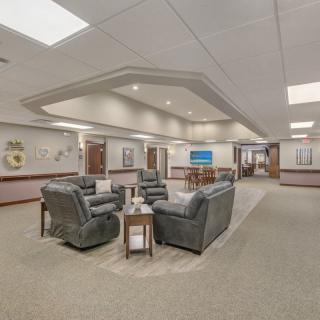
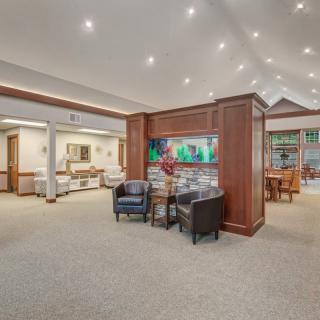
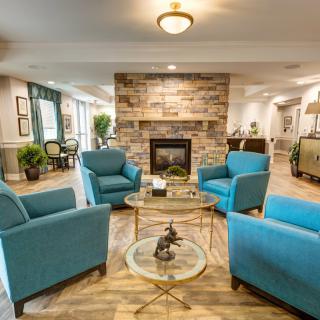
 Indoor common areas
 Kitchenette
 Laundry
 Outdoor common areas
 Overnight guests
 Party space
 Respite or short term stays offered
 Security gate
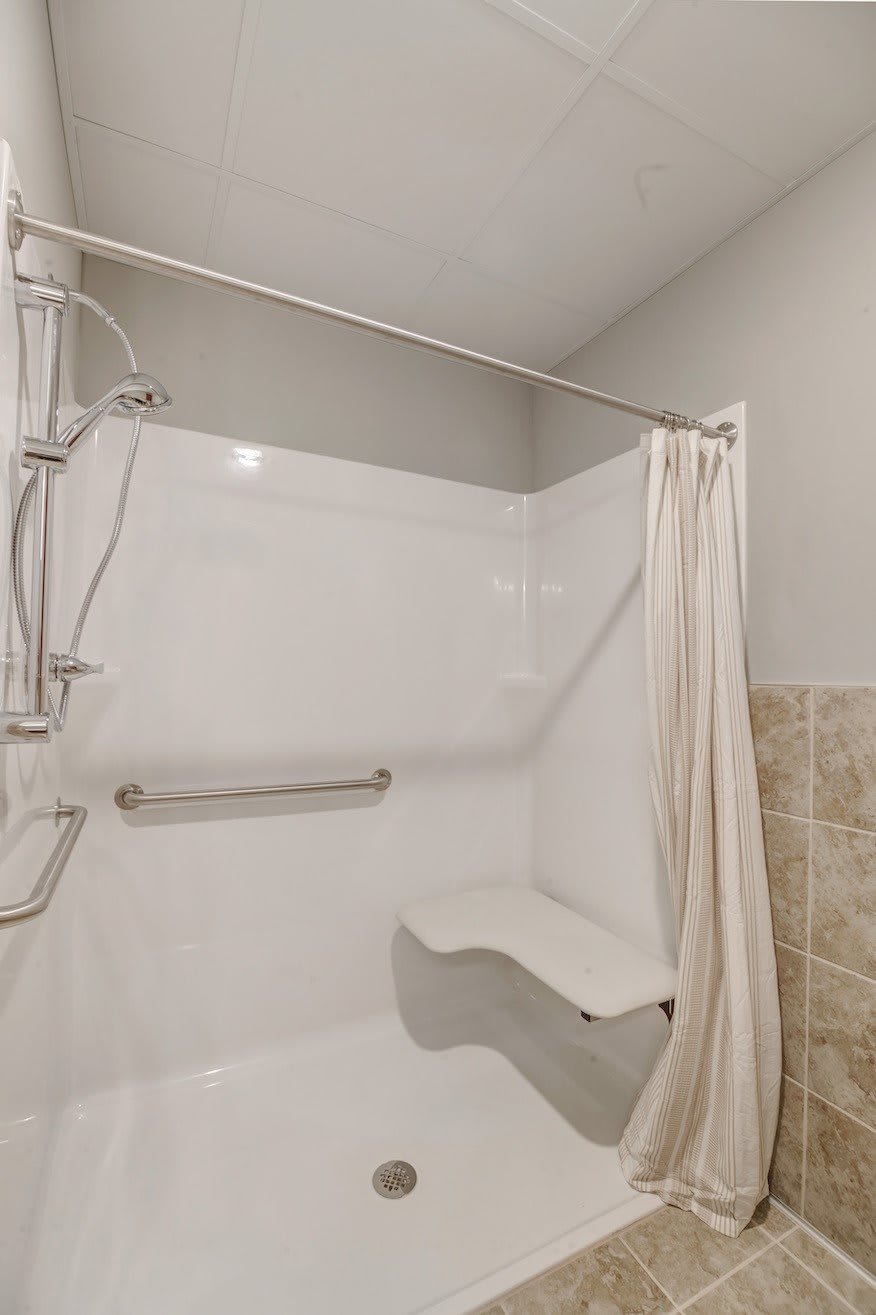
 Wheelchair accessible showers
 Wi-Fi/high-speed internet available
 Minneapolis-St Paul International (11 miles away)
 Diabetic care
 High acuity care
 Hospice care
 Incontinence care
 Medication management
 Physical therapy
 Guest meals
 Arts and crafts
 Brain fitness
 Cards / pinochle club
 Cooking club
 Games
Games Happy hour
 Live musical performances
 Resident band or musicians
 Stories
 Stretching classes
 Trivia games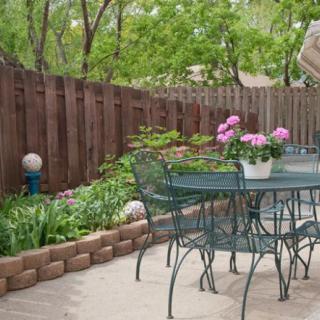
 Assisted Living and Memory Care: Understanding Their Core Differences
 Choosing the Right Senior Care: A Detailed Exploration of Assisted Living and Nursing Homes
 Safeguarding Your Memory Through the Golden Years: Eight Ways to Preserve Cognitive Health