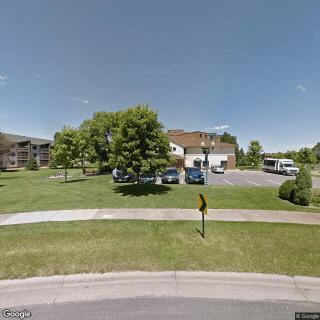
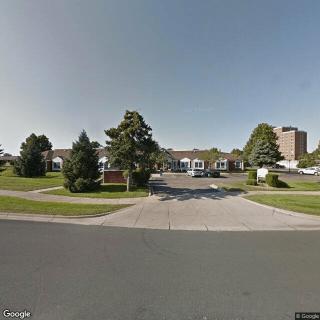
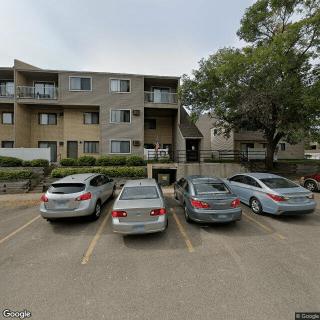
Procare Health I in Brooklyn Center, MN

7006 Morgan Avenue North, Brooklyn Center, MN 55430

For more information about senior living options: (844) 490-3973

3.7 from 14 reviews
5 stars
9
4 stars
0
3 stars
0
2 stars
2
1 stars
3

Assisted Living

What level of care are you interested in?

Assisted Living

Memory Care

Independent Living

Skilled Nursing Facility

Continuing Care Retirement Community (CCRC)CCRC

Other


Request a tour at Procare Health I

    Overall Review of Procare Health I

    Pros

    • pro They are respectful, helpful, and friendly, and very professional.
    • pro The staff are great, friendly, and highly professional.
    • pro They deliver the best customer service.
    • pro The staff at Pro-Health Care are very helpful and friendly.
    • pro They provide patient and friendly service.

    Cons

    • pro Donna is very rude and unprofessional when she answers the phone, rarely greeting properly and often being rude.
    • pro They are horrible at their job; they tell you one thing and then do another.
    • pro They will change your timesheet and say they never did it; they won't pay you when they're supposed to.
    • pro They drag out the hiring process and make you come back many times for something that could have been done on the first trip.
    • pro The only respectful person was the receptionist; the rest of the company is trash.
    • pro They are very unprofessional on the phone and have no idea how to handle county assistance.

    Review

    Procare Health I in Brooklyn Center is best suited for families that prize personable, client-focused care and rapid issue resolution on caregiving matters. This community tends to appeal to clients who want a friendly, professional front-line experience and caregivers who come across as patient and helpful. It works well for families that can tolerate some administrative rough edges in exchange for strong interpersonal service on the care floor. If the priority is a flawlessly smooth back-office operation - precise scheduling, timely pay, and consistently polished phone handling - this agency may fall short, and alternatives with a tighter track record on payroll, onboarding, and communications should be considered.

    What consistently shines here are the pros tied to human interactions. Several reviewers highlight staff as respectful, helpful, and genuinely friendly, with multiple accounts of "great customer service" and patient-friendly approaches. The frontline team is repeatedly described as capable of resolving issues when they arise, and the sentiment from these accounts is that caregivers provide solid, reliable assistance in day-to-day care. When families need reassurance during transitions or when problems surface, the on-site demeanor and responsiveness of the care staff can be a meaningful counterweight to other limitations.

    That said, the most pressing drawbacks center on administrative and back-office reliability. Reported concerns include rude or unprofessional phone interactions, particularly from some reception contacts, and inconsistent handling of communications. The most disruptive themes involve payroll and timesheet disputes - claims that timesheets are altered without authorization and payments are delayed - paired with a lengthy, friction-filled hiring process. Reviewers note repetitive visits for paperwork and a general sense that the onboarding and billing machinery can lag behind the caregiving itself. These issues can create real friction for families juggling schedules, budgets, and caregiver arrangements.

    The key question is whether the warm, responsive caregiving on the floor can compensate for the back-office friction. In practice, it often buys substantial goodwill: families can feel confident that their loved ones are cared for by attentive professionals when the caregiving team is on-site, and when problems are escalated, there is at least a recognized path to resolution. However, the financial and scheduling hiccups have the potential to erode trust over time, especially for families who rely on precise invoicing, predictable pay cycles, and a smooth introduction to services. In short, the pros give real value where it counts most - care quality and day-to-day support - yet the cons threaten continuity and peace of mind if left unaddressed.

    For families weighing the decision, several practical steps help sharpen the call. Request a dedicated care coordinator and a clear point of contact for payroll and scheduling, so issues don't get bounced around. Ask for a written service agreement that outlines payroll timelines, timesheet corrections, and escalation procedures, plus a realistic onboarding timetable with milestones. Seek recent references focused specifically on administrative reliability and problem resolution, not just bedside care. If possible, pilot a short-term arrangement with defined expectations and a review checkpoint. If the administrative track record remains unreliable or inconsistent, it is prudent to explore alternatives with stronger discipline in back-office operations, even if the caregiving atmosphere is positive.

    Ultimately, Procare Health I presents a pragmatic choice for families who foreground compassionate, personable care and are willing to tolerate some administrative rough edges. The strongest arguments in its favor are the consistently respectful, helpful frontline staff and the ability to resolve issues in real time when care needs arise. The strongest cautions relate to payroll delays, timesheet disputes, and onboarding friction that can disrupt the rhythm of service. Families should match their priorities accordingly: if care-floor excellence with responsive problem-solving is non-negotiable, insist on concrete commitments from leadership to tighten scheduling, payroll, and communications; if administrative precision is essential, consider other agencies that demonstrate steadier back-office performance.

    Features

    Housing

    • 21 resident community capacity 21 resident community capacity

    Types of Care

    • Assisted Living Assisted LivingAssisted living facilities provide crucial support and care for seniors who may need help with daily tasks such as medication management, bathing, and meal preparation. These communities offer a safe and comfortable environment where seniors can maintain their independence while receiving the assistance they need to thrive in their golden years.

    Amenities

    • Beauty salon Beauty salonBeauty salons are important for seniors because they provide a space for them to feel pampered, socialize, and maintain their personal grooming and hygiene. Regular visits to a beauty salon can help boost seniors' self-esteem and overall well-being.
    • Cable or satellite TV Cable or satellite TVCable or satellite TV is important for seniors because it provides entertainment, news, and companionship, helping to combat loneliness and boredom. It also offers a wide range of programming options tailored to different interests and preferences.
    • Dining room Dining roomDining rooms are important for seniors as they provide a space for socialization, connection, and nutritious meals. They offer opportunities for residents to bond over shared meals, foster a sense of community, and promote healthy eating habits. Dining rooms also ensure that seniors have access to well-balanced meals tailored to their dietary needs and preferences.
    • Fully furnished Fully furnishedFully furnished senior living communities are important for seniors because they provide convenience, comfort, and a hassle-free moving experience. Seniors can easily settle into their new living space without the stress of having to buy and move furniture. This allows them to focus on enjoying their new home and community.
    • Garden GardenGardens are important for seniors as they provide a peaceful and therapeutic environment for relaxation, physical activity, and socialization. Being in nature has been shown to reduce stress, improve mood, and promote overall well-being. Gardens also offer opportunities for seniors to engage in gardening activities, which can improve mobility, flexibility, and cognitive function. Additionally, gardens create a sense of community and connection with others who share a passion for plants and outdoor spaces.
    • Housekeeping services Housekeeping servicesHousekeeping services are important for seniors because they help maintain a clean and safe living environment, promote independence, and reduce the risk of accidents or illnesses. Additionally, having assistance with household chores can alleviate physical strain and allow seniors to focus on other aspects of their well-being.
    • Kitchenette KitchenetteKitchenettes are important for seniors living in senior living communities because they provide the convenience and independence of being able to prepare simple meals and snacks in the comfort of their own living space. This can help promote a sense of autonomy and well-being for seniors, allowing them to maintain some level of control over their dietary choices and daily routines.
    • Move-in coordination Move-in coordinationMove-in coordination is important for seniors because it helps ease the transition into their new living environment. It ensures that all logistics, such as packing, organizing movers, and setting up utilities are taken care of, allowing seniors to focus on settling in and adjusting to their new home. Having a smooth move-in process can alleviate stress and anxiety, making the transition smoother and more enjoyable for seniors.
    • Outdoor space Outdoor spaceOutdoor spaces are important for seniors as they provide opportunities for physical activity, social interaction, exposure to natural light and fresh air, and a sense of connection to nature. Having access to outdoor spaces can improve overall well-being and quality of life for older adults living in senior communities.
    • Restaurant-style dining Restaurant-style diningRestaurant-style dining is important for seniors because it allows them to enjoy delicious, nutritious meals in a social and upscale setting. This enhances their dining experience, promotes healthy eating habits, and fosters socialization with fellow residents, ultimately contributing to their overall well-being and quality of life.
    • Small library Small librarySmall libraries are important for seniors as they provide access to a variety of reading materials, including books, newspapers, and magazines. This can help stimulate their minds, keep them engaged, and provide a sense of community through book clubs and other social activities. Additionally, reading has been shown to improve cognitive function and overall mental well-being in older adults.
    • Telephone TelephoneTelephones are important for seniors as they provide a lifeline for communication with loved ones, emergency services, and healthcare providers. They offer a sense of security and independence, enabling seniors to stay connected and access assistance when needed.
    • Wi-Fi/high-speed internet available Wi-Fi/high-speed internet availableWi-Fi/high-speed internet is important for seniors to stay connected with loved ones, access online resources, and participate in virtual activities to combat feelings of loneliness and isolation. It also allows them to easily manage healthcare needs, access entertainment, and engage in lifelong learning opportunities.

    Transportation

    • Minneapolis-St Paul International (15 miles away) Minneapolis-St Paul International (15 miles away)

    Care Services

    • 24-hour call system 24-hour call system24-hour call systems are important for seniors because they provide peace of mind and immediate assistance in case of emergencies. This technology ensures that help is always available, promoting safety and security for elderly individuals living alone or in assisted living facilities.
    • 24-hour supervision 24-hour supervision24-hour supervision is important for seniors to ensure their safety, well-being, and access to immediate assistance in case of emergencies or health issues. This constant support provides peace of mind for both seniors and their loved ones, allowing them to age in place with dignity and security.
    • Activities of daily living assistance Activities of daily living assistanceActivities of daily living assistance are important for seniors because they provide essential support with tasks such as eating, bathing, dressing, and mobility. This assistance helps seniors maintain their independence, dignity, and overall quality of life as they age.
    • Assistance with bathing Assistance with bathingAssistance with bathing is crucial for seniors as it helps maintain personal hygiene, prevents infections, and ensures their overall well-being and comfort. It also provides a sense of dignity and independence for seniors who may struggle with this task on their own.
    • Assistance with dressing Assistance with dressingAssistance with dressing is important for seniors because it helps maintain their independence, promotes personal hygiene, prevents accidents and injuries, and improves overall quality of life. This service ensures that seniors can continue to dress comfortably and confidently, despite any physical limitations they may have.
    • Assistance with transfers Assistance with transfersAssistance with transfers is crucial for seniors as it helps prevent falls and injuries, maintains their independence, and ensures they can safely navigate their living environment. It also provides peace of mind for both seniors and their loved ones.
    • Diabetes diet Diabetes dietA diabetes diet is crucial for seniors as it helps manage blood sugar levels, reduce risks of complications, and improve overall health and well-being. By following a balanced and nutritious diet tailored to their specific needs, seniors can better control their diabetes and enhance their quality of life.
    • Meal preparation and service Meal preparation and serviceMeal preparation and service are crucial for seniors as they may have limited mobility or energy to cook nutritious meals. Having access to healthy and convenient food options can ensure they are getting the proper nutrition needed to maintain their overall health and well-being.
    • Medication management Medication managementMedication management is crucial for seniors to ensure they are taking the right medications at the correct dosages and times. This helps prevent adverse drug interactions, reduces the risk of medication errors, and promotes overall health and well-being. Proactive management also allows for adjustments as needed based on changing health conditions or new prescriptions.
    • Mental wellness program Mental wellness programMental wellness programs are essential for seniors as they promote cognitive stimulation, emotional support, and social engagement. These programs help prevent isolation, depression, and cognitive decline, ultimately enhancing the overall quality of life for older adults.
    • Special dietary restrictions Special dietary restrictionsSpecial dietary restrictions are important for seniors because age-related changes in metabolism and health conditions can make it difficult for their bodies to process certain foods. By following a diet tailored to their specific needs, seniors can maintain their overall health and well-being, manage chronic conditions, and reduce the risk of complications such as malnutrition or food interactions with medications.

    Dining

    • Diabetes diet Diabetes dietA diabetes diet is crucial for seniors as it helps manage blood sugar levels, reduce risks of complications, and improve overall health and well-being. By following a balanced and nutritious diet tailored to their specific needs, seniors can better control their diabetes and enhance their quality of life.
    • Special dietary restrictions Special dietary restrictionsSpecial dietary restrictions are important for seniors because age-related changes in metabolism and health conditions can make it difficult for their bodies to process certain foods. By following a diet tailored to their specific needs, seniors can maintain their overall health and well-being, manage chronic conditions, and reduce the risk of complications such as malnutrition or food interactions with medications.

    Activities

    • Community-sponsored activities Community-sponsored activitiesCommunity-sponsored activities are important for seniors as they provide opportunities for social interaction, mental stimulation, and physical activity. These activities can help improve overall well-being, combat loneliness and isolation, and promote a sense of belonging and purpose among older adults.
    • Resident-run activities Resident-run activitiesResident-run activities are important for seniors as they encourage social interaction, creativity, and a sense of autonomy. These activities empower seniors to stay engaged and active in their community while fostering meaningful connections with their peers.
    • Scheduled daily activities Scheduled daily activitiesScheduled daily activities are important for seniors because they provide structure, socialization, mental stimulation, and physical activity. Engaging in regular activities can improve overall well-being and quality of life for seniors living in a community setting.

    Description

    Procare Health I in Brooklyn Center, MN is an assisted living community that offers a wide range of amenities and care services to cater to the needs of its residents. The community is fully furnished and provides cable or satellite TV, Wi-Fi/high-speed internet, and telephone services to ensure that residents can stay connected with their loved ones.

    The dining room offers restaurant-style dining, where residents can enjoy delicious meals prepared by the community's staff. Special dietary restrictions are taken into consideration to ensure that all residents receive nutritious and satisfying meals.

    Procare Health I also provides housekeeping services to keep the living spaces clean and well-maintained. Move-in coordination is offered to make transitioning into the community as smooth as possible for new residents. Outdoor spaces and a small library are available for residents to relax and engage in leisure activities.

    The care services provided at Procare Health I include 24-hour supervision, assistance with activities of daily living such as bathing, dressing, and transferring, medication management, diabetes diet support, and mental wellness programs. The dedicated staff ensures that each resident receives personalized care according to their specific needs.

    Residents can partake in a variety of resident-run and scheduled daily activities to stay engaged and entertained within the community. Additionally, Procare Health I is conveniently located near two cafes, three parks, numerous pharmacies, physicians' offices, restaurants, places of worship, and a hospital.

    Overall, Procare Health I offers a comfortable and supportive environment for seniors looking for assisted living accommodations in Brooklyn Center, MN.

    Nearby Places of Interest

    This part of Brooklyn Center, Minnesota offers a convenient and diverse array of amenities for seniors considering the area for living. With multiple pharmacies including Park Nicollet Clinic and Walgreens in close proximity, access to healthcare and medication is easily accessible. There are also various dining options such as Culver's, McDonald's, and White Castle within a few miles, providing convenient meal choices. For medical needs, there are physicians like Eyeklinic of Edinburgh and Fairview Fridley Clinic nearby. Additionally, places of worship like Fridley United Methodist Church offer spiritual support. Nearby parks like Twin Lake Beach Park and Pinebrook Park provide opportunities for outdoor recreation. The presence of hospitals like Unity Hospital ensures quality healthcare facilities are readily available. Overall, this area provides a well-rounded community with essential services for seniors looking to settle in Brooklyn Center.

    Pharmacies

    • Park Nicollet Clinic (1.3 miles)
    • Walgreens (1.3 miles)
    • Walgreens (1.9 miles)
    • Walgreens (2.1 miles)
    • Walgreens (2.6 miles)
    • CVS Pharmacy (3.7 miles)
    • Walgreens (3.9 miles)

    Restaurants

    • Culver's (1.5 miles)
    • McDonald's (1.9 miles)
    • McDonald's (2.1 miles)
    • White Castle (2.6 miles)
    • Route 47 Pub And Grub (2.8 miles)
    • Hibachi Grill & Supreme Buffet (3.2 miles)
    • Wendy's (3.4 miles)

    Physicians

    • Eyeklinic of Edinburgh (1.9 miles)
    • Fairview Fridley Clinic (2.2 miles)
    • Aesthetic Reconstructive Plastic Surgery (2.9 miles)
    • Eye Care Center (3.2 miles)
    • Northwest Family Physicians PA (3.4 miles)
    • Northtown Mall (3.9 miles)
    • Fairview Clinics (4.4 miles)

    Places of Worship

    • Fridley United Methodist Church (2.6 miles)
    • Elim Church Center (4 miles)
    • Ephiphany Catholic Church (6.1 miles)
    • North Heights Lutheran Church (6.6 miles)

    Cafes

    • Caribou Coffee (2.9 miles)
    • Starbucks (4.9 miles)
    • Caribou Coffee (5 miles)
    • Starbucks (5.3 miles)
    • Starbucks (7.1 miles)

    Hospitals

    • Unity Hospital (3 miles)
    • Regency Hospital (6.3 miles)

    Parks

    • Twin Lake Beach Park (3.2 miles)
    • Pinebrook Park (3.3 miles)
    • Silverwood Park (4.7 miles)
    • Boom Island Park (6.4 miles)
    • North Loop Dog Park (6.6 miles)

    Theaters

    • AMC Coon Rapids 16 (5.1 miles)

    Frequently Asked Questions

    Where is Procare Health I?

    Nearby Communities

    • Suburban Residential Care

      Suburban Residential Care

      Brooklyn Center, MN


      pro Small, intimate setting with 24/7 supervision and personalized care.

    • Empathy Home Care 11

      Empathy Home Care 11

      Brooklyn Center, MN

      1 from 1 review
       

      pro 24-hour supervision with ADL assistance, medical coordination, meals and dietary support, transportation to appointments, housekeeping, and social activities.

    • His Services Home Care

      His Services Home Care

      Brooklyn Center, MN

      2.6 from 5 reviews
       

      pro Fully furnished living spaces with 24-hour supervision and restaurant-style dining.

    • Elizjoseph Healthcare 3

      Elizjoseph Healthcare 3

      Brooklyn Center, MN


      pro Comprehensive care and amenities (24/7 supervision, ADL support, meals, activities) with furnished apartments.

    • Jubilee Healthcare

      Jubilee Healthcare

      Brooklyn Center, MN

      3.6 from 100 reviews
       

      pro Small, personalized assisted living with 24/7 care, medication management, and engaging activities.

    • Olidia Care

      Olidia Care

      Brooklyn Center, MN


      pro Fully furnished apartments with 24/7 supervision, medication management, and engaging activities.

    • The Crossings at Brookwood

      The Crossings at Brookwood

      Brooklyn Center, MN

      4.6 from 34 reviews
      $830 to $910 / month

      pro Quiet, friendly community with active social events and helpful staff.

    • Ecumen Prairie Lodge

      Ecumen Prairie Lodge

      Brooklyn Center, MN

      4.1 from 69 reviews
      $3,150 / month

      pro Friendly staff and a welcoming, home-like atmosphere with active resident engagement.

    • Village Green Apartments

      Village Green Apartments

      Fridley, MN

      4 from 32 reviews
       

      pro Affordable units with a convenient Fridley location and diverse community.

    Related Resources

    • assisted living vs nursing homeChoosing the Right Senior Care: A Detailed Exploration of Assisted Living and Nursing Homes

      Choosing between assisted living and nursing homes involves evaluating emotional and financial factors, with assisted living offering independence and support for daily activities at a lower cost, while nursing homes provide intensive medical care for individuals with significant health needs. The decision is influenced by personal preferences, health status, cognitive function, and varying Medicaid coverage across states.

    • assisted living costUnderstanding the True Cost of Assisted Living in 2025: A Comprehensive Guide

      Assisted living in 2025 offers a crucial balance of independence and support for seniors, with costs varying from $2,500 to over $7,000 per month based on factors such as location and care level. Understanding pricing complexities, including regional differences and potential hidden fees, is essential for families to plan financially while ensuring quality care for their loved ones.

    • does medicaid pay for assisted livingUnderstanding Medicaid Coverage for Assisted Living: A Comprehensive Guide

      The guide outlines the complexities of Medicaid coverage for assisted living, highlighting significant state-to-state variations, limited coverage often restricted to personal care services, and the existence of specialized waivers for certain needs like memory care. It advises families to consult local Medicaid offices for options while emphasizing the importance of understanding state-specific regulations and facility policies.


    Get Pricing Ask A Question Schedule A Tour Contact Senior Advisor