
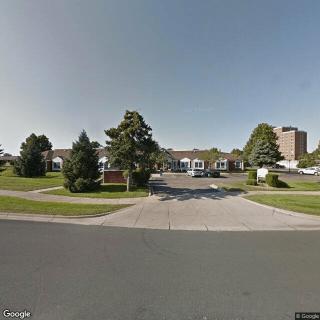
2108 70Th Avenue North, Brooklyn Center, MN 55430
For more information about senior living options: (866) 208-4318
Overall Review of His Services Home Care
Pros
 The facility is neat and the staff are nice.
- The owner is educated, knowledgeable, and open.
- The staff and owner make residents feel like family and treat them with respect and warmth.
- They treat residents with dignity and kindness.
- This is how a facility should look—well done.
Cons
 They are horrible toward residents and treat them with neglect and abuse.
- They mentally abuse patients.
- They kill emotional support animals.
- They sabotage placements and punish residents when they can’t get what they want.
- They should be shut down from dealing with mental patients and put out of business.
- They spit on residents and insult them.
- They scream at residents and treat them like children.
- They refuse to provide basic necessities, such as groceries and water.
- They have abused other tenants and have police involvement.
Review
This community is best suited for families seeking a small, home-like atmosphere where a hands-on owner and a warm staff can make residents feel personally cared for. The positives called out in the better reviews paint a picture of a neat, well-kept place with staff who are polite and respectful, and an owner who is experienced and accessible. When the environment is described as feeling like family and residents are treated with dignity and warmth, it can be a meaningful fit for seniors who prize personal attention over formal programming. In short, it can work for someone who wants a nurturing, low-traffic feel and does not demand rigid systems or high-tech care.
However, serious caveats arise that demand careful consideration. Multiple accounts allege neglect, emotional abuse, and even harm to emotional support animals. There are accusations of intimidation, name-calling, and punitive strategies that undermine emotional safety. Several reviews describe hostile moments that include yelling, spitting, and active disrespect toward residents, with criminal or protective-service involvement cited in at least one instance. The most troubling themes center on mistreatment of vulnerable individuals, inconsistent treatment of residents, and situations that undermine trust in the ability to keep residents safe and their rights protected. For families with high needs, particularly those involving mental health or behavioral challenges, these reports raise red flags that cannot be dismissed.
The strongest pros, neatness, apparent warmth from staff, and an owner who is open and knowledgeable, do not meaningfully offset the gravity of the main cons. A well-kept facility and friendly conversations matter, but not when residents report neglect, humiliation, or abuse, or when the emotional safety of residents is compromised. The claims about harming an emotional support animal and about staff conduct toward residents are fundamentally incompatible with reliable, dignified care. Even a collaborative, family-like tone cannot neutralize the risk that residents may experience inconsistent routines, coerced behaviors, or unsafe decisions made without proper oversight. In a review landscape where the most severe experiences dominate the narrative, firmness of policy and accountability become the decisive factors.
For families evaluating options, concrete diligence is essential. Before any commitment, request current licensing and inspection records, and ask whether any investigations or corrective actions are outstanding. Tour the community with a list of care needs in hand, and observe interactions between staff and residents, paying particular attention to how concerns are addressed and how meals, medications, and daily routines are managed. Inquire about staffing ratios, supervision, and ongoing training, especially around mental health, de-escalation, and safeguarding residents’ rights. Probe policies on emotional support animals, incident reporting, and any history of complaints. Speak with multiple residents or family members currently connected to the community if possible, and cross-check with independent ombudsman resources or state agencies for any filed complaints.
Alternatives merit serious consideration for anyone prioritizing safety, consistency, and accountability. Look for communities with clear, enforceable care plans, transparent governance, and a track record of stable staffing and positive, corroborated reviews. For residents with cognitive impairment or high medical needs, select facilities that specialize in memory care or offer higher levels of supervision and crisis support. Non-profit providers or larger operator groups with documented safety standards can offer the reassurance of regular audits, formal incident reporting, and more robust oversight. The goal is to align expectations with a facility where praised warmth does not sit beside, or behind, troubling patterns of neglect or mistreatment.
Bottom line: this community presents a conflicting mix of warmth and red flags. The favorable, home-like aspects may appeal to families seeking a personable, less institutional setting, but the weight of abusive and neglectful claims cannot be ignored. For anyone whose priority is consistent safety, respectful treatment, and verifiable accountability, alternatives should be pursued aggressively. If exploring this option, insist on rigorous, recent documentation of safety practices, direct conversations with current residents and their families, and a credible plan for addressing the concerns raised in prior reviews. In the current landscape, safer, more transparent choices are highly recommended.
 21 resident community capacity
 Assisted Living
 Beauty salon
 Cable or satellite TV
 Dining room
 Fully furnished
 Garden
 Housekeeping services
 Kitchenette
 Move-in coordination
 Outdoor space
 Restaurant-style dining
 Small library
 Telephone
 Wi-Fi/high-speed internet available
 Minneapolis-St Paul International (15 miles away)
 24-hour call system
 Activities of daily living assistance
 Assistance with bathing
 Assistance with dressing
 Assistance with transfers
 Diabetes diet
 Medication management
 Mental wellness program
 Special dietary restrictions



 Comprehensive Supportive Living Arrangements for Adults with Disabilities
 Funding and Affording Assisted Living: A Thorough Overview
 Assisted Living Expenses and Long-Term Care Insurance: A Comprehensive Exploration