
3850 Jefferson St, Columbia Heights, MN 55421
To contact a resident: (763) 290-1440
For more information about senior living options: (866) 208-4318
Personal Care Senior Living Columbia Heights Costs & Pricing
Personal Care Senior Living in Columbia Heights presents a notably higher monthly cost for its studio accommodations, priced at $7,030. This rate significantly exceeds both the average costs in Ramsey County, which stands at $3,546, and the broader state average of $3,617 in Minnesota. The premium pricing reflects the specialized services and amenities offered at this facility, catering to seniors who require personalized care. While the investment is substantial compared to local and state norms, it may be justified by the enhanced quality of life and dedicated support that residents receive in this community-oriented environment.
| Floor plans | Personal Care Senior Living Columbia Heights | Ramsey County | Minnesota |
|---|---|---|---|
| Studio | $7,030 | $3,546 | $3,617 |
Memory care communities with a similar price nearby
-
from -$1030 / mo
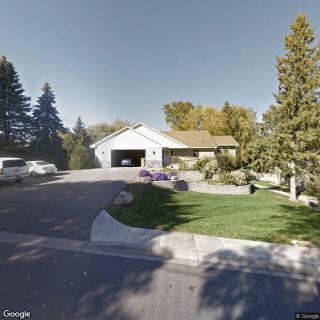
Legacy Care Home
$6,000 / month14.4 miles away -
About the same
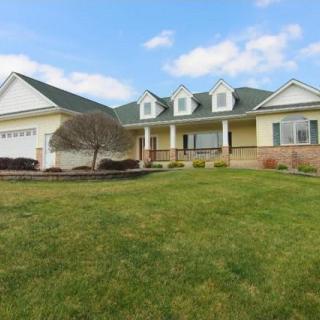
September Cottage Eldercare
$7,000 / month24.8 miles away -
from +$470 / mo
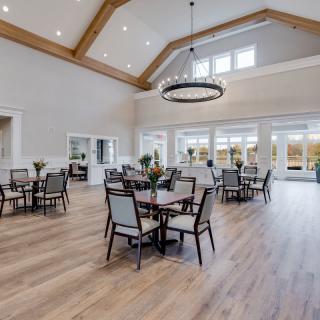
Rivers of Life Memory Care/Enhanced Assisted Living
$7,500 / month21.8 miles away -
from +$620 / mo
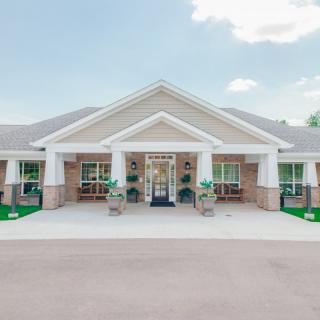
Artis Senior Living of Woodbury
$7,650 / month17.5 miles away -
About the same
The Moments Of Lakeville
$7,200 / month23.4 miles away
Overall Review of Personal Care Senior Living Columbia Heights
Pros
 PCSL provides personalized care.
- Staff were compassionate, dedicated, and treated residents as if they were their own family members.
- Residents are respected and provided the dignity they deserve.
- The nurse was available to answer questions.
- Staff knew and remembered residents' small requests.
- The experiences at PCSL were night and day compared to other facilities.
- There was very little turnover at PCSL.
- The staff-to-resident ratio is outstanding.
- Families knew their loved ones were in great hands.
- PCSL Memory Care was above expectations and treated residents with respect, kindness, and love.
- The resident thrived there.
- The in-room fridge/kitchenette allows families to supplement meals.
Cons
 One reviewer described the experience as "just terrible" and advised others not to choose the facility.
- They criticized the communication with family, noting it took three months to trim nails and staff were hard to reach to confirm if a resident was hospitalized.
- The move-in process was challenging due to the father's condition.
- The food wasn't great, with meals often cold and unappealing.
- There were instances where things slipped or were missed by daily care attendants, making reliable frontline care hard to find.
Review
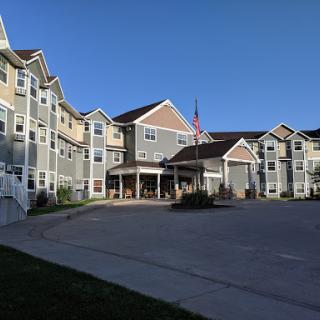
Personal Care Senior Living Columbia Heights is best for families seeking an intimate, high-touch environment where residents are treated as individuals and family involvement is actively welcomed. The community excels for seniors who need personal care or memory care in a setting that prioritizes dignity, a home-like atmosphere, and steady, attentive staff. It is particularly well-suited for residents who benefit from low staff turnover, a strong caregiver presence, and the ability to coordinate closely with family and external care partners (including hospice when needed). For families prioritizing warmth, consistent personal attention, and a focus on people over profit, this facility often delivers more than a generic senior-living experience.
That said, some families should consider alternatives. Those who require a higher level of medical acuity or more formal, clinic-style oversight may want to compare communities with larger clinical staffs and more structured care coordination. Families who place a premium on consistently polished dining experiences, with meals arriving hot and creatively plated, may find the culinary side uneven here. And for families whose communication needs are nonnegotiable, long wait times for updates, or frequent gaps in staying connected to a loved one, the occasional lapses noted by some reviewers will be a red flag worth weighing against the positives.
The strongest positives here are the people delivering care. The staff-resident ratio is outstanding, and turnover is notably low, which translates into familiar faces and a depth of knowledge about each resident’s routines and preferences. Reviews repeatedly highlight staff who remember small requests and treat residents with respect and kindness. The leadership team, particularly the Director and Lead Nurse, appears responsive, professional, and capable of addressing concerns quickly when they arise. Memory-care residents have been described as thriving, with families expressing gratitude for the way their loved ones are treated as individuals. The privately owned nature of the community is felt in a culture that emphasizes relationship-building and a sense of purpose beyond simply filling beds.
The environment itself reinforces these strengths: clean, calm spaces with a welcoming, home-like feel, and the ability to accommodate meaningful family logistics, such as joining rooms for couples and access to assistive equipment like a hoyer lift. The facility regularly earns praise for its serenity, organization, and a team-oriented vibe where residents interact as one family. For families seeking transparent, hands-on involvement in care decisions, the setup makes it easier to participate in health planning, discuss hospice when appropriate, and maintain open channels with care staff. These are not small benefits in a landscape crowded with impersonal, corporate-backed communities.
Yet the cons should be weighed candidly against these strengths. Communication gaps surface in some reviews, with delays in routine tasks like nail care or difficulties reaching staff during hospital visits. While the leadership often steps in to fix lapses, the inconsistency can be frustrating for families who require real-time updates and proactive outreach. Meal quality presents a mixed picture: some residents report good, satisfying meals, while others describe the food as not particularly appealing or frequently arriving cold. These experiences matter because nutrition and morale are intertwined, especially for memory-care and frail residents who rely on consistent, enjoyable meals to support daily functioning. On balance, the cons do not erase the core advantages, but they do limit this community’s appeal for families with very high expectations around communication and culinary excellence.
For families actively shopping, a practical decision framework helps. Visit with a concrete list: observe interactions between staff and residents, note whether care staff anticipate needs without being prompted, and ask for examples of how care plans are updated and communicated to families. Probe memory-care programming, daily routines, and the process for coordinating with hospice or external therapists. Confirm logistics that matter most, quality of room options, accessibility features, and the availability of joining rooms or specialized equipment. It is also wise to speak with several families currently enrolled, and to map out a phone plan for after-hours outreach. These steps will reveal how well the community balances personalized attention with organizational reliability.
In the end, Personal Care Senior Living Columbia Heights presents a compelling choice for families whose primary criteria center on individualized, compassionate care delivered in a warm, humane setting. It is less ideal for those who require near-perfect consistency in communication or who prize uniformly high dining quality above all else. The facility’s strengths, low turnover, strong caregiver relationships, proactive leadership, and a memory-care approach that treats residents with dignity, often offset the noted drawbacks when assessed against the real-world needs of most seniors and their families. For many, this means a decision guided by the desire for a “home first” experience where staff know residents by name, and where family involvement meaningfully informs day-to-day care.
 Assisted Living
 Memory Care
 Activities on-site
 Devotional services off-site
 Indoor common areas
 Minneapolis-St Paul International (12 miles away)
 Ambulatory care
 Diabetic care
 Meals provided



 A Detailed Exploration of Assisted Living Medicaid Waivers Across the United States
 Exploring the Contrasts Between Assisted Living and Skilled Nursing
 Vibrant Senior Living: A Comprehensive Guide for Active Older Adults