
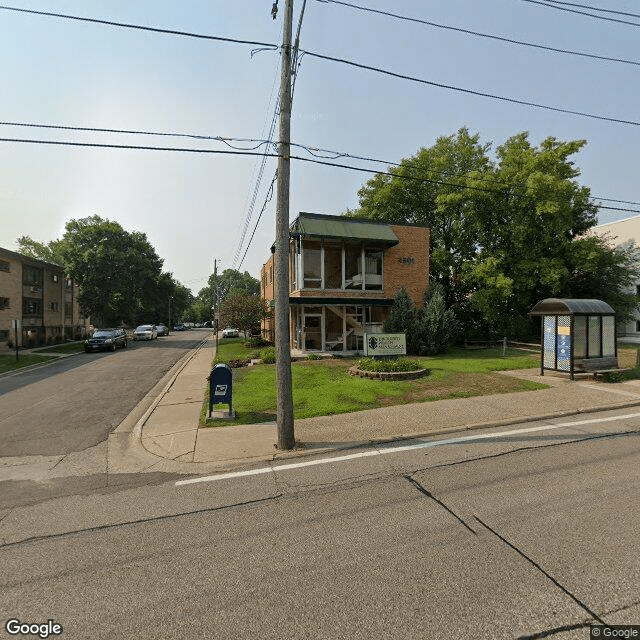
4501 Minnetonka Blvd Ste 100, St. Louis Park, MN 55416
To contact a resident: (612) 435-7140
For more information about senior living options: (866) 208-4318
Overall Review of Living Life Home Care
Pros
 Living Life Home Care is consistently trustworthy, knowledgeable, compassionate, and professional.
- The staff consistently goes above and beyond for clients.
- They expertly care for loved ones and adapt to changing needs with care.
- Families highly recommend Living Life Home Care and praise its services.
- Sarah at Living Life provides phenomenal service and is an excellent resource for families.
- Mike is fantastic at scheduling home aid support and is very kind.
- The caregivers who stay with families for years become like family, delivering warm, attentive care.
- Living Life maintains respectable standards, with professional conduct and clear communication.
- They help families fulfill the wish of staying at home by providing tender, attentive care.
Cons
 No negative statements identified in the third person within the provided reviews.
Review
Living Life Home Care in St. Louis Park, Minnesota is best suited for families who want their loved ones to remain at home with highly personalized, ongoing in-home support. The service model centers on long-running relationships with caregivers, thoughtful matching by a social worker, and steady nursing oversight. It excels when the goal is to manage chronic illness, dementia, or hospice-adjacent needs while preserving dignity, routine, and familiar surroundings. The approach rewards consistency: families report caregivers who know the person’s preferences, temperaments, and daily rhythms, and who adjust as health status shifts.
Those who might want to consider alternatives include families seeking a structured facility setting with 24/7 on-site supervision in a single building, or cases requiring medical oversight beyond what in-home aides provide. While Living Life offers strong nursing input, an institutional environment can deliver predictable round-the-clock presence and more formal medical care pathways. For households that prioritize a campus or memory-care community over home-based care, or that require intensive, around-the-clock skilled nursing, a facility or larger agency with broader clinical staffing may be a more suitable fit.
From the client experiences, the core strength is the extraordinary quality and continuity of the caregiving team. Clients repeatedly describe staff as trustworthy, compassionate, and consistently going above and beyond. The office team, notably Mike and Sarah, excels at scheduling and personal alignment, matching caregivers to personalities and needs. Families observe caregivers like T, L, and R seamlessly adjust to changes in health and mood, maintaining safety while preserving a sense of companionship. Nursing oversight by Kathy stands out for recognizing subtle health shifts and guiding aides to refine care without adding undue burden on the family.
Practical drawbacks are fortunately modest but present. In-home care hinges on a dependable caregiver roster; when a primary caregiver is away, temporary arrangements must be mobilized, which can momentarily disrupt routine. The accounts note occasional vacation-related transitions, though the agency seems adept at re-matching and sustaining continuity. For families demanding the reassurance of a single, on-site team in a single building, or those requiring more intensive medical equipment and 24/7 clinical supervision, the in-home model may feel limited compared with a dedicated care facility.
Still, these limitations are largely offset by the program’s defining strengths. The ability to keep a loved one at home for years, with two core caregivers who effectively live with the family, creates stability difficult to achieve in a facility-based setting. The in-home model earns its payoff in the deep familiarity caregivers develop with routines, preferences, and triggers, plus strong nursing oversight that helps families avoid needless work and worry. The combination of compassionate presence, adaptive staffing, and proactive coordination produces a care experience many families describe as transformative.
Decision guidance: prioritize Living Life Home Care if the objective is enduring, respectful in-home support backed by a capable, responsive leadership team and a stable cadre of caregivers who treat seniors as family. This model shines for dementia and hospice-era needs, for households seeking to age in place, and for those who value real-time adjustments and continuity. If the preferences tilt toward a traditional facility environment, or require heavier clinical management than in-home aides can safely provide, it is prudent to explore alternatives with on-site medical teams or broader nursing staffing to ensure the care plan aligns with long-term goals.
 Minneapolis-St Paul International (7 miles away)




 Effective Strategies for Keeping Seniors' Minds Active: A Deep Dive into Brain Games and Apps
 In-Depth Look at the VA Aid and Attendance Program
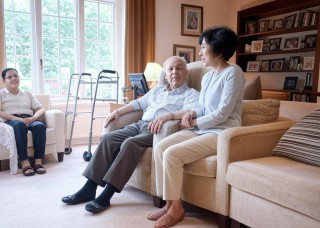 Nurturing Our Loved Ones: A Daughter's Journey in Caring for Her Mother