Jones Harrison Assisted Living in Minneapolis, MN

Save

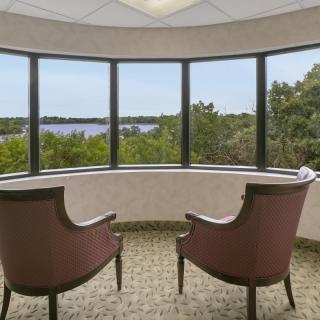
  • Interior

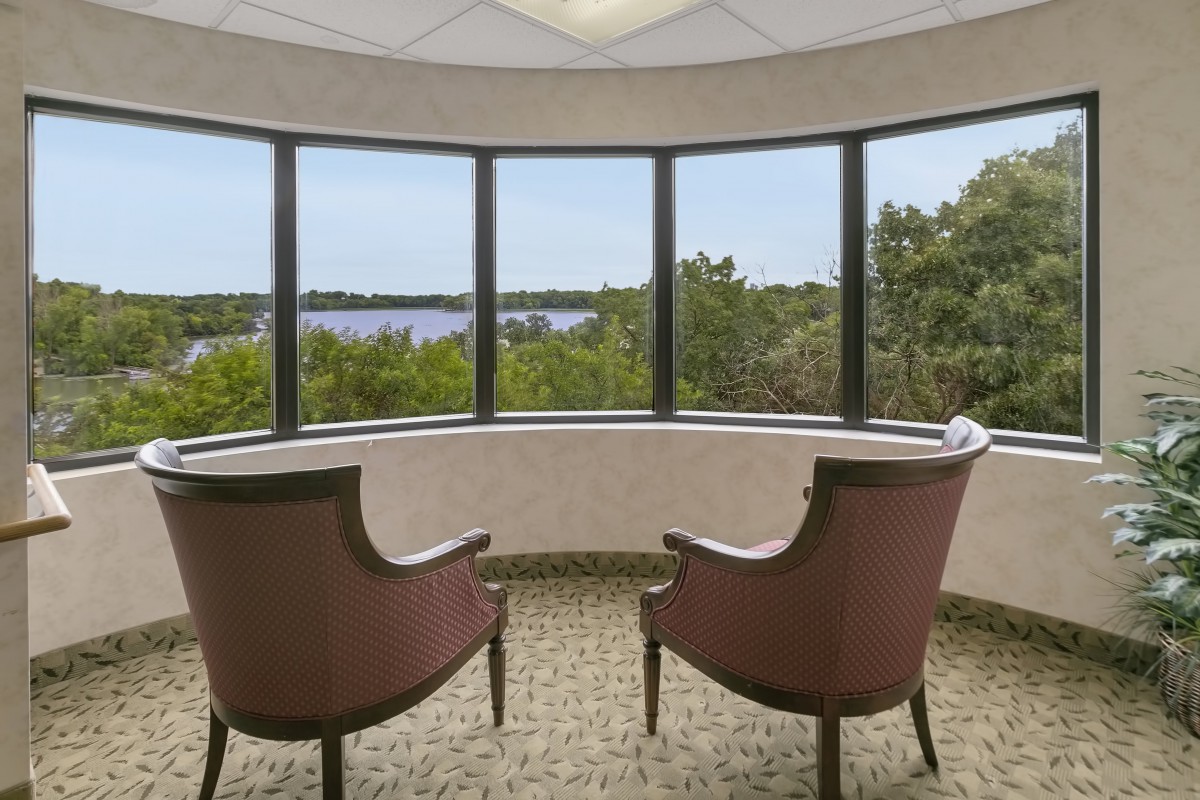
    Two chairs facing a scenic lake view through large windows.
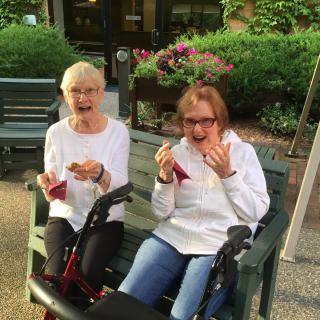
  • Outdoors

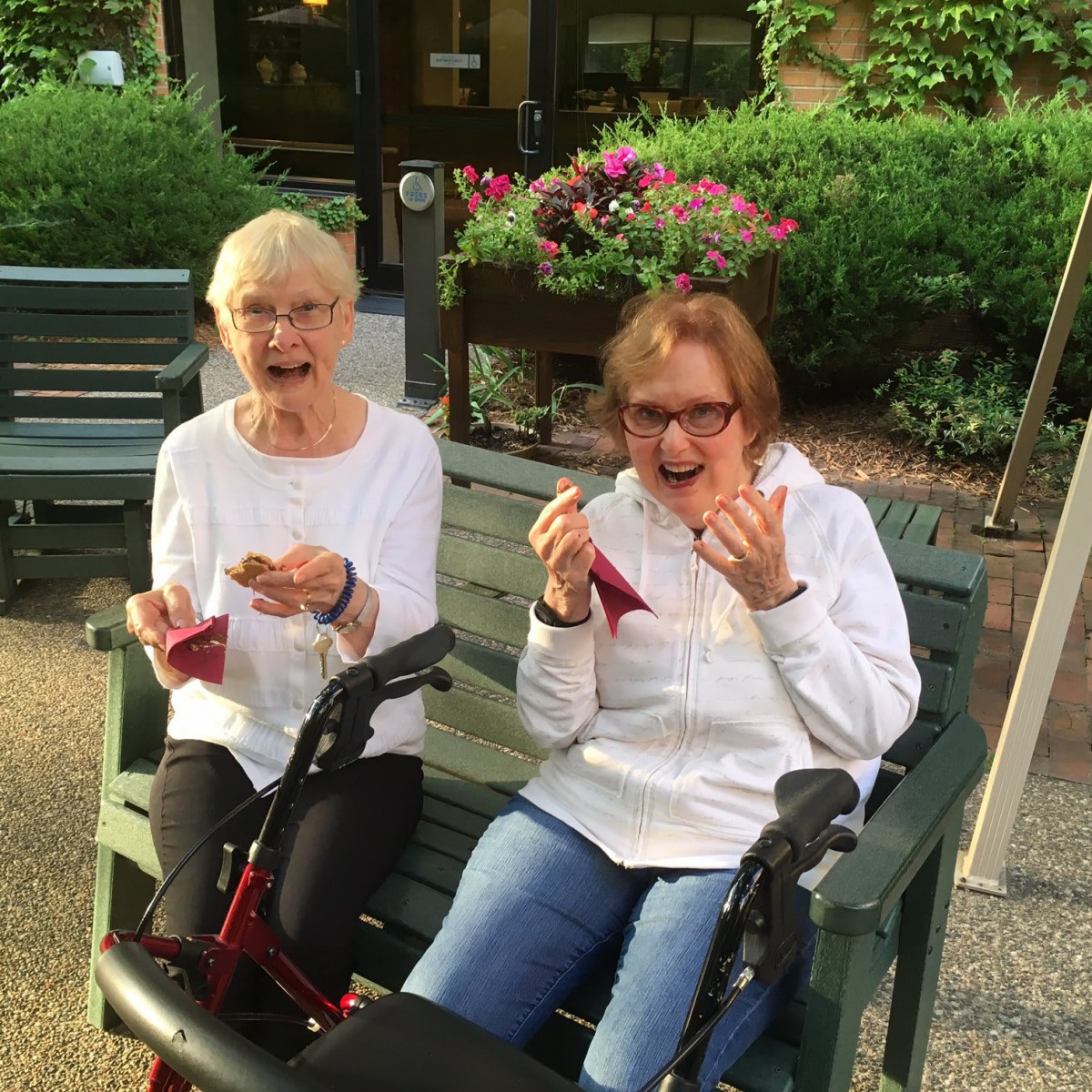
    Two elderly women enjoying ice cream on a bench outdoors.
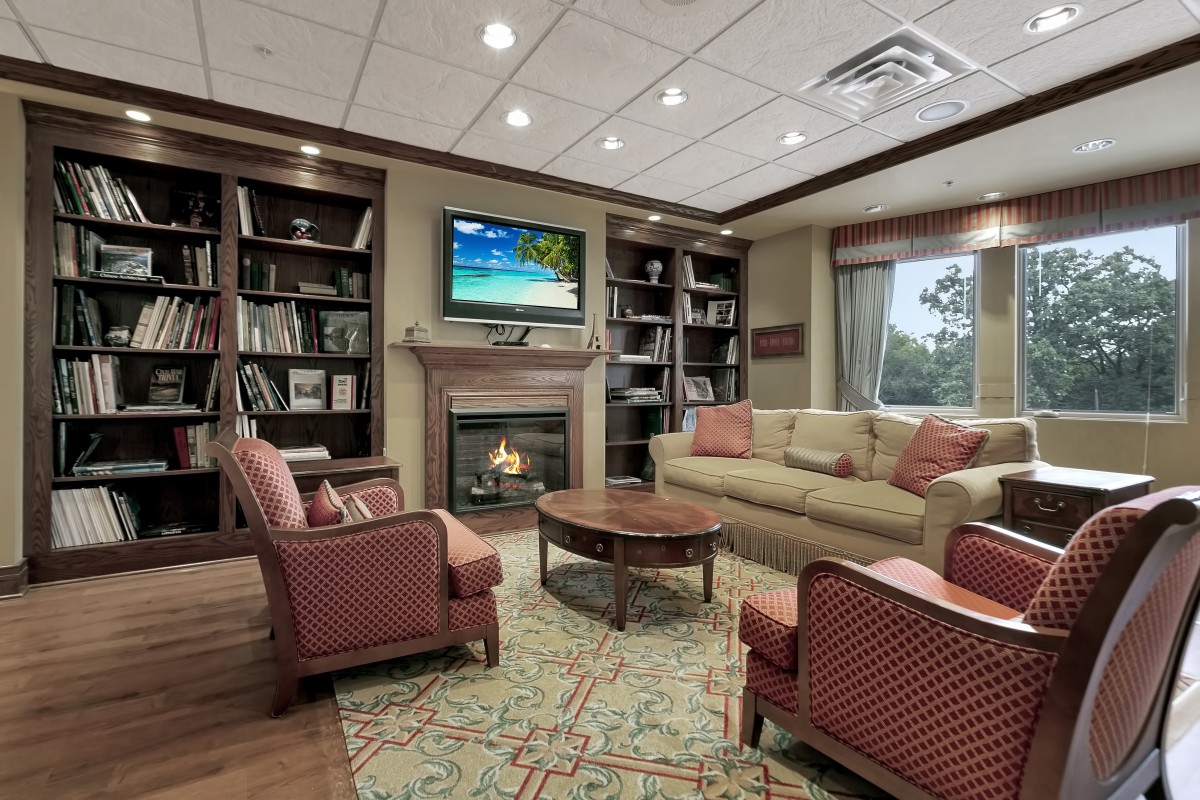
  • Living Room

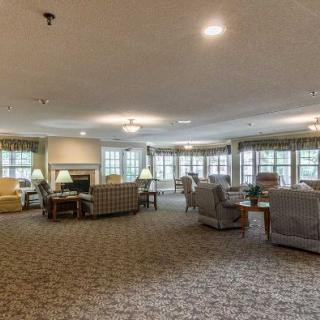
    A cozy living room with a fireplace, bookshelves, and comfortable seating.
  • Building

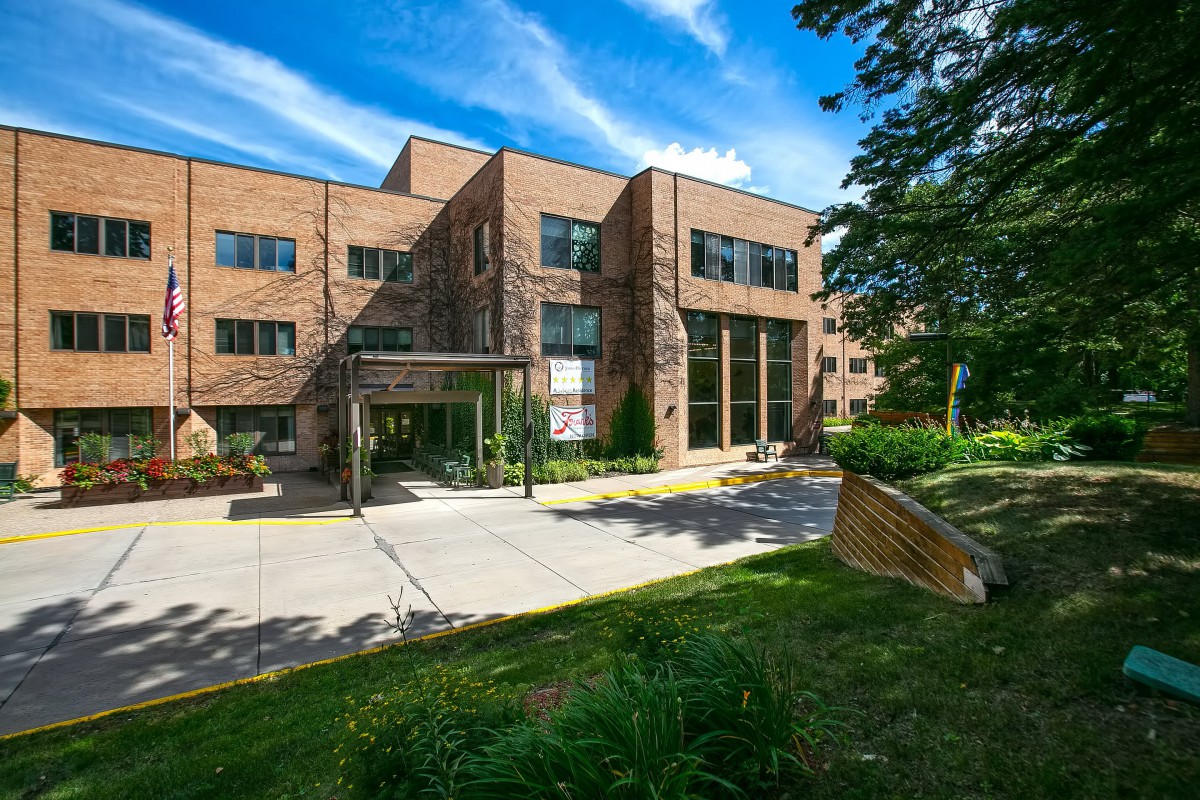
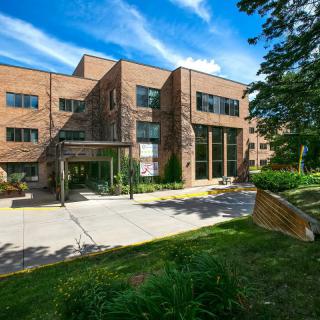
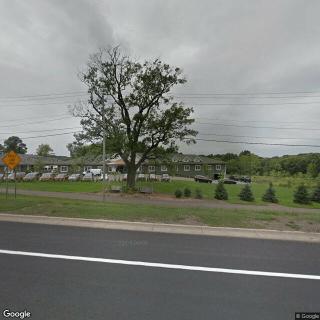
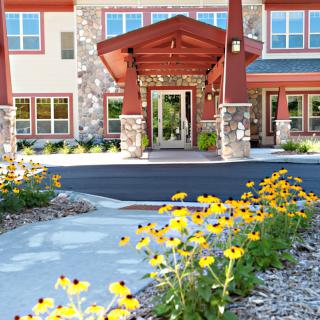
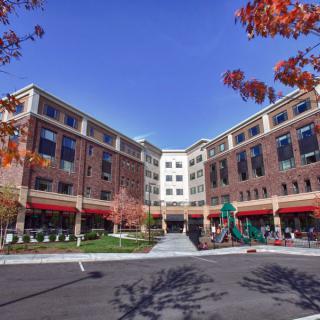
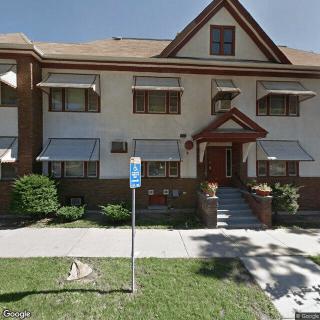
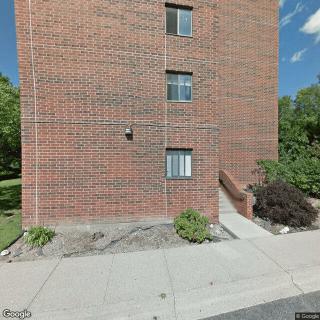
    A modern hospital building surrounded by greenery under a clear blue sky.
  • Trees

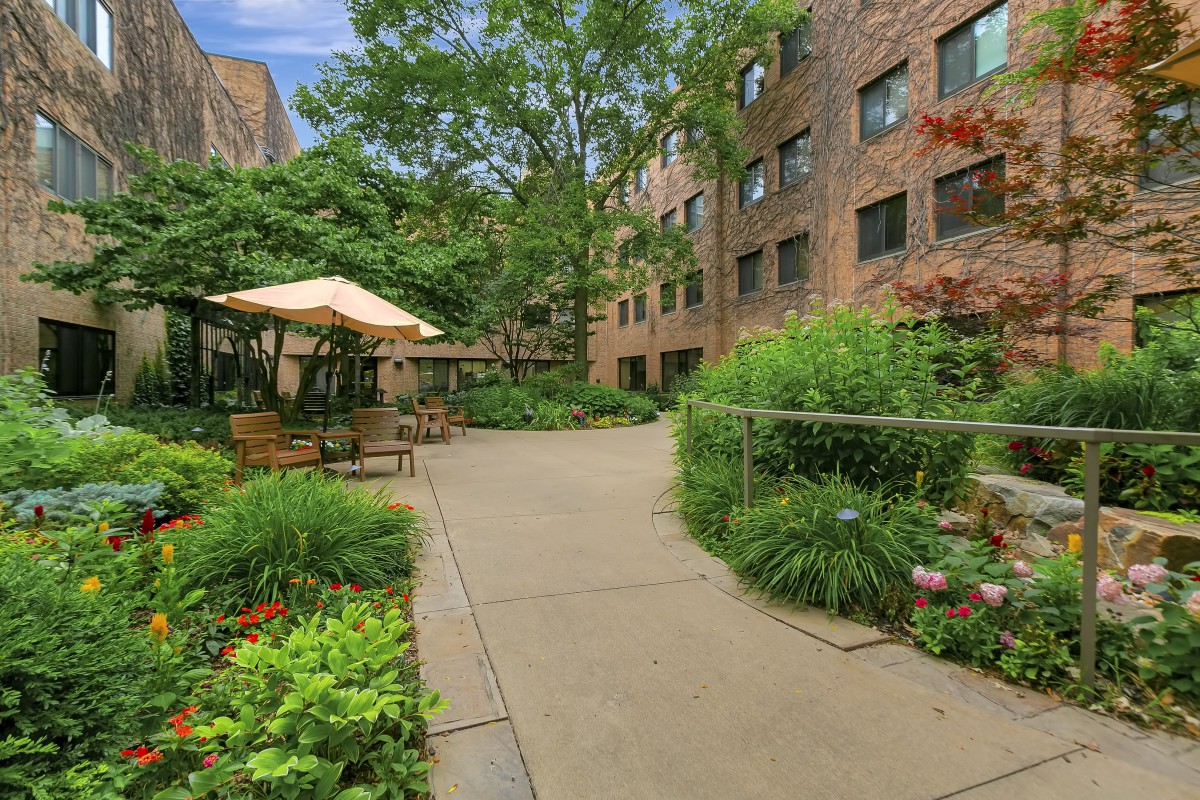
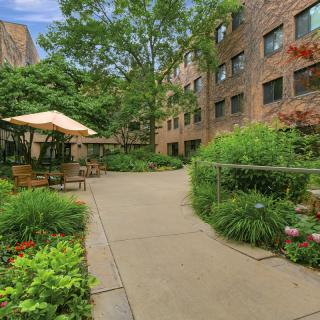
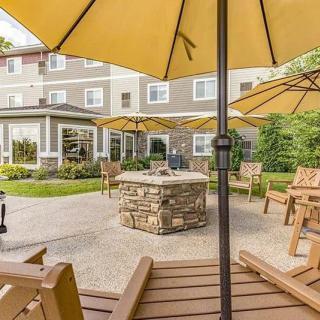
    A serene apartment courtyard featuring lush greenery and a shaded seating area.
  • Windows

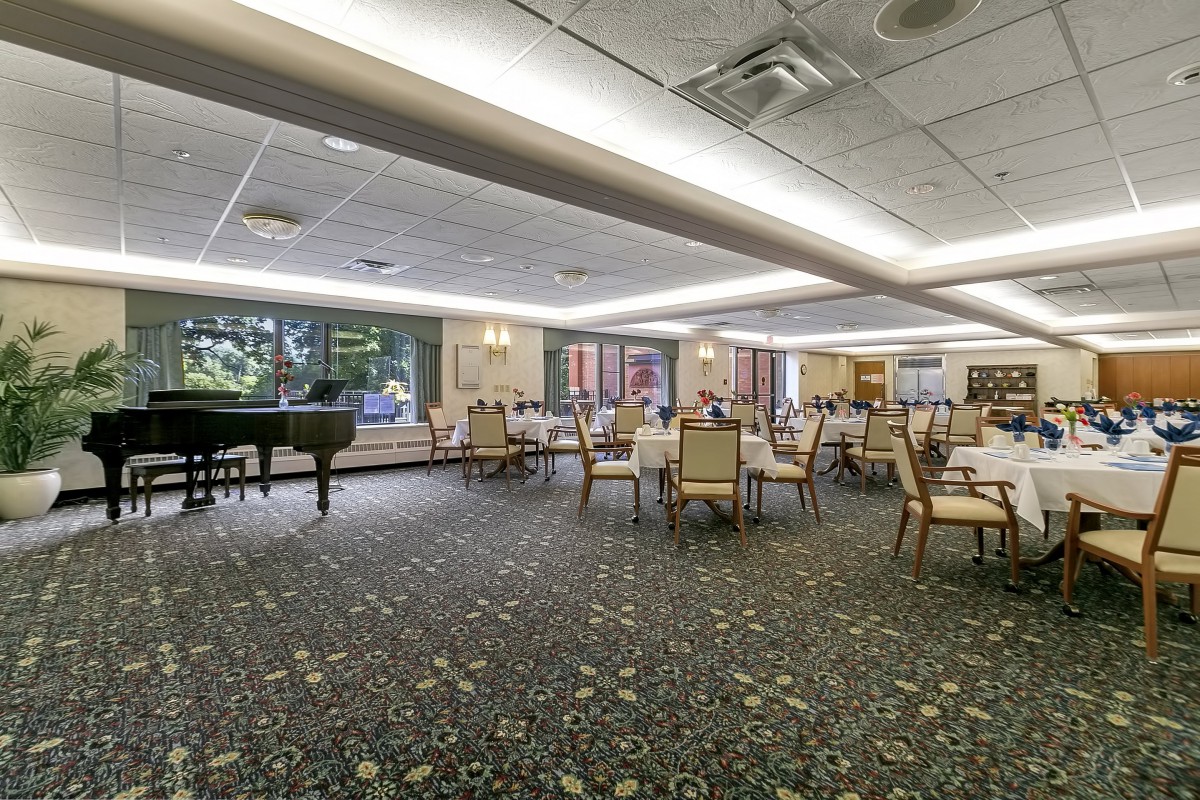
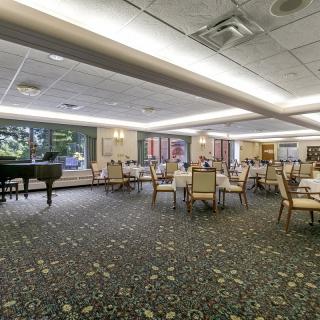
    A spacious dining area with tables and chairs, featuring a grand piano near the windows.
  • Dining

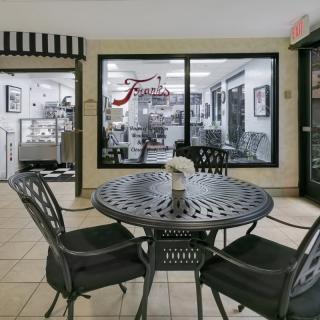
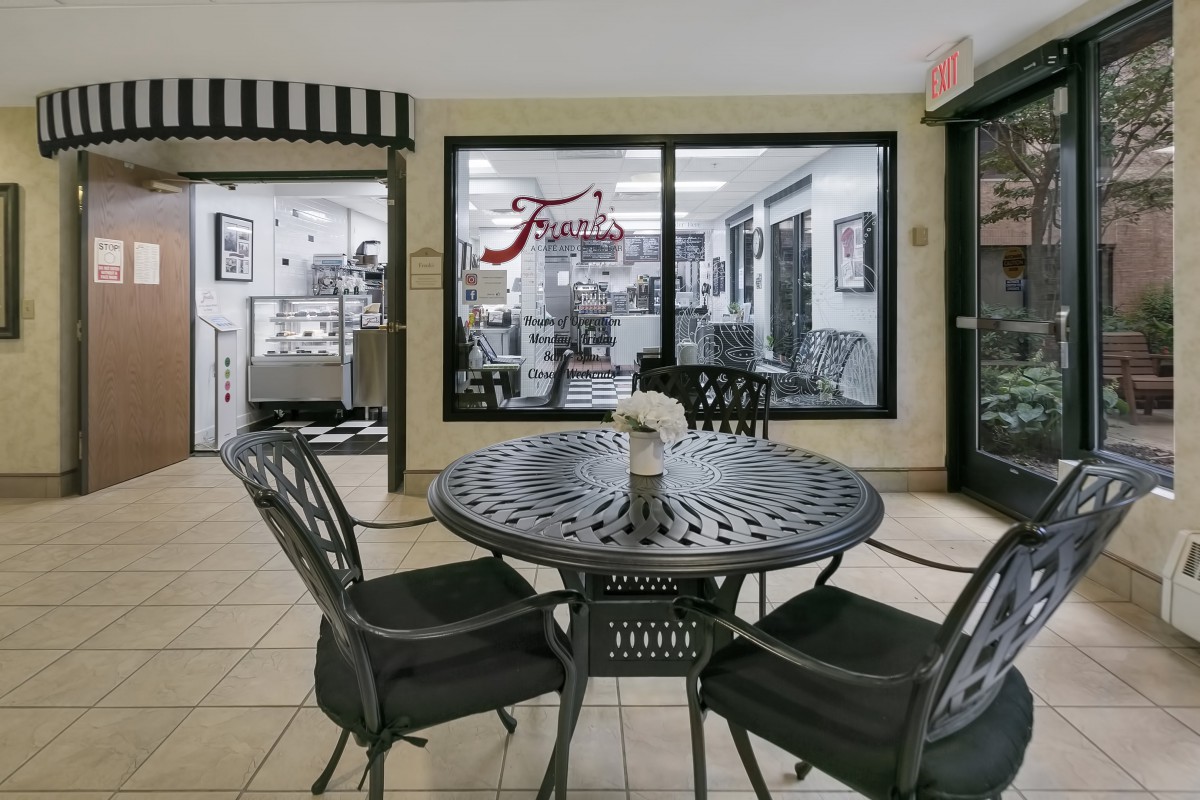
    A cozy cafe interior with a round table and chairs, situated near a window showcasing the kitchen area.
  • Natural Light

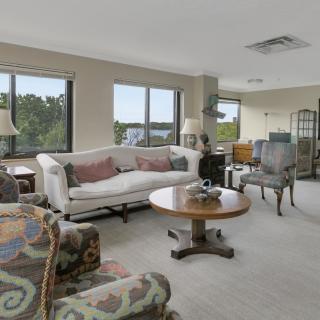
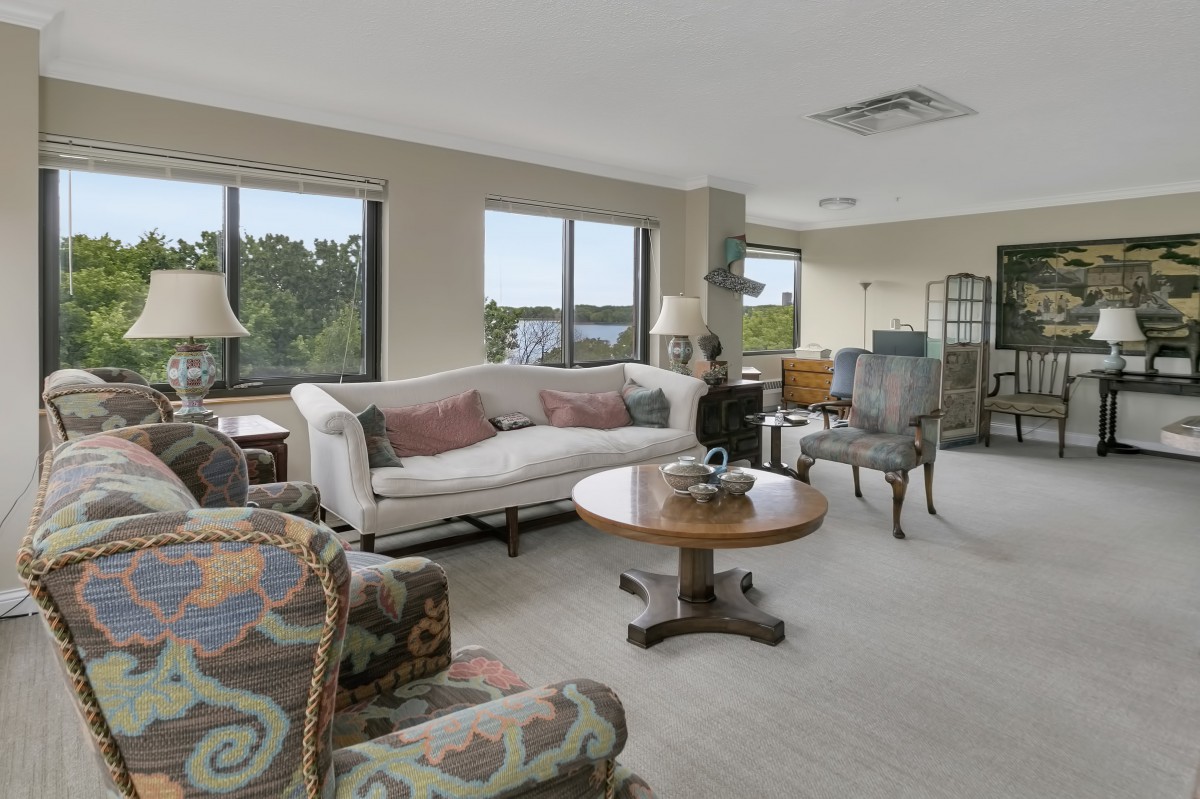
    A well-lit living room with a comfortable sofa, coffee table, and large windows.
  • Nature

    A peaceful park with a lake and an urban skyline in the background.
  • Gardening

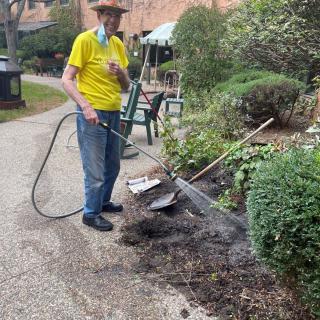
    Person watering plants in a garden setting, wearing a yellow shirt and hat.

Jones Harrison Assisted Living in Minneapolis, MN

3700 Cedar Lake Ave, Minneapolis, MN 55416

For more information about senior living options: (844) 490-3973

3.4 from 32 reviews
5 stars
15
4 stars
3
3 stars
3
2 stars
2
1 stars
9

Assisted Living Memory Care

Jones Harrison Assisted Living Costs & Pricing

At Jones Harrison Assisted Living, the monthly costs for various room types present an appealing option compared to both Hennepin County and the broader Minnesota landscape. For a studio apartment, residents can expect to pay $2,472, which significantly undercuts the county average of $3,713 and the state average of $3,617. Similarly, the one-bedroom unit is priced at $3,646 - slightly above Hennepin County's average of $3,550 but notably lower than Minnesota's average of $2,893. However, it is in the two-bedroom category where Jones Harrison stands out the most; at $6,247 per month, this cost greatly exceeds both local and state averages of $3,848 and $2,955 respectively. Overall, while some room types may align closely with market rates or exceed them slightly in certain categories - particularly for larger accommodations - Jones Harrison offers competitive pricing that could cater well to individuals seeking affordability without sacrificing quality care.

Floor plansJones Harrison Assisted LivingHennepin CountyMinnesota
Studio$2,472$3,713$3,617
1 Bedroom$3,646$3,550$2,893
2 Bedrooms$6,247$3,848$2,955

Overall Review of Jones Harrison Assisted Living

Pros

  • pro The staff are exceptional and genuinely caring, with years of experience.
  • pro The facility is wonderful, with excellent, caring staff.
  • pro Jones Harrison has provided exceptional and compassionate care to residents over the years.
  • pro The team goes over and beyond, combining skill with big hearts.
  • pro Families feel lucky to have Jones Harrison, a rare and highly regarded facility.
  • pro The staff provide meaningful, one-on-one time and engaging activities that make residents feel at home.
  • pro The leadership and staff collaborate with families to provide outstanding service, with regular updates.

Cons

  • pro The assistant administrator, Susan Brooks, failed to return calls for weeks, which was unprofessional and rude.
  • pro Access to staff by phone is extremely difficult, with the front desk often not answering.
  • pro Call lights were left on for 45 minutes or more with no staff attending.
  • pro The assistants were described as the laziest people on earth and utterly useless.
  • pro Residents were left unattended during transfers and at risk of falls.
  • pro The food was rancid or inedible, leading to weight loss and distress.
  • pro Supervisors hung up on family members and were rude and unprofessional.
  • pro Discharge decisions were unsafe and poorly coordinated, leaving patients in unsafe situations.
  • pro The facility was called a "house of horrors" with little empathy for elders, and many reviewers advised against sending loved ones there.
  • pro Some reviewers reported patients were left sitting on the toilet for long periods and not helped promptly.

Review

Jones Harrison Assisted Living in Minneapolis is best suited for families that prioritize deeply personal, relationship-driven care delivered by seasoned frontline staff, especially for residents with memory impairment who benefit from long-tenured caregivers who truly know their routines and preferences. The community's core strength is the care team on the floor: experienced nurses and aides who bring genuine warmth and steady, one-on-one attention to residents. For families seeking a warm, home-like atmosphere where staff feel like an extended family, Jones Harrison delivers. Those needing consistently flawless management responsiveness, top-tier discharge planning, and 24/7 administrative clarity may want to consider alternatives that place greater emphasis on centralized oversight and predictable communication.

The strongest positive thread across reviews is the caregiving staff itself. Families repeatedly highlight caring, compassionate employees who invest time with residents and treat them as individuals with meaningful lives. Low turnover in many shifts allows staff to build familiarity, which translates into reliable routines and deeper trust. The facility is described as clean, with a welcoming atmosphere, and activities are designed to be engaging and personally meaningful. For residents with memory needs, the consistency of familiar faces and the chance for regular, intimate interaction can feel like a steadying force during challenging days.

Yet, the caveats are real and should be weighed carefully. Management communication gaps recur in a way that can undermine otherwise solid care, including difficulty reaching the front desk or specific administrators. Several families report delayed or absent responses to concerns, with instances of calls not being returned and questions left unresolved. Discharge planning and aftercare coordination come under particular scrutiny, with memories of residents being discharged or placed in independent living without clear safety nets prompting serious questions. These issues do not negate the everyday kindness of frontline staff, but they do erode confidence in administrative reliability when problems arise.

The pros and cons do not exist in a vacuum; they interact in practice. When communication between families and the care team is strong, the proven bedside manner and daily attentiveness of staff can offset concerns about non-urgent management gaps. The homey environment, coupled with real-time, person-centered engagement, often makes Jones Harrison feel like a sanctuary for residents who thrive on routine and warmth. Families also note that the memory-care milieu benefits from staff who invest in meaningful activities and personal connections, reinforcing a sense of belonging that can be hard to find in larger, impersonal settings.

However, several red flags demand close scrutiny before choosing Jones Harrison for a loved one who requires high-stakes oversight. Reports of delayed medication administration, inconsistent adherence to care plans, and episodes of resident distress due to slow response times cannot be dismissed. There are also disturbing anecdotes about patients left without assistance for extended periods, with families forced to intervene to ensure basic needs are met. Discharge decisions that appear rushed or inadequately coordinated leave families worrying about post-acute safety and continuity of care. For families navigating complex medical needs or highly specific rehab goals, these gaps may tilt the balance toward facilities with firmer, more consistent protocols.

The practical path forward is clear. Prospective families should press for concrete, measurable assurances: request contact protocols and escalation paths with the care director; obtain a current, written care plan for the loved one; verify exact response times for call lights; demand transparent, scheduled communication with social work about admissions, discharges, and transitions; and tour the facility with a critical eye on how therapy and nursing services are coordinated. Ask about unit-specific leadership, whether language supports are available, and how care plans are monitored and updated. If the facility can demonstrate reliable administrative follow-through and a robust system for safety and medication management, Jones Harrison becomes a compelling option for families who prize compassionate caregiving and a strong resident?staff bond. If not, consider alternatives that prioritize administrative predictability and tighter oversight while preserving the high-touch care on the front lines.

Features

Types of Care

  • Assisted Living Assisted LivingAssisted living facilities provide crucial support and care for seniors who may need help with daily tasks such as medication management, bathing, and meal preparation. These communities offer a safe and comfortable environment where seniors can maintain their independence while receiving the assistance they need to thrive in their golden years.
  • Memory Care Memory CareMemory care is crucial for seniors as it provides specialized support and services for individuals with dementia or Alzheimer's disease. These programs offer a safe and secure environment where residents receive personalized care, cognitive stimulation, and help with daily activities. Memory care helps seniors maintain their independence, quality of life, and dignity while also providing peace of mind for their families.

Pets

  • Cats allowed Cats allowed"Pet friendly" senior living communities are important for seniors because pets provide companionship, reduce feelings of loneliness and depression, promote physical activity and mental stimulation, and offer a sense of purpose and responsibility. Pets can improve overall well-being and quality of life for seniors in many ways.
  • Dogs allowed Dogs allowed"Pet friendly" senior living communities are important for seniors because pets provide companionship, reduce feelings of loneliness and depression, promote physical activity and mental stimulation, and offer a sense of purpose and responsibility. Pets can improve overall well-being and quality of life for seniors in many ways.

Amenities

  • Activities off-site Activities off-siteEngaging in off-site activities is crucial for seniors to maintain social connections, stay active, and stimulate their minds. It promotes overall well-being and helps combat feelings of isolation and loneliness.
  • Activities on-site Activities on-siteActivities on-site are important for seniors because they provide opportunities for socialization, mental stimulation, physical activity, and overall well-being. Engaging in activities can help seniors stay active, maintain their independence, and improve their quality of life.
  • Air-conditioning Air-conditioningAir conditioning is important for seniors as they are more vulnerable to heat-related illnesses and may have underlying health conditions that make it difficult for them to regulate their body temperature. It helps to keep them comfortable, safe, and healthy in hot weather.
  • Beautician on-site Beautician on-siteHaving a beautician on-site at a senior living community is important for seniors as it allows them to easily access grooming and personal care services, boosting their self-esteem and overall well-being. It also provides convenience and helps seniors maintain their sense of independence and personal style.
  • Cable or satellite TV Cable or satellite TVCable or satellite TV is important for seniors because it provides entertainment, news, and companionship, helping to combat loneliness and boredom. It also offers a wide range of programming options tailored to different interests and preferences.
  • Devotional services on-site Devotional services on-siteDevotional services on-site provide seniors with spiritual support and a sense of community, as well as an opportunity for reflection and guidance during their senior living experience. This can promote emotional well-being and connection to others, leading to a more fulfilling and enriching lifestyle in their later years.
  • Full kitchen Full kitchenHaving a full kitchen in a senior living facility is important for seniors because it allows them to maintain their independence and prepare their own meals. This promotes healthy eating habits, saves money on dining out, and provides a sense of familiarity and comfort for residents.
  • Ground floor units Ground floor unitsGround floor units are important for seniors because they provide easy accessibility, reduced risk of falls and injuries, and convenience for those with mobility issues. Seniors can avoid climbing stairs or using elevators, making daily tasks and activities more manageable and enjoyable.
  • Handicap accessible Handicap accessible"Handicap accessible" amenities are crucial for seniors to ensure they can easily navigate and access facilities, services, and activities without barriers or limitations due to physical impairments. This promotes independence, safety, and inclusivity for seniors in senior living communities.
  • Indoor common areas Indoor common areasIndoor common areas are crucial for seniors as they provide a space for socialization, recreation, and community engagement, promoting overall well-being and reducing feelings of isolation and loneliness.
  • Kitchenette KitchenetteKitchenettes are important for seniors living in senior living communities because they provide the convenience and independence of being able to prepare simple meals and snacks in the comfort of their own living space. This can help promote a sense of autonomy and well-being for seniors, allowing them to maintain some level of control over their dietary choices and daily routines.
  • Outdoor common areas Outdoor common areasOutdoor common areas are important for seniors as they provide a space for socialization, physical activity, and relaxation. Being outside in nature can improve mood and overall well-being, while also encouraging movement and engagement with others. These spaces can help combat feelings of isolation and promote a sense of community among residents.
  • Swimming pool / hot tub Swimming pool / hot tubSwimming pools and hot tubs are important for seniors as they provide a safe and enjoyable way to stay active, improve mobility, reduce joint pain, and promote relaxation. Regular use of these amenities can contribute to overall well-being and quality of life for older adults living in senior communities.
  • Wheelchair accessible showers Wheelchair accessible showersWheelchair accessible showers are crucial for seniors as they provide a safe and independent bathing option for those with mobility challenges. These showers help prevent falls and allow seniors to maintain their dignity and autonomy while ensuring they can bathe comfortably.
  • Wi-Fi/high-speed internet available Wi-Fi/high-speed internet availableWi-Fi/high-speed internet is important for seniors to stay connected with loved ones, access online resources, and participate in virtual activities to combat feelings of loneliness and isolation. It also allows them to easily manage healthcare needs, access entertainment, and engage in lifelong learning opportunities.

Transportation

  • Minneapolis-St Paul International (7 miles away) Minneapolis-St Paul International (7 miles away)

Care Services

  • Ambulatory care Ambulatory care"Ambulatory care services provide essential medical support and treatment to seniors without requiring hospitalization, allowing them to maintain their independence and quality of life while managing chronic conditions or receiving routine medical care."
  • Diabetic care Diabetic careDiabetic care is crucial for seniors as they are more susceptible to developing diabetes due to aging and other health conditions. Proper management of diabetes can help prevent complications such as heart disease, vision loss, and nerve damage, improving the overall quality of life for seniors in senior living communities.
  • High acuity care High acuity careHigh acuity care is important for seniors because it provides specialized medical attention and support for individuals with complex medical needs. This level of care ensures that seniors receive the appropriate treatment and assistance to maintain their health and quality of life as they age.
  • Incontinence care Incontinence careIncontinence care is essential for seniors to maintain their dignity, hygiene, and overall quality of life. By addressing incontinence issues promptly and effectively, seniors can enjoy a sense of independence and comfort in their daily activities.
  • Medication management Medication managementMedication management is crucial for seniors to ensure they are taking the right medications at the correct dosages and times. This helps prevent adverse drug interactions, reduces the risk of medication errors, and promotes overall health and well-being. Proactive management also allows for adjustments as needed based on changing health conditions or new prescriptions.

Dining

  • Guest meals Guest mealsGuest meals are important for seniors living in senior living communities because they provide an opportunity for socialization and companionship. Sharing a meal with friends, family, or new acquaintances can help combat feelings of loneliness and isolation, promote a sense of community, and enhance overall well-being. Additionally, guest meals allow seniors to enjoy delicious food in a comfortable setting without the hassle of cooking or cleaning up, making dining a pleasurable and stress-free experience.
  • Meals provided Meals provided"Meals provided" are crucial for seniors in assisted living communities as it ensures they have access to nutritious, balanced meals without the stress of meal planning and preparation. This can help promote overall health and well-being for seniors who may have limited mobility or cognitive abilities.
  • Professional chef Professional chefProfessional chefs are important for seniors living in senior living communities because they provide nutritious and delicious meals that cater to their dietary needs and preferences. A professional chef can ensure that seniors are receiving balanced, flavorful meals that support their overall health and well-being.
  • Restaurant style dining Restaurant style diningRestaurant style dining is important for seniors as it offers them a social and enjoyable dining experience, promotes healthy eating habits, and provides personalized menu options to cater to their dietary needs and preferences. This type of dining setting can enhance their overall quality of life and create a sense of community within the senior living facility.
  • Room service Room serviceRoom service is important for seniors in a senior living community because it provides convenience and allows them to have their meals delivered directly to their room. This can be especially beneficial for seniors who may have mobility issues or difficulty accessing the dining area. Room service ensures that seniors are able to receive nutritious meals without having to navigate through the facility, allowing them to maintain their independence and overall well-being.
  • Vegetarian VegetarianA vegetarian diet is important for seniors because it can help lower the risk of chronic diseases, maintain a healthy weight, and provide essential nutrients needed for aging bodies. Additionally, plant-based diets are often easier on digestive systems and can contribute to overall well-being in older adults.

Activities

  • Art classes Art classesArt classes are important for seniors because they provide a creative outlet, improve cognitive function, reduce stress and anxiety, promote socialization, and enhance overall well-being and quality of life.
  • Catholic services Catholic servicesCatholic services are important for seniors because they provide spiritual support, a sense of community, and opportunities for social interaction that can enhance overall well-being and quality of life in their later years.
  • Cooking classes Cooking classesCooking classes are important for seniors as they provide opportunities for social interaction, enhance cognitive skills, promote healthy eating habits, and boost confidence in the kitchen.
  • Day trips and outings Day trips and outingsDay trips and outings are important for seniors as they provide opportunities for socialization, mental stimulation, physical activity, and a break from daily routines. These experiences can enhance overall well-being and quality of life for older adults living in senior communities.
  • Devotional activities on-site Devotional activities on-siteDevotional activities on-site provide seniors with a sense of community, spiritual fulfillment, and emotional support, promoting overall well-being and a positive sense of purpose in their lives.
  • Educational speakers / life long learning Educational speakers / life long learningEducational speakers and lifelong learning opportunities are crucial for seniors as they provide mental stimulation, promote social engagement, and contribute to overall well-being. Continuous learning helps seniors stay mentally sharp, build new skills, and maintain a sense of purpose and fulfillment in their lives. It also allows them to stay connected to the world around them and fosters a sense of community within senior living facilities.
  • Happy hour Happy hourHappy hour is important for seniors as it provides a social activity that promotes camaraderie and reduces feelings of loneliness or isolation. It also offers an opportunity for older adults to relax, unwind, and enjoy some drinks or snacks in a fun and welcoming atmosphere.
  • Jewish services Jewish servicesJewish services are important for seniors as they provide a sense of community, spiritual support, and connection to their heritage and traditions. These services help enhance overall well-being and quality of life for older adults in senior living settings.
  • Live dance or theater performances Live dance or theater performancesLive dance or theater performances are important for seniors because they provide opportunities for socialization, mental stimulation, and emotional engagement. These performances can help combat feelings of isolation and loneliness, while also offering a sense of connection to the arts and culture. Additionally, watching live performances can bring joy and create lasting memories for seniors in their later years.
  • Live musical performances Live musical performancesLive musical performances can provide seniors with a sense of joy, nostalgia, and connection. Music has the power to evoke emotions and memories, improve mood and cognitive function, and foster social interaction among seniors. It can also serve as a form of therapy and stress relief for older adults, making it an important activity to include in senior living communities.
  • Other religious services Other religious servicesOther religious services are important for seniors as they provide a sense of community, spiritual comfort, and opportunities for socializing. These services can help seniors feel connected to their faith and maintain a sense of purpose and belonging in their later years.
  • Wine tasting Wine tastingWine tasting can be a fun and social activity for seniors, allowing them to engage their senses, learn about different varieties of wine, and potentially meet new friends. It also offers health benefits such as improved cognitive function and reduced risk of heart disease when consumed in moderation.

Description

Jones Harrison Assisted Living in Minneapolis, MN is a premier assisted living community that specializes in memory care. Our dedicated team of caregivers provides personalized care for individuals with varying levels of memory loss, ensuring their safety and promoting their well-being.

At Jones Harrison, we offer a wide range of amenities to enhance the lives of our residents. Our on-site activities provide plenty of opportunities for social engagement and entertainment. Residents can enjoy our air-conditioned indoor common areas or take advantage of the outdoor spaces for relaxation and fresh air. We also have a swimming pool and hot tub for those who enjoy aquatic activities. Our community is fully accessible for individuals with mobility challenges, featuring ground floor units and wheelchair-accessible showers.

Residents at Jones Harrison benefit from our comprehensive care services. We provide specialized diabetic care and high acuity care to address specific health needs. Our trained staff also offers compassionate incontinence care and medication management to ensure the well-being of each resident.

Dining at Jones Harrison is a delightful experience. Meals are provided by our professional chef, crafted with quality ingredients to meet residents' dietary requirements and preferences. The restaurant-style dining allows residents to savor delicious meals with the option for room service or vegetarian choices.

Engaging in various activities promotes an active and enriched lifestyle at Jones Harrison. We offer Catholic services, Jewish services, and other religious activities on-site to cater to diverse spiritual needs within our community. Residents can participate in cooking classes, educational speakers/life-long learning sessions, live dance or theater performances, wine tasting events, happy hour gatherings, and day trips/outings.

Conveniently located near numerous amenities, Jones Harrison ensures easy access to essential services within the community. With cafes, parks, pharmacies, physicians' offices, restaurants, places of worship nearby along with hospitals within a short distance, residents have everything they need within reach.

At Jones Harrison Assisted Living in Minneapolis, MN, we strive to create a warm and caring environment where residents can maintain their independence while receiving the support they need.

Nearby Places of Interest

This area of Minneapolis, Minnesota, offers a variety of amenities that cater to senior living. With a range of restaurants within close proximity, there are plenty of dining options for convenience. Additionally, there are several pharmacies nearby for easy access to medication and healthcare needs. The abundance of parks in the area provides ample opportunities for outdoor recreation and exercise. Furthermore, there are reputable physicians and hospitals in the vicinity, ensuring quality medical care when needed. Places of worship and theaters are also easily accessible, offering opportunities for spiritual fulfillment and entertainment. Overall, this part of Minneapolis provides a well-rounded environment that is conducive to a comfortable and fulfilling senior living experience.

Restaurants

  • Yum (0.4 miles)
  • ShowPlace ICON Theater (1.4 miles)
  • Hazelwood Food & Drink - St Louis Park (1.4 miles)
  • Chipotle Mexican Grill (1.4 miles)
  • McDonald's (1.8 miles)
  • Mortimer's (2 miles)
  • Taco Bell (2.2 miles)

Pharmacies

  • Walgreens (0.4 miles)
  • Walgreens (1.4 miles)
  • CVS Pharmacy (1.6 miles)
  • CVS Pharmacy (1.7 miles)
  • Walgreens (2.2 miles)
  • CVS Pharmacy (2.5 miles)
  • Walgreens (2.8 miles)

Parks

  • Dakota Dog Park (1.6 miles)
  • Loring Park (2.4 miles)
  • Aquila Park (3 miles)
  • Gateway Dog Park - Off-Leash Play Area (3 miles)
  • North Loop Dog Park (3.3 miles)
  • Mill Ruins Park (3.8 miles)
  • Boom Island Park (3.9 miles)

Cafes

  • Spyhouse Coffee (1.6 miles)
  • Jinx Tea (2.3 miles)
  • Dunn Brothers Coffee (2.3 miles)
  • Angel Food Bakery & Coffee Bar (2.7 miles)

Physicians

  • Whittier Clinic (2.4 miles)
  • Fairview Southdale Physicians Building (4.7 miles)
  • Twin Cities Orthopedics Edina - Crosstown (4.7 miles)
  • University of Minnesota Physicians Heart at Fairview Southdale Hospital (4.7 miles)
  • CCRM Fertility of Minneapolis (4.8 miles)
  • Southwest Dermatology Specialist (5.3 miles)

Hospitals

  • Park Nicollet Methodist Hospital (2.4 miles)
  • Regency Hospital (2.7 miles)
  • Csc Gi Lab (3.3 miles)
  • Hennepin County Medical Center (3.4 miles)
  • Fairview Southdale Hospital (4.7 miles)
  • University of Minnesota Medical Center - East Bank Campus (4.8 miles)

Places of Worship

  • Westminster Presbyterian Church (2.8 miles)
  • Shepherd of the Hills Lutheran Church (3.9 miles)
  • Elim Church Center (5.1 miles)

Theaters

  • 0705 Amc Southdale 16 (5.2 miles)

Frequently Asked Questions

How much does it cost to live at Jones Harrison Assisted Living in Minneapolis, MN?
Where is Jones Harrison Assisted Living?
Does Jones Harrison Assisted Living provide care for residents with dementia or Alzheimer's disease?
Does Jones Harrison Assisted Living allow residents to have pets?
What photos are available for Jones Harrison Assisted Living in Minneapolis, Minnesota?

Nearby Communities

  • H & H Group Home

    H & H Group Home

    Minneapolis, MN


    pro Small 21-bed community with 24/7 supervision and diabetes-friendly, restaurant-style dining.
  • Living Life Home Care

    Living Life Home Care

    St. Louis Park, MN

    5 from 9 reviews
     

    pro Excellent access to dining, parks, pharmacies, and medical facilities nearby.

  • Ally Group Homes

    Ally Group Homes

    St Louis Park, MN

    5 from 1 review
     

    pro Fully furnished homes with 24-hour supervision, medication management, diabetes-friendly meals, restaurant-style dining, and engaging activities in an intimate 21-bed community.

  • Menorah Plaza Apartments

    Menorah Plaza Apartments

    St. Louis Park, MN

    3.8 from 50 reviews
     

    pro Strong, attentive staff with diverse medical services and active programming.

  • Adult Help and Companion Care Inc.

    Adult Help and Companion Care Inc.

    St. Louis Park, MN

    5 from 1 review
     

    pro Compassionate, dedicated staff providing comprehensive assisted living support.

  • Golden Bright Homes

    Golden Bright Homes

    St. Louis Park, MN


    pro Comprehensive care and versatile amenities in a peaceful setting

  • Global Pointe Senior Living

    Global Pointe Senior Living

    Golden Valley, MN

    4.4 from 53 reviews
    $2,335 to $3,995 / month

    pro Beautiful, clean facility with friendly staff and a vibrant activity calendar.

  • Towerlight Senior Living

    Towerlight Senior Living

    Saint Louis Park, MN

    4.7 from 85 reviews
    $3,435 to $4,715 / month

    pro Friendly staff with strong resident relationships and an engaging intergenerational program in a well-maintained setting.

  • Aldrich Boarding Care Home

    Aldrich Boarding Care Home

    Minneapolis, MN


    pro Warm, inviting community with extensive nearby amenities (parks, dining, healthcare, culture).

Related Resources

  • memory care activitiesEngaging Memory Care Activities That Enhance Quality of Life

    Memory care activities are essential for improving the quality of life of seniors with cognitive impairments, as they stimulate cognitive function, promote well-being, and encourage social interaction through tailored strategies. These activities combine structured exercises with spontaneous tasks, sensory engagement, physical workouts, creative pursuits, and intergenerational interactions to enhance emotional connection and a sense of purpose.

  • when to move from assisted living to memory careWhen to Transition from Assisted Living to Memory Care: Key Indicators, Steps, and Finding the Right Community

    Transitioning from assisted living to memory care is driven by an individual's cognitive decline and specific needs, requiring careful evaluation of indicators like increased confusion and wandering. The process involves consulting medical professionals, researching suitable communities, considering financial and legal aspects, and ensuring effective communication for personalized care plans.

  • assisted living vs memory careUnderstanding the Distinctions: Assisted Living and Memory Care Explained
    The article differentiates between assisted living and memory care, explaining that assisted living supports seniors with daily activities while promoting independence, whereas memory care provides specialized services for individuals with dementia, focusing on secure environments and cognitive support. It also addresses staff training, safety considerations, costs, family involvement, and transition strategies for families navigating these care options.