
4140 Dight Ave S, Minneapolis, MN 55406
To contact a resident: (612) 808-8930
For more information about senior living options: (866) 208-4318
Hiawatha Suites Senior Living Costs & Pricing
Hiawatha Suites Senior Living offers a studio room at a monthly rate of $4,000, which is slightly higher than the average costs for similar accommodations in Hennepin County and throughout Minnesota. In Hennepin County, the average cost for a studio is approximately $3,713, while the statewide average stands at around $3,617. This positioning suggests that Hiawatha Suites may provide unique value or enhanced services that justify the premium price. Prospective residents and their families might find that the additional investment reflects superior amenities or personalized care options available at this facility.
| Floor plans | Hiawatha Suites Senior Living | Hennepin County | Minnesota |
|---|---|---|---|
| Studio | $4,000 | $3,713 | $3,617 |
Memory care communities with a similar price nearby
-
from -$660 / mo
The Fountains at Hosanna
$3,340 to $4,440 / month15.0 miles away -
from +$295 / mo
Keystone Place at LaValle Fields
$4,295 to $5,695 / month19.5 miles away -
from -$220 / mo
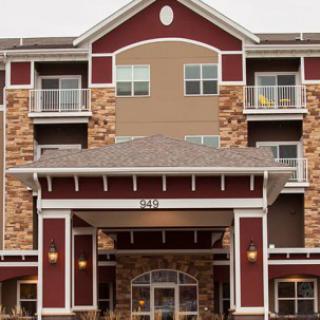
Lilydale Senior Living
$3,780 / month4.5 miles away -
from -$500 / mo

Atlas Villas Memory Care
$3,500 / month20.8 miles away -
from -$345 / mo
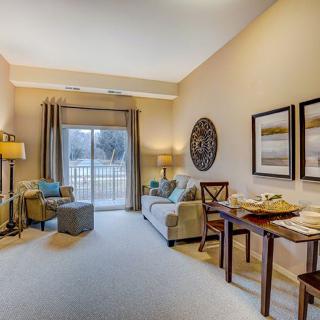
Gable Pines
$3,655 to $4,535 / month12.0 miles away
Overall Review of Hiawatha Suites Senior Living
Pros
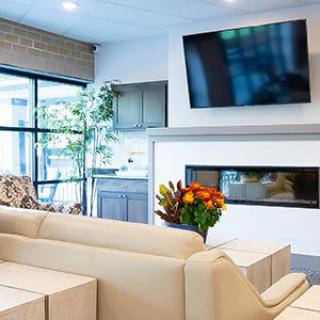
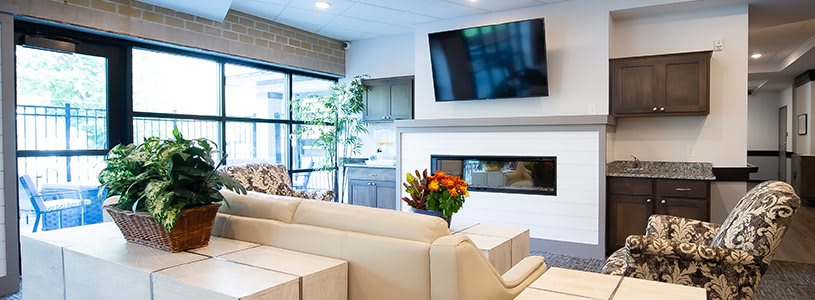
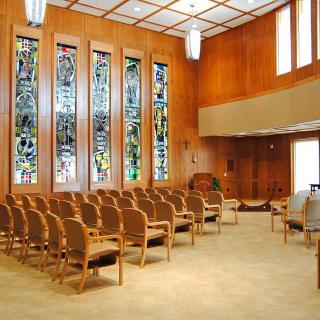
 Hiawatha Suites Senior Living is a clean, modern building with a cozy common space and lots of big windows.
- The staff are dedicated and wholeheartedly care for the residents.
- It is a close-knit community that offers 24-hour care.
- They serve a wonderful variety of foods.
- Hiawatha Suites is a hidden gem waiting to be discovered.
- The staff treat the residents with respect and make them feel comfortable.
- Hiawatha Suites is a professional, transparent, honest, and caring family community.
- The director, Tanya, is the best assisted living director.
Cons
 They would advise others to find another community because they fear for their loved one’s life there.
- They note staffing issues and say there is no memory care unit and no staff to care for residents.
- They report there have been many incidents due to lack of care.
Review
Hiawatha Suites Senior Living in Minneapolis is best suited for families seeking a modern, intimate assisted-living environment where residents receive steady, respectful care and a strong sense of daily community. The building’s light-filled public spaces and comfortable common areas support regular social engagement, while a consistent emphasis on resident dignity and individualized attention helps make everyday life predictable and reassuring. The staff’s 24-hour presence, coupled with a leadership team that appears accessible and knowledgeable, gives families a sense of reliable support as they navigate transitions, meals, activities, and routine care.
Still, prospective residents should explicitly consider alternatives if memory-care needs are central. One review flagged staffing gaps and the absence of a dedicated memory-care unit, suggesting that care could be inconsistent in moments of higher need. The broader set of experiences is overwhelmingly positive, but the memory-care question remains critical for some families. Before deciding, verify current memory-care capabilities, staffing levels by shift, and how the facility would handle escalating memory-related demands. For seniors who require a secure, dedicated memory-care environment, exploring communities with established memory-care units may be prudent.
On balance, the key pros here tend to offset the main concerns for a wide range of cases. The facility looks clean and modern, with windows that improve the feeling of openness and a layout that supports easy movement. Caregivers are repeatedly described as kind, patient, and consistent, and families note that staff members aim to go above and beyond. The director, Tanya, consistently surfaces as a standout resource, visible, responsive, and able to help families navigate questions and transitions. The emphasis on nourishment, social participation, and celebration routines reinforces a supportive atmosphere where residents stay engaged and connected.
The most salient caution relates to the memory-care question. The lone critical review serves as a reminder that staffing levels and unit availability matter as care needs evolve. This risk is not the universal experience in all feedback, but it is a real factor to validate during due diligence. Prospective families should insist on a concrete plan for memory support, including staffing coverage during nights and weekends, clear protocols for incident handling, and a tour of any memory-care spaces or adjacent units if they exist. Without this clarity, the positive day-to-day culture could be offset by gaps in specialized care when memory needs intensify.
For decision-making, ground the evaluation in concrete, visit-based checks. Ask about licensed-staff presence around the clock and request current caregiver-to-resident ratios by shift. Review how care plans are created, updated, and communicated to families, and probe the specifics of memory care if applicable: unit availability, staff training in cognitive support, and scheduled programming for residents with memory impairment. Schedule time to meet the director in a formal setting, and spend a stretch observing staff interactions with residents during a meal and during activities. Seek candid feedback from current families to corroborate the consistently positive feedback that elevates the community above many peers.
In summary, Hiawatha Suites Senior Living stands out for families prioritizing dignity, strong leadership, and a bright, engaging environment where staff are present and responsive. It works best for seniors who do not require a dedicated memory-care unit or who can live comfortably within a memory-care plan that is fully specified and operational. For memory-care heavy needs or where guaranteed unit capacity and staffing stability are non-negotiable, alternatives should be compared with a careful eye on staffing reliability and program specificity. When due diligence is thorough and a clear memory-care path is established, this community offers practical, compassionate care supported by an experienced team and a genuinely caring culture.
 Assisted Living
 Memory Care
 Activities on-site
 Beautician on-site
 Devotional services on-site
 Indoor common areas
 Outdoor common areas
 Respite or short term stays offered
 Wheelchair accessible showers
 Minneapolis-St Paul International (3 miles away)
 Ambulatory care
 Diabetic care
 Incontinence care
 Medication management
 Gluten-free

 Understanding Dementia Behaviors: Practical Insights and Strategies for Caregivers
 When Dementia Sparks Anger and Aggression: Understanding the Connection and Ways to Cope
 Dementia Behaviors: In-Depth Understanding and Effective Coping Strategies