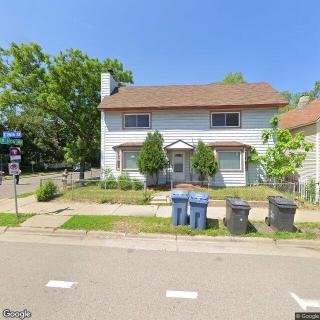
Heliopolis Home Healthcare II in Minneapolis, MN

1610 East 26Th Street, Minneapolis, MN 55404

For more information about senior living options: (844) 490-3973

4.9 from 7 reviews
5 stars
6
4 stars
1
3 stars
0
2 stars
0
1 stars
0

Assisted Living

Overall Review of Heliopolis Home Healthcare II

Pros

  • pro The agency provides the best care and its staff are very supportive.
  • pro The residential care is a fantastic place dedicated to delivering the highest quality of service to people with disabilities.
  • pro The admin team is tremendously supportive in all aspects of the job.
  • pro The staff are amazing and highly trained.
  • pro The group home has reduced family stress and works hard with residents on how things work in the home.
  • pro The staff are taking wonderful care of residents and are a blessing to families.
  • pro The management and staff are committed to residents' success and comfort.
  • pro The facility is in excellent shape and issues are addressed promptly.
  • pro The team takes time to discuss concerns and reaches solutions.
  • pro The quality of care is top notch and the staff are compassionate.
  • pro The executive director is knowledgeable and answers questions clearly.
  • pro The care provided is beyond incredible.

Cons

  • pro The reviewer felt that placing their child in a group home wasn't what they wanted.

Review

This community is best suited for families seeking a residential, group?home style setting for adults with disabilities who need steady daily support, predictable routines, and hands?on caregiving. Heliopolis Home Healthcare II earns strong affirmation for a staff ethos that is consistently supportive and genuinely attentive, with administration that partners with families to address concerns promptly. The care teams are described as highly trained and devoted, creating an environment where residents receive ongoing supervision, structured activities, and proactive behavior management. For families navigating autism or other developmental challenges, the setting appears to offer the calm, predictable atmosphere that translates into fewer daily crises and greater peace of mind.

Those who should consider alternatives are clear: if medical acuity, round?the?clock skilled nursing, or highly private, hospital?grade amenities are essential, a different option may be a better fit. Similarly, if independence and self?direction are top priorities, or if a resident requires extensive memory care services in a more clinical setting, traditional assisted living with memory care, or a skilled nursing facility, could better align with those goals. For families seeking more discreet or apartment?style living, or for residents who do not require group?home supervision, other models may offer the preferred level of privacy and autonomy. In short, this community excels in a niche that prioritizes coordinated, compassionate group?home care rather than high?end private accommodations or advanced medical services.

The core strengths - exceptional staff, well?trained caregivers, and a responsive administrative team - translate into tangible advantages that often offset the limited breadth of services typical of a group?home model. Families repeatedly note reactions that feel less like care and more like partnership: staff who understand residents' needs, administrators who listen, and a care culture that handles issues quickly and with clear communication. The result is reliable day?to?day stability, consistent routines, and robust support for families trying to navigate complex needs. While the model may not offer advanced medical tech or hospital?level oversight, the proven reliability of staffing and the emphasis on collaborative problem?solving create a strong counterbalance to those omissions.

Leadership also stands out as a practical asset. The executive director is described as knowledgeable and accessible, with a team that stays on top of concerns and follows through on commitments. This level of leadership translates into measurable benefits: fewer surprises, more transparent care planning, and a willingness to adjust approaches when a resident's needs evolve. Families should, in turn, probe how the care plan is developed and updated, how often progress is reviewed, and who communicates changes. In addition, the culture of partnership suggests a facility where family input is welcomed and integrated into daily routines, rather than treated as an afterthought.

In terms of outcomes, the message is consistent: high satisfaction, reduced caregiver stress, and a sense that residents are cared for as individuals within a supportive community. The reviews describe calmer days for residents and meaningful progress in managing challenging behaviors, particularly for those on the autism spectrum, thanks to attentive supervision and structured support. The trade?offs - less emphasis on private rooms or medical complexity - are outweighed by the security of knowing a skilled, compassionate team is watching over daily functioning, with issues resolved in a timely, collaborative manner. For many families this combination provides the clarity and reassurance that is often hard to find elsewhere.

To move from consideration to admission, schedule a firsthand visit and observe the daily interactions among staff, residents, and family members. Ask to meet the executive director and the primary care team, request a sample care plan and a typical daily schedule, and inquire about staffing ratios, autism?specific training, and how transitions are managed when needs change. Ensure alignment with the resident's goals, preferred routines, and required level of supervision. If those elements line up and the priority is a trusted, highly responsive group?home environment, this community stands out as a practical, effective choice. If not, the search should continue toward options that emphasize greater medical complexity, independence, or specialized memory?care services.

Features

Housing

  • 4 resident community capacity 4 resident community capacity

Types of Care

  • Assisted Living Assisted LivingAssisted living facilities provide crucial support and care for seniors who may need help with daily tasks such as medication management, bathing, and meal preparation. These communities offer a safe and comfortable environment where seniors can maintain their independence while receiving the assistance they need to thrive in their golden years.

Amenities

  • Cable or satellite TV Cable or satellite TVCable or satellite TV is important for seniors because it provides entertainment, news, and companionship, helping to combat loneliness and boredom. It also offers a wide range of programming options tailored to different interests and preferences.
  • Dining room Dining roomDining rooms are important for seniors as they provide a space for socialization, connection, and nutritious meals. They offer opportunities for residents to bond over shared meals, foster a sense of community, and promote healthy eating habits. Dining rooms also ensure that seniors have access to well-balanced meals tailored to their dietary needs and preferences.
  • Fully furnished Fully furnishedFully furnished senior living communities are important for seniors because they provide convenience, comfort, and a hassle-free moving experience. Seniors can easily settle into their new living space without the stress of having to buy and move furniture. This allows them to focus on enjoying their new home and community.
  • Garden GardenGardens are important for seniors as they provide a peaceful and therapeutic environment for relaxation, physical activity, and socialization. Being in nature has been shown to reduce stress, improve mood, and promote overall well-being. Gardens also offer opportunities for seniors to engage in gardening activities, which can improve mobility, flexibility, and cognitive function. Additionally, gardens create a sense of community and connection with others who share a passion for plants and outdoor spaces.
  • Housekeeping services Housekeeping servicesHousekeeping services are important for seniors because they help maintain a clean and safe living environment, promote independence, and reduce the risk of accidents or illnesses. Additionally, having assistance with household chores can alleviate physical strain and allow seniors to focus on other aspects of their well-being.
  • Move-in coordination Move-in coordinationMove-in coordination is important for seniors because it helps ease the transition into their new living environment. It ensures that all logistics, such as packing, organizing movers, and setting up utilities are taken care of, allowing seniors to focus on settling in and adjusting to their new home. Having a smooth move-in process can alleviate stress and anxiety, making the transition smoother and more enjoyable for seniors.
  • Outdoor space Outdoor spaceOutdoor spaces are important for seniors as they provide opportunities for physical activity, social interaction, exposure to natural light and fresh air, and a sense of connection to nature. Having access to outdoor spaces can improve overall well-being and quality of life for older adults living in senior communities.
  • Telephone TelephoneTelephones are important for seniors as they provide a lifeline for communication with loved ones, emergency services, and healthcare providers. They offer a sense of security and independence, enabling seniors to stay connected and access assistance when needed.
  • Wi-Fi/high-speed internet available Wi-Fi/high-speed internet availableWi-Fi/high-speed internet is important for seniors to stay connected with loved ones, access online resources, and participate in virtual activities to combat feelings of loneliness and isolation. It also allows them to easily manage healthcare needs, access entertainment, and engage in lifelong learning opportunities.

Transportation

  • Minneapolis-St Paul International (5 miles away) Minneapolis-St Paul International (5 miles away)

Care Services

  • 24-hour supervision 24-hour supervision24-hour supervision is important for seniors to ensure their safety, well-being, and access to immediate assistance in case of emergencies or health issues. This constant support provides peace of mind for both seniors and their loved ones, allowing them to age in place with dignity and security.
  • Activities of daily living assistance Activities of daily living assistanceActivities of daily living assistance are important for seniors because they provide essential support with tasks such as eating, bathing, dressing, and mobility. This assistance helps seniors maintain their independence, dignity, and overall quality of life as they age.
  • Assistance with bathing Assistance with bathingAssistance with bathing is crucial for seniors as it helps maintain personal hygiene, prevents infections, and ensures their overall well-being and comfort. It also provides a sense of dignity and independence for seniors who may struggle with this task on their own.
  • Assistance with dressing Assistance with dressingAssistance with dressing is important for seniors because it helps maintain their independence, promotes personal hygiene, prevents accidents and injuries, and improves overall quality of life. This service ensures that seniors can continue to dress comfortably and confidently, despite any physical limitations they may have.
  • Assistance with transfers Assistance with transfersAssistance with transfers is crucial for seniors as it helps prevent falls and injuries, maintains their independence, and ensures they can safely navigate their living environment. It also provides peace of mind for both seniors and their loved ones.
  • Coordination with health care providers Coordination with health care providersCoordination with health care providers is crucial for seniors to ensure proper medical care, medication management, and overall well-being. This collaboration helps prevent overlapping treatments, track progress more effectively, and provide comprehensive support tailored to individual needs.
  • Diabetes diet Diabetes dietA diabetes diet is crucial for seniors as it helps manage blood sugar levels, reduce risks of complications, and improve overall health and well-being. By following a balanced and nutritious diet tailored to their specific needs, seniors can better control their diabetes and enhance their quality of life.
  • Meal preparation and service Meal preparation and serviceMeal preparation and service are crucial for seniors as they may have limited mobility or energy to cook nutritious meals. Having access to healthy and convenient food options can ensure they are getting the proper nutrition needed to maintain their overall health and well-being.
  • Medication management Medication managementMedication management is crucial for seniors to ensure they are taking the right medications at the correct dosages and times. This helps prevent adverse drug interactions, reduces the risk of medication errors, and promotes overall health and well-being. Proactive management also allows for adjustments as needed based on changing health conditions or new prescriptions.
  • Special dietary restrictions Special dietary restrictionsSpecial dietary restrictions are important for seniors because age-related changes in metabolism and health conditions can make it difficult for their bodies to process certain foods. By following a diet tailored to their specific needs, seniors can maintain their overall health and well-being, manage chronic conditions, and reduce the risk of complications such as malnutrition or food interactions with medications.
  • Transportation arrangement (medical) Transportation arrangement (medical)Transportation arrangements for medical purposes are essential for seniors as they may have difficulty driving themselves to appointments or accessing public transportation. Having reliable and safe transportation options ensures that seniors can receive timely medical care and maintain their health and well-being.
  • Transportation to doctors appointments Transportation to doctors appointmentsTransportation to doctors' appointments is crucial for seniors as it ensures they have access to necessary medical care and support for their health needs. Without reliable transportation, seniors may struggle to attend important appointments, leading to potential delays in treatment and health complications. Providing transportation services helps seniors maintain their overall well-being and quality of life.

Dining

  • Diabetes diet Diabetes dietA diabetes diet is crucial for seniors as it helps manage blood sugar levels, reduce risks of complications, and improve overall health and well-being. By following a balanced and nutritious diet tailored to their specific needs, seniors can better control their diabetes and enhance their quality of life.
  • Special dietary restrictions Special dietary restrictionsSpecial dietary restrictions are important for seniors because age-related changes in metabolism and health conditions can make it difficult for their bodies to process certain foods. By following a diet tailored to their specific needs, seniors can maintain their overall health and well-being, manage chronic conditions, and reduce the risk of complications such as malnutrition or food interactions with medications.

Activities

  • Community-sponsored activities Community-sponsored activitiesCommunity-sponsored activities are important for seniors as they provide opportunities for social interaction, mental stimulation, and physical activity. These activities can help improve overall well-being, combat loneliness and isolation, and promote a sense of belonging and purpose among older adults.
  • Scheduled daily activities Scheduled daily activitiesScheduled daily activities are important for seniors because they provide structure, socialization, mental stimulation, and physical activity. Engaging in regular activities can improve overall well-being and quality of life for seniors living in a community setting.

Description

Heliopolis Home Healthcare II in Minneapolis, MN is an assisted living community that offers a range of amenities and care services to support the well-being and comfort of its residents. The community features a spacious dining room where residents can enjoy delicious meals prepared and served by the staff. Each living space is fully furnished, providing a cozy and home-like environment.

Residents have access to a beautiful garden and outdoor space, perfect for relaxation or socializing with fellow residents. Housekeeping services are provided to ensure that the living spaces are always clean and tidy.

To make the transition to Heliopolis Home Healthcare II as smooth as possible, move-in coordination services are available to assist new residents with settling into their new home. Telephone and Wi-Fi/high-speed internet services are also provided for residents to stay connected with their loved ones.

The community provides various care services to meet the individual needs of each resident. Trained staff members are available to assist with activities of daily living, such as bathing, dressing, and transfers. They also coordinate with health care providers to ensure that residents receive appropriate medical care. For those with diabetes or special dietary restrictions, personalized meal plans are available.

Transportation arrangement services cater specifically to medical appointments, ensuring that residents can easily attend scheduled visits with healthcare professionals. In addition, there are several nearby options for cafes, parks, pharmacies, physicians' offices, restaurants, places of worship, and hospitals.

Residents can enjoy scheduled daily activities that promote socialization and engagement within the community. Whether it's participating in group events or taking advantage of nearby amenities and resources, Heliopolis Home Healthcare II strives to provide a supportive and enriching environment for its residents.

Nearby Places of Interest

Restaurants

  • Matt's Bar (1.1 miles)
  • Maxwell's American Cafe (1.3 miles)
  • Sawatdee Thai Restaurant - Minneapolis (1.6 miles)
  • 19 Bar (1.6 miles)
  • Hell's Kitchen (1.7 miles)
  • Owamni (1.8 miles)
  • Mortimer's (1.9 miles)

Hospitals

  • Csc Gi Lab (1.2 miles)
  • Hennepin County Medical Center (1.3 miles)
  • University of Minnesota Medical Center - East Bank Campus (1.4 miles)
  • VA Medical Center (4.3 miles)
  • Regency Hospital (4.8 miles)

Parks

  • Franklin Terrace Off-Leash Dog Park (1.3 miles)
  • Gateway Dog Park - Off-Leash Play Area (1.4 miles)
  • Mill Ruins Park (1.7 miles)
  • Longfellow Park (1.8 miles)
  • Loring Park (1.8 miles)
  • Lake Hiawatha Park (2.2 miles)
  • North Loop Dog Park (2.6 miles)

Physicians

  • Whittier Clinic (1.4 miles)
  • HealthPartners Health Center for Women Clinic St Paul (2.3 miles)
  • Dermatology Consultants P.A. (4.1 miles)
  • Parkway Family Physicians (4.8 miles)
  • Southwest Dermatology Specialist (5 miles)

Pharmacies

  • CVS Pharmacy (1.4 miles)
  • Walgreens (1.6 miles)
  • Walgreens (1.8 miles)
  • Target Pharmacy (1.9 miles)
  • CVS Pharmacy (2.1 miles)
  • Walgreens (2.2 miles)
  • Walgreens (2.3 miles)

Places of Worship

  • Westminster Presbyterian Church (1.6 miles)
  • WW Studio (4.8 miles)
  • St George Greek Orthodox Church (5.1 miles)

Cafes

  • Dunn Brothers Coffee (1.8 miles)
  • Spyhouse Coffee (2.2 miles)
  • Roundtable Cof (2.7 miles)
  • Jinx Tea (4.5 miles)
  • Groundswell (4.6 miles)
  • Starbucks (4.8 miles)
  • Starbucks (5.3 miles)

Transportation

  • Minnesota State Fair Transit Hub (4 miles)
  • Concourse E (5.2 miles)
  • Concourse D (5.2 miles)
  • Escape Lounge (5.3 miles)
  • Concourse F (5.3 miles)
  • Terminal 1-Lindbergh (5.4 miles)

Frequently Asked Questions

Where is Heliopolis Home Healthcare II?

Nearby Communities

  • Three Stars Group Homes

    Three Stars Group Homes

    Minneapolis, MN


    pro Fully furnished assisted living with 24/7 supervision, meals, and daily activities.

  • Angels Assisted Living Inc

    Angels Assisted Living Inc

    Minneapolis, MN

    5 from 6 reviews
     

    pro Diabetes-focused care in a vibrant, inclusive community with on-site activities.

  • Angels Assisted Living I

    Angels Assisted Living I

    Minneapolis, MN

    5 from 6 reviews
     

    pro Around-the-clock supervision with ADL support, medication management, healthcare coordination, and nutritious meals.

  • Comfort Living

    Comfort Living

    Minneapolis, MN


    pro Fully furnished accommodations with 24-hour supervision, medication management, dining, activities, and care coordination.

  • A Caring Home

    A Caring Home

    Minneapolis, MN

    5 from 1 review
     

    pro 24/7 care with ADL support, medication management, and restaurant-style dining.

  • A Helping Hand Senior Care Service I

    A Helping Hand Senior Care Service I

    Minneapolis, MN

    4.3 from 6 reviews
     

    pro Intimate community with personalized care and comprehensive services.

  • Ebenezer Management Services

    Ebenezer Management Services

    Minneapolis, MN

    4.8 from 8 reviews
     

    pro Fully furnished apartments with 24/7 supervision and medication management

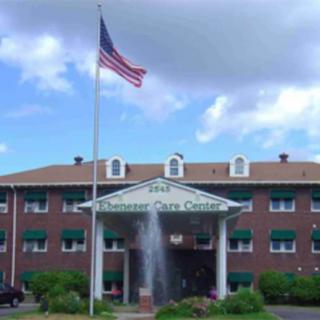
  • Ebenezer Care Center

    Ebenezer Care Center

    Minneapolis, MN

    4.2 from 10 reviews
     

    pro Initial tours showed safety and accessible activity areas.

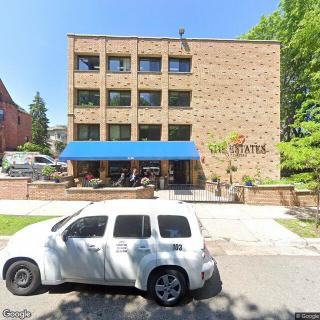
  • The Estates At Chateau

    The Estates At Chateau

    Minneapolis, MN

    3 from 24 reviews
    $3,600 / month

    pro Affordable private-room price with extensive on-site services.

Related Resources

  • does medicaid pay for assisted livingUnderstanding Medicaid Coverage for Assisted Living: A Comprehensive Guide

    The guide outlines the complexities of Medicaid coverage for assisted living, highlighting significant state-to-state variations, limited coverage often restricted to personal care services, and the existence of specialized waivers for certain needs like memory care. It advises families to consult local Medicaid offices for options while emphasizing the importance of understanding state-specific regulations and facility policies.

  • does medicaid pay for assisted livingHow and When Medicaid May Cover Assisted Living Costs

    Medicaid coverage for assisted living varies by state and is primarily available to low-income individuals, with eligibility dependent on strict income and asset limits. Some states offer HCBS waivers for specific services in assisted living, but families must generally cover room and board costs, and should verify facility acceptance of Medicaid while considering potential waiting lists.

  • assisted living waiver programA Detailed Exploration of Assisted Living Medicaid Waivers Across the United States

    Medicaid waivers for assisted living services provide vital support for seniors and individuals with disabilities in need of long-term care, with varying state-specific eligibility criteria and benefits. These waivers cover personal care and case management but often do not fully cover room and board, leading to waiting lists for many applicants.