Grandma's Helper I in Minneapolis, MN

5616 43Rd Avenue South, Minneapolis, MN 55417

For more information about senior living options: (844) 490-3973

2.7 from 3 reviews
5 stars
1
4 stars
0
3 stars
0
2 stars
1
1 stars
1

Assisted Living

What level of care are you interested in?

Assisted Living

Memory Care

Independent Living

Skilled Nursing Facility

Continuing Care Retirement Community (CCRC)CCRC

Other


Request a tour at Grandma's Helper I

    Overall Review of Grandma's Helper I

    Pros

    • pro They take good care of him.
    • pro They are responsive to any questions.
    • pro The care they provide is highly satisfactory.
    • pro Amanda is highly skilled at her job and ensures payments are processed.

    Cons

    • pro They are up and down now.
    • pro They had to wait the whole weekend for it to be fixed.
    • pro The check they issued was no good.

    Review

    Grandma's Helper I in Minneapolis is best suited for families seeking attentive, hands-on care delivered by a small team, where responsiveness to questions and direct caregiver contact are prioritized over formal, hospital-like structure. This community seems to work best for a loved one who values daily caregiving attention, clear communication, and a personal touch in day-to-day support. The positive takeaway from a guardian's experience is that the care provided is real and the staff respond to inquiries, suggesting a usable, people-centered approach when the right contact is available.

    Those considering alternatives should note that this operation may not be ideal for families requiring flawless administrative efficiency and rock-solid consistency in every interaction. If dependable billing processes, stable named contacts, and a predictable administrative experience are non-negotiable, a larger facility or an organization with a more established corporate backbone may be a wiser fit. The current narrative hints at a tension between strong personal care and uneven administrative performance, meaning a more uniform, systems-driven option could reduce the friction families encounter when funds and schedules must align.

    The core positives are tangible: direct caregiving quality and a willingness to respond to questions stand out as meaningful strengths. When a named staff member was present - Amanda in particular - the experience included orderly attention to payments and ensuring the financial side was handled, which can significantly reduce anxiety for guardians and family administrators. A caregiver-focused approach that prioritizes individualized attention translates into daily life for residents, with care decisions being made in real time rather than filtered through opaque processes. In practice, this can mean fewer gaps in moments that matter most, such as prompting timely assistance and maintaining routines.

    However, the main cons are present and non-negligible. Staffing consistency and continuity appear variable, with references to a once-robust point of contact who is now less reliable. This inconsistency compounds the frustration that sometimes accompanies financial tasks, as evidenced by a payment-related mishap that required weekend attention to resolve. The risk is real: when the go-to administrator or caregiver shifts or becomes harder to reach, important financial and scheduling matters may slip, affecting both the resident's stability and the family's peace of mind. For families who need predictability, these administrative ebbs and flows can undermine overall confidence in the program.

    The key to leveraging the strengths while mitigating the weaknesses lies in clear, up-front expectations and structured accountability. If a family can secure a dedicated point person for both care planning and billing, and insist on a documented process for payments, scheduling, and problem resolution, the benefits of responsive, compassionate care become more reliable than the occasional administrative hiccup. Prospective residents should request current staffing assignments, ask about turnover rates, and seek a written care plan that identifies who will oversee daily needs, who to contact with questions, and how quickly issues are addressed. This is not about distrust; it is about turning a favorable caregiving dynamic into a consistently dependable experience.

    In the end, Grandma's Helper I can be a strong match for families who prioritize hands-on care and immediate responsiveness, provided there is clear, enforceable structure around administration. The decision often boils down to tolerance for administrative variability versus the value placed on daily caregiving presence. If the family can secure stability in who handles payments and scheduling - and keep expectations aligned with frequent check-ins - this community offers genuine, person-centered care that can support a loved one with warmth and attentiveness. If not, alternatives with steadier processes and more predictable administration warrant serious consideration.

    Features

    Housing

    • 21 resident community capacity 21 resident community capacity

    Types of Care

    • Assisted Living Assisted LivingAssisted living facilities provide crucial support and care for seniors who may need help with daily tasks such as medication management, bathing, and meal preparation. These communities offer a safe and comfortable environment where seniors can maintain their independence while receiving the assistance they need to thrive in their golden years.

    Amenities

    • Beauty salon Beauty salonBeauty salons are important for seniors because they provide a space for them to feel pampered, socialize, and maintain their personal grooming and hygiene. Regular visits to a beauty salon can help boost seniors' self-esteem and overall well-being.
    • Cable or satellite TV Cable or satellite TVCable or satellite TV is important for seniors because it provides entertainment, news, and companionship, helping to combat loneliness and boredom. It also offers a wide range of programming options tailored to different interests and preferences.
    • Dining room Dining roomDining rooms are important for seniors as they provide a space for socialization, connection, and nutritious meals. They offer opportunities for residents to bond over shared meals, foster a sense of community, and promote healthy eating habits. Dining rooms also ensure that seniors have access to well-balanced meals tailored to their dietary needs and preferences.
    • Fully furnished Fully furnishedFully furnished senior living communities are important for seniors because they provide convenience, comfort, and a hassle-free moving experience. Seniors can easily settle into their new living space without the stress of having to buy and move furniture. This allows them to focus on enjoying their new home and community.
    • Garden GardenGardens are important for seniors as they provide a peaceful and therapeutic environment for relaxation, physical activity, and socialization. Being in nature has been shown to reduce stress, improve mood, and promote overall well-being. Gardens also offer opportunities for seniors to engage in gardening activities, which can improve mobility, flexibility, and cognitive function. Additionally, gardens create a sense of community and connection with others who share a passion for plants and outdoor spaces.
    • Housekeeping services Housekeeping servicesHousekeeping services are important for seniors because they help maintain a clean and safe living environment, promote independence, and reduce the risk of accidents or illnesses. Additionally, having assistance with household chores can alleviate physical strain and allow seniors to focus on other aspects of their well-being.
    • Kitchenette KitchenetteKitchenettes are important for seniors living in senior living communities because they provide the convenience and independence of being able to prepare simple meals and snacks in the comfort of their own living space. This can help promote a sense of autonomy and well-being for seniors, allowing them to maintain some level of control over their dietary choices and daily routines.
    • Move-in coordination Move-in coordinationMove-in coordination is important for seniors because it helps ease the transition into their new living environment. It ensures that all logistics, such as packing, organizing movers, and setting up utilities are taken care of, allowing seniors to focus on settling in and adjusting to their new home. Having a smooth move-in process can alleviate stress and anxiety, making the transition smoother and more enjoyable for seniors.
    • Outdoor space Outdoor spaceOutdoor spaces are important for seniors as they provide opportunities for physical activity, social interaction, exposure to natural light and fresh air, and a sense of connection to nature. Having access to outdoor spaces can improve overall well-being and quality of life for older adults living in senior communities.
    • Telephone TelephoneTelephones are important for seniors as they provide a lifeline for communication with loved ones, emergency services, and healthcare providers. They offer a sense of security and independence, enabling seniors to stay connected and access assistance when needed.
    • Wi-Fi/high-speed internet available Wi-Fi/high-speed internet availableWi-Fi/high-speed internet is important for seniors to stay connected with loved ones, access online resources, and participate in virtual activities to combat feelings of loneliness and isolation. It also allows them to easily manage healthcare needs, access entertainment, and engage in lifelong learning opportunities.

    Transportation

    • Minneapolis-St Paul International (1 miles away) Minneapolis-St Paul International (1 miles away)

    Care Services

    • 24-hour call system 24-hour call system24-hour call systems are important for seniors because they provide peace of mind and immediate assistance in case of emergencies. This technology ensures that help is always available, promoting safety and security for elderly individuals living alone or in assisted living facilities.
    • 24-hour supervision 24-hour supervision24-hour supervision is important for seniors to ensure their safety, well-being, and access to immediate assistance in case of emergencies or health issues. This constant support provides peace of mind for both seniors and their loved ones, allowing them to age in place with dignity and security.
    • Activities of daily living assistance Activities of daily living assistanceActivities of daily living assistance are important for seniors because they provide essential support with tasks such as eating, bathing, dressing, and mobility. This assistance helps seniors maintain their independence, dignity, and overall quality of life as they age.
    • Assistance with bathing Assistance with bathingAssistance with bathing is crucial for seniors as it helps maintain personal hygiene, prevents infections, and ensures their overall well-being and comfort. It also provides a sense of dignity and independence for seniors who may struggle with this task on their own.
    • Assistance with dressing Assistance with dressingAssistance with dressing is important for seniors because it helps maintain their independence, promotes personal hygiene, prevents accidents and injuries, and improves overall quality of life. This service ensures that seniors can continue to dress comfortably and confidently, despite any physical limitations they may have.
    • Assistance with transfers Assistance with transfersAssistance with transfers is crucial for seniors as it helps prevent falls and injuries, maintains their independence, and ensures they can safely navigate their living environment. It also provides peace of mind for both seniors and their loved ones.
    • Coordination with health care providers Coordination with health care providersCoordination with health care providers is crucial for seniors to ensure proper medical care, medication management, and overall well-being. This collaboration helps prevent overlapping treatments, track progress more effectively, and provide comprehensive support tailored to individual needs.
    • Diabetes diet Diabetes dietA diabetes diet is crucial for seniors as it helps manage blood sugar levels, reduce risks of complications, and improve overall health and well-being. By following a balanced and nutritious diet tailored to their specific needs, seniors can better control their diabetes and enhance their quality of life.
    • Meal preparation and service Meal preparation and serviceMeal preparation and service are crucial for seniors as they may have limited mobility or energy to cook nutritious meals. Having access to healthy and convenient food options can ensure they are getting the proper nutrition needed to maintain their overall health and well-being.
    • Medication management Medication managementMedication management is crucial for seniors to ensure they are taking the right medications at the correct dosages and times. This helps prevent adverse drug interactions, reduces the risk of medication errors, and promotes overall health and well-being. Proactive management also allows for adjustments as needed based on changing health conditions or new prescriptions.
    • Mental wellness program Mental wellness programMental wellness programs are essential for seniors as they promote cognitive stimulation, emotional support, and social engagement. These programs help prevent isolation, depression, and cognitive decline, ultimately enhancing the overall quality of life for older adults.
    • Special dietary restrictions Special dietary restrictionsSpecial dietary restrictions are important for seniors because age-related changes in metabolism and health conditions can make it difficult for their bodies to process certain foods. By following a diet tailored to their specific needs, seniors can maintain their overall health and well-being, manage chronic conditions, and reduce the risk of complications such as malnutrition or food interactions with medications.
    • Transportation arrangement (medical) Transportation arrangement (medical)Transportation arrangements for medical purposes are essential for seniors as they may have difficulty driving themselves to appointments or accessing public transportation. Having reliable and safe transportation options ensures that seniors can receive timely medical care and maintain their health and well-being.
    • Transportation to doctors appointments Transportation to doctors appointmentsTransportation to doctors' appointments is crucial for seniors as it ensures they have access to necessary medical care and support for their health needs. Without reliable transportation, seniors may struggle to attend important appointments, leading to potential delays in treatment and health complications. Providing transportation services helps seniors maintain their overall well-being and quality of life.

    Dining

    • Diabetes diet Diabetes dietA diabetes diet is crucial for seniors as it helps manage blood sugar levels, reduce risks of complications, and improve overall health and well-being. By following a balanced and nutritious diet tailored to their specific needs, seniors can better control their diabetes and enhance their quality of life.
    • Special dietary restrictions Special dietary restrictionsSpecial dietary restrictions are important for seniors because age-related changes in metabolism and health conditions can make it difficult for their bodies to process certain foods. By following a diet tailored to their specific needs, seniors can maintain their overall health and well-being, manage chronic conditions, and reduce the risk of complications such as malnutrition or food interactions with medications.

    Activities

    • Community-sponsored activities Community-sponsored activitiesCommunity-sponsored activities are important for seniors as they provide opportunities for social interaction, mental stimulation, and physical activity. These activities can help improve overall well-being, combat loneliness and isolation, and promote a sense of belonging and purpose among older adults.
    • Resident-run activities Resident-run activitiesResident-run activities are important for seniors as they encourage social interaction, creativity, and a sense of autonomy. These activities empower seniors to stay engaged and active in their community while fostering meaningful connections with their peers.
    • Scheduled daily activities Scheduled daily activitiesScheduled daily activities are important for seniors because they provide structure, socialization, mental stimulation, and physical activity. Engaging in regular activities can improve overall well-being and quality of life for seniors living in a community setting.

    Description

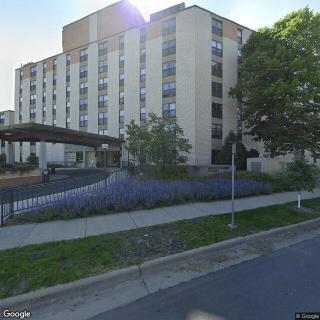
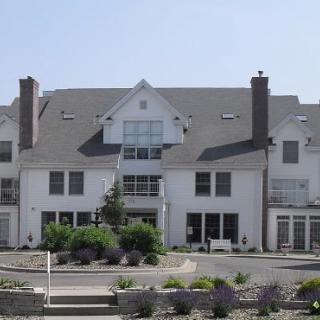
    Welcome to Grandma's Helper I, an inviting assisted living community located in the heart of Minneapolis, MN. Our facility is designed to provide warmth, comfort, and support for our residents while promoting their independence and well-being.

    At Grandma's Helper I, we offer a range of modern amenities to ensure a pleasant living experience. Residents can enjoy cable or satellite TV in fully furnished accommodations that include kitchenettes for light meal preparation. Our beautifully landscaped garden and outdoor spaces provide serene environments for relaxation and leisurely strolls. Additionally, residents benefit from housekeeping services, Wi-Fi/high-speed internet access, and telephone services.

    Our dedicated team is available around the clock to ensure resident safety and well-being through 24-hour supervision. We specialize in assisting with daily activities such as bathing, dressing, and transfers while ensuring coordination with healthcare providers for optimal health management. Our care services also include meal preparation tailored to special dietary restrictions and medication management to help our residents maintain their health.

    At Grandma's Helper I, we believe in keeping our residents engaged socially and mentally. We offer a variety of scheduled daily activities run by residents themselves along with mental wellness programs designed to promote emotional health.

    Conveniently nestled within a vibrant neighborhood, our community is close to six cafes, nine parks, numerous pharmacies (10), physicians (5), and 18 restaurants, perfect for outings or enjoying local dining options. For spiritual needs, there are two places of worship nearby, as well as immediate access to medical care with two hospitals in the vicinity.

    With a commitment to quality care and enriching lifestyle opportunities, Grandma's Helper I is more than just an assisted living community; it’s a place where seniors can thrive surrounded by caring staff and friendly neighbors. Come see how we can help you or your loved one feel at home!

    Nearby Places of Interest

    Hospitals

    • VA Medical Center (0.3 miles)
    • University of Minnesota Medical Center - East Bank Campus (4.9 miles)
    • Csc Gi Lab (5.5 miles)
    • Hennepin County Medical Center (5.5 miles)
    • Fairview Southdale Hospital (5.7 miles)
    • United Hospital Joint Relacement Center (5.8 miles)

    Parks

    • Minnehaha Falls Dog Park (0.7 miles)
    • Bossen Field (1 miles)
    • Wabun Picnic Area (1.1 miles)
    • Hidden Falls Park (1.1 miles)
    • Lake Hiawatha Park (2 miles)
    • Taft Park (2 miles)
    • Longfellow Park (2.8 miles)

    Restaurants

    • Sea Salt Eatery (1 miles)
    • McDonald's (1.1 miles)
    • Stone Arch (1.3 miles)
    • Twins Grill (1.3 miles)
    • Chipotle Mexican Grill (2.2 miles)
    • Matt's Bar (3.2 miles)
    • Hazelwood Food and Drinks (3.3 miles)

    Transportation

    • Concourse D (1.1 miles)
    • Concourse E (1.1 miles)
    • Escape Lounge (1.2 miles)
    • Concourse F (1.2 miles)
    • Terminal 1-Lindbergh (1.2 miles)
    • Delta Sky Club (1.3 miles)
    • Concourse C (1.3 miles)

    Pharmacies

    • Walgreens (1.4 miles)
    • Walgreens (1.6 miles)
    • Walgreens (2.9 miles)
    • CVS Pharmacy (3.2 miles)
    • Walgreens (3.5 miles)
    • Walgreens (3.8 miles)
    • Walgreens (3.9 miles)

    Cafes

    • Starbucks (2.1 miles)
    • Starbucks (4.2 miles)
    • Roundtable Cof (4.5 miles)
    • Panera Bread (4.7 miles)
    • Groundswell (4.8 miles)
    • Starbucks (5 miles)
    • Panera Bread (5.4 miles)

    Physicians

    • Parkway Family Physicians (2.5 miles)
    • Southwest Dermatology Specialist (3.4 miles)
    • Dermatology Consultants P.A. (4 miles)
    • HealthPartners Health Center for Women Clinic St Paul (4.6 miles)
    • Whittier Clinic (4.8 miles)
    • Twin Cities Orthopedics Eagan - Viking Lakes (5.6 miles)
    • Mngi Digestive Health - Eagan Endoscopy Center & Clinic (5.6 miles)

    Places of Worship

    • WW Studio (2.6 miles)
    • St George Greek Orthodox Church (4.2 miles)
    • Westminster Presbyterian Church (5.8 miles)

    Theaters

    • 0705 Amc Southdale 16 (5.8 miles)

    Frequently Asked Questions

    Where is Grandma's Helper I?

    Nearby Communities

    • Grandma's Helper

      Grandma's Helper

      Minneapolis, MN

      2.7 from 3 reviews
       

      pro 24/7 supervision and ADL support with meals, transportation to appointments, housekeeping, and on-site amenities.

    • Caring Hearts Residential

      Caring Hearts Residential

      Minneapolis, MN

      5 from 1 review
       

      pro Small, intimate setting with personalized care and comprehensive services.

    • Doodi's Best Care

      Doodi's Best Care

      Minneapolis, MN


      pro Small, personalized community (21 residents) with 24/7 supervision, ADL assistance, medication management, and transportation to medical appointments.

    • Royal Home Care 1

      Royal Home Care 1

      Minneapolis, MN


      pro Furnished units with 24-hour supervision, comprehensive care services, dining, and transportation.

    • Royal Home Care 3

      Royal Home Care 3

      Minneapolis, MN


      pro Intimate, well-supported community with furnished units, diabetes-friendly dining, daily activities, and garden spaces.

    • Nokomis Square Coop

      Nokomis Square Coop

      Minneapolis, MN

      4.7 from 33 reviews
       

      pro Excellent access to dining, parks, healthcare, and transit nearby.

    • New Perspective Senior Living | Highland Park

      New Perspective Senior Living | Highland Park

      Saint Paul, MN

      4.3 from 81 reviews
      $2,272 to $3,769 / month

      pro Caring staff and engaging activities create a warm, supportive environment.

    • Carondelet Village

      Carondelet Village

      Saint Paul, MN

      5 from 2 reviews
       

      pro Warm, skilled staff and a welcoming, home-like environment.

    • Minnehaha Senior Living

      Minnehaha Senior Living

      Minneapolis, MN

      3.7 from 64 reviews
      $3,300 to $3,875 / month

      pro Clean facility with friendly staff and engaging activities.

    Related Resources

    • activities of daily livingComprehensive Insights into Activities of Daily Living (ADLs) and Their Assessment

      Activities of Daily Living (ADLs) are fundamental tasks vital for an individual's independence, particularly in older adults over 85, and include functions like bathing and dressing; assessing ADLs alongside Instrumental Activities of Daily Living (IADLs) helps determine the level of required assistance due to age-related health challenges. Tailored support plans, involving family and community resources, are essential for maintaining dignity and autonomy in assisted living environments.

    • does medicare pay for assisted livingMedicare Coverage for Assisted Living: An In-Depth Exploration

      Medicare does not cover assisted living costs, as it focuses on acute medical needs and short-term care, with exceptions for certain medically necessary services like physical therapy. Individuals must explore other options such as Medicaid, veterans' benefits, or long-term care insurance to manage these expenses effectively.

    • assisted living vs nursing homeChoosing the Right Senior Care: A Detailed Exploration of Assisted Living and Nursing Homes

      Choosing between assisted living and nursing homes involves evaluating emotional and financial factors, with assisted living offering independence and support for daily activities at a lower cost, while nursing homes provide intensive medical care for individuals with significant health needs. The decision is influenced by personal preferences, health status, cognitive function, and varying Medicaid coverage across states.


    Get Pricing Ask A Question Schedule A Tour Contact Senior Advisor