
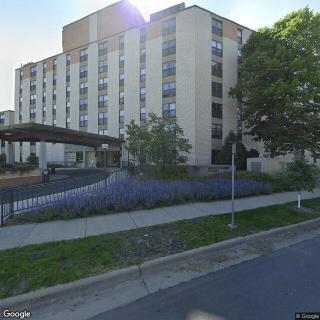
5616 43Rd Avenue South, Minneapolis, MN 55417
For more information about senior living options: (866) 208-4318
Overall Review of Grandma's Helper
Pros
 They take good care of him.
- They are responsive to any questions.
- The guardian is very satisfied with the care they have been providing.
- Amanda was really good at her job and ensured that payments were issued.
Cons
 They are up and down now.
- They cut Mr. A a check and the bank wouldn’t honor it.
- They made the reviewer wait the whole weekend for them to fix it.
Review
Grandma's Helper in Minneapolis is best suited for families that want hands-on, attentive care delivered by a small, approachable team. The reviews point to a pattern of solid daily caregiving and staff responsiveness, translating into real peace of mind for guardians who need answers and quick access to the people delivering care. Caregivers appear to know residents well and respond promptly to questions, a critical factor for managing medications, routines, and safety checks. This is a setting where direct communication and personal attention are tangible strengths, ideal for families prioritizing quality bedside care over glossy marketing. That said, this strength sits beside an uneven administrative track record that can raise concerns about predictable billing, timely payments, and stable operational leadership.
Those who may want alternatives are families for whom administrative reliability is non-negotiable. The reviews hint at variability in performance and a payments-handling hiccup, suggesting that billing and payroll are not as dependable as the caregiving itself. If a resident’s finances or the family budget requires a rock-solid, transparent system with predictable timelines, this community could become stressful. Programs with greater staff consistency and more centralized, proactive administration may better suit families seeking fewer surprises. In short, when dependable financial operations and uninterrupted staffing are paramount, exploring other options is prudent.
On the upside, the core caregiving appears attentive and capable. A guardian’s note praises the team for good care and responsiveness to questions, delivering tangible value for families managing medications, routines, and safety protocols. The presence of a staffer once responsible for coordinating payments, described as “really good at her job,” underscores that when administration runs smoothly, the experience becomes noticeably smoother for both families and residents. That history signals potential for dependable service if the right leaders remain in place and a consistent point of contact stays available. It also reinforces that strong relationships with caregivers can build necessary trust for long-term decisions.
Yet the second review flags a rough edge: an up-and-down trajectory and a failure in processing a check, which caused weekend delays. This anecdote exposes a vulnerability: when financial and administrative tasks lag, the stability of daily care can feel unsettled even where caregiving is solid. Staff turnover or gaps in billing oversight can ripple into scheduling, communication, and timely reimbursements, creating friction for guardians and residents alike. The implication is clear: high-quality care may be present, but the operating backbone, billing, payments, and consistent management, needs stronger reliability to prevent small problems from becoming recurring headaches.
Pros offset the cons only to the extent that caregiving remains consistently excellent and a dependable administrator is in charge. If caregivers stay engaged, questions are answered, and daily routines stay predictable, the resident’s quality of life can stay high even amid administrative friction. However, when billing missteps recur, as highlighted in one account, the trust required for risk-free decision making erodes quickly. Families should demand concrete protections: a named billing contact, transparent billing cycles, documented procedures for disputes, and a clear plan for staff continuity. A trial period with measurable service benchmarks can help separate the good days from the days when administration falters.
Bottom line: Grandma's Helper is a practical choice for families who prize real-time caregiving connection and responsive staff, provided clear controls are in place on financial operations. It is less suited for those who require flawless administration, perfectly predictable payments, and uninterrupted staffing continuity. Prospective residents should request a current point person, review the latest staffing roster, and obtain a written outline of billing procedures before committing. If those assurances are not readily provided, or if the family’s tolerance for administrative risk is low, alternatives with stronger governance and more transparent billing processes deserve full consideration. For the right mix of hands-on care and accountable administration, this community can still be a solid fit.
 21 resident community capacity
 Assisted Living
 Beauty salon
 Cable or satellite TV
 Dining room
 Fully furnished
 Garden
 Housekeeping services
 Kitchenette
 Move-in coordination
 Outdoor space
 Telephone
 Wi-Fi/high-speed internet available
 Minneapolis-St Paul International (1 miles away)
 24-hour call system
 Activities of daily living assistance
 Assistance with bathing
 Assistance with dressing
 Assistance with transfers
 Diabetes diet
 Meal preparation and service
 Medication management
 Mental wellness program
 Special dietary restrictions
 Transportation arrangement (medical)
 Transportation to doctors appointments


 Funding and Affording Assisted Living: A Thorough Overview
 Assisted Living Expenses and Long-Term Care Insurance: A Comprehensive Exploration
 Securing Financial Support for Assisted Living: A Comprehensive Overview