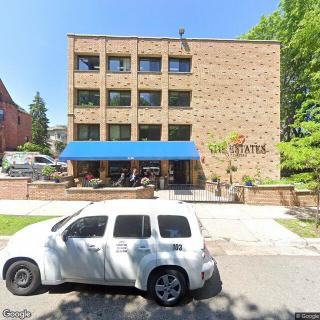
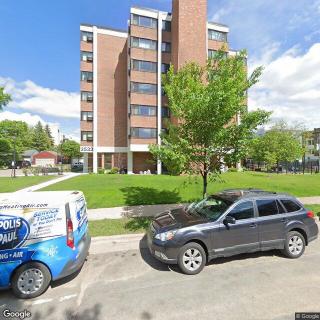
Comfort Care Center in Minneapolis, MN

Information last verified:

2215 Blaisdell Avenue South #207, Minneapolis, MN 55404

For more information about senior living options: (844) 490-3973

4 from 5 reviews
5 stars
3
4 stars
1
3 stars
0
2 stars
0
1 stars
1

Overall Review of Comfort Care Center

Pros

  • pro The company is a great partner to work with.
  • pro Isaac is amazing.
  • pro The company demonstrates professionalism, and the owner is patient.
  • pro The company is welcoming, friendly, and easy to work with.
  • pro They are willing to work with clients to ensure everything is in order.

Review

Comfort Care Center in Minneapolis is best suited for families seeking reliable, professionally managed in-home care with a clear plan and a personal touch. This agency shines when the goal is to keep a senior in their own home while balancing safety, routines, and practical support. The core strength rests on seasoned professionalism and a leadership approach that emphasizes patient, collaborative planning. Families will notice a focus on getting the logistics right, from scheduling and service scope to documentation and care coordination, so that the entire transition into home-based support feels orderly rather than ad hoc. That combination of professional delivery and a patient, approachable owner makes it a compelling option for those who want hands-on guidance without surrendering home comforts.

Who should consider alternatives? If the preference is for a traditional assisted living campus with on-site housing, dining, and a built-in slate of social activities, other communities may suit better. For seniors requiring around-the-clock skilled medical supervision in a congregate setting, or those needing a broader continuum of care with rapid access to higher levels of medical care, a facility-based option could be more appropriate. The presence of a single lower-rated review signals that expectations can diverge, so careful diligence is warranted. Prospective families should weigh whether the agency’s home-first model aligns with long-term care goals, budget considerations, and the desired level of on-site medical support.

On the upside, the biggest win is the professional, client-centered approach. The owner’s patience and willingness to tailor services come through in every interaction, and the staff demonstrates a readiness to work with families to get ducks in a row. The standout feedback about Isaac underscores the value of a dedicated, responsive point person who can navigate complex arrangements, coordinate with physicians or therapists, and keep the family loop closed. This level of coordination reduces confusion, lowers the risk of gaps in care, and elevates trust when families are juggling hospital visits, insurance questions, and daily routines.

That said, the lone low rating in the mix cannot be ignored. It signals that expectations can diverge and that a home-care arrangement may not always meet every preference. The strongest counterbalance lies in the agency’s operational strengths: a patient owner, a professional team, and a system for planning and communication that minimizes last-minute surprises. The compromise is that outcomes hinge on consistent staffing, clear care plans, and proactive communication. To guard against disappointment, families should insist on a formal care plan, clear service boundaries, and a documented point of contact with defined escalation steps. A trial period can reveal how well the fit holds across weeks of routine and unplanned needs.

To move forward with confidence, initiate a thorough intake and in-home assessment, request a written care plan with measurable milestones, and verify licensing, insurance, and any required background checks for personnel. Ask for references and a direct line to the agency’s leadership, especially the owner and the primary coordinator (the one who handles day-to-day scheduling and crisis management). Inquire about flexibility: the ability to scale services up or down, adjust shifts, and coordinate with visiting healthcare professionals. Leverage the strength highlighted in reviews, clear communication, patient leadership, and a dedicated contact, to build a care arrangement that feels controllable rather than chaotic.

Ultimately, Comfort Care Center represents a practical, well-structured option for families prioritizing home-based care with professional oversight in Minneapolis. It is best for seniors who value hands-on planning, reliable scheduling, and a personal touch from leadership that values responsiveness. For families needing continuous 24/7 medical supervision or a more traditional assisted-living environment, alternatives should be explored. The combination of professional rigor, patient ownership, and strong coordination makes it a strong contender, especially when a trusted point person like Isaac can anchor the relationship. With careful due diligence, a trial period, and a clear care plan, this agency can become a dependable engine for maintaining independence at home while navigating the realities of aging.

Features

Housing

  • 21 resident community capacity 21 resident community capacity

Types of Care

  • Assisted Living Assisted LivingAssisted living facilities provide crucial support and care for seniors who may need help with daily tasks such as medication management, bathing, and meal preparation. These communities offer a safe and comfortable environment where seniors can maintain their independence while receiving the assistance they need to thrive in their golden years.

Amenities

  • Beauty salon Beauty salonBeauty salons are important for seniors because they provide a space for them to feel pampered, socialize, and maintain their personal grooming and hygiene. Regular visits to a beauty salon can help boost seniors' self-esteem and overall well-being.
  • Cable or satellite TV Cable or satellite TVCable or satellite TV is important for seniors because it provides entertainment, news, and companionship, helping to combat loneliness and boredom. It also offers a wide range of programming options tailored to different interests and preferences.
  • Dining room Dining roomDining rooms are important for seniors as they provide a space for socialization, connection, and nutritious meals. They offer opportunities for residents to bond over shared meals, foster a sense of community, and promote healthy eating habits. Dining rooms also ensure that seniors have access to well-balanced meals tailored to their dietary needs and preferences.
  • Fully furnished Fully furnishedFully furnished senior living communities are important for seniors because they provide convenience, comfort, and a hassle-free moving experience. Seniors can easily settle into their new living space without the stress of having to buy and move furniture. This allows them to focus on enjoying their new home and community.
  • Garden GardenGardens are important for seniors as they provide a peaceful and therapeutic environment for relaxation, physical activity, and socialization. Being in nature has been shown to reduce stress, improve mood, and promote overall well-being. Gardens also offer opportunities for seniors to engage in gardening activities, which can improve mobility, flexibility, and cognitive function. Additionally, gardens create a sense of community and connection with others who share a passion for plants and outdoor spaces.
  • Housekeeping services Housekeeping servicesHousekeeping services are important for seniors because they help maintain a clean and safe living environment, promote independence, and reduce the risk of accidents or illnesses. Additionally, having assistance with household chores can alleviate physical strain and allow seniors to focus on other aspects of their well-being.
  • Kitchenette KitchenetteKitchenettes are important for seniors living in senior living communities because they provide the convenience and independence of being able to prepare simple meals and snacks in the comfort of their own living space. This can help promote a sense of autonomy and well-being for seniors, allowing them to maintain some level of control over their dietary choices and daily routines.
  • Move-in coordination Move-in coordinationMove-in coordination is important for seniors because it helps ease the transition into their new living environment. It ensures that all logistics, such as packing, organizing movers, and setting up utilities are taken care of, allowing seniors to focus on settling in and adjusting to their new home. Having a smooth move-in process can alleviate stress and anxiety, making the transition smoother and more enjoyable for seniors.
  • Outdoor space Outdoor spaceOutdoor spaces are important for seniors as they provide opportunities for physical activity, social interaction, exposure to natural light and fresh air, and a sense of connection to nature. Having access to outdoor spaces can improve overall well-being and quality of life for older adults living in senior communities.
  • Restaurant-style dining Restaurant-style diningRestaurant-style dining is important for seniors because it allows them to enjoy delicious, nutritious meals in a social and upscale setting. This enhances their dining experience, promotes healthy eating habits, and fosters socialization with fellow residents, ultimately contributing to their overall well-being and quality of life.
  • Small library Small librarySmall libraries are important for seniors as they provide access to a variety of reading materials, including books, newspapers, and magazines. This can help stimulate their minds, keep them engaged, and provide a sense of community through book clubs and other social activities. Additionally, reading has been shown to improve cognitive function and overall mental well-being in older adults.
  • Telephone TelephoneTelephones are important for seniors as they provide a lifeline for communication with loved ones, emergency services, and healthcare providers. They offer a sense of security and independence, enabling seniors to stay connected and access assistance when needed.
  • Wi-Fi/high-speed internet available Wi-Fi/high-speed internet availableWi-Fi/high-speed internet is important for seniors to stay connected with loved ones, access online resources, and participate in virtual activities to combat feelings of loneliness and isolation. It also allows them to easily manage healthcare needs, access entertainment, and engage in lifelong learning opportunities.

Transportation

  • Minneapolis-St Paul International (6 miles away) Minneapolis-St Paul International (6 miles away)

Care Services

  • 24-hour call system 24-hour call system24-hour call systems are important for seniors because they provide peace of mind and immediate assistance in case of emergencies. This technology ensures that help is always available, promoting safety and security for elderly individuals living alone or in assisted living facilities.
  • 24-hour supervision 24-hour supervision24-hour supervision is important for seniors to ensure their safety, well-being, and access to immediate assistance in case of emergencies or health issues. This constant support provides peace of mind for both seniors and their loved ones, allowing them to age in place with dignity and security.
  • Activities of daily living assistance Activities of daily living assistanceActivities of daily living assistance are important for seniors because they provide essential support with tasks such as eating, bathing, dressing, and mobility. This assistance helps seniors maintain their independence, dignity, and overall quality of life as they age.
  • Assistance with bathing Assistance with bathingAssistance with bathing is crucial for seniors as it helps maintain personal hygiene, prevents infections, and ensures their overall well-being and comfort. It also provides a sense of dignity and independence for seniors who may struggle with this task on their own.
  • Assistance with dressing Assistance with dressingAssistance with dressing is important for seniors because it helps maintain their independence, promotes personal hygiene, prevents accidents and injuries, and improves overall quality of life. This service ensures that seniors can continue to dress comfortably and confidently, despite any physical limitations they may have.
  • Assistance with transfers Assistance with transfersAssistance with transfers is crucial for seniors as it helps prevent falls and injuries, maintains their independence, and ensures they can safely navigate their living environment. It also provides peace of mind for both seniors and their loved ones.
  • Diabetes diet Diabetes dietA diabetes diet is crucial for seniors as it helps manage blood sugar levels, reduce risks of complications, and improve overall health and well-being. By following a balanced and nutritious diet tailored to their specific needs, seniors can better control their diabetes and enhance their quality of life.
  • Meal preparation and service Meal preparation and serviceMeal preparation and service are crucial for seniors as they may have limited mobility or energy to cook nutritious meals. Having access to healthy and convenient food options can ensure they are getting the proper nutrition needed to maintain their overall health and well-being.
  • Medication management Medication managementMedication management is crucial for seniors to ensure they are taking the right medications at the correct dosages and times. This helps prevent adverse drug interactions, reduces the risk of medication errors, and promotes overall health and well-being. Proactive management also allows for adjustments as needed based on changing health conditions or new prescriptions.
  • Mental wellness program Mental wellness programMental wellness programs are essential for seniors as they promote cognitive stimulation, emotional support, and social engagement. These programs help prevent isolation, depression, and cognitive decline, ultimately enhancing the overall quality of life for older adults.
  • Special dietary restrictions Special dietary restrictionsSpecial dietary restrictions are important for seniors because age-related changes in metabolism and health conditions can make it difficult for their bodies to process certain foods. By following a diet tailored to their specific needs, seniors can maintain their overall health and well-being, manage chronic conditions, and reduce the risk of complications such as malnutrition or food interactions with medications.

Dining

  • Diabetes diet Diabetes dietA diabetes diet is crucial for seniors as it helps manage blood sugar levels, reduce risks of complications, and improve overall health and well-being. By following a balanced and nutritious diet tailored to their specific needs, seniors can better control their diabetes and enhance their quality of life.
  • Special dietary restrictions Special dietary restrictionsSpecial dietary restrictions are important for seniors because age-related changes in metabolism and health conditions can make it difficult for their bodies to process certain foods. By following a diet tailored to their specific needs, seniors can maintain their overall health and well-being, manage chronic conditions, and reduce the risk of complications such as malnutrition or food interactions with medications.

Activities

  • Community-sponsored activities Community-sponsored activitiesCommunity-sponsored activities are important for seniors as they provide opportunities for social interaction, mental stimulation, and physical activity. These activities can help improve overall well-being, combat loneliness and isolation, and promote a sense of belonging and purpose among older adults.
  • Resident-run activities Resident-run activitiesResident-run activities are important for seniors as they encourage social interaction, creativity, and a sense of autonomy. These activities empower seniors to stay engaged and active in their community while fostering meaningful connections with their peers.
  • Scheduled daily activities Scheduled daily activitiesScheduled daily activities are important for seniors because they provide structure, socialization, mental stimulation, and physical activity. Engaging in regular activities can improve overall well-being and quality of life for seniors living in a community setting.

Description

The Comfort Care Center in Minneapolis, MN is a fully furnished assisted living community designed to provide a comfortable and convenient living environment for seniors.

Residents can enjoy the luxurious amenities offered, including the option to watch their favorite shows on cable or satellite TV in their own private rooms. The dining room provides a beautiful setting for enjoying delicious meals prepared by the skilled staff and served restaurant-style.

The community also offers a range of care services to ensure that each resident's needs are met. This includes 24-hour supervision, assistance with daily activities such as bathing and dressing, as well as assistance with transfers for those who may require mobility support. Medication management is also available to ensure that residents receive the proper dosage at the correct times.

In addition to physical care, mental wellness is prioritized at Comfort Care Center. A mental wellness program is implemented to promote emotional well-being and engage residents in activities that stimulate cognitive function.

For those with specific dietary needs, the center accommodates special dietary restrictions including diabetes diets. Meal preparation and service are provided to ensure that residents receive balanced and nutritious meals tailored to their individual needs.

The community encourages social interaction and engagement through resident-run activities and scheduled daily activities. Residents have access to outdoor spaces such as gardens where they can take in some fresh air and enjoy nature.

Convenience is an important aspect of life at the Comfort Care Center, with move-in coordination services offered to assist new residents during their transition into the community. Wi-Fi/high-speed internet access is available throughout the premises, allowing residents to stay connected with loved ones online.

Additionally, there are several amenities within close proximity of the center. Four cafes, eleven parks, seventeen pharmacies, two physicians' offices, thirty-eight restaurants, one place of worship, and five hospitals are located nearby for easy accessibility.

Overall, Comfort Care Center provides a comprehensive assisted living experience that focuses on meeting both physical and emotional needs while offering convenience and comfort in a vibrant Minneapolis, MN neighborhood.

Nearby Places of Interest

Pharmacies

  • CVS Pharmacy (0.2 miles)
  • Walgreens (1 miles)
  • CVS Pharmacy (1 miles)
  • Walgreens (1.1 miles)
  • Walgreens (2.2 miles)
  • Target Pharmacy (2.6 miles)
  • Walgreens (2.6 miles)

Restaurants

  • Mortimer's (0.5 miles)
  • 19 Bar (0.5 miles)
  • Chipotle Mexican Grill (0.9 miles)
  • Hell's Kitchen (1 miles)
  • Gluek's Restaurant & Bar (1.3 miles)
  • Cowboy Jack's (1.5 miles)
  • Sawatdee Thai Restaurant - Minneapolis (1.5 miles)

Cafes

  • Dunn Brothers Coffee (0.6 miles)
  • Spyhouse Coffee (0.8 miles)
  • Jinx Tea (3.6 miles)
  • Roundtable Cof (4 miles)
  • Angel Food Bakery & Coffee Bar (5.1 miles)
  • Starbucks (5.4 miles)

Physicians

  • Whittier Clinic (0.6 miles)
  • HealthPartners Health Center for Women Clinic St Paul (3.6 miles)
  • Southwest Dermatology Specialist (5.1 miles)
  • Dermatology Consultants P.A. (5.5 miles)
  • Fairview Southdale Physicians Building (5.6 miles)

Parks

  • Loring Park (0.6 miles)
  • Gateway Dog Park - Off-Leash Play Area (0.9 miles)
  • Mill Ruins Park (1.7 miles)
  • North Loop Dog Park (1.9 miles)
  • Boom Island Park (2.3 miles)
  • Franklin Terrace Off-Leash Dog Park (2.5 miles)
  • Longfellow Park (3.2 miles)

Places of Worship

  • Westminster Presbyterian Church (0.8 miles)
  • Elim Church Center (5.4 miles)

Hospitals

  • Csc Gi Lab (1.1 miles)
  • Hennepin County Medical Center (1.1 miles)
  • University of Minnesota Medical Center - East Bank Campus (2.5 miles)
  • Regency Hospital (3.5 miles)
  • Park Nicollet Methodist Hospital (4.6 miles)
  • VA Medical Center (5.4 miles)

Transportation

  • Minnesota State Fair Transit Hub (5.2 miles)

Frequently Asked Questions

Where is Comfort Care Center?

Nearby Communities

  • Customize Living

    Customize Living

    Minneapolis, MN

    3.7 from 30 reviews
     

    pro Comprehensive 24/7 care in furnished, home-like apartments.

  • Y M Care

    Y M Care

    Minneapolis, MN


    pro Fully furnished assisted living with 24/7 care; restaurant-style dining including diabetes diet; activities and Wi?Fi.

  • First Choice Living Services

    First Choice Living Services

    Minneapolis, MN

    5 from 1 review
    $6,295 to $9,195 / month

    pro Fully furnished units with 24-hour care and extensive amenities.

  • Wellspring Comfort Living

    Wellspring Comfort Living

    Minneapolis, MN

    4.6 from 100 reviews
     

    pro 24-hour supervision with comprehensive care and diabetes-friendly dining options.

  • Whittier Place

    Whittier Place

    Minneapolis, MN


    pro Extensive amenities and 24/7 care with restaurant-style dining.

  • The Estates At Chateau

    The Estates At Chateau

    Minneapolis, MN

    3.1 from 26 reviews
    $3,600 / month

    pro Affordable private-room price with extensive on-site services.

  • Signe Burckhardt Manor

    Signe Burckhardt Manor

    Minneapolis, MN

    3.9 from 14 reviews
     

    pro Strong, supportive community with satisfied staff and residents, plus affordable housing options.

  • Ebenezer Care Center

    Ebenezer Care Center

    Minneapolis, MN

    4.2 from 10 reviews
     

    pro Initial tours showed safety and accessible activity areas.

  • Ebenezer Management Services

    Ebenezer Management Services

    Minneapolis, MN

    4.8 from 8 reviews
     

    pro Fully furnished apartments with 24/7 supervision and medication management

Related Resources

  • assisted living vs skilled nursingExploring the Contrasts Between Assisted Living and Skilled Nursing

    The article compares assisted living and skilled nursing facilities, detailing their differing levels of assistance, medical support, cost structures, and day-to-day experiences. It emphasizes that assisted living is for those needing help with daily activities while maintaining independence, whereas skilled nursing facilities provide intensive medical care with 24-hour staff supervision.

  • when to move from assisted living to nursing home8 Key Indicators That Suggest It May Be Time to Transition from Assisted Living to Skilled Nursing Care

    The transition from assisted living to skilled nursing care is often prompted by complex medical needs that assisted living cannot meet, with key indicators including frequent health declines, increased falls, severe memory issues, and caregiver burnout. Families should recognize these signs early to discuss options with healthcare providers and prepare for the emotional and logistical aspects of moving to a facility that offers comprehensive medical support.

  • active senior livingVibrant Senior Living: A Comprehensive Guide for Active Older Adults

    Vibrant Senior Living emphasizes active senior living communities that promote independence and engagement through diverse amenities and activities, fostering wellness and social interaction among older adults. These communities range from independent to assisted living, with a focus on personal growth, family involvement, financial planning, and leveraging technology to enhance residents' experiences.