
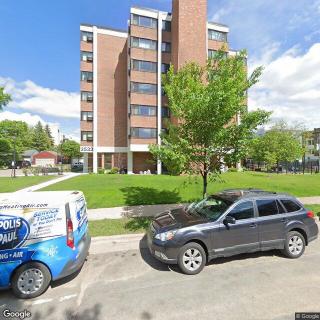
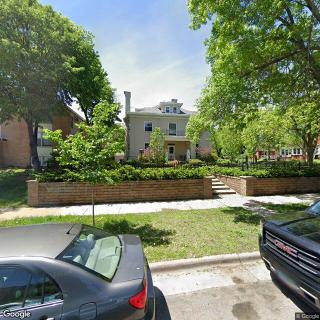
8 East 27Th Street, Minneapolis, MN 55408
For more information about senior living options: (866) 208-4318
Overall Review of Batalo Home Health Care
Pros
 The PCA service provides a positive, supportive experience.
- The caregivers are professional, attentive, and compassionate.
- They assist with tasks like bathing, meal prep, and medication reminders, making daily life easier.
- The care feels personalized because staff take the time to understand clients’ needs.
- There is a sense of consistency and trust.
- Clients feel supported and well taken care of.
- The services are highly recommended for anyone in need of daily assistance.
- The PCA offers excellent customer service and has a professional leadership team.
Review
This community is best suited for Minneapolis-area seniors who want dependable, at-home daily living support delivered by Personal Care Assistants. The reviews portray PCA-backed care as a practical lifeline for tasks that become challenging with age, bathing, meal preparation, medication reminders, and routine errands, supplied by professional, attentive, and genuinely compassionate caregivers. The strongest fit is for individuals who value a personalized approach: aides who take time to understand specific routines, preferences, and needs, and who can foster a sense of consistency and trust in day-to-day care. For families prioritizing reliable hands-on assistance without moving into a more formal facility, this model aligns well with that goal.
Those who may want to consider alternatives include individuals requiring round-the-clock medical supervision, highly specialized clinical services, or a robust social environment built into a longer-term living arrangement. If the plan calls for continuous skilled nursing oversight, complex therapies, or a comprehensive community setting with structured activities and peer interaction beyond home care, an assisted living community or a more medicalized care option could be a better fit. Likewise, those operating on tighter budgets or seeking a broader range of campus amenities might find other providers or arrangements more suitable to their financial and lifestyle expectations.
The key strengths, professionalism, attentiveness, and a compassionate approach, do not exist in isolation. They are backed by a leadership and customer-service culture that translates into practical coordination and dependable communication. The reviews highlight not only the caliber of individual caregivers but also a responsive support structure that helps families navigate scheduling, care plans, and ongoing adjustments. This combination reduces typical care-friction worries, such as gaps in coverage or misaligned expectations, by creating a predictable, communicative service framework that families can rely on.
A core strength of this provider is its ability to convert everyday tasks into a consistent, personalized care routine. Caregivers’ familiarity with each client’s preferences and routines translates into fewer surprises and a greater sense of security for both seniors and their families. The inclusion of medication reminders is especially meaningful, signaling a proactive stance on health management rather than mere task execution. While this model excels at daily living support, it naturally may not replace more intensive medical services. When medical needs grow beyond ADLs and basic reminders, the benefits of the PCA-driven approach remain substantial but must be weighed against the necessity for more comprehensive clinical care.
Potential clients should be clear about who may not be the best fit. If the priority is continuous clinical oversight, frequent visits by licensed nurses, or access to a broad spectrum of on-site therapies and social programming, alternatives offering more comprehensive medical staffing and community life should be explored. The current feedback underscores strong primary support and leadership, but it does not present evidence of 24/7 guaranteed medical coverage or facility-based social programming. Those with such needs may find advantages elsewhere, while recognizing that for straightforward daily assistance, the described model delivers dependable, compassionate help.
In deciding whether this is the right move, families should request a concrete care plan that names caregivers, visit frequency, and the exact tasks covered with clear expectations. Ask for how staff continuity is maintained and how scheduling changes are managed, along with a point of contact within leadership for rapid resolution of concerns. Consider a short-term trial period to assess compatibility and responsiveness, and verify how medication management is coordinated with any existing healthcare providers. If these elements align with the care goals and budget, this home-based PCA model offers a practical, trustworthy pathway to sustaining independence and dignity at home.
 21 resident community capacity
 Assisted Living
 Beauty salon
 Cable or satellite TV
 Dining room
 Fully furnished
 Garden
 Housekeeping services
 Kitchenette
 Move-in coordination
 Outdoor space
 Telephone
 Wi-Fi/high-speed internet available
 Minneapolis-St Paul International (6 miles away)
 24-hour call system
 Activities of daily living assistance
 Assistance with bathing
 Assistance with dressing
 Assistance with transfers
 Diabetes diet
 Meal preparation and service
 Medication management
 Mental wellness program
 Special dietary restrictions
 Transportation arrangement (medical)
 Transportation to doctors appointments

 Comprehensive Residential Support and Assisted Living Solutions for Individuals with Disabilities
 Comprehensive Supportive Living Arrangements for Adults with Disabilities
 Funding and Affording Assisted Living: A Thorough Overview