Assisted Living In Heritage Ha in Bloomington, MN

Save

  • Interior

    A cozy living room with large windows, a sofa, and a coffee table.
  • Building

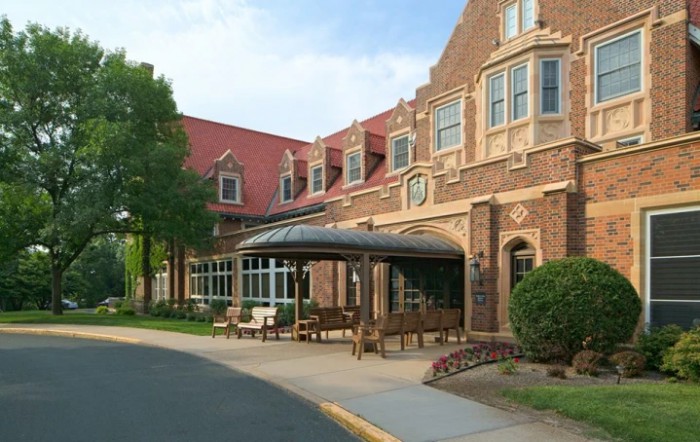
    A picturesque building with a red roof and arched entrance surrounded by greenery.
  • Architecture

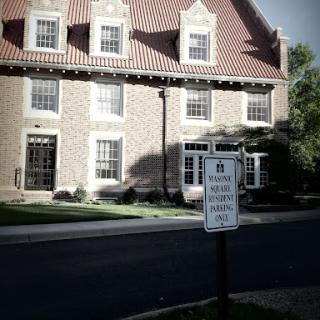
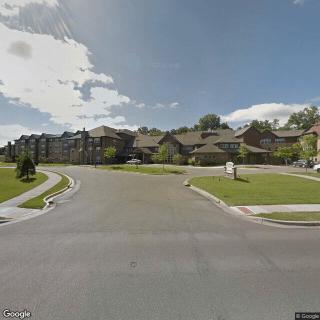
    A charming architectural structure with a notable roof design, accompanied by a street sign.
  • Trees

    Aerial view of a university campus surrounded by lush greenery.
  • Landscaping

    Aerial view of a college campus surrounded by lush greenery.
  • Lighting

    An elegant lobby showcasing classic architectural elements and a grand chandelier.
  • Entrance

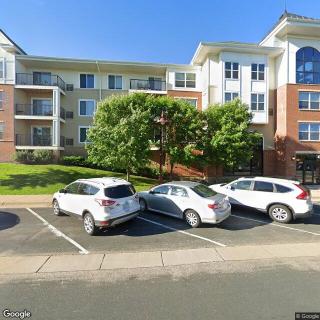
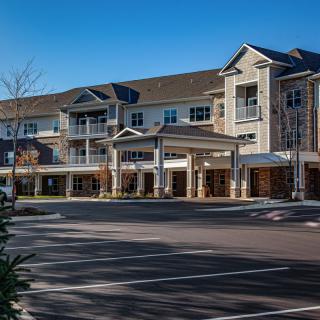
    A modern brick building featuring a welcoming entrance and well-maintained landscaping.
  • Outdoor

    The entrance sign of a Masonic home, surrounded by well-maintained landscaping and a clear blue sky.

Assisted Living In Heritage Ha in Bloomington, MN

Information last verified:

11501 Masonic Home Drive, Bloomington, MN 55437

For more information about senior living options: (844) 490-3973

4.1 from 38 reviews
5 stars
26
4 stars
3
3 stars
1
2 stars
1
1 stars
7

Overall Review of Assisted Living In Heritage Ha

Pros

  • pro The grounds are beautiful and the staff are great.
  • pro The level of care is commendable, with no long wait times for assistance.
  • pro The food quality is better than acceptable.
  • pro Residents enjoy regular activities and social events, like bingo.
  • pro The landscaping around the building adds to overall satisfaction.
  • pro The mini-mart and gift shop offer a good selection of essentials and charming items.
  • pro The grill provides a pleasant space for lunch with family and friends.
  • pro There is a small library with a variety of books available for borrowing.
  • pro MN Masonic ranks among the top three facilities.
  • pro The Transitional Care Unit offers wonderful therapy, including PT, OT, group, and speech.

Cons

  • pro The nursing care was repeatedly inadequate, with residents going days without a shower or bath.
  • pro Staff did not consistently provide daily hearing aids, hindering therapy.
  • pro A resident was found wet with urine, indicating serious supervision failures.
  • pro There were frequent medication issues, including unexplained changes and medications not being returned.
  • pro Communication among doctors, nurses, therapists, and patients was virtually nonexistent, leaving patients uninformed about their care.
  • pro Management was criticized as unresponsive and biased, suggesting a negative leadership culture.
  • pro Weekend staff were described as markedly worse, with nursing assistants often labeled as terrible.
  • pro The Transitional Care Unit was described as a nightmare with little assistance and poor care.

Review

This Bloomington assisted living campus is best suited for families prioritizing aggressive rehabilitation within a multi-level care setting. The strongest draw is the Transitional Care Unit, where therapy, particularly physical and occupational therapy and speech, receives consistently high marks and often drives patient recovery timelines. The facility’s campus feel, attractive grounds, and social infrastructure, bingo, regular activities, a small library, a grill for quick visits, and a mini-mart, round out the practical appeal for short-term post-acute stays and smoother transitions between care levels.

Those considering alternatives should note that day-to-day nursing and care delivery receive highly mixed reviews. A substantial portion of experiences highlighted problems with routine custodial care, including delays in showers or daily tasks, inconsistent attention to medical devices like hearing aids, and, in some cases, lapses around medication administration and documentation. Several reviews describe communication gaps among doctors, nurses, and therapists, and even alarming lapses in safety and monitoring. For families that expect transparent, proactive updates and reliable daily support, these reports warrant serious scrutiny.

The key pros, exceptional rehab outcomes, attentive and capable therapy teams, and a well-appointed campus with meaningful amenities, offer a compelling counterbalance to the cons. When the focus is on recovering function after knee or hip procedures, the unit’s therapists have earned praise for their knowledge, responsiveness, and intensity, with several residents describing a rapid, well-coordinated recovery pathway. Such strengths are particularly valuable for caregivers who want a facility equipped to push progress through structured, daily therapy and who appreciate the social and recreational opportunities that help residents stay engaged during recovery.

However, the main cons cannot be dismissed as minor friction. Recurrent concerns about nursing care suggest that the daily experience, how residents are bathed, dressed, and monitored, can vary considerably by shift and unit. The consistency and clarity of medication management also emerge as persistent red flags, including unanswered questions about why medication changes occur and whether controls are being properly tracked. Communication breakdowns that leave families feeling out of the loop or unsure about a resident’s pain, safety, and overall trajectory undermine trust and should be a deal-breaker for those who demand rigorous care coordination.

Ultimately, the pros and cons must be weighed against the resident’s primary goals. If the objective is to maximize functional gains quickly after surgery, and a family can devote time to oversight and advocacy, checking on therapy plans, confirming medication changes, and ensuring prompt attention to daily care tasks, the rehabilitation strengths can justify choosing this community. The campus model, with its continuity of care across independent living, assisted living, transitional care, and longer-term options, supports a logical progression as needs evolve, which is a meaningful efficiency for families planning ahead.

For those whose priority is dependable, high-touch daily care and unwavering nurse- and doctor-level communication, alternatives may provide a more predictable experience. Prospective residents should request a candid care conference, speak directly with the therapy team about expected schedules and goals, and probe weekend staffing levels and incident histories. If proceeding, set up a formal advocate or family liaison to monitor medications, chart changes, and discharge planning. A trial stay or a clearly defined short-term admission can help determine whether the rehab-focused strengths truly align with the day-to-day care expectations, before committing to a longer-term arrangement.

Features

Housing

  • 21 resident community capacity 21 resident community capacity

Types of Care

  • Assisted Living Assisted LivingAssisted living facilities provide crucial support and care for seniors who may need help with daily tasks such as medication management, bathing, and meal preparation. These communities offer a safe and comfortable environment where seniors can maintain their independence while receiving the assistance they need to thrive in their golden years.
  • Skilled Nursing Facility Skilled Nursing FacilitySkilled Nursing Facilities are crucial for seniors as they provide round-the-clock medical care, rehabilitation services, and assistance with daily activities. These facilities ensure that seniors receive the specialized care they need to maintain their health and well-being as they age.

Amenities

  • Beauty salon Beauty salonBeauty salons are important for seniors because they provide a space for them to feel pampered, socialize, and maintain their personal grooming and hygiene. Regular visits to a beauty salon can help boost seniors' self-esteem and overall well-being.
  • Cable or satellite TV Cable or satellite TVCable or satellite TV is important for seniors because it provides entertainment, news, and companionship, helping to combat loneliness and boredom. It also offers a wide range of programming options tailored to different interests and preferences.
  • Dining room Dining roomDining rooms are important for seniors as they provide a space for socialization, connection, and nutritious meals. They offer opportunities for residents to bond over shared meals, foster a sense of community, and promote healthy eating habits. Dining rooms also ensure that seniors have access to well-balanced meals tailored to their dietary needs and preferences.
  • Fully furnished Fully furnishedFully furnished senior living communities are important for seniors because they provide convenience, comfort, and a hassle-free moving experience. Seniors can easily settle into their new living space without the stress of having to buy and move furniture. This allows them to focus on enjoying their new home and community.
  • Garden GardenGardens are important for seniors as they provide a peaceful and therapeutic environment for relaxation, physical activity, and socialization. Being in nature has been shown to reduce stress, improve mood, and promote overall well-being. Gardens also offer opportunities for seniors to engage in gardening activities, which can improve mobility, flexibility, and cognitive function. Additionally, gardens create a sense of community and connection with others who share a passion for plants and outdoor spaces.
  • Housekeeping services Housekeeping servicesHousekeeping services are important for seniors because they help maintain a clean and safe living environment, promote independence, and reduce the risk of accidents or illnesses. Additionally, having assistance with household chores can alleviate physical strain and allow seniors to focus on other aspects of their well-being.
  • Kitchenette KitchenetteKitchenettes are important for seniors living in senior living communities because they provide the convenience and independence of being able to prepare simple meals and snacks in the comfort of their own living space. This can help promote a sense of autonomy and well-being for seniors, allowing them to maintain some level of control over their dietary choices and daily routines.
  • Move-in coordination Move-in coordinationMove-in coordination is important for seniors because it helps ease the transition into their new living environment. It ensures that all logistics, such as packing, organizing movers, and setting up utilities are taken care of, allowing seniors to focus on settling in and adjusting to their new home. Having a smooth move-in process can alleviate stress and anxiety, making the transition smoother and more enjoyable for seniors.
  • Outdoor space Outdoor spaceOutdoor spaces are important for seniors as they provide opportunities for physical activity, social interaction, exposure to natural light and fresh air, and a sense of connection to nature. Having access to outdoor spaces can improve overall well-being and quality of life for older adults living in senior communities.
  • Telephone TelephoneTelephones are important for seniors as they provide a lifeline for communication with loved ones, emergency services, and healthcare providers. They offer a sense of security and independence, enabling seniors to stay connected and access assistance when needed.
  • Wi-Fi/high-speed internet available Wi-Fi/high-speed internet availableWi-Fi/high-speed internet is important for seniors to stay connected with loved ones, access online resources, and participate in virtual activities to combat feelings of loneliness and isolation. It also allows them to easily manage healthcare needs, access entertainment, and engage in lifelong learning opportunities.

Transportation

  • Minneapolis-St Paul International (9 miles away) Minneapolis-St Paul International (9 miles away)

Care Services

  • 24-hour call system 24-hour call system24-hour call systems are important for seniors because they provide peace of mind and immediate assistance in case of emergencies. This technology ensures that help is always available, promoting safety and security for elderly individuals living alone or in assisted living facilities.
  • 24-hour supervision 24-hour supervision24-hour supervision is important for seniors to ensure their safety, well-being, and access to immediate assistance in case of emergencies or health issues. This constant support provides peace of mind for both seniors and their loved ones, allowing them to age in place with dignity and security.
  • Activities of daily living assistance Activities of daily living assistanceActivities of daily living assistance are important for seniors because they provide essential support with tasks such as eating, bathing, dressing, and mobility. This assistance helps seniors maintain their independence, dignity, and overall quality of life as they age.
  • Assistance with bathing Assistance with bathingAssistance with bathing is crucial for seniors as it helps maintain personal hygiene, prevents infections, and ensures their overall well-being and comfort. It also provides a sense of dignity and independence for seniors who may struggle with this task on their own.
  • Assistance with dressing Assistance with dressingAssistance with dressing is important for seniors because it helps maintain their independence, promotes personal hygiene, prevents accidents and injuries, and improves overall quality of life. This service ensures that seniors can continue to dress comfortably and confidently, despite any physical limitations they may have.
  • Assistance with transfers Assistance with transfersAssistance with transfers is crucial for seniors as it helps prevent falls and injuries, maintains their independence, and ensures they can safely navigate their living environment. It also provides peace of mind for both seniors and their loved ones.
  • Coordination with health care providers Coordination with health care providersCoordination with health care providers is crucial for seniors to ensure proper medical care, medication management, and overall well-being. This collaboration helps prevent overlapping treatments, track progress more effectively, and provide comprehensive support tailored to individual needs.
  • Diabetes diet Diabetes dietA diabetes diet is crucial for seniors as it helps manage blood sugar levels, reduce risks of complications, and improve overall health and well-being. By following a balanced and nutritious diet tailored to their specific needs, seniors can better control their diabetes and enhance their quality of life.
  • Meal preparation and service Meal preparation and serviceMeal preparation and service are crucial for seniors as they may have limited mobility or energy to cook nutritious meals. Having access to healthy and convenient food options can ensure they are getting the proper nutrition needed to maintain their overall health and well-being.
  • Medication management Medication managementMedication management is crucial for seniors to ensure they are taking the right medications at the correct dosages and times. This helps prevent adverse drug interactions, reduces the risk of medication errors, and promotes overall health and well-being. Proactive management also allows for adjustments as needed based on changing health conditions or new prescriptions.
  • Mental wellness program Mental wellness programMental wellness programs are essential for seniors as they promote cognitive stimulation, emotional support, and social engagement. These programs help prevent isolation, depression, and cognitive decline, ultimately enhancing the overall quality of life for older adults.
  • Special dietary restrictions Special dietary restrictionsSpecial dietary restrictions are important for seniors because age-related changes in metabolism and health conditions can make it difficult for their bodies to process certain foods. By following a diet tailored to their specific needs, seniors can maintain their overall health and well-being, manage chronic conditions, and reduce the risk of complications such as malnutrition or food interactions with medications.
  • Transportation arrangement (medical) Transportation arrangement (medical)Transportation arrangements for medical purposes are essential for seniors as they may have difficulty driving themselves to appointments or accessing public transportation. Having reliable and safe transportation options ensures that seniors can receive timely medical care and maintain their health and well-being.
  • Transportation to doctors appointments Transportation to doctors appointmentsTransportation to doctors' appointments is crucial for seniors as it ensures they have access to necessary medical care and support for their health needs. Without reliable transportation, seniors may struggle to attend important appointments, leading to potential delays in treatment and health complications. Providing transportation services helps seniors maintain their overall well-being and quality of life.

Dining

  • Diabetes diet Diabetes dietA diabetes diet is crucial for seniors as it helps manage blood sugar levels, reduce risks of complications, and improve overall health and well-being. By following a balanced and nutritious diet tailored to their specific needs, seniors can better control their diabetes and enhance their quality of life.
  • Special dietary restrictions Special dietary restrictionsSpecial dietary restrictions are important for seniors because age-related changes in metabolism and health conditions can make it difficult for their bodies to process certain foods. By following a diet tailored to their specific needs, seniors can maintain their overall health and well-being, manage chronic conditions, and reduce the risk of complications such as malnutrition or food interactions with medications.

Activities

  • Community-sponsored activities Community-sponsored activitiesCommunity-sponsored activities are important for seniors as they provide opportunities for social interaction, mental stimulation, and physical activity. These activities can help improve overall well-being, combat loneliness and isolation, and promote a sense of belonging and purpose among older adults.
  • Scheduled daily activities Scheduled daily activitiesScheduled daily activities are important for seniors because they provide structure, socialization, mental stimulation, and physical activity. Engaging in regular activities can improve overall well-being and quality of life for seniors living in a community setting.

Description

Heritage Ha in Bloomington, MN is an assisted living community that offers skilled nursing facility care. Our residents enjoy a comfortable and fully furnished living environment with amenities such as cable or satellite TV, a dining room, and a kitchenette. We also provide housekeeping services to ensure a clean and tidy living space.

Our outdoor spaces, including a beautiful garden, offer opportunities for residents to enjoy nature and relax. We understand the importance of staying connected, which is why we provide access to telephone services as well as Wi-Fi/high-speed internet.

At Heritage Ha, our dedicated staff provides 24-hour supervision and assistance with activities of daily living such as bathing, dressing, and transfers. We work closely with healthcare providers to ensure seamless coordination of care for our residents. Our team also specializes in diabetes diet management and can accommodate special dietary restrictions.

We take pride in our meal preparation and service, providing delicious and nutritious meals for our residents. Medication management services are also available to ensure the proper administration of medications. Additionally, we offer a mental wellness program to support the emotional wellbeing of our residents.

Transportation arrangements for medical appointments are made on behalf of our residents, ensuring they have access to essential healthcare services. In addition to medical transportation, we provide transportation to doctors' appointments.

In terms of nearby amenities, Heritage Ha is conveniently located near various cafes, parks, pharmacies, physicians' offices, restaurants, and hospitals. Residents can easily access these establishments for leisure activities or healthcare needs.

Overall, Heritage Ha provides a welcoming and supportive environment where residents receive personalized care tailored to their unique needs while enjoying a range of amenities and nearby conveniences.

Nearby Places of Interest

Pharmacies

  • Walgreens (1.2 miles)
  • Geritom Medical (1.5 miles)
  • Walgreens (3.1 miles)
  • Walgreens (3.8 miles)
  • CVS Pharmacy (3.8 miles)
  • Minnesota Medical Solutions (3.9 miles)
  • CVS Pharmacy (4.2 miles)

Restaurants

  • McDonald's (2.1 miles)
  • Denny's (3.3 miles)
  • McHugh's Public House (3.4 miles)
  • Mccoys Copper Pint (3.5 miles)
  • McDonald's (3.5 miles)
  • Chili's Grill & Bar (3.5 miles)
  • Sonic Drive-In (3.5 miles)

Parks

  • Hyland Lake Park Reserve (2.3 miles)
  • Centennial Lakes Park (5 miles)
  • Greenhaven Park (5.6 miles)
  • McGuire Park (5.8 miles)
  • Lakefront Park (6.5 miles)
  • Keller Park (7 miles)
  • Lac Lavon Park (7.1 miles)

Physicians

  • Minnesota Eye Consultants (3.4 miles)
  • Savage Family Eye Clinic (3.4 miles)
  • Fairview Clinics (3.6 miles)
  • Twin Cities Orthopedics Burnsville (4.1 miles)
  • Park Nicollet Clinic and Specialty Center Burnsville (4.8 miles)
  • Fairview Ridges Specialty Care Center Park Nicollet Obgyn (4.8 miles)
  • Endocrinology Clinic of Minneapolis (4.9 miles)

Cafes

  • Caribou Coffee (3.8 miles)
  • Caribou Coffee (3.8 miles)
  • Caribou Coffee (3.9 miles)
  • Starbucks (4.2 miles)
  • Panera Bread (4.5 miles)
  • Starbucks (5 miles)
  • Panera Bread (5.4 miles)

Hospitals

  • Fairview Ridges Hospital (4.9 miles)
  • Abbott Northwestern Center For Outpatient Care (5.1 miles)
  • Fairview Southdale Hospital (6.3 miles)

Theaters

  • 0705 Amc Southdale 16 (5.9 miles)
  • Emagine Eagan (6.8 miles)

Transportation

  • Mall of America LRT Station (6.7 miles)

Places of Worship

  • Grace Church (6.9 miles)
  • St Michael Catholic Church (7 miles)

Frequently Asked Questions

Where is Assisted Living In Heritage Ha?
What photos are available for Assisted Living In Heritage Ha in Bloomington, Minnesota?

Nearby Communities

  • Quality Care Services

    Quality Care Services

    Bloomington, MN


    pro Comprehensive, 24/7 care in a furnished, cozy setting.


  • Founders Ridge

    Founders Ridge

    Bloomington, MN

    4.2 from 30 reviews
     

    pro Clean, modern facility with friendly staff and extensive amenities

  • Metro Assisted Living And Reha

    Metro Assisted Living And Reha

    Bloomington, MN

    3.3 from 83 reviews
     

    pro Spacious, fully furnished apartments with 24/7 supervision and restaurant-style dining.

  • Touching Lives Adult Day Services

    Touching Lives Adult Day Services

    Savage, MN

    1 from 1 review
     

    pro 24-hour supervision with ADL support, medication management, and engaging activities in a furnished, Wi-Fi-enabled setting.

  • The Hamilton

    The Hamilton

    Savage, MN

    3 from 2 reviews
     

    pro Private independent-living apartments with access to abundant nearby amenities (cafes, parks, pharmacies, physicians, restaurants, and a hospital).

  • Glendale Place

    Glendale Place

    Savage, MN

    5 from 5 reviews
     

    pro Prime location with nearby cafes, parks, pharmacies, doctors, restaurants, and hospitals.

  • Amira Choice of Bloomington

    Amira Choice of Bloomington

    Bloomington, MN

    4.3 from 35 reviews
    $2,515 to $4,265 / month

    pro Beautiful, resort-like building with good food and engaging activities.

  • Prairie Bluffs Senior Living

    Prairie Bluffs Senior Living

    Eden Prairie, MN

    3.5 from 32 reviews
    $2,780 to $3,480 / month

    pro Friendly staff, engaging activities, and clean, modern facilities.

  • Valley Ridge

    Valley Ridge

    Burnsville, MN

    4.5 from 38 reviews
     

    pro Transparent point-based pricing with included meals; spacious, well-lit layout; attentive, community-focused staff.

Related Resources

  • assisted living for disabled adultsComprehensive Supportive Living Arrangements for Adults with Disabilities

    Assisted living for adults with disabilities has transformed to provide personalized care and support services aimed at improving residents' quality of life while balancing independence and assistance. However, low-income individuals often face challenges in affording these services, requiring navigation of various financial resources and advocacy for better policies and solutions.

  • how to pay for assisted livingFunding and Affording Assisted Living: A Thorough Overview

    Assisted living facilities provide support for older adults needing help with daily activities without extensive medical care, but their costs can be high and vary by location and services offered. Families often seek various funding options and financial strategies to manage these expenses effectively while considering future needs and potential price increases.

  • assisted living insuranceAssisted Living Expenses and Long-Term Care Insurance: A Comprehensive Exploration


    The article discusses assisted living expenses, the importance of long-term care insurance in covering these costs, and various financing options, highlighting the need for careful policy review and early planning to address potential needs. It also clarifies common misconceptions about Medicare and private health insurance limitations regarding long-term care coverage.