
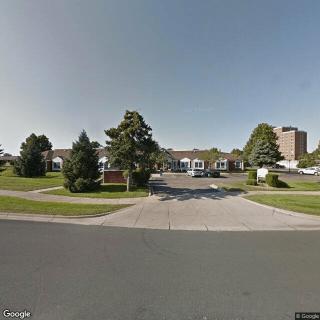
4913 Winchester Lane, Brooklyn Center, MN 55429
For more information about senior living options: (866) 208-4318
Overall Review of Ashton Homes
Cons
 They describe neglect by staff and clients in two group homes.
- They allege marijuana use by staff and residents.
- They claim the second group home didn't document smoking and wouldn't inform the resident's doctor.
- They assert food was provided only after yelling or causing a fuss, and they weren’t reimbursed for weeks.
- They accuse staff of stealing food.
- They say there were no activities until complaints were made.
- They say they couldn't rate the place higher than one star.
Review
This community is best avoided for families seeking dependable, respectful care in Brooklyn Center. Ashton Homes tends to resist the sort of professional, consistently attentive oversight that most seniors require. If a niche exists, it would be for residents whose families can devote constant monitoring and who are prepared to push relentlessly for accountability from staff. In practice, that means a hands-on, vigilantly managed placement rather than a hands-off, standard-assisted living experience. The available accounts portray a setting where basic daily care is not reliably guaranteed and where supervision is not consistently present. For families hoping for predictable routines, transparent staff interactions, and prompt response to needs, this community does not meet those criteria.
Alternatives demand serious consideration for any elder with typical levels of dependency or a desire for dignity and safety. Those who prioritize reliable meals, documented care, and engaging activity schedules should look elsewhere, preferably at facilities with strong licensing histories, low staff turnover, and proactive communication with family members and physicians. Prospective residents can benefit from reviewing state inspection reports, speaking with current residents and families, and verifying the presence of clear policies that prevent food misappropriation, ensure timely meals, and document all health and behavior-related events.
From the reviews, the few potential positives would be a small, home-like environment and the possibility of closer, direct supervision when staff are present. Yet these potential advantages do not offset the predominant failings. Reports describe significant neglect, allegations of marijuana use among staff and residents, and a culture where informal tolerance of rule-breaking was implied rather than eradicated. The most troubling elements include not being documented when smoking in rooms, distrust between residents and doctors, and a pattern of residents needing to raise their voices to obtain basic essentials like meals. Add in months without reimbursement and claims of food theft by staff, and the overall picture is one of fragile integrity and unstable daily life. Activities, a core component of quality living, were reportedly absent until complaints forced action, underscoring a systemic lack of proactive engagement.
Anyone considering this community should demand concrete, verifiable assurances before move-in. Request recent licensing inspections and any corrective actions, a formalized care plan with scheduled reviews, and explicit documentation protocols for meals, medications, and communications with medical professionals. Ask for a transparent incident log, remediation steps for reported neglect or misconduct, and clear rules around resident privacy and autonomy. Cross-check with current residents’ families about responsiveness, and confirm that any group-home setting operates under predictable routines rather than episodic interventions prompted by complaints.
To mitigate risk, insist on a short trial period with a clearly defined exit strategy, preferably with third-party oversight of daily care and meals during that period. Require a binding service agreement that enumerates duties, response times, and penalties for lapses. Consider engaging a licensed home health agency or an independent caregiver to provide supplementary oversight, meal services, and activity coordination. If staying, maintain a strict schedule of check-ins, ensure doctor communications are forwarded, and set up monthly reviews to audit care quality and budget reimbursements.
Overall, the red flags outrun any potential convenience in Ashton Homes. For families prioritizing safety, dignity, and dependable daily living, this community is not the recommended option. Alternatives with transparent staffing, consistent programming, and proven accountability will better serve seniors who require steady support and responsive care.
 21 resident community capacity
 Assisted Living
 Beauty salon
 Cable or satellite TV
 Dining room
 Fully furnished
 Garden
 Housekeeping services
 Kitchenette
 Move-in coordination
 Outdoor space
 Telephone
 Wi-Fi/high-speed internet available
 Minneapolis-St Paul International (15 miles away)
 24-hour call system
 Activities of daily living assistance
 Assistance with bathing
 Assistance with dressing
 Assistance with transfers
 Diabetes diet
 Meal preparation and service
 Medication management
 Mental wellness program
 Special dietary restrictions
 Transportation arrangement (medical)
 Transportation to doctors appointments
 Small, intimate setting with comprehensive care and on-site amenities.

 Assisted Living and Memory Care: Understanding Their Core Differences
 Beyond the Bingo Hall: 50+ Enriching Activities for Seniors in Assisted Living
 Understanding the Distinctions: Assisted Living and Memory Care Explained