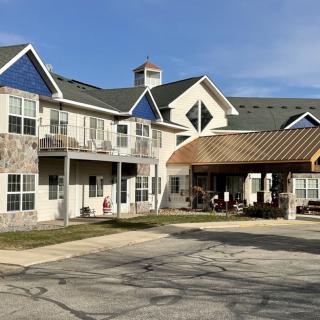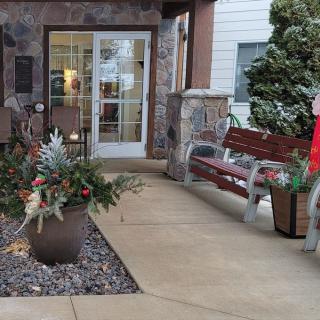
410 East Main Street, Leroy, MN 55951
For more information about senior living options: (866) 208-4318
Overall Review of Wildwood Grove
Pros
 The care is excellent.
- Residents are safe and well-cared for.
- The staff are very kind and go above and beyond.
- Pendants are provided and answered in-house to address residents' needs.
- Residents have many options for enjoyment, including bingo, church services, movies, and music.
- The atmosphere feels like home.
- Wildwood Grove is highly recommended for memory care.
- The staff are helpful and the meals are good.
Cons
 The facility won’t allow visitors and restricts residents from walking in the hallway.
- The administrator is rude to both residents and families.
- The administrator and other staff enter apartments without knocking.
- Nurses don’t do their jobs appropriately and lack follow-through.
- Management and staff are not well trained.
- Residents are locked into their wing or floor and aren’t given time to get fresh air.
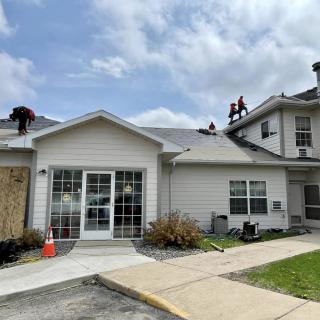
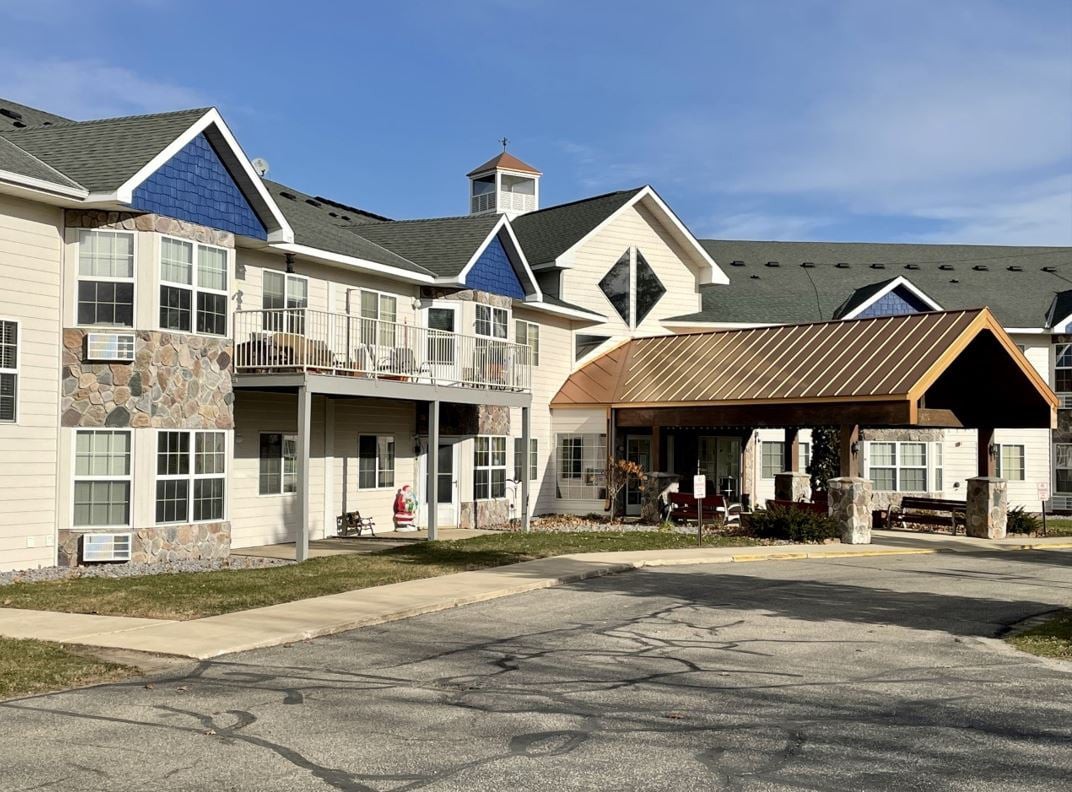
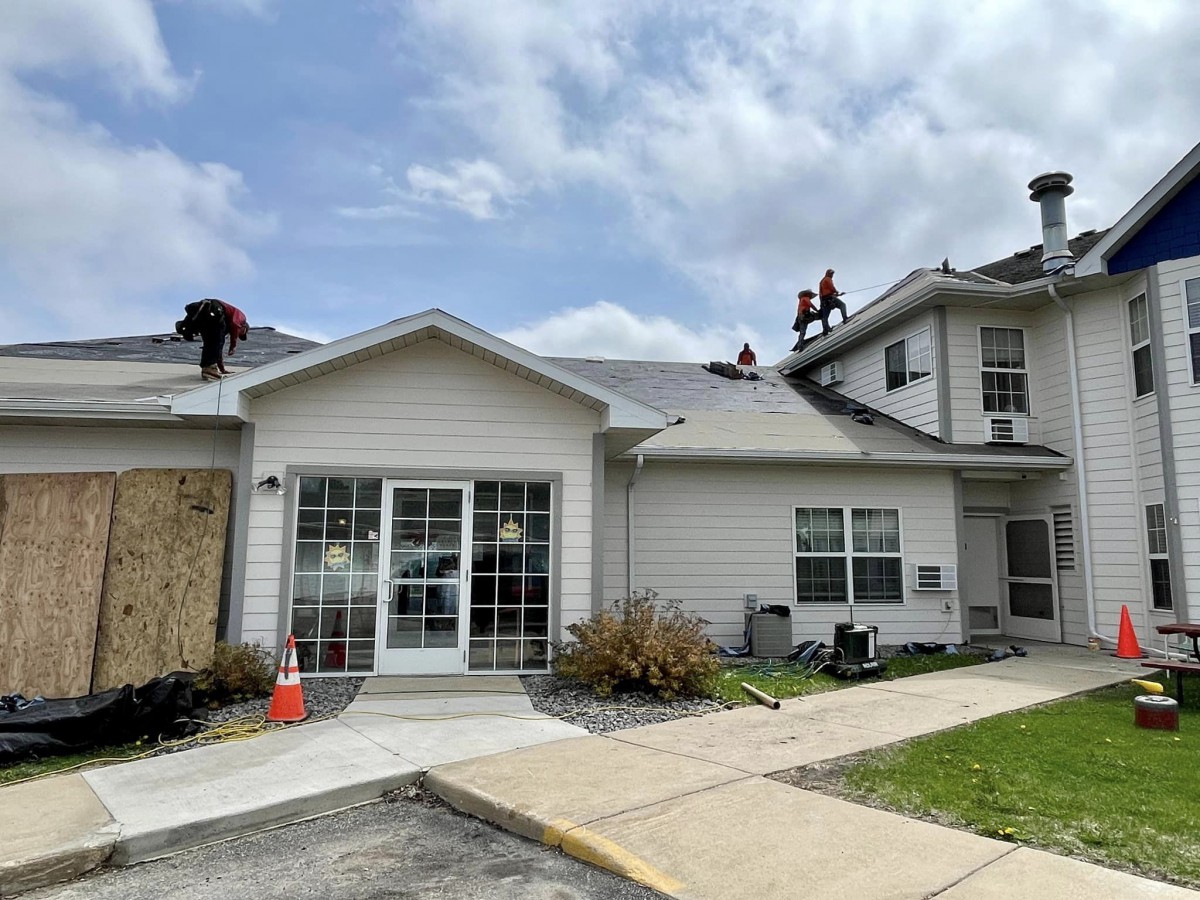
- The place is dilapidated and in need of repairs.
- Caregivers are untrained.
- The reviewer would not recommend the facility.
- They caution others not to place a loved one there.
Review
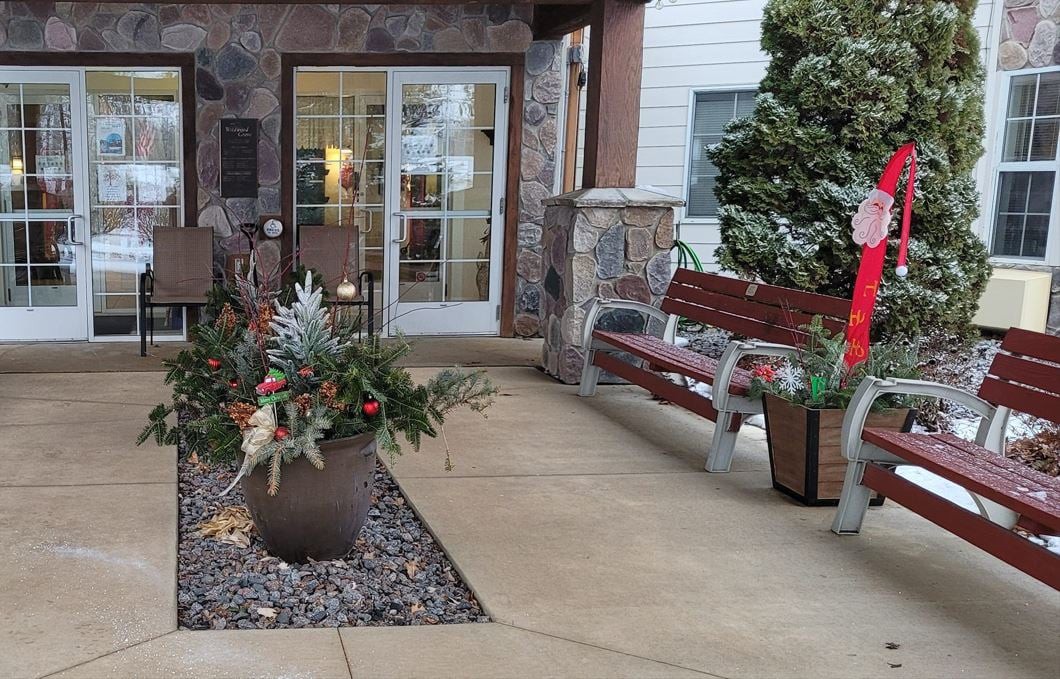
Wildwood Grove in Leroy, MN is best suited for families prioritizing memory-care support in a small-town setting, where the care team is reputedly compassionate, engaged, and consistently resident-focused. The strongest draw lies in the memory-care unit, where families commonly report excellent care, safe monitoring, and staff who go above and beyond. Residents typically enjoy a home-like atmosphere, regular activities, and accessible safety features such as in-house pendants that prompt timely assistance. The facility’s atmosphere and demonstrated willingness to update certain spaces contribute to a sense of comfort and reliability for loved ones who need steady, attentive supervision.
At the same time, a clear caveat pattern runs through the feedback: this community may not be the right fit for families that demand open visitation, unimpeded movement, and a consistently seamless administrative experience. Several reviews highlight a restricted environment, limited opportunities to stroll corridors, no easy outside exercise, and near-constant reminders of security protocols that can feel confining. When visitation or casual family involvement matters, the current reality can be frustrating. For some, the impression of management as cases rise and fall in training and responsiveness will push them to look elsewhere.
The pros, especially in memory care, often offset many concerns, but not all. The strongest offset is the demonstrated quality of care for residents who need memory support: patients appear safe, well-tended, and supported by staff who identify needs and respond, sometimes beyond what families expect. Meals are well-regarded, and daily programming, bingo, church services, movies, and music, delivers meaningful engagement that supports mood and connection. The presence of in-house pendants and rapid response adds a practical safety net, which matters greatly for families balancing oversight from a distance. A home-like vibe and occasional updates to the interior also help reassure families seeking warmth alongside clinical attentiveness.
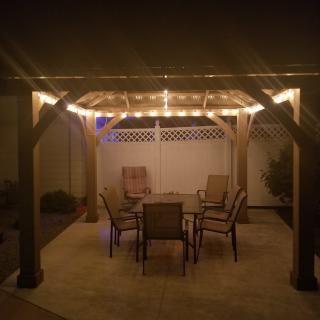
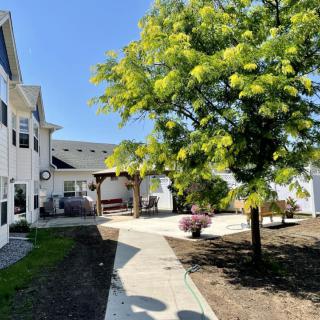
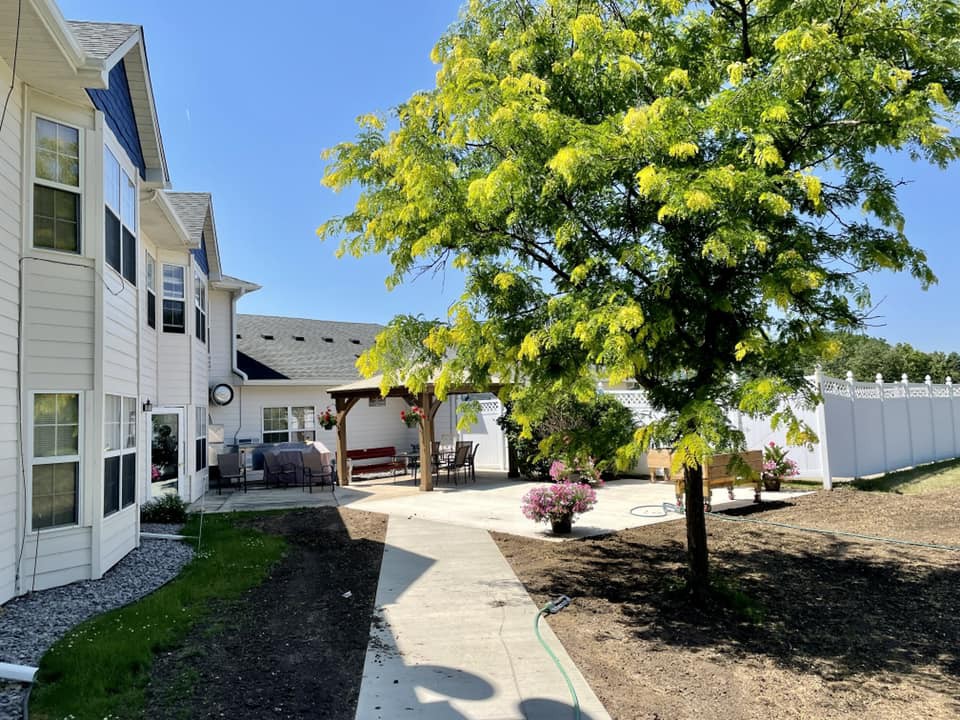
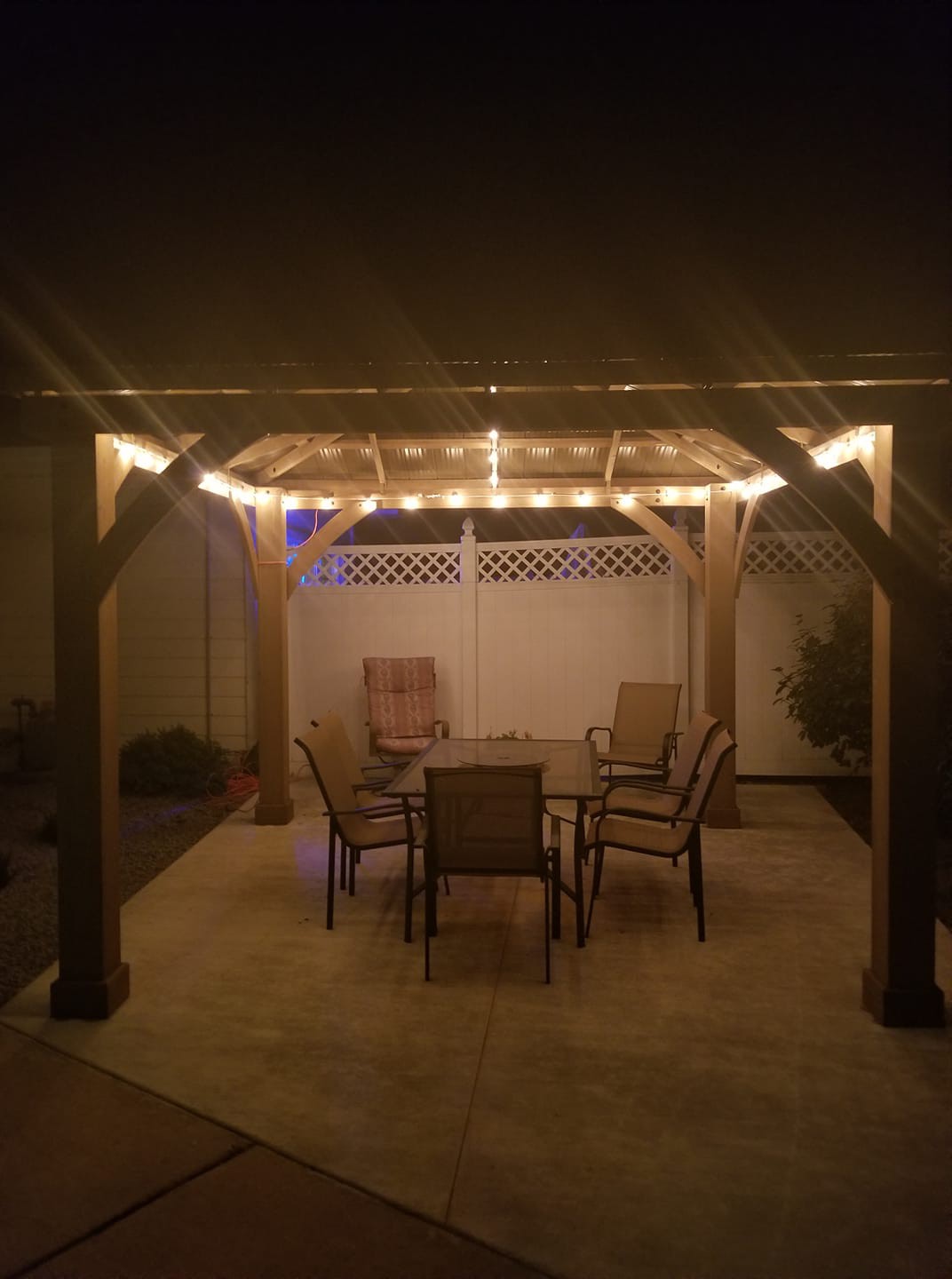
Where the offset lessens in impact is in the procedural and environmental irritants noted by multiple observers. Allegations of rude administrative interactions, residents’ rooms entered without knocking, and nurses who reportedly fail to follow through on care plans raise legitimate concerns about consistency and respect. The most tangible quality-of-life issue is the degree of restriction: residents are described as locked into wings or floors with limited opportunities for air, exercise, or spontaneous movement, and the facility’s staffing and policy framework around visitation can feel constraining rather than collaborative. Even improvements, like a small fenced outdoor area added after months of requests, arrive as partial fixes rather than wholesale changes to culture or access.
Practically, families weighing Wildwood Grove should enter with a clear checklist and a plan for due diligence. Request a candid meeting with the memory-care director and several frontline supervisors to observe daily routines, caregiver assignments, and how care plans are communicated and updated. Probe staffing levels, especially across shifts, and ask to review training protocols, incident logs, and response times. Seek confirmation on the exact policies around apartment entries, privacy, and consent for movement outside secure wings; insist on touring outdoor spaces to assess how much fresh air and exercise are realistically available. Speak with current residents and families about consistency, responsiveness, and the placebo effect of updated décor versus lasting culture change.
Ultimately, Wildwood Grove offers a credible, even strong option for memory-care-focused families who prize safety, daily engagement, and a warm, home-like environment, with the caveats that administrative demeanor and movement restrictions require careful consideration. For households where open visitation, resident autonomy, and consistently proactive leadership are non-negotiable, it may be prudent to explore alternates that deliver brighter freedom and smoother day-to-day operations. The facility’s advantages in compassionate, attentive memory care, combined with a tight-knit atmosphere and engaging activities, justify a serious look, so long as the concerns over administration, privacy, and restricted movement are addressed to the family’s satisfaction before making a commitment.
 21 resident community capacity
 Assisted Living
 Memory Care
 Beauty salon
 Cable or satellite TV
 Dining room
 Fully furnished
 Garden
 Housekeeping services
 Kitchenette
 Move-in coordination
 Outdoor space
 Telephone
 Wi-Fi/high-speed internet available
 24-hour call system
 Activities of daily living assistance
 Assistance with bathing
 Assistance with dressing
 Assistance with transfers
 Diabetes diet
 Hospice waiver
 Meal preparation and service
 Medication management
 Mental wellness program
 Special dietary restrictions
 Transportation arrangement (medical)
 Transportation to doctors appointments

 5 Early Indicators of Dementia and What You Can Do
 8 Important Indicators That Memory Care May Be Necessary
 Delving into the Inner World of Dementia: Insights into Thoughts and Awareness