
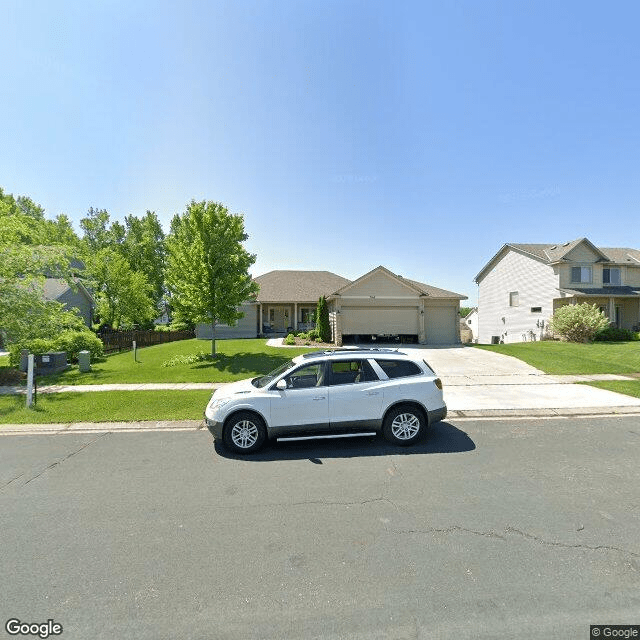
7166 205th Street, Lakeville, MN 55044
To contact a resident: (952) 486-9292
For more information about senior living options: (866) 208-4318
Spy Glass Manor Costs & Pricing
Spy Glass Manor offers competitive pricing for its accommodations when compared to the broader market in Scott County and the state of Minnesota. For semi-private rooms, Spy Glass Manor charges $3,000 per month, significantly lower than the county's average of $4,165 and the state average of $4,051. Similarly, residents opting for private rooms will find Spy Glass Manor's rate of $4,000 to be more economical than both Scott County's average of $5,053 and Minnesota's average of $5,090. This cost-effective positioning makes Spy Glass Manor an attractive option for individuals seeking quality care without compromising their financial resources.
| Floor plans | Spy Glass Manor | Scott County | Minnesota |
|---|---|---|---|
| Semi-Private | $3,000 | $4,165 | $4,051 |
| Private | $4,000 | $5,053 | $5,090 |
Assisted Living communities with a similar price nearby
-
About the same
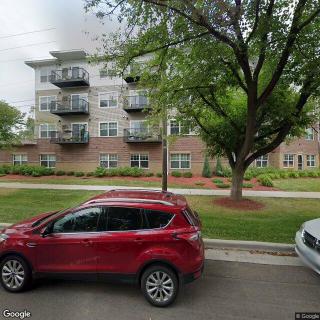
Highland on Graham
$3,000 to $4,000 / month17.1 miles away -
from -$300 / mo
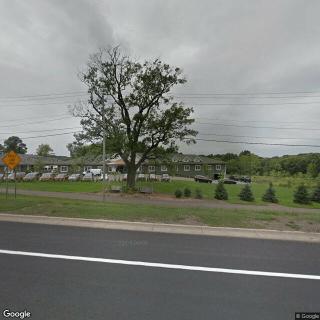
Trouvaille Memory Care Suites
$2,700 to $3,700 / month24.5 miles away -
from -$230 / mo
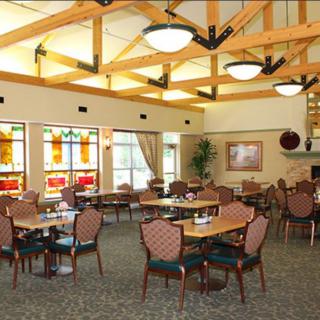
MainStreet Lodge
$2,770 to $3,130 / month24.1 miles away -
from +$200 / mo
Carver Ridge Senior Living
$3,200 to $4,800 / month22.3 miles away -
from +$500 / mo

Our Lady Of Peace Home Care
$3,500 to $6,000 / month20.9 miles away
Overall Review of Spy Glass Manor
Pros
 The kids rate it 10 stars.
- There are fun new bridges and climbing obstacles.
- Even the parts that are usually broken work at this park.
Review
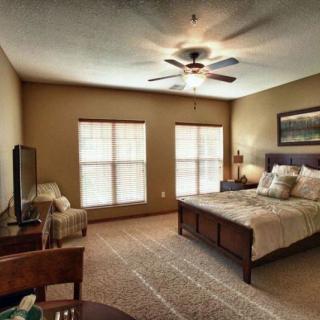
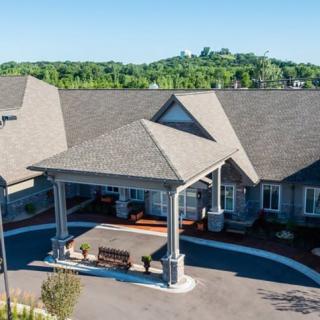
Spy Glass Manor in Lakeville, Minnesota is best suited for active seniors who want a well-kept, amenity-rich backdrop for daily living. The campus presents a confident image of updated common areas and practical, accessible programming that translates into a livable, inviting atmosphere. This is the kind of place where maintenance and fresh amenities are not afterthoughts but visible priorities. For families focused on the quality of the physical environment, Spy Glass Manor stands out as a setting where a modern, cared-for backdrop can support routines, socializing, and independent living with a lighter touch of assistance. It does not, based on available information, present itself as a facility built around high-acuity medical needs or memory-specific care.
Those evaluating options for loved ones who require robust clinical oversight should consider alternatives. The data available do not clearly articulate 24/7 nursing availability, medication management, on-site rehabilitation, or dementia-specific programming. Prospective residents and their families will want to verify levels of care, staffing certifications, response times, and whether memory-care tracks are truly integrated into the daily routine. If a resident depends on consistent medical support or a well-defined care plan, the absence of explicit detail means pursuing direct assurances, tours, and written care portfolios before committing.
The most tangible positives suggested by the presented signals center on the physical environment and its upkeep. The mention of “new bridges and climbing obstacles” and the note that features which were previously problematic now function well imply deliberate investment in modernization and reliability. In practical terms, this translates to fewer interruptions in daily routines, minimal safety concerns related to equipment, and more predictable opportunities for social and physical engagement. For residents who prize a lively, interactive atmosphere and reassurance that facilities won’t degrade, these maintenance strengths are meaningful and can materially improve day-to-day experience.
Yet significant gaps temper those strengths. No data are provided about staffing levels, credentials, on-site healthcare services, or availability of memory care or rehabilitative programs. Essential details such as meal service quality, transportation options, activity calendars, and family engagement policies are unspecified. Without transparent pricing and contract terms, families cannot evaluate true affordability or the predictability of ongoing costs. These gaps create a decision risk that must be addressed through careful inquiry. The gap between a polished environment and real-world care capabilities matters, and it should drive a rigorous due-diligence process.
When weighing the positives against these missing elements, the practical offset comes from the environment’s quality and reliability. A well-maintained campus reduces the likelihood of safety incidents tied to worn-out facilities, and fresh upgrades can sustain resident engagement over time. That said, the offset is partial: strong upkeep supports livability and enjoyment, but cannot substitute for concrete assurances about medical oversight, dementia support, and care staffing. The decision thus favors Spy Glass Manor for families who value a polished, maintenance-forward atmosphere and are confident in obtaining explicit care details, but it cautions those with significant care needs to verify alignment with medical and daily living support before proceeding.
Bottom-line guidance: Spy Glass Manor is a practical fit for active, reasonably independent seniors who want a bright, well-maintained setting with current amenities and accessible programming. Families should demand a thorough articulation of care capabilities, staffing patterns, and pricing before any commitment. If memory care, 24/7 nursing, or intensive rehabilitation will be part of daily life, alternatives with explicit dementia care tracks and fully documented care plans deserve close consideration. For the right resident, a polished environment paired with dependable maintenance can justify a preference; for others, a more care-centric option may be the safer path.
 6 resident community capacity
 Assisted Living
 Board and Care Home
 Activities on-site
 Cable or satellite TV
 Dining room
 Fully furnished
 Garden
 Housekeeping services
 Indoor common areas
 Move-in coordination
 Outdoor common areas
 Private
 Respite or short term stays offered
 Telephone
 Wheelchair accessible showers
 Wi-Fi/high-speed internet available
 Minneapolis-St Paul International (16 miles away)
 24-hour supervision
 Assistance with bathing
 Assistance with dressing
 Assistance with transfers
 Diabetes diet
 Diabetic care
 High acuity care
 Meal preparation and service
 Medication management
 Special dietary restrictions
 Transportation arrangement (medical)
 Transportation to doctors appointments



 How and When Medicaid May Cover Assisted Living Costs
 A Detailed Exploration of Assisted Living Medicaid Waivers Across the United States
 Comprehensive Residential Support and Assisted Living Solutions for Individuals with Disabilities