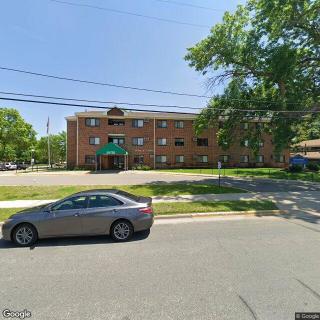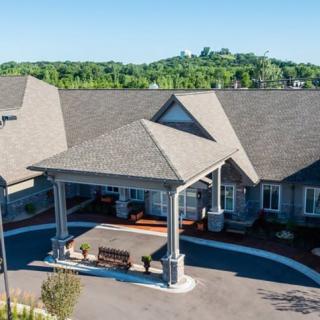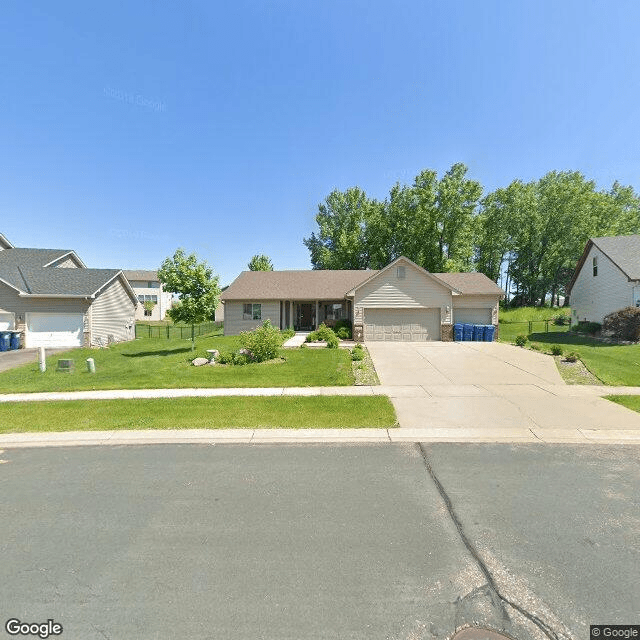
2 Caring Hands in Lakeville, MN

Save
2 Caring Hands

2 Caring Hands in Lakeville, MN

20752 Gemini Trail, Lakeville, MN 55044

For more information about senior living options: (844) 490-3973

2.8 from 12 reviews
5 stars
5
4 stars
0
3 stars
0
2 stars
1
1 stars
6

Assisted Living Board and Care Home Memory Care

2 Caring Hands Costs & Pricing

At 2 Caring Hands, the monthly cost for a private room is set at $5,000, which positions it competitively within both Scott County and the broader Minnesota market. In comparison, the average price in Scott County stands at $5,053, while the statewide average reaches $5,090. This makes 2 Caring Hands a financially attractive option for those seeking quality care without straying far from the regional pricing norms. The facility not only offers a comfortable and supportive environment but also remains mindful of affordability in today's healthcare landscape.

Floor plans2 Caring HandsScott CountyMinnesota
Private$5,000$5,053$5,090

What level of care are you interested in?

Assisted Living

Memory Care

Independent Living

Skilled Nursing Facility

Continuing Care Retirement Community (CCRC)CCRC

Other


Request a tour at 2 Caring Hands

    Overall Review of 2 Caring Hands

    Pros

    • pro They were angels to her and were there for her when the family could not be.
    • pro Their hearts and homes are open to residents.
    • pro The family was very thankful that their loved one was at Two Caring Hands.
    • pro Everyone was very nice.
    • pro All requests were met.
    • pro They made it a home setting.
    • pro They treated loved ones like family.
    • pro They care for clients dearly and love them as family.
    • pro The nurses are dedicated, watching over multiple residents and performing a wide range of care tasks.
    • pro They believe affection from family and friends helps keep residents mentally healthy and happy.
    • pro The sisters have many years of experience and consistently strive to do their best.
    • pro They strive to treat others as they would like to be treated.

    Cons

    • pro They claim the staff are relatives or do not speak enough English to have a conversation.
    • pro The home constantly ran out of food.
    • pro A resident pulled a knife on an employee and started a small fire.
    • pro That resident remained in the care of Ann but moved to another house.
    • pro An employee, Lynette, injured the mother during a lift and broke the mother's wheelchair and a shelf of dolls.
    • pro The night staff, Tony, yelled at and demeaned a resident on the phone.
    • pro The RN Matthew is said to have dismissed the mother's pain, contributing to her going to the hospital septic.
    • pro They allege a morbidly obese resident was left with one staff using a hoyer lift, she fell several times, and the sisters/husbands covered it up.
    • pro Another resident died after receiving the wrong medication.
    • pro Transfers require waiting for the sisters or their husbands to come to the house.
    • pro Night staff are said to sleep on shift and have boyfriends or random friends there.
    • pro The sisters and their husbands allegedly work for weeks without overtime pay and do not answer texts.
    • pro They were told they don't keep medical records of any services provided.
    • pro The good reviews are claimed to be from family; "what a joke this place is."
    • pro The nurses are described as rude and inexperienced; the owner is said to run the homes and often doesn't return calls; overmedication is alleged.
    • pro The place should be shut down; never place a loved one here; nurses are uneducated and won't let you speak to a loved one due to hearsay.
    • pro The administrator reportedly no-shows for tours; staff invite visitors to wait, with people sleeping and crying for help.
    • pro Ombudsman concerns are cited, with a strong recommendation not to place a loved one there.

    Review

    Two Caring Hands in Lakeville is best for families that want a small, home-like setting and are willing to stay highly involved in oversight. It can work for residents with relatively manageable care needs who value intimate attention and a family-run atmosphere, but it is not the right fit for those who require strong, consistent professional supervision, dependable medication administration, and rigorous accountability. For anyone prioritizing formal oversight, predictable staffing, and transparent communication, alternatives to consider include larger, licensed communities with established clinical support and documented procedures.

    Pros that surface in favorable anecdotes include the sense of a true home environment and a hands-on, family-operated approach. Some families describe a nurturing, "leave-them-to-it" feel where staff treat residents with care and a degree of personal attention that larger companies struggle to deliver. There are mentions of a desire to accommodate specific requests - such as routine showers and personalized routines - and of staff who want to participate in practical, day-to-day care. When the operation appears to align with a family ethos, residents may experience moments of warmth and familiarity that are hard to find in bigger facilities.

    Yet the downsides are substantial and repeatedly surface across multiple reviews. A high incidence of staffing concerns looms large: language barriers, relatives serving as caregivers, and reports that night shifts are not adequately supervised, leading to perceptions of sleep or neglect during critical hours. Allegations range from improper medication handling and missing medications to injuries during transfers and even near-catastrophic safety events. Communication gaps emerge clearly - delayed responses from leadership, difficulty accessing medical records, and frustration when concerns are not addressed promptly. These patterns erode trust and magnify risk for residents with complex medical needs.

    The core tension is that the strongest positives - home-like warmth, personal attention, and flexible responsiveness - depend heavily on a lightly staffed, informally governed operation. The same factors that enable intimate care also hinder consistent safety protocols, reliable medication management, and rigorous documentation. When leadership lapses occur, the consequences become acute: hospitalizations, reported medication issues, and repeated calls for better accountability. In short, the appeal of a small, family-run setting can quickly collide with the realities of required professional standards in long-term care.

    For families evaluating this community, implement a rigorous due-diligence plan. Request detailed staffing schedules and verified nurse supervision practices, and observe a shift from several perspectives - day and night - to gauge consistency. Demand access to complete medical and incident records, and verify how medications are stored, administered, and documented. Speak with multiple staff members, including those not related to the owners, to assess true morale and competence. Check the state's licensing history and seek corroboration from independent ombudsman or regulatory resources. Consider trial periods with explicit safety and reporting expectations, and insist on clear, written agreements about response times and escalation if concerns arise.

    The bottom line is pragmatic and decisive: Two Caring Hands can deliver a genuine home feel and affectionate, personalized care in the right circumstances, but it remains high risk for residents who depend on predictable staffing, strong clinical oversight, and rigorous operational discipline. Families with tolerance for variability and a readiness to oversee daily routines may find pockets of quality care, yet any resident with complex medication needs, high fall risk, or significant medical dependence should scrutinize alternatives more closely. For those prioritizing safety, transparency, and professional governance, larger, better-regulated options are likely to provide more reliable peace of mind, with clear expectations set before any placement.

    Features

    Housing

    • 21 resident community capacity 21 resident community capacity

    Types of Care

    • Assisted Living Assisted LivingAssisted living facilities provide crucial support and care for seniors who may need help with daily tasks such as medication management, bathing, and meal preparation. These communities offer a safe and comfortable environment where seniors can maintain their independence while receiving the assistance they need to thrive in their golden years.
    • Board and Care Home Board and Care HomeBoard and care homes provide a smaller, more intimate setting for seniors who require assistance with daily tasks but do not need the level of care offered by a nursing home. They offer personalized care, meals, and social activities in a homelike environment, ensuring that seniors receive individualized attention and support in their golden years.
    • Memory Care Memory CareMemory care is crucial for seniors as it provides specialized support and services for individuals with dementia or Alzheimer's disease. These programs offer a safe and secure environment where residents receive personalized care, cognitive stimulation, and help with daily activities. Memory care helps seniors maintain their independence, quality of life, and dignity while also providing peace of mind for their families.

    Amenities

    • Activities on-site Activities on-siteActivities on-site are important for seniors because they provide opportunities for socialization, mental stimulation, physical activity, and overall well-being. Engaging in activities can help seniors stay active, maintain their independence, and improve their quality of life.
    • Beauty salon Beauty salonBeauty salons are important for seniors because they provide a space for them to feel pampered, socialize, and maintain their personal grooming and hygiene. Regular visits to a beauty salon can help boost seniors' self-esteem and overall well-being.
    • Cable or satellite TV Cable or satellite TVCable or satellite TV is important for seniors because it provides entertainment, news, and companionship, helping to combat loneliness and boredom. It also offers a wide range of programming options tailored to different interests and preferences.
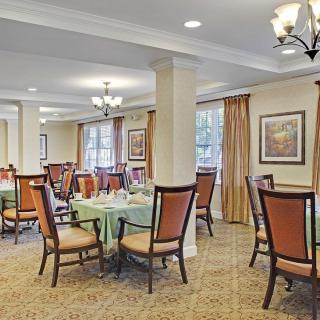
    • Dining room Dining roomDining rooms are important for seniors as they provide a space for socialization, connection, and nutritious meals. They offer opportunities for residents to bond over shared meals, foster a sense of community, and promote healthy eating habits. Dining rooms also ensure that seniors have access to well-balanced meals tailored to their dietary needs and preferences.
    • Fully furnished Fully furnishedFully furnished senior living communities are important for seniors because they provide convenience, comfort, and a hassle-free moving experience. Seniors can easily settle into their new living space without the stress of having to buy and move furniture. This allows them to focus on enjoying their new home and community.
    • Garden GardenGardens are important for seniors as they provide a peaceful and therapeutic environment for relaxation, physical activity, and socialization. Being in nature has been shown to reduce stress, improve mood, and promote overall well-being. Gardens also offer opportunities for seniors to engage in gardening activities, which can improve mobility, flexibility, and cognitive function. Additionally, gardens create a sense of community and connection with others who share a passion for plants and outdoor spaces.
    • Housekeeping services Housekeeping servicesHousekeeping services are important for seniors because they help maintain a clean and safe living environment, promote independence, and reduce the risk of accidents or illnesses. Additionally, having assistance with household chores can alleviate physical strain and allow seniors to focus on other aspects of their well-being.
    • Indoor common areas Indoor common areasIndoor common areas are crucial for seniors as they provide a space for socialization, recreation, and community engagement, promoting overall well-being and reducing feelings of isolation and loneliness.
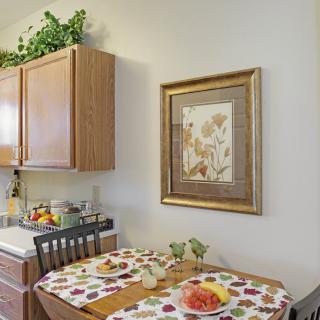
    • Kitchenette KitchenetteKitchenettes are important for seniors living in senior living communities because they provide the convenience and independence of being able to prepare simple meals and snacks in the comfort of their own living space. This can help promote a sense of autonomy and well-being for seniors, allowing them to maintain some level of control over their dietary choices and daily routines.
    • Move-in coordination Move-in coordinationMove-in coordination is important for seniors because it helps ease the transition into their new living environment. It ensures that all logistics, such as packing, organizing movers, and setting up utilities are taken care of, allowing seniors to focus on settling in and adjusting to their new home. Having a smooth move-in process can alleviate stress and anxiety, making the transition smoother and more enjoyable for seniors.
    • Outdoor common areas Outdoor common areasOutdoor common areas are important for seniors as they provide a space for socialization, physical activity, and relaxation. Being outside in nature can improve mood and overall well-being, while also encouraging movement and engagement with others. These spaces can help combat feelings of isolation and promote a sense of community among residents.
    • Outdoor space Outdoor spaceOutdoor spaces are important for seniors as they provide opportunities for physical activity, social interaction, exposure to natural light and fresh air, and a sense of connection to nature. Having access to outdoor spaces can improve overall well-being and quality of life for older adults living in senior communities.
    • Private PrivatePrivacy is important for seniors as it allows them to maintain their independence, dignity, and sense of control over their own lives. It also gives them the space and freedom to relax, reflect, and engage in activities that bring them joy and fulfillment. Creating private spaces within senior living facilities is crucial for promoting overall well-being and quality of life.
    • Respite or short term stays offered Respite or short term stays offeredRespite or short term stays provide seniors with a temporary solution when their regular caregiver is unavailable, offering them the opportunity to receive additional care and support during times of need, while also giving caregivers a chance to rest and recharge.
    • Telephone TelephoneTelephones are important for seniors as they provide a lifeline for communication with loved ones, emergency services, and healthcare providers. They offer a sense of security and independence, enabling seniors to stay connected and access assistance when needed.
    • Wheelchair accessible showers Wheelchair accessible showersWheelchair accessible showers are crucial for seniors as they provide a safe and independent bathing option for those with mobility challenges. These showers help prevent falls and allow seniors to maintain their dignity and autonomy while ensuring they can bathe comfortably.
    • Wi-Fi/high-speed internet available Wi-Fi/high-speed internet availableWi-Fi/high-speed internet is important for seniors to stay connected with loved ones, access online resources, and participate in virtual activities to combat feelings of loneliness and isolation. It also allows them to easily manage healthcare needs, access entertainment, and engage in lifelong learning opportunities.

    Transportation

    • Minneapolis-St Paul International (16 miles away) Minneapolis-St Paul International (16 miles away)

    Care Services

    • 24-hour call system 24-hour call system24-hour call systems are important for seniors because they provide peace of mind and immediate assistance in case of emergencies. This technology ensures that help is always available, promoting safety and security for elderly individuals living alone or in assisted living facilities.
    • 24-hour supervision 24-hour supervision24-hour supervision is important for seniors to ensure their safety, well-being, and access to immediate assistance in case of emergencies or health issues. This constant support provides peace of mind for both seniors and their loved ones, allowing them to age in place with dignity and security.
    • Activities of daily living assistance Activities of daily living assistanceActivities of daily living assistance are important for seniors because they provide essential support with tasks such as eating, bathing, dressing, and mobility. This assistance helps seniors maintain their independence, dignity, and overall quality of life as they age.
    • Assistance with bathing Assistance with bathingAssistance with bathing is crucial for seniors as it helps maintain personal hygiene, prevents infections, and ensures their overall well-being and comfort. It also provides a sense of dignity and independence for seniors who may struggle with this task on their own.
    • Assistance with dressing Assistance with dressingAssistance with dressing is important for seniors because it helps maintain their independence, promotes personal hygiene, prevents accidents and injuries, and improves overall quality of life. This service ensures that seniors can continue to dress comfortably and confidently, despite any physical limitations they may have.
    • Assistance with transfers Assistance with transfersAssistance with transfers is crucial for seniors as it helps prevent falls and injuries, maintains their independence, and ensures they can safely navigate their living environment. It also provides peace of mind for both seniors and their loved ones.
    • Coordination with health care providers Coordination with health care providersCoordination with health care providers is crucial for seniors to ensure proper medical care, medication management, and overall well-being. This collaboration helps prevent overlapping treatments, track progress more effectively, and provide comprehensive support tailored to individual needs.
    • Dementia waiver Dementia waiverDementia waivers are essential for seniors as they provide critical protections and accommodations for those experiencing cognitive decline. These waivers ensure individuals with dementia receive appropriate care, support, and resources to maintain their quality of life and dignity as they navigate the challenges of this progressive condition.
    • Diabetes diet Diabetes dietA diabetes diet is crucial for seniors as it helps manage blood sugar levels, reduce risks of complications, and improve overall health and well-being. By following a balanced and nutritious diet tailored to their specific needs, seniors can better control their diabetes and enhance their quality of life.
    • Diabetic care Diabetic careDiabetic care is crucial for seniors as they are more susceptible to developing diabetes due to aging and other health conditions. Proper management of diabetes can help prevent complications such as heart disease, vision loss, and nerve damage, improving the overall quality of life for seniors in senior living communities.
    • High acuity care High acuity careHigh acuity care is important for seniors because it provides specialized medical attention and support for individuals with complex medical needs. This level of care ensures that seniors receive the appropriate treatment and assistance to maintain their health and quality of life as they age.
    • Hospice waiver Hospice waiverHospice waivers are important for seniors because they allow individuals to receive specialized end-of-life care and support at home or in a hospice facility. This waiver ensures that seniors can access the necessary resources and services to maintain comfort and dignity during their final days.
    • Meal preparation and service Meal preparation and serviceMeal preparation and service are crucial for seniors as they may have limited mobility or energy to cook nutritious meals. Having access to healthy and convenient food options can ensure they are getting the proper nutrition needed to maintain their overall health and well-being.
    • Medication management Medication managementMedication management is crucial for seniors to ensure they are taking the right medications at the correct dosages and times. This helps prevent adverse drug interactions, reduces the risk of medication errors, and promotes overall health and well-being. Proactive management also allows for adjustments as needed based on changing health conditions or new prescriptions.
    • Mental wellness program Mental wellness programMental wellness programs are essential for seniors as they promote cognitive stimulation, emotional support, and social engagement. These programs help prevent isolation, depression, and cognitive decline, ultimately enhancing the overall quality of life for older adults.
    • Mild cognitive impairment Mild cognitive impairment"Mild cognitive impairment" is important for seniors because it is an early stage of cognitive decline that can potentially progress to more severe conditions such as dementia. Recognizing and addressing mild cognitive impairment can help seniors receive appropriate care and support to maintain their quality of life and independence for as long as possible.
    • Special dietary restrictions Special dietary restrictionsSpecial dietary restrictions are important for seniors because age-related changes in metabolism and health conditions can make it difficult for their bodies to process certain foods. By following a diet tailored to their specific needs, seniors can maintain their overall health and well-being, manage chronic conditions, and reduce the risk of complications such as malnutrition or food interactions with medications.
    • Specialized memory care programming Specialized memory care programmingSpecialized memory care programming is crucial for seniors with cognitive impairments such as dementia or Alzheimer's disease. These programs provide a safe and supportive environment tailored to the unique needs of individuals with memory loss, helping them maintain their independence, dignity, and quality of life.
    • Transportation arrangement (medical) Transportation arrangement (medical)Transportation arrangements for medical purposes are essential for seniors as they may have difficulty driving themselves to appointments or accessing public transportation. Having reliable and safe transportation options ensures that seniors can receive timely medical care and maintain their health and well-being.
    • Transportation to doctors appointments Transportation to doctors appointmentsTransportation to doctors' appointments is crucial for seniors as it ensures they have access to necessary medical care and support for their health needs. Without reliable transportation, seniors may struggle to attend important appointments, leading to potential delays in treatment and health complications. Providing transportation services helps seniors maintain their overall well-being and quality of life.
    Dining

    • Diabetes diet Diabetes dietA diabetes diet is crucial for seniors as it helps manage blood sugar levels, reduce risks of complications, and improve overall health and well-being. By following a balanced and nutritious diet tailored to their specific needs, seniors can better control their diabetes and enhance their quality of life.
    • Meals provided Meals provided"Meals provided" are crucial for seniors in assisted living communities as it ensures they have access to nutritious, balanced meals without the stress of meal planning and preparation. This can help promote overall health and well-being for seniors who may have limited mobility or cognitive abilities.
    • Special dietary restrictions Special dietary restrictionsSpecial dietary restrictions are important for seniors because age-related changes in metabolism and health conditions can make it difficult for their bodies to process certain foods. By following a diet tailored to their specific needs, seniors can maintain their overall health and well-being, manage chronic conditions, and reduce the risk of complications such as malnutrition or food interactions with medications.

    Activities

    • Activities on-site Activities on-siteActivities on-site are important for seniors because they provide opportunities for socialization, mental stimulation, physical activity, and overall well-being. Engaging in activities can help seniors stay active, maintain their independence, and improve their quality of life.
    • Community-sponsored activities Community-sponsored activitiesCommunity-sponsored activities are important for seniors as they provide opportunities for social interaction, mental stimulation, and physical activity. These activities can help improve overall well-being, combat loneliness and isolation, and promote a sense of belonging and purpose among older adults.
    • Resident-run activities Resident-run activitiesResident-run activities are important for seniors as they encourage social interaction, creativity, and a sense of autonomy. These activities empower seniors to stay engaged and active in their community while fostering meaningful connections with their peers.
    • Scheduled daily activities Scheduled daily activitiesScheduled daily activities are important for seniors because they provide structure, socialization, mental stimulation, and physical activity. Engaging in regular activities can improve overall well-being and quality of life for seniors living in a community setting.

    Description

    The 2 Caring Hands assisted living community in Lakeville, MN offers a variety of care services and amenities to its residents. The community includes both board and care homes as well as memory care facilities, providing specialized support for individuals with dementia or memory loss.

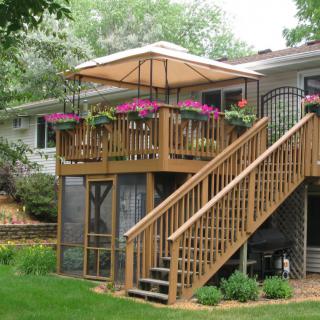
    Residents at 2 Caring Hands can enjoy a range of amenities designed to enhance their comfort and well-being. These include a beauty salon, cable or satellite TV, a dining room, fully furnished accommodations, a garden, housekeeping services, indoor and outdoor common areas, private and wheelchair accessible showers, and Wi-Fi/high-speed internet access.

    The community provides comprehensive care services to ensure the safety and well-being of its residents. This includes around-the-clock supervision, assistance with daily living activities such as bathing and dressing, help with transfers between different locations, coordination with healthcare providers, specialized support for individuals with dementia through the Dementia waiver program, diabetes diet management and care for those with diabetes, high acuity care for individuals with complex medical needs, hospice waiver program for end-of-life care support if needed, meal preparation and service, medication management to ensure proper dosage and timing of medications, mental wellness programs to promote emotional well-being among residents, support for individuals with mild cognitive impairment through programming tailored to their needs. Transportation arrangements are also available for medical appointments.

    Dining at 2 Caring Hands is an enjoyable experience with meals provided that accommodate special dietary restrictions if necessary.

    There are various activities offered within the community to maintain an active social life. These include both community-sponsored activities organized by staff as well as resident-run activities. Additionally, scheduled daily activities are available to keep residents engaged in meaningful ways.

    Located in Lakeville, MN, 2 Caring Hands is conveniently situated near parks for outdoor recreation opportunities. There are also several pharmacies nearby ensuring easy access to medications. For any medical needs or consultations required by residents there are three physicians nearby. There is a good variety of dining options in the area as well. Additionally, transportation services are available for residents who may need assistance with reaching different destinations. For entertainment, there is also a theater nearby providing opportunities for residents to enjoy cultural experiences.

    Overall, 2 Caring Hands provides a supportive and nurturing environment for individuals in need of assisted living or memory care services in the Lakeville, MN area.

    Nearby Places of Interest

    Located in Lakeville, Minnesota, this area offers a variety of amenities and services that cater to the needs of seniors. With several restaurants nearby such as Buckboard, Barley + Vine Kitchen & Bar, and Culver's, there are plenty of dining options to choose from. For medical needs, there are multiple pharmacies including CVS and Walgreens, as well as healthcare facilities like Orthopaedic & Fracture Clinic and Fairview Ridges Hospital. The proximity to parks like Pine Knoll Park and Foxborough Park provides opportunities for outdoor recreation and relaxation. Additionally, there are theaters like Jj's Theatre & Draft House for entertainment purposes. Overall, this part of Lakeville offers a convenient and comfortable environment for senior living with accessible amenities and services.

    Restaurants

    • Buckboard (1.3 miles)
    • McDonald's (2.5 miles)
    • Barley + Vine Kitchen & Bar (3 miles)
    • Celts Pub (3.3 miles)
    • McDonald's (4.1 miles)
    • Northern Taphouse (4.4 miles)
    • Culver's (4.4 miles)

    Transportation

    • Airlake Airport LVN (1.7 miles)

    Pharmacies

    • CVS Pharmacy (1.9 miles)
    • CVS Pharmacy (3 miles)
    • Walmart Pharmacy (4.3 miles)
    • Walgreens (4.7 miles)
    • Walgreens (5.4 miles)
    • CVS Pharmacy (5.5 miles)
    • Allina Health Minneapolis Heart Institute – Apple Valley (5.9 miles)

    Parks

    • Pine Knoll Park (2.2 miles)
    • Foxborough Park (3.8 miles)
    • Lac Lavon Park (5.1 miles)
    • Keller Park (5.4 miles)
    • Greenhaven Park (6.5 miles)
    • Bloomfield Park (8.5 miles)
    • Cleary Lake Regional Park (9 miles)

    Physicians

    • Orthopaedic & Fracture Clinic - Erik S Stroemer, MD (2.9 miles)
    • Eisenstadt Allergy & Asthma (4.8 miles)
    • Eye 35 Eye Care (4.8 miles)
    • Dr Anthony Battaglia (5.3 miles)
    • Nystrom & Associates (5.7 miles)
    • Rosemount Family Physicians (6.6 miles)
    • Fairview Ridges Specialty Care Center (7.3 miles)

    Theaters

    • Jj’s Theatre & Draft House (4.9 miles)
    • Emagine Eagan (9.7 miles)

    Cafes

    • Panera Bread (5.6 miles)
    • Starbucks (5.9 miles)
    • Caribou Coffee (6.5 miles)
    • Starbucks (7 miles)
    • Panera Bread (7.5 miles)
    • Starbucks (7.8 miles)
    • Caribou Coffee (8.1 miles)

    Hospitals

    • Apple Valley Medical Clinic (5.9 miles)
    • Fairview Ridges Hospital (7.4 miles)

    Places of Worship

    • Watt Munisotaram (8.2 miles)
    • St Catherine Of Spring Lake (10.8 miles)
    • Woodcrest Church (11 miles)

    Frequently Asked Questions

    How much does it cost to live at 2 Caring Hands in Lakeville, MN?
    Where is 2 Caring Hands?
    Does 2 Caring Hands provide care for residents with dementia or Alzheimer's disease?

    Nearby Communities

    • Spy Glass Manor

      Spy Glass Manor

      Lakeville, MN

      5 from 1 review
      $3,000 to $4,000 / month

      pro High-acuity, personalized care with wheelchair accessibility and convenient access to services.

    • Walker Methodist Highview Hill

      Walker Methodist Highview Hill

      Lakeville, MN

      4.6 from 40 reviews
      $6,285 / month

      pro Friendly staff, engaging activities, and attractive amenities.

    • Fairfield Terrace Senior Apts

      Fairfield Terrace Senior Apts

      Lakeville, MN


      pro Proximity to parks, multiple healthcare options (pharmacies and physicians), and nearby dining.

    • United Homes Services

      United Homes Services

      Lakeville, MN


      pro Small, intimate community with 24/7 supervision and full ADL support.

    • Integra Health Care

      Integra Health Care

      Lakeville, MN

      5 from 5 reviews
       

      pro Convenient access to nearby parks, pharmacies, physicians, restaurants, and transportation.

    • Integra Home Care

      Integra Home Care

      Lakeville, MN

      5 from 5 reviews
       

      pro 24/7 supervision and coordinated health services.

    • Spero Senior Living

      Spero Senior Living

      Lakeville, MN

      5 from 25 reviews
      $1,750 to $2,800 / month

      pro Caring staff with a strong, family-like community and an on-site wellness center.

    • The Fountains at Hosanna

      The Fountains at Hosanna

      Lakeville, MN

      4.7 from 113 reviews
      $3,340 to $4,440 / month

      pro Caring staff with engaging activities in a well-maintained, welcoming setting.

    • The Moments Of Lakeville

      The Moments Of Lakeville

      Lakeville, MN

      4.7 from 85 reviews
      $7,200 / month

      pro Engaging activities, attentive staff, and quality dining in a modern setting.

    Related Resources

    • dementia stagesUnderstanding Dementia Through Its Seven Stages: A Comprehensive Look at Progression and Expectations

      Dementia encompasses a range of cognitive impairments characterized by types such as Alzheimer's and vascular dementia, and follows a seven-stage progression model known as the Global Deterioration Scale (GDS), highlighting varying symptoms and decline timelines. Early detection allows for lifestyle adjustments to potentially slow progression, while caregivers need support and resources to manage the challenges involved in caring for affected individuals.

    • dementia careA Holistic Dementia Care Guide: Effective Strategies for Memory Support

      The guide on holistic dementia care outlines the complexity of dementia and stresses the need for individualized caregiver strategies that include medical treatment, psychological support, and environmental adaptations, while emphasizing early detection, various therapeutic options, and caregiver support to enhance quality of life and maintain dignity.

    • activities of daily livingComprehensive Insights into Activities of Daily Living (ADLs) and Their Assessment

      Activities of Daily Living (ADLs) are fundamental tasks vital for an individual's independence, particularly in older adults over 85, and include functions like bathing and dressing; assessing ADLs alongside Instrumental Activities of Daily Living (IADLs) helps determine the level of required assistance due to age-related health challenges. Tailored support plans, involving family and community resources, are essential for maintaining dignity and autonomy in assisted living environments.


    Get Pricing Ask A Question Schedule A Tour Contact Senior Advisor